Services for owners, collectors, museums, auction houses and researchers working on very old Tokaji — free, in exchange for the right to document and research what turns up. Nothing here is invoiced, brokered or sold: no fees, no commission, no advertising. What I receive is permission to record and publish the bottle.
Cost
FreeIn exchange for documentation rights
Trading
NoneI do not buy or sell bottles
Error rate
< 15%Estimated, on 20+ years of examination
Experience
20+ yrsCellars, archives, laboratories
—
Services
I offer services for owners, collectors, museums, auction houses and other researchers working on very old Tokaji.
My services are free in exchange for the right to document and research the bottles and related artefacts, and possibly to publish the results. Nothing is invoiced, brokered or sold: no fees, no commission, no advertising, and this site earns nothing. I do not trade or sell Tokaji bottles, and I give no valuations for sale. In general, very old Tokaji bottles are almost never offered commercially. For younger «old» Tokaji, look at Tokajneum, Múzeális Tokaji Borkostoló, Vigbor or Antique Wines and Spirits, as well as the auction houses that regularly feature old wine.
How is it possible to discover so many old Tokaji bottles? In my view it is a combination of four factors.
Number of bottles. These very old wines were well known in their day, above all the wines of famous cellars such as the Fukier house in Warsaw, the Imperial cellar in Vienna and the Royal Saxon cellar in Dresden — thousands of bottles in total. To be precise, we should call this rediscovery.
Evidence of existence. After the two world wars those cellars ceased to exist and their treasures with them. The wines were considered lost, and although a bottle or two turned up at auction from time to time, very old Tokaji largely disappeared from the consciousness of the wine world. Still, the evidence mounted that a part of those bottles had survived.
Number of bottle hunters. As far as I can tell, state institutions never explored the option of finding these bottles. I do not know whether former owners looked into it — the Fukier family, the Saxon royals, the Habsburgs — but I doubt it. In the end only a handful of passionate people were seriously looking, in the context of private investigations. Apparently too few to make progress for over seventy years.
Persistence and luck. I was always convinced that many of those precious bottles must have survived the wars somewhere. I began researching in many places, and after more than twenty years I was lucky enough to locate the first of the oldest. Today more and more bottles are surfacing, and there are good reasons to believe that many more will be discovered.
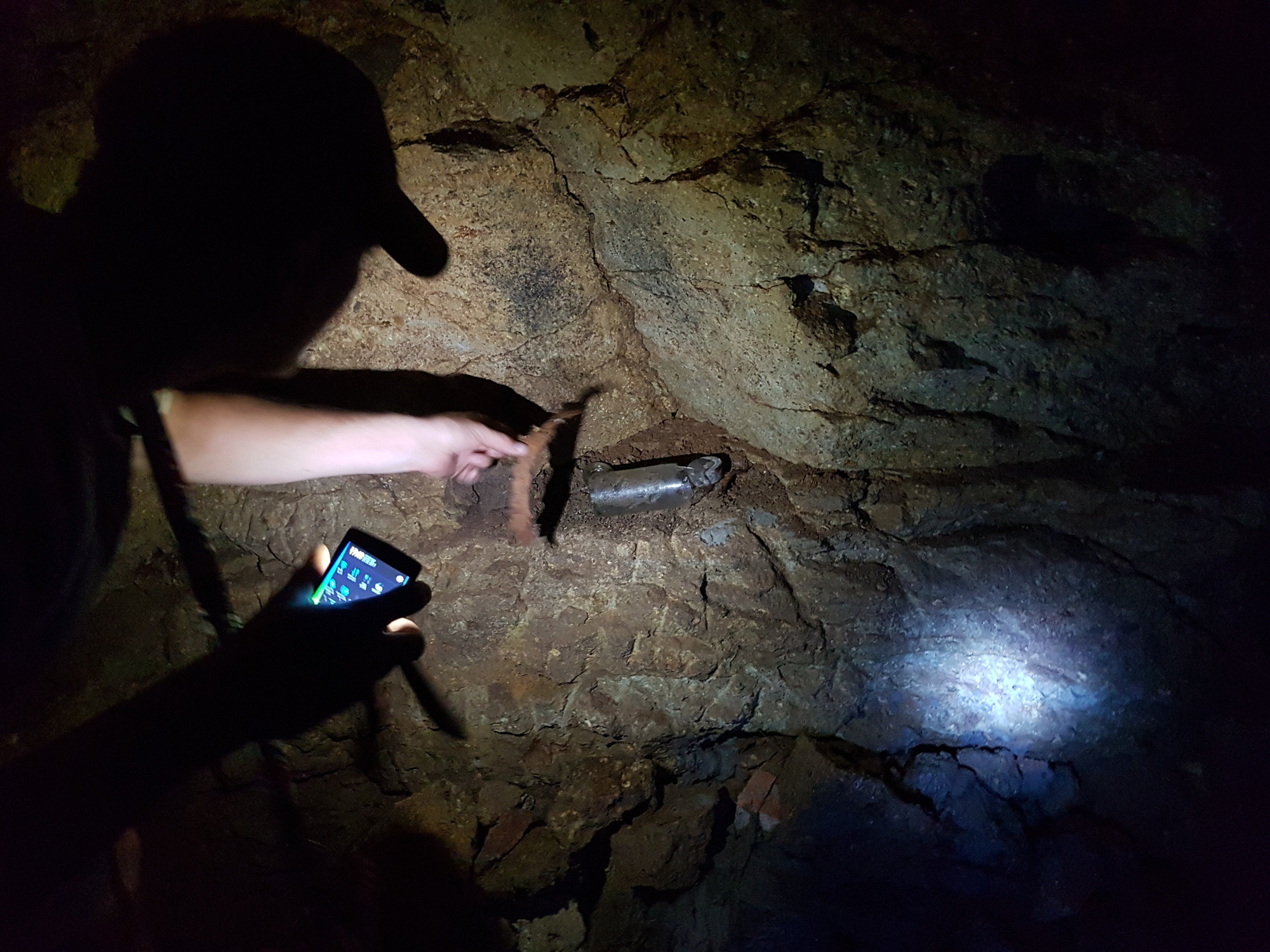
The search itself is very time-consuming and offers no guarantee of success. Most of the time goes on researching potentially interesting locations — mostly cellars and the basements of buildings — and on negotiating access with property owners. Only if access is granted does the exciting part start: checking for the entrances of forgotten cellars, and looking for unknown sections that have collapsed or been walled in. That exploration involves some technology for cavity and object detection, mostly ground-penetrating radar. I am not by any means an expert in cellar statics and structural integrity, so there is naturally some risk involved. A few cellar sections I explored in the past have since partially or completely collapsed.
A completely different approach is the wine collection — of private persons, families, museums, institutions. Those sometimes hide tremendous Tokaji gems. It is relatively easy to find collections that include Tokaji down to about 1811; older bottles are very hard to locate. But luckily they occasionally exist, and sometimes the owners are not even aware of what they have.
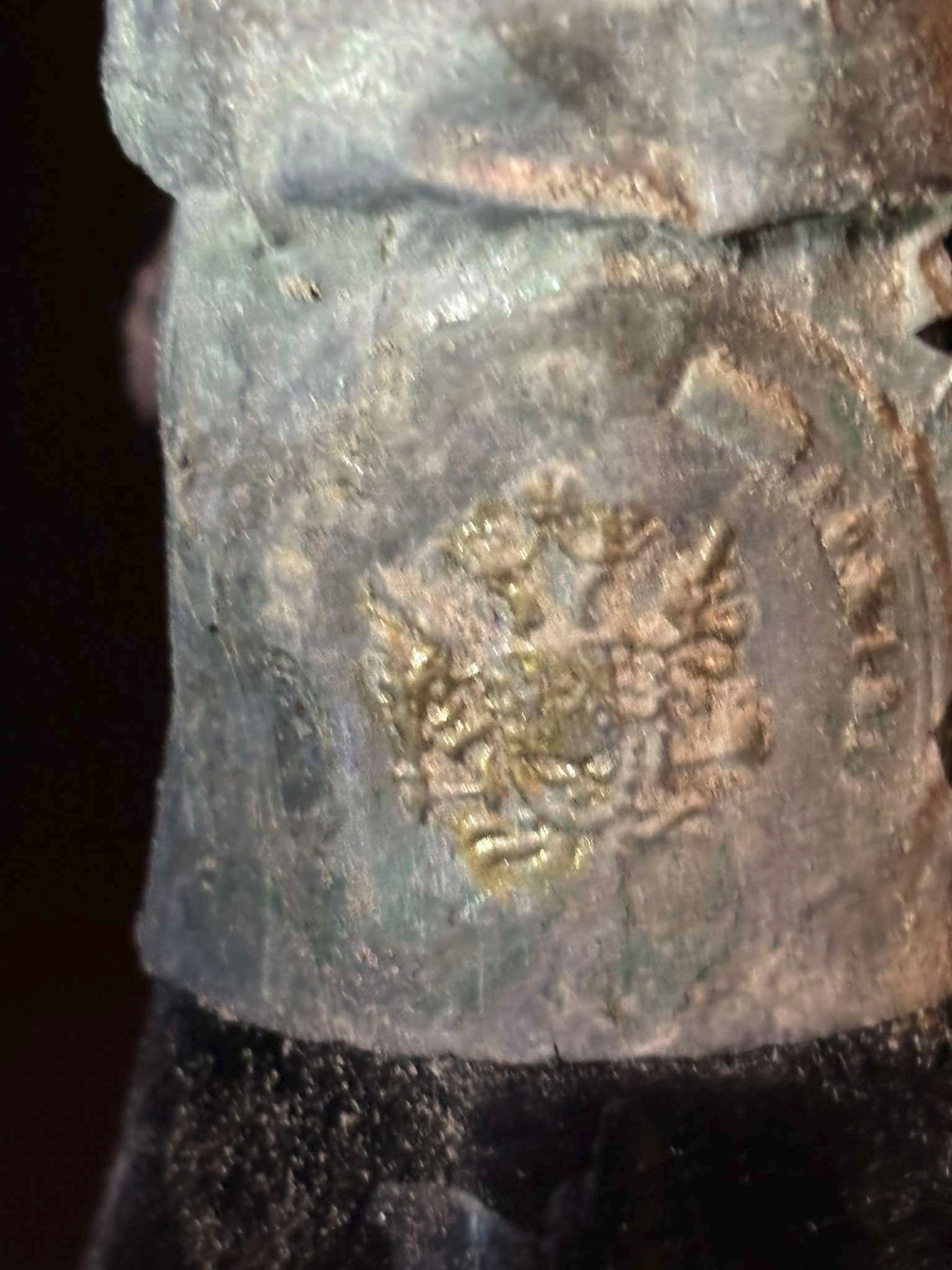
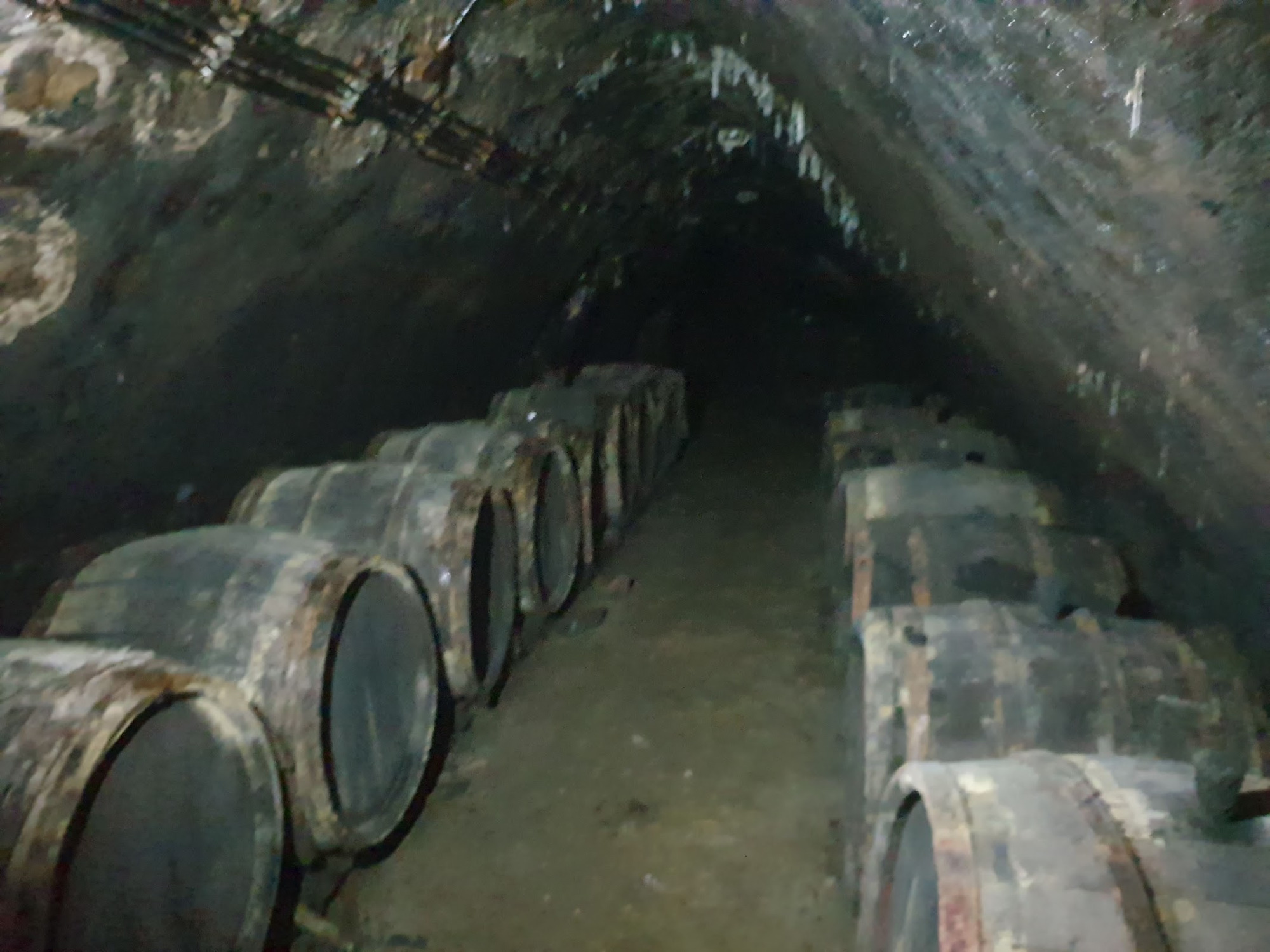
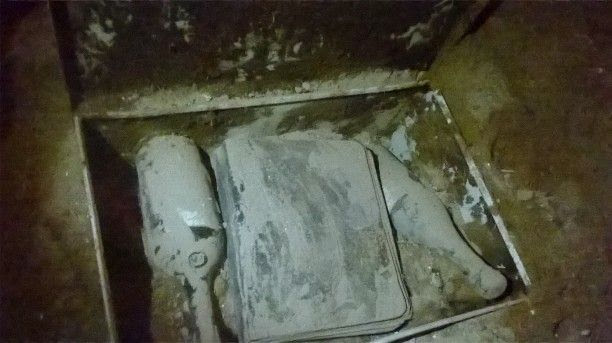
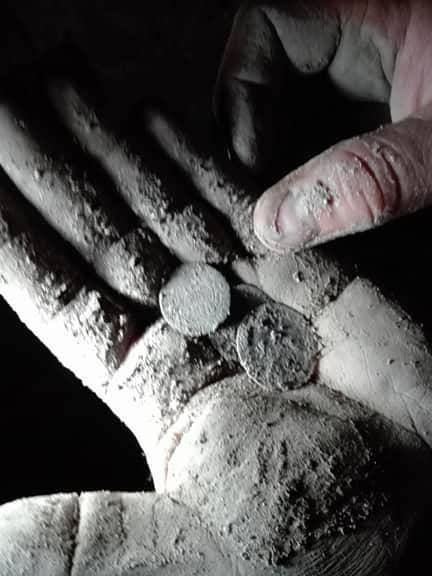
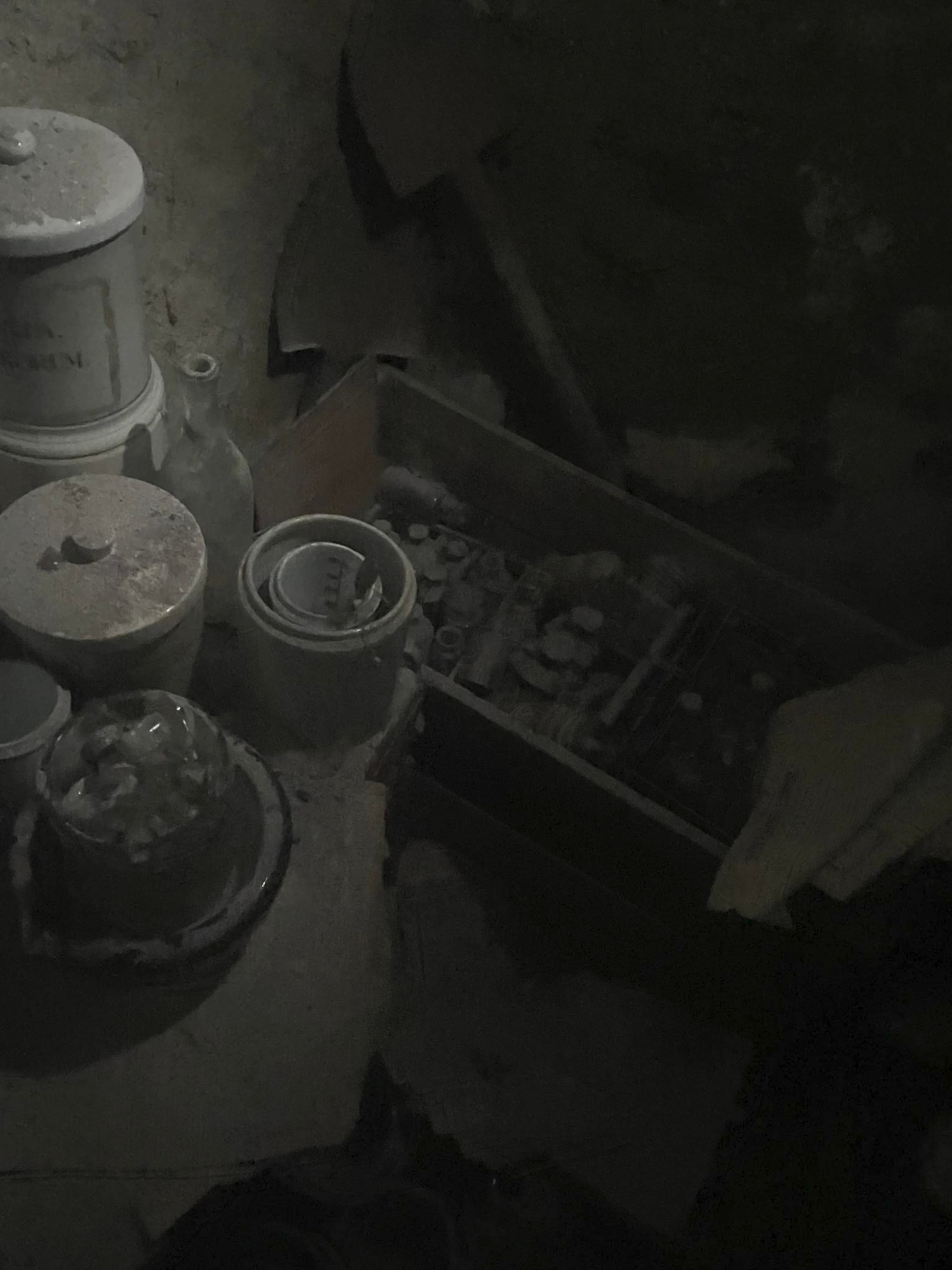
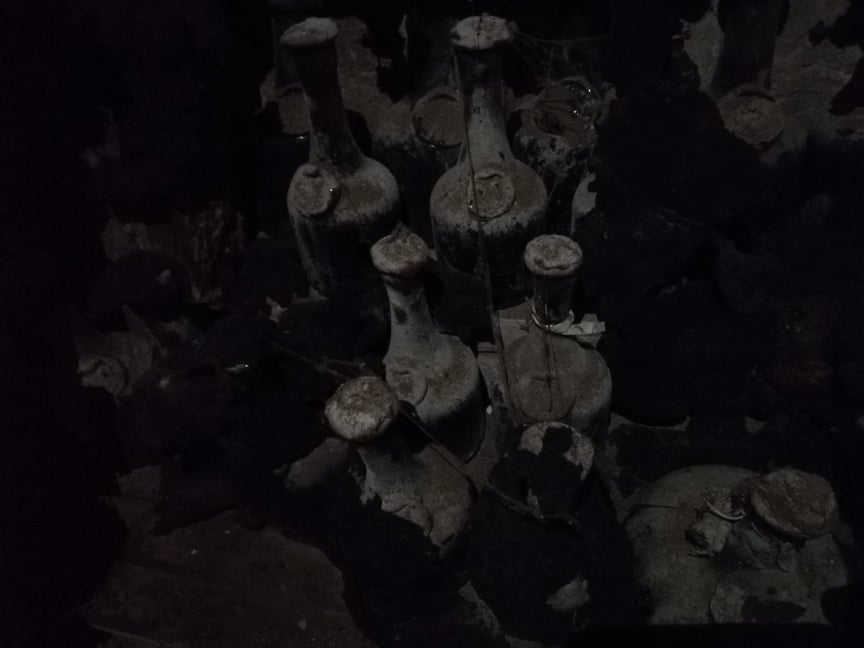
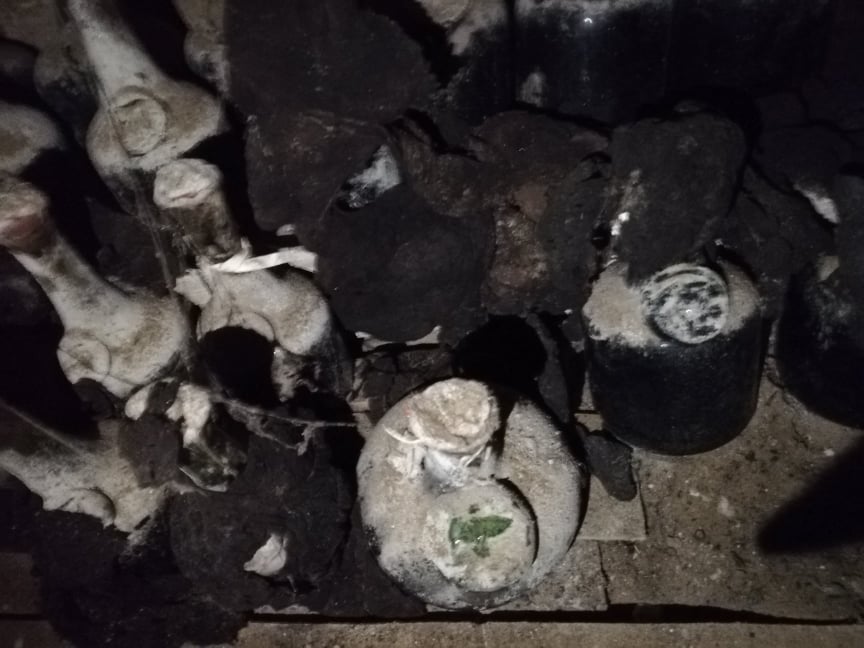
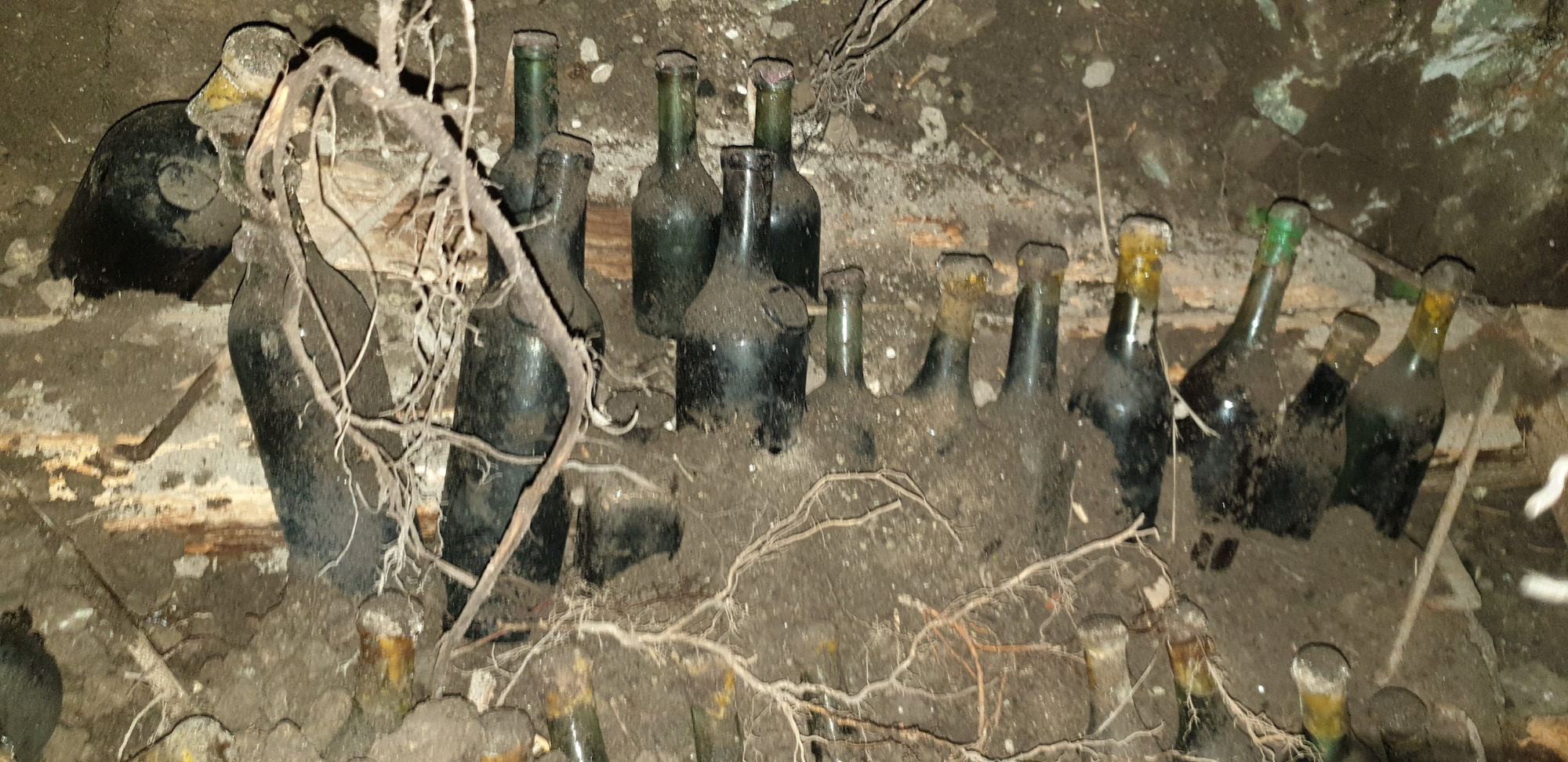
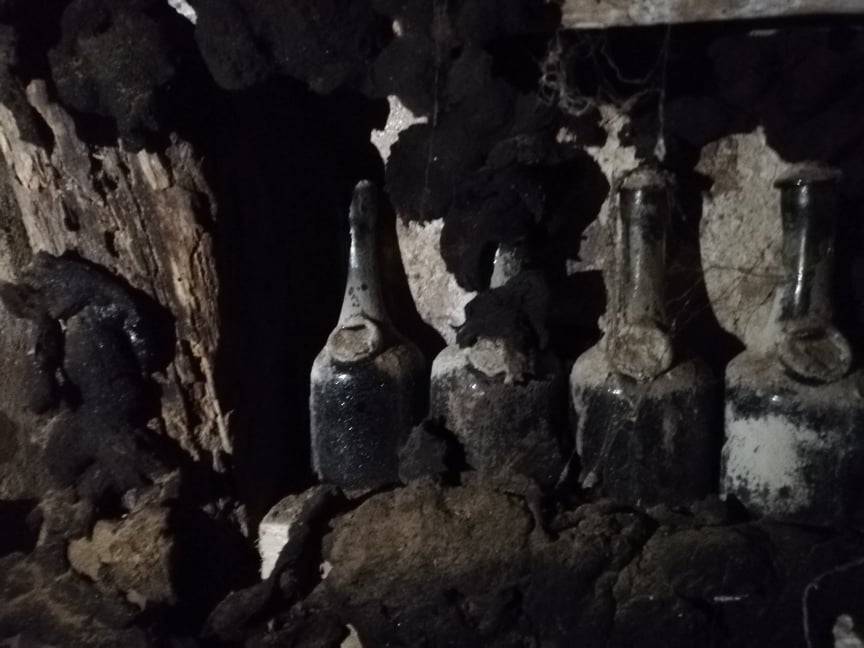
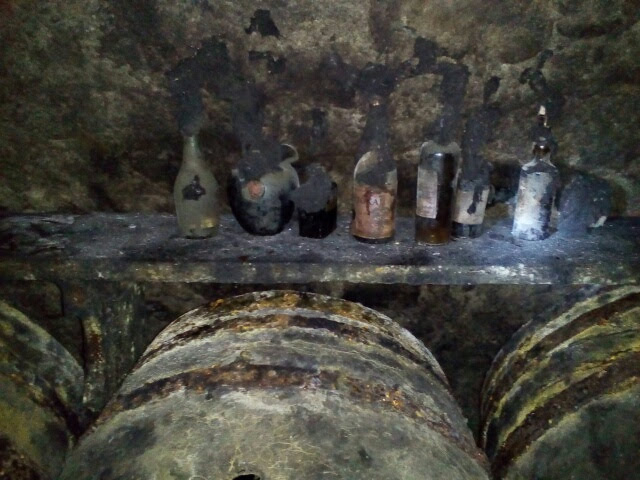
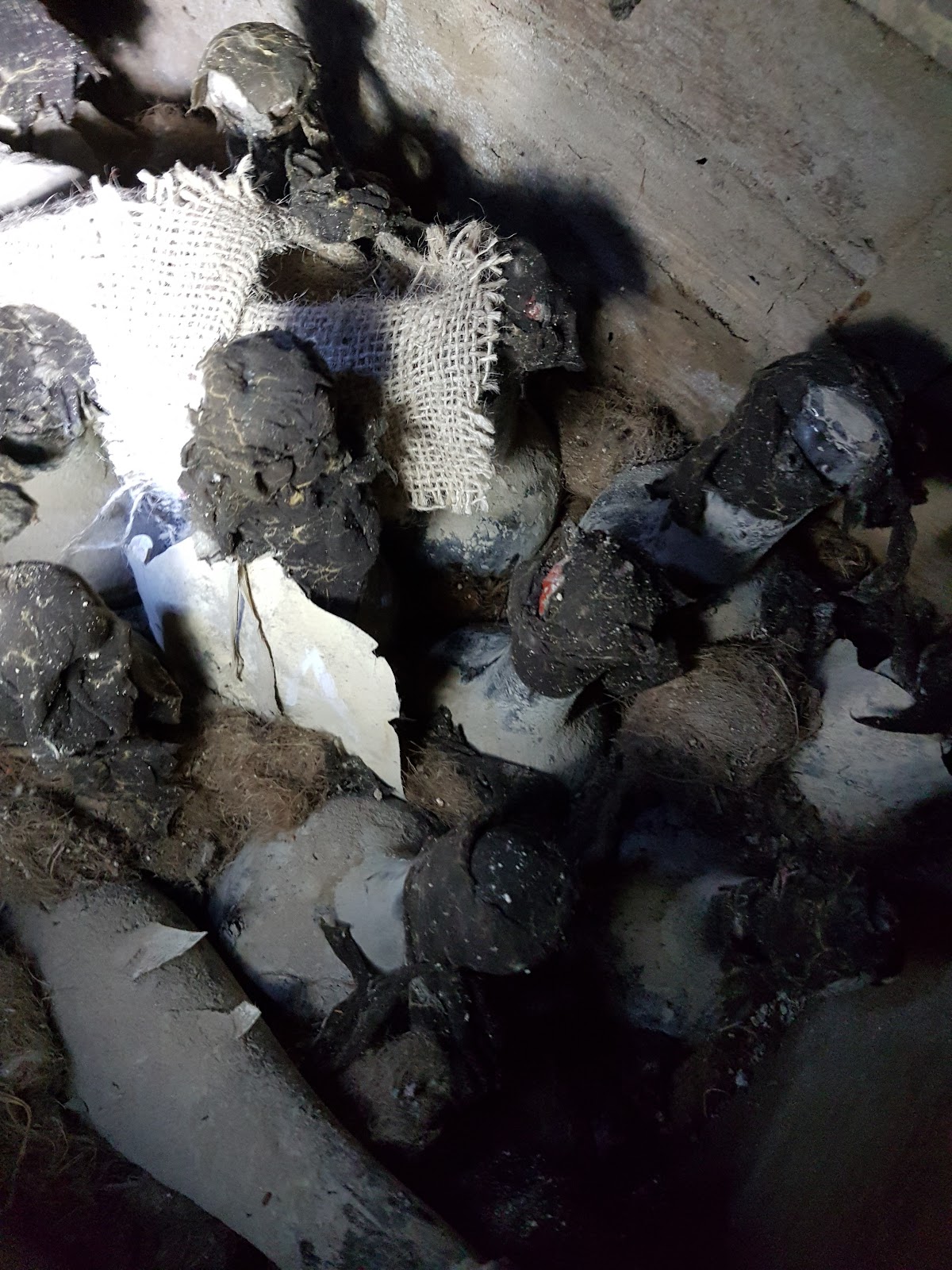
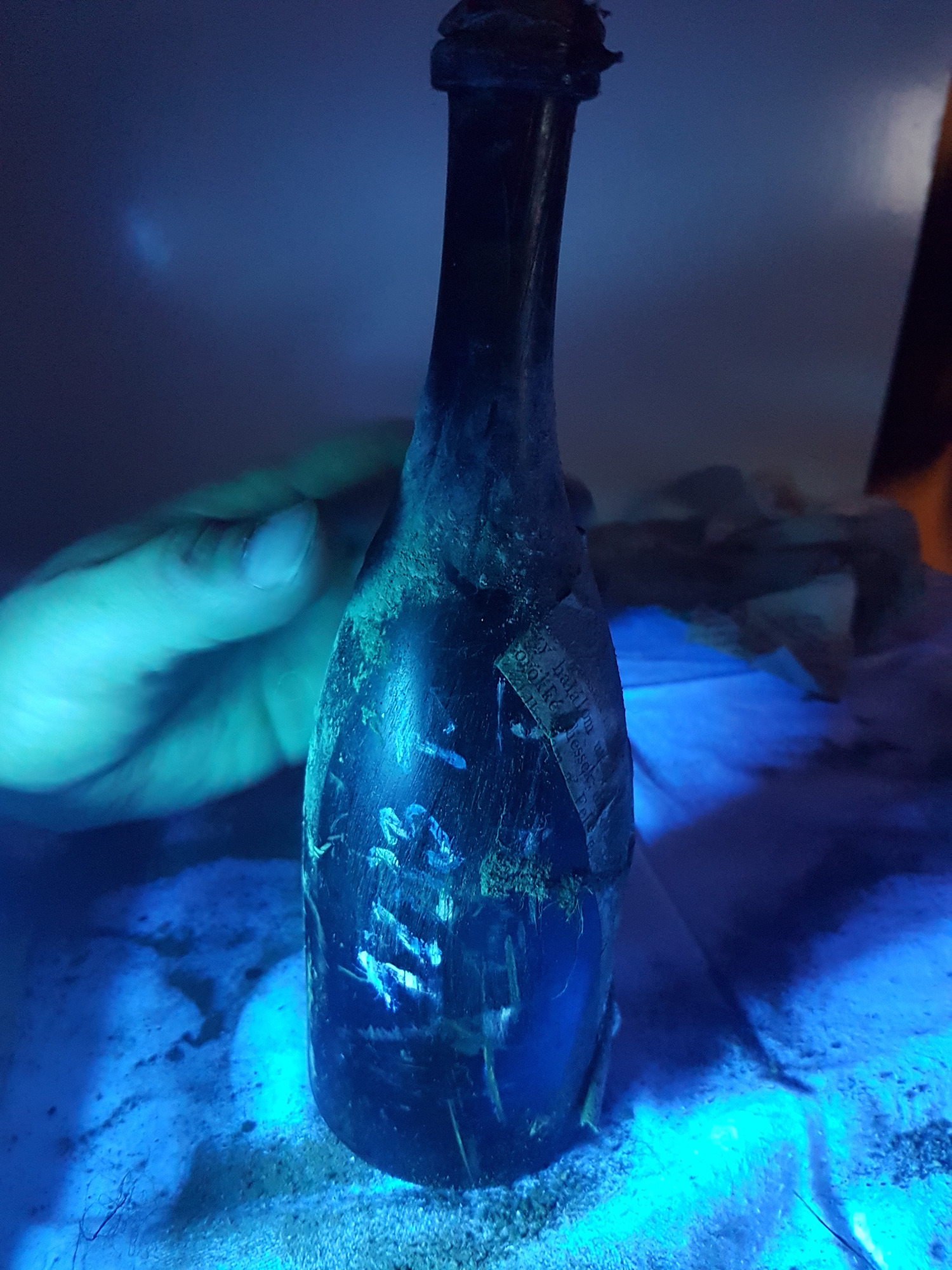
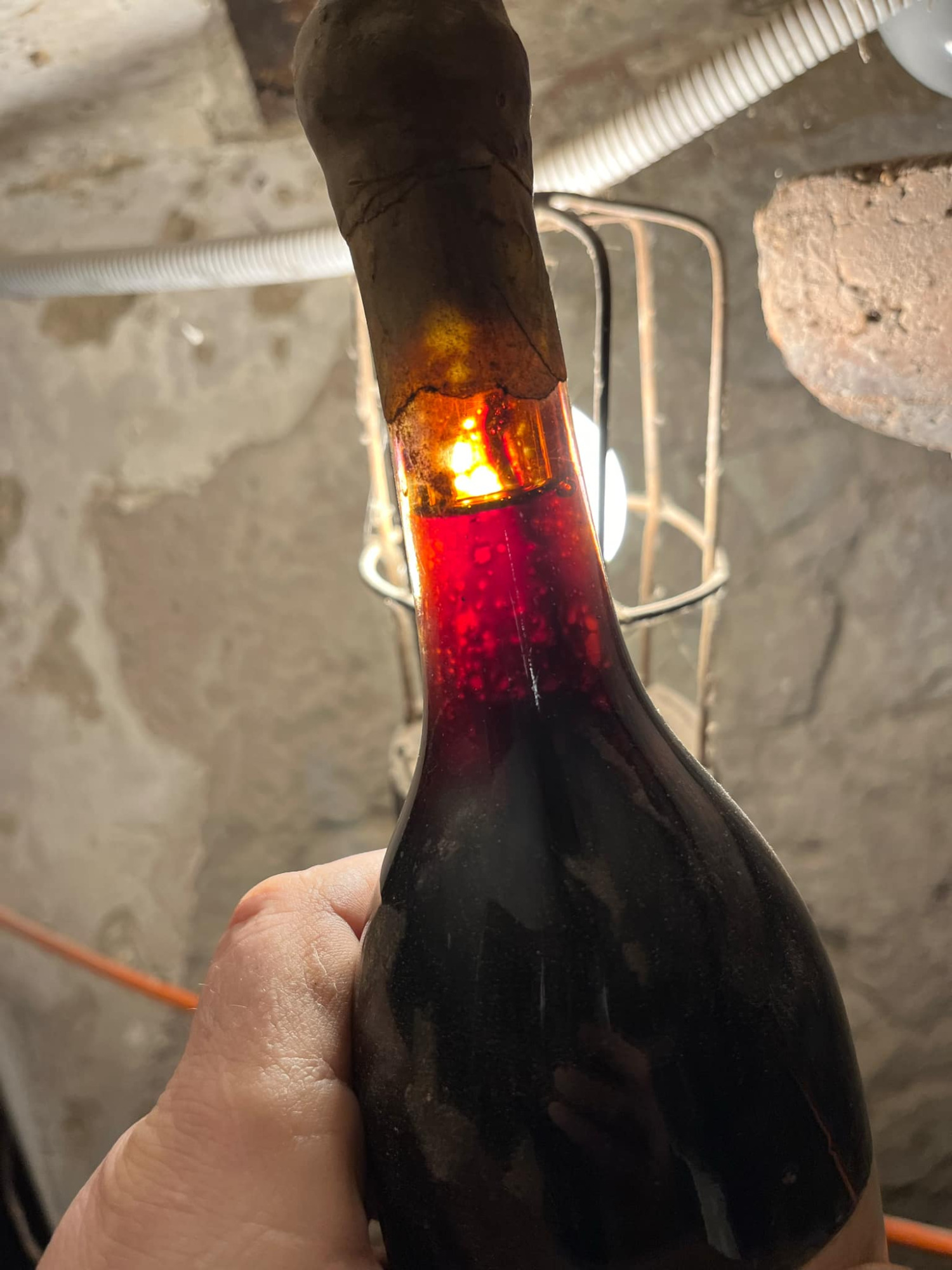
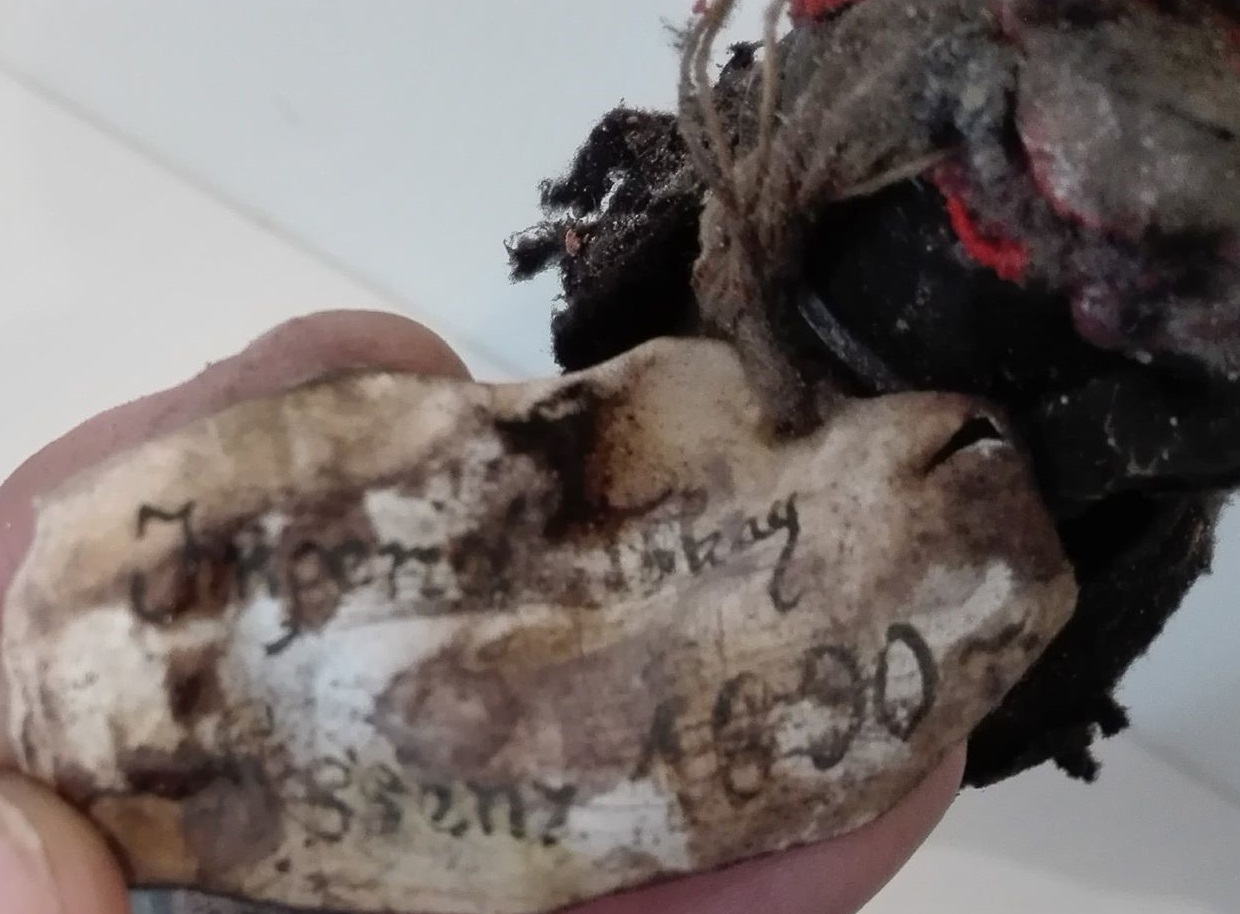
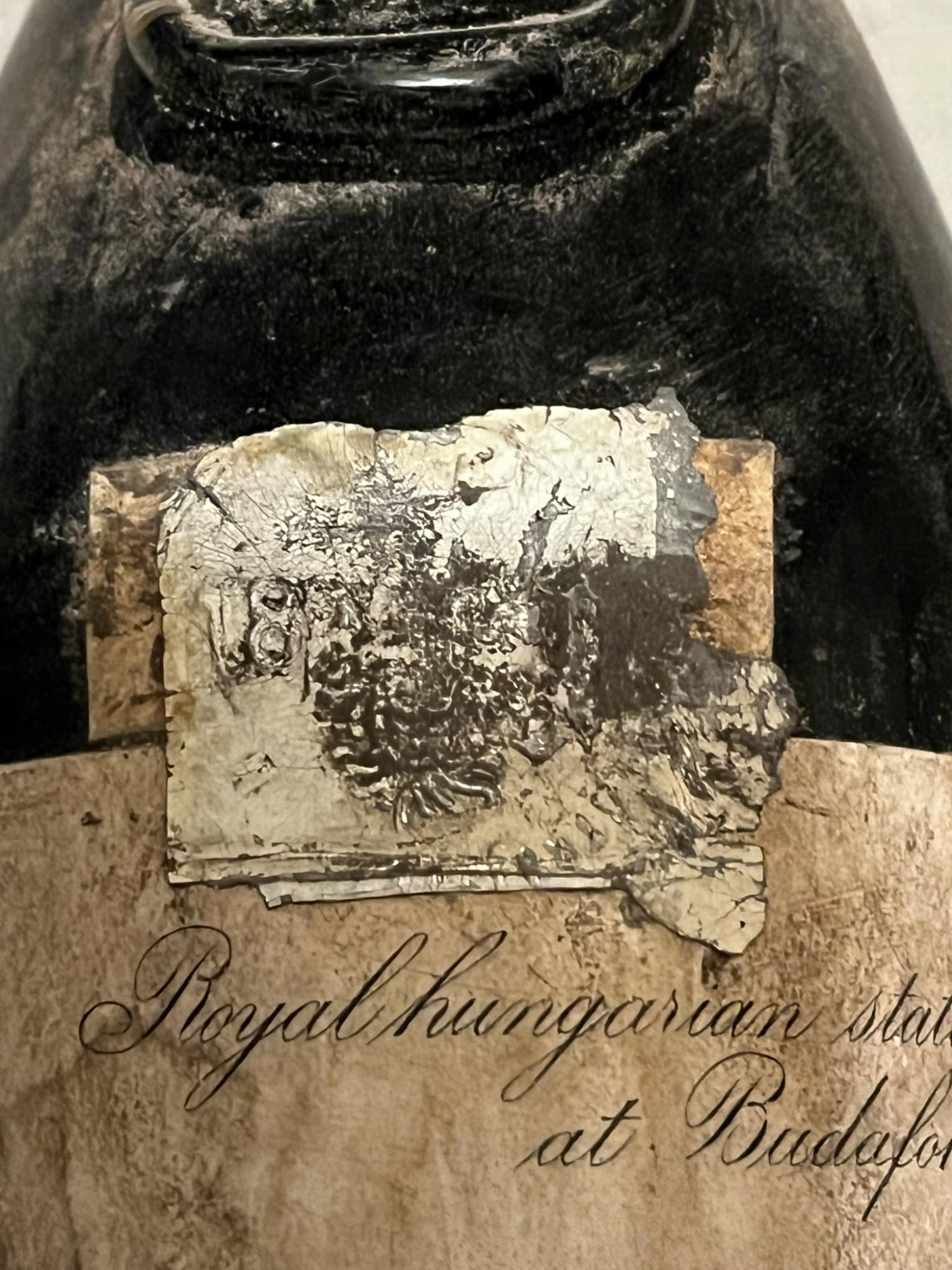
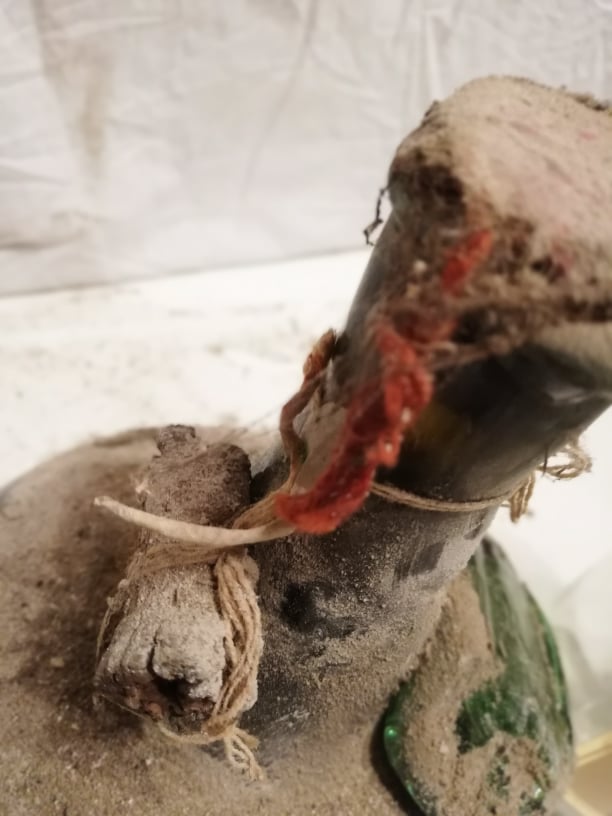
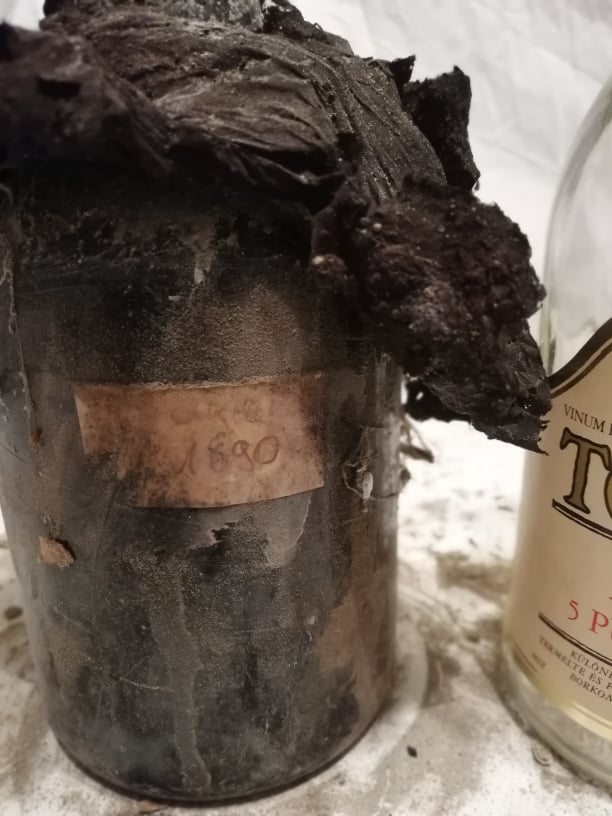
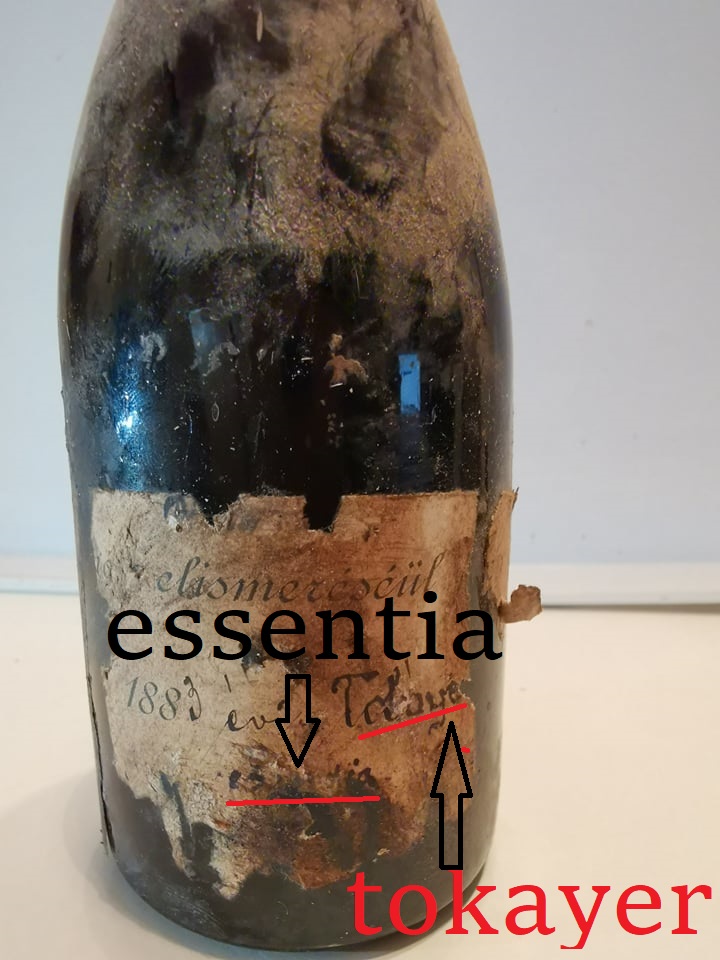
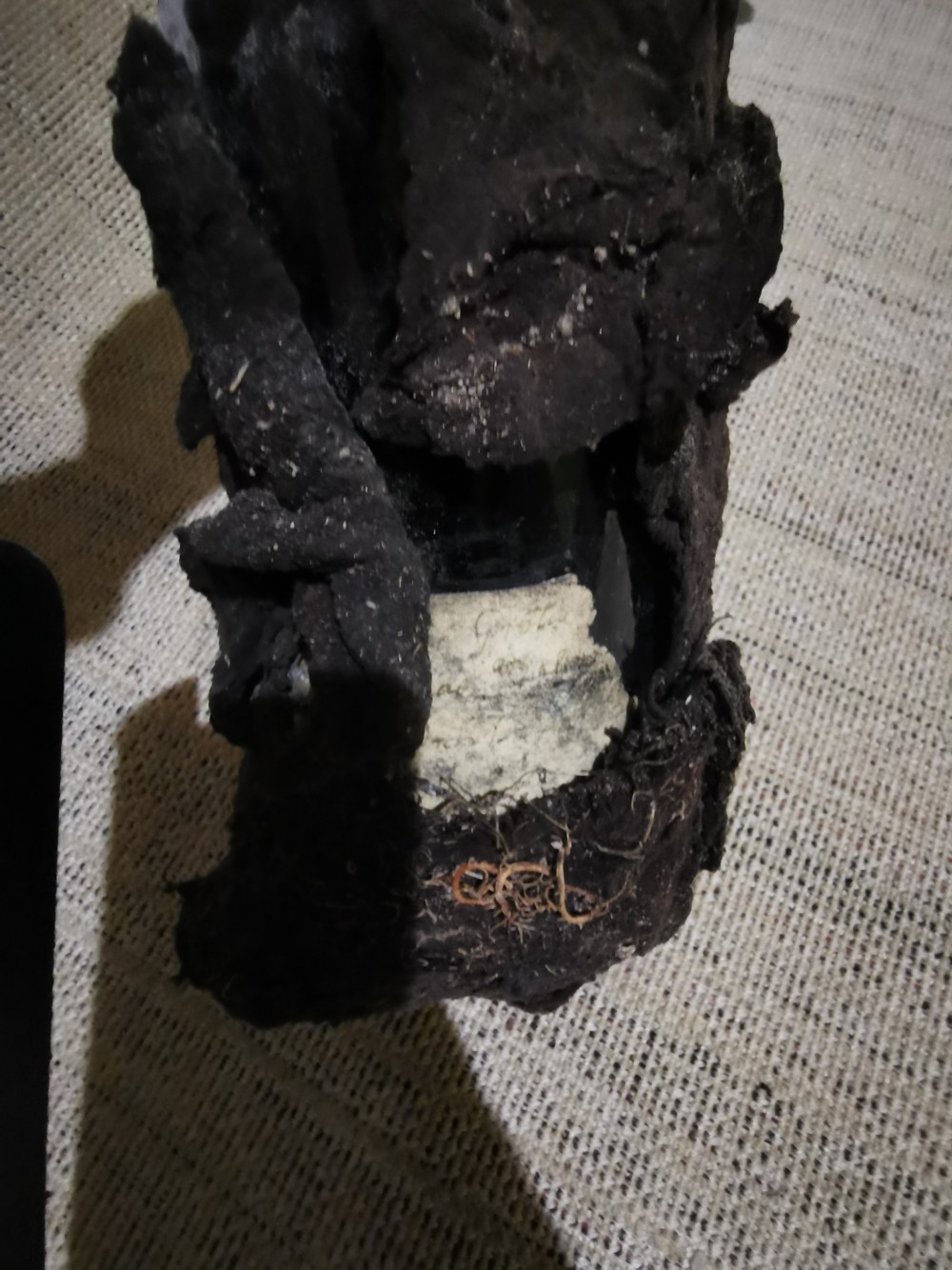
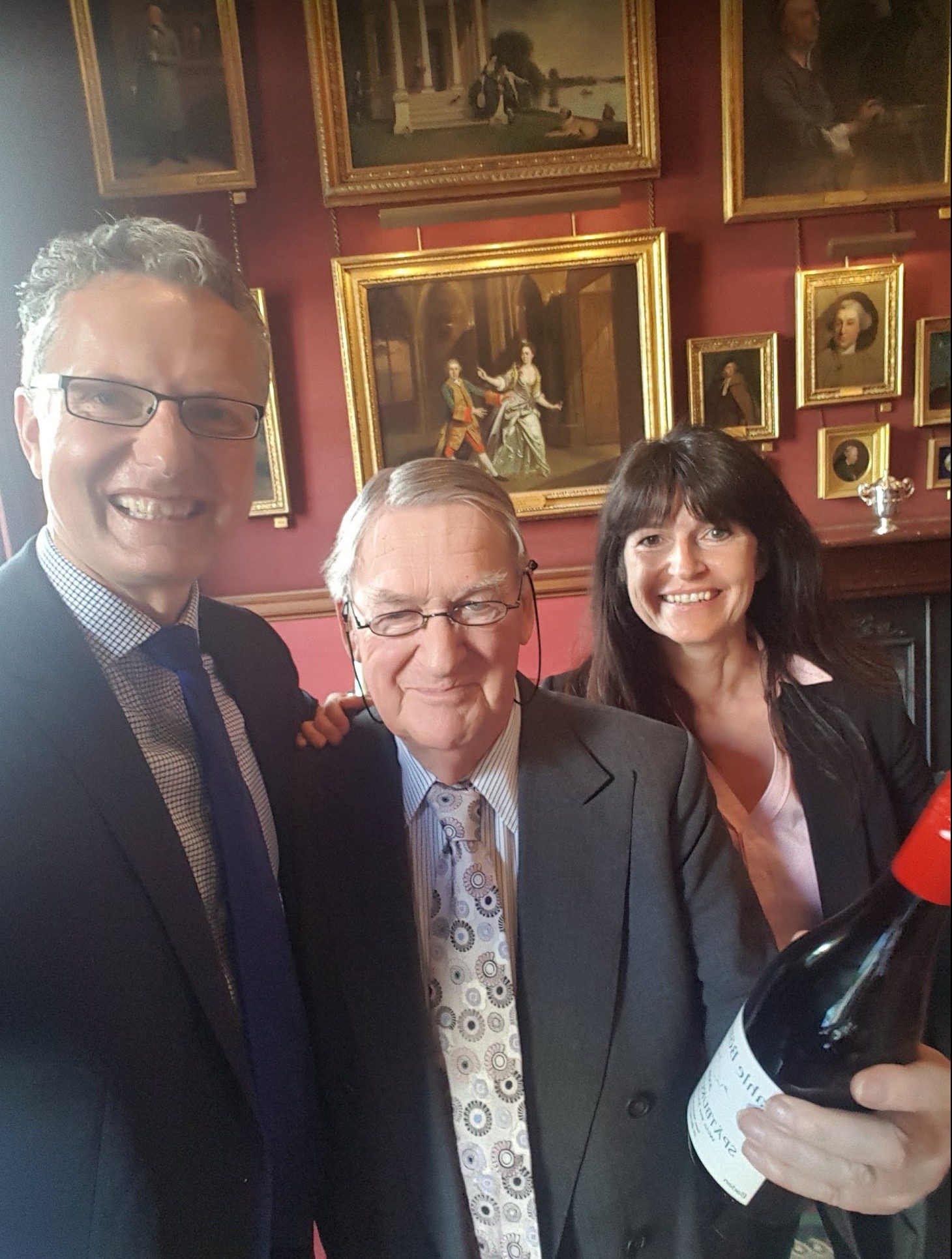
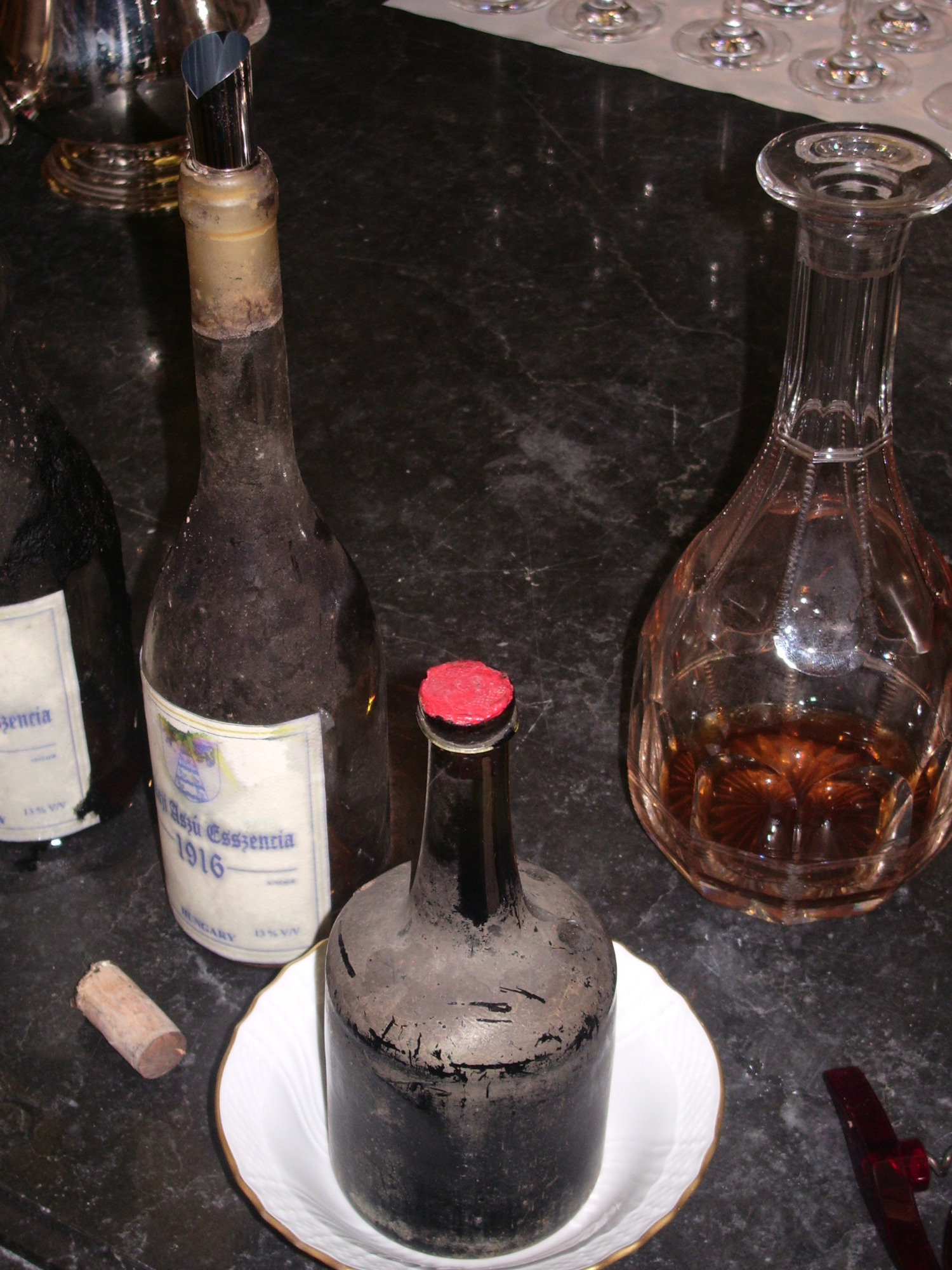
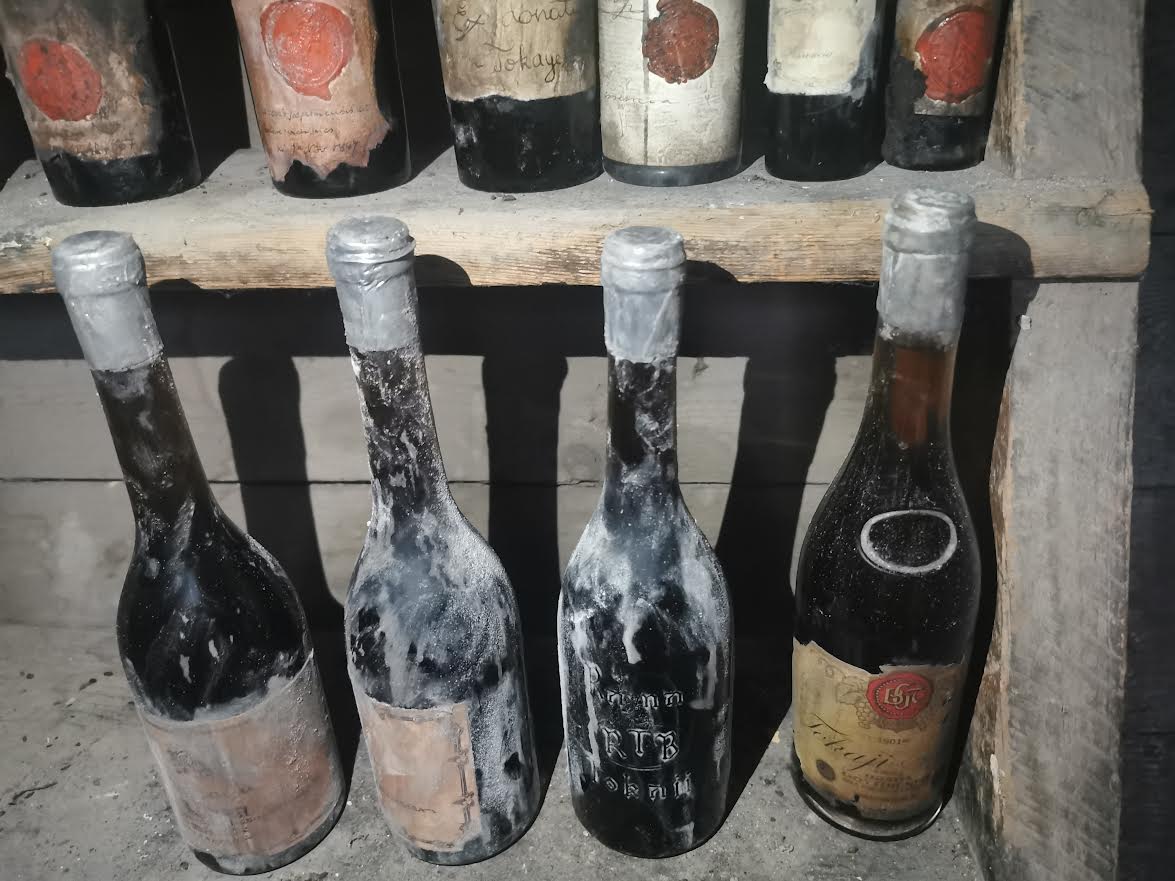
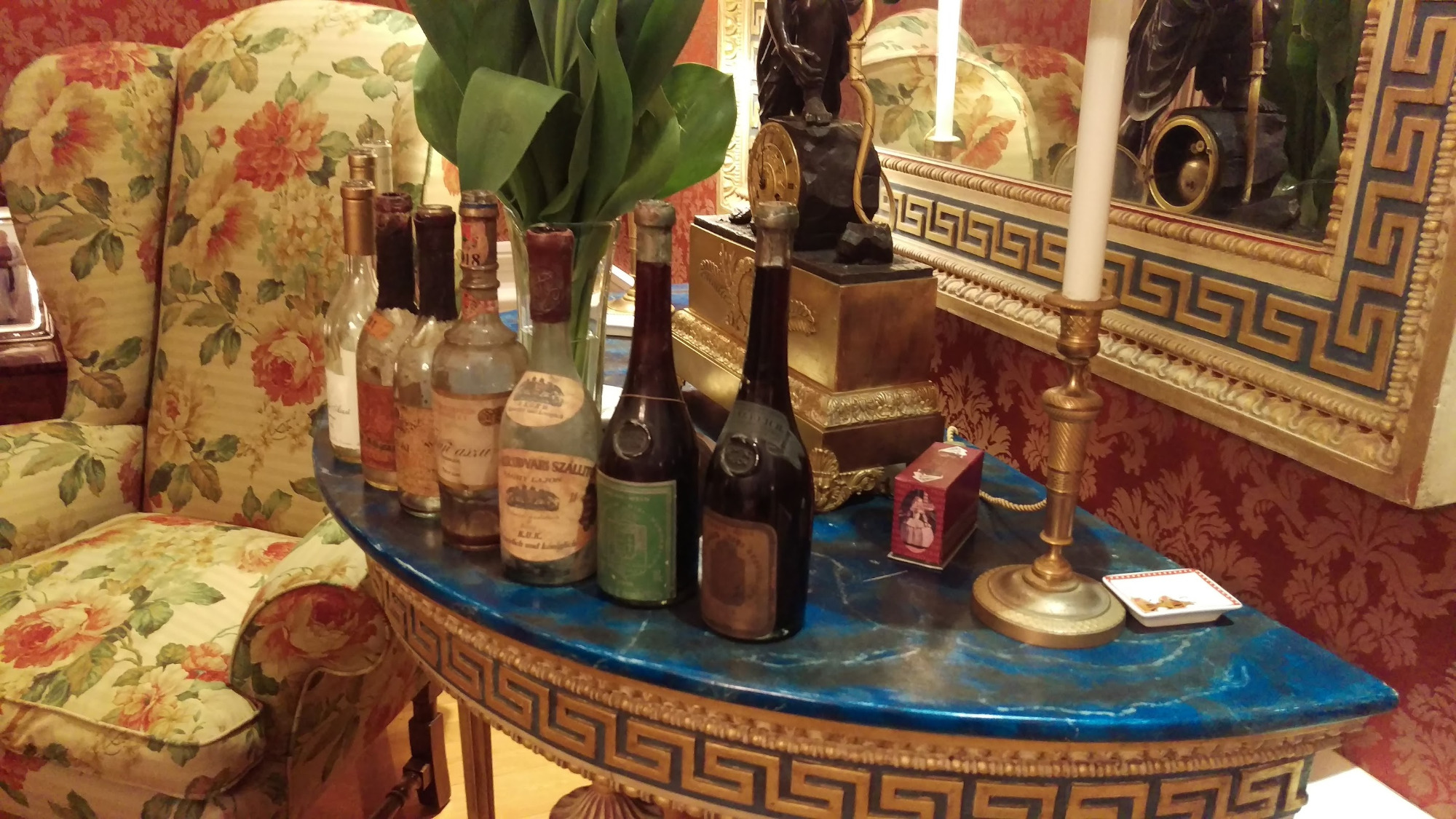
What a find looks like. Bottles as they are encountered, before anything is moved.
Cellar research
Any wine cellar, and even any basement, can potentially yield old Tokaji. The key part is locating the ones with a higher probability of success. For obvious reasons I cannot share the techniques I use, but if you own a potentially interesting property I can certainly help in judging the chances of finding old bottles.
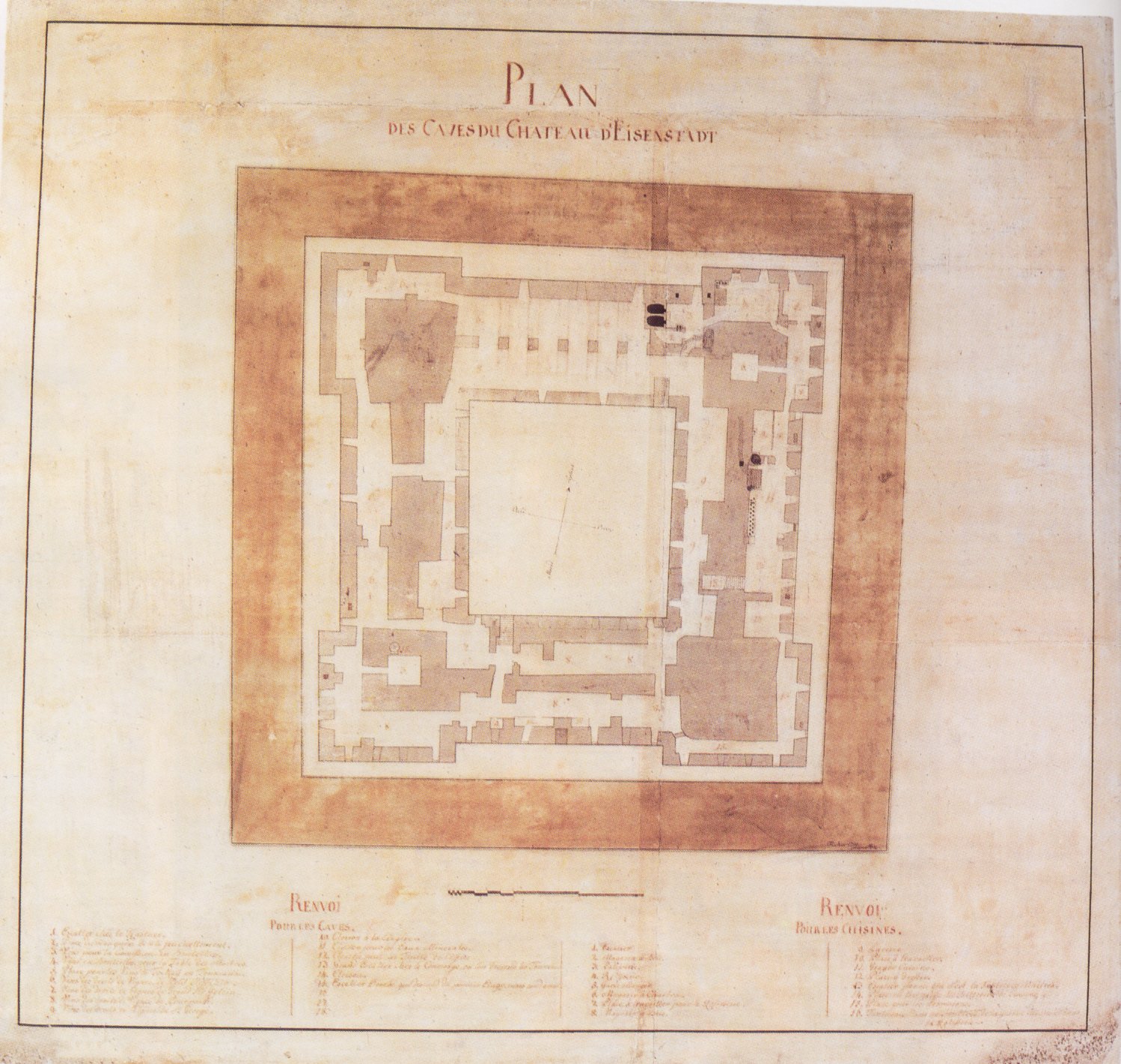
Because Tokaji production was far larger in the past, many cellars in the region are no longer used, or have been forgotten entirely, while others are only used in part. Complete and consistent information about cellars and owners is not easy to come by, and I expect that knowledge of the location, size, entrances and topology of hundreds of cellars has simply vanished over the centuries. It is not uncommon for formerly unknown cellars or cellar sections to be discovered by accident, when existing cellars are surveyed, extended or repaired — or during ordinary construction work in the wine region.
For an introduction to the cellar world of Tokaj I recommend István Müller’s book Tokaj-Hegyalja alulnézetben (in Hungarian).
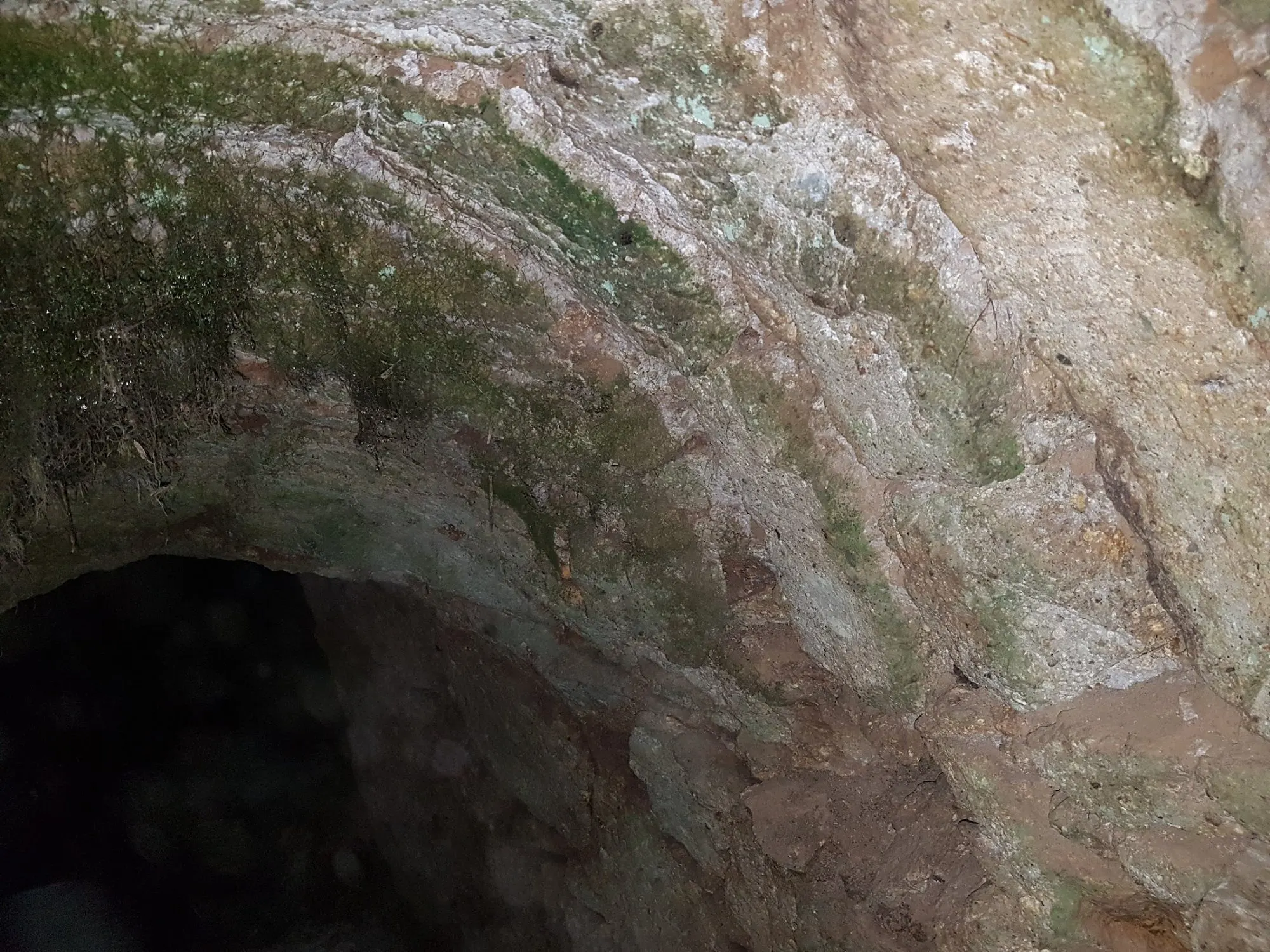
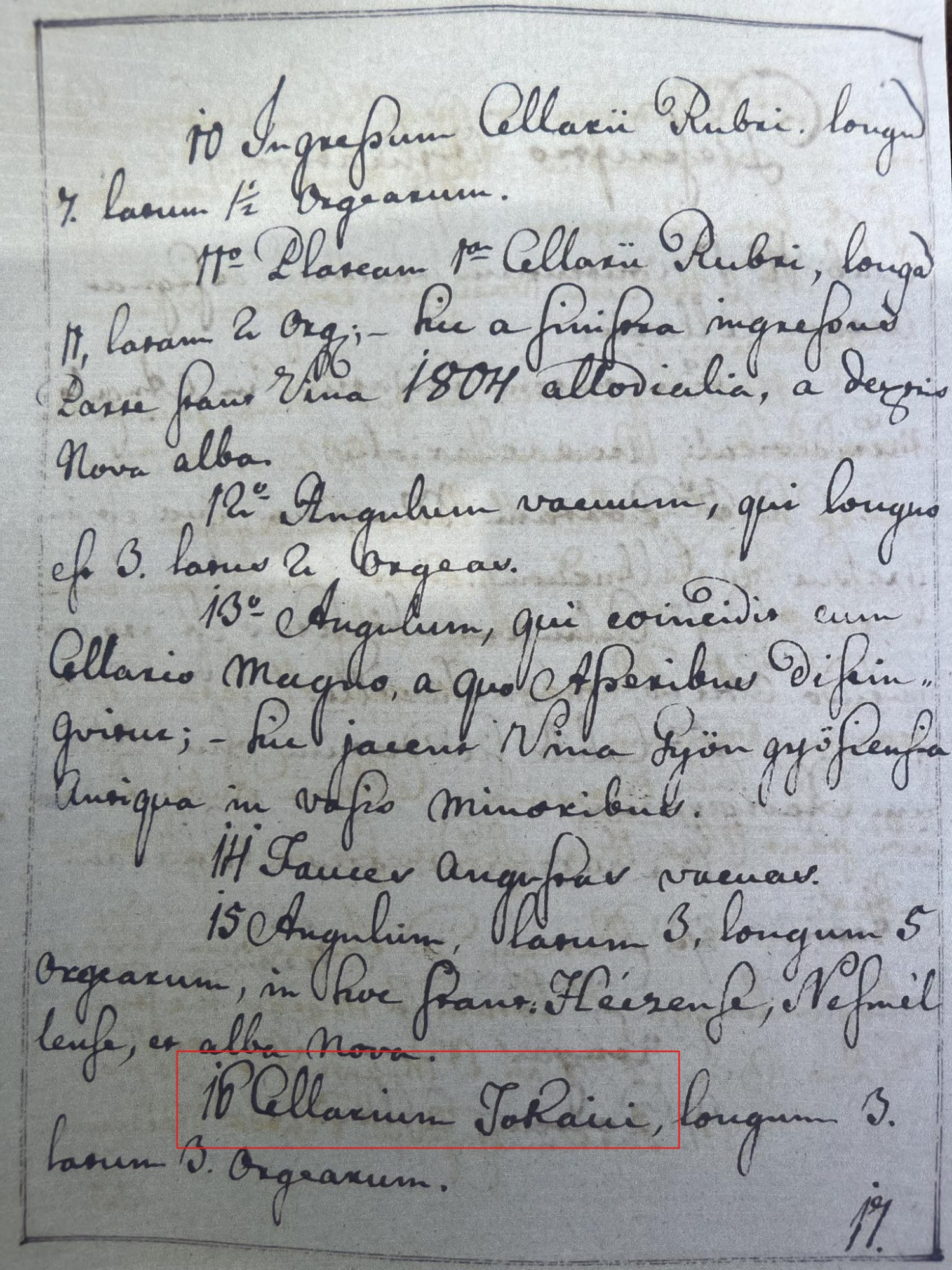
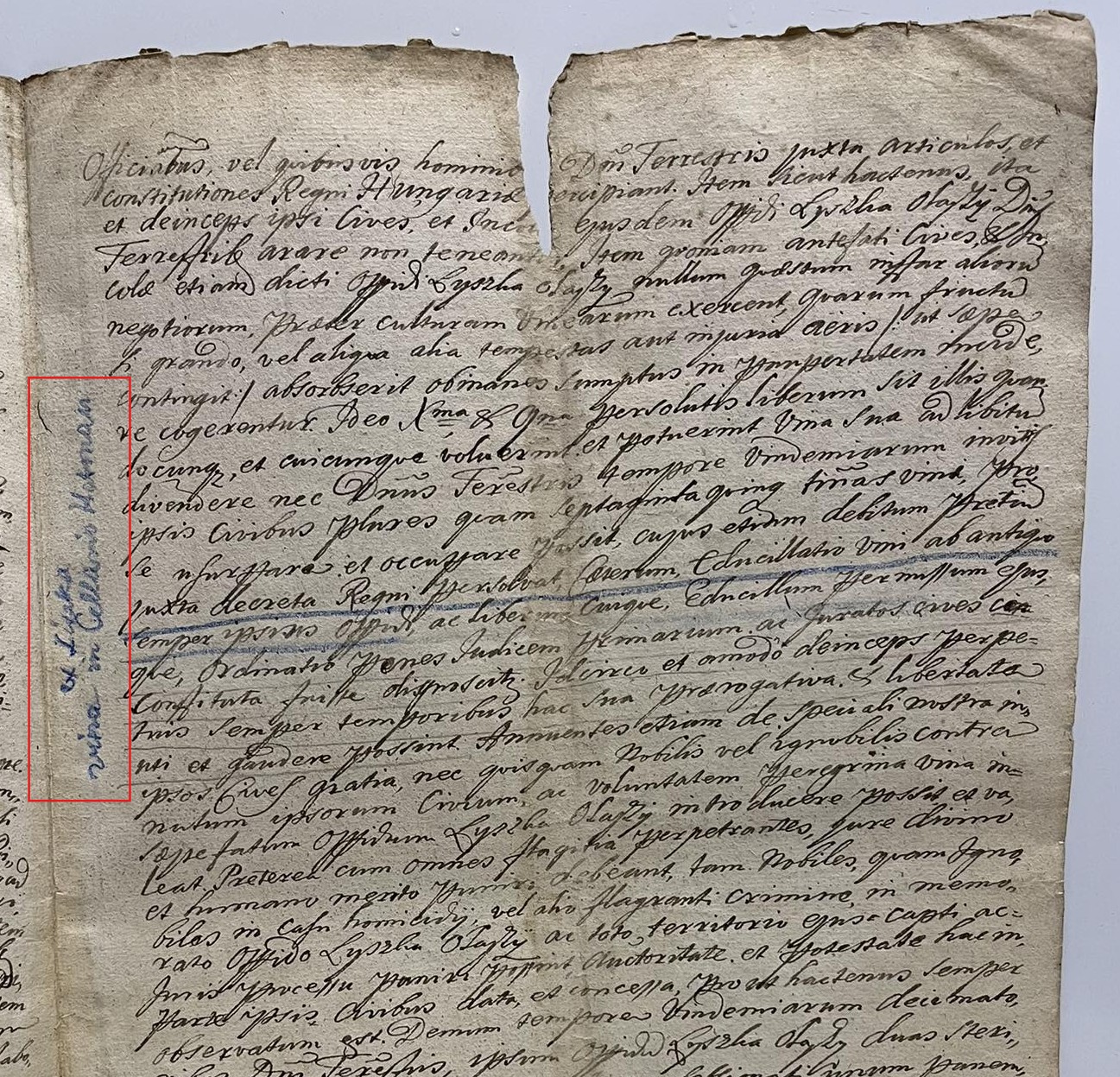
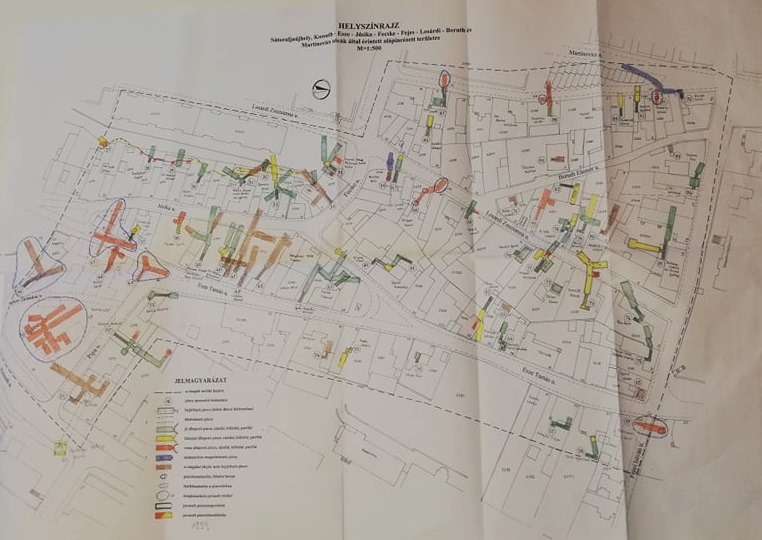
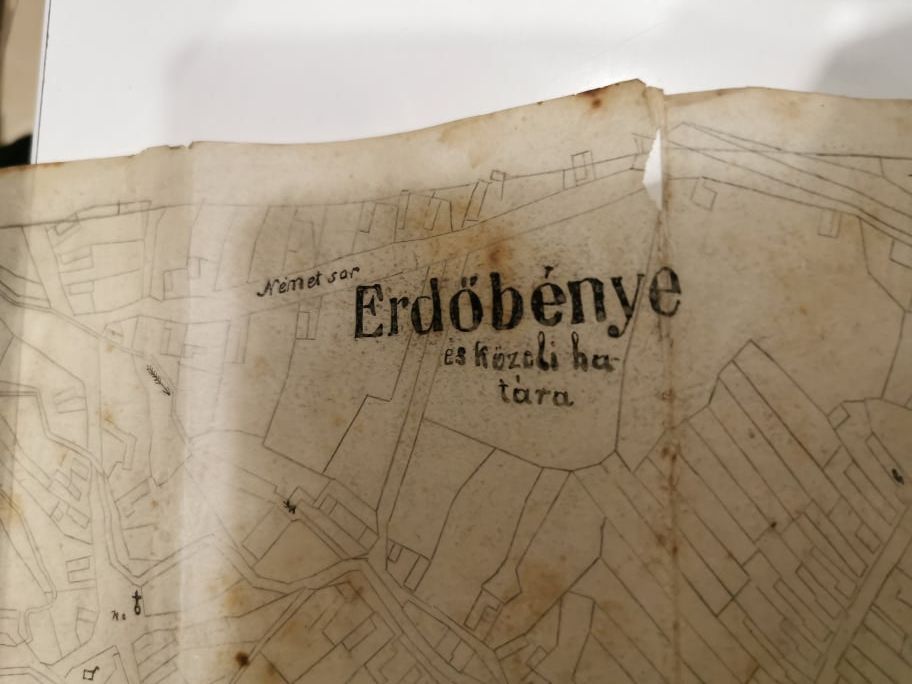
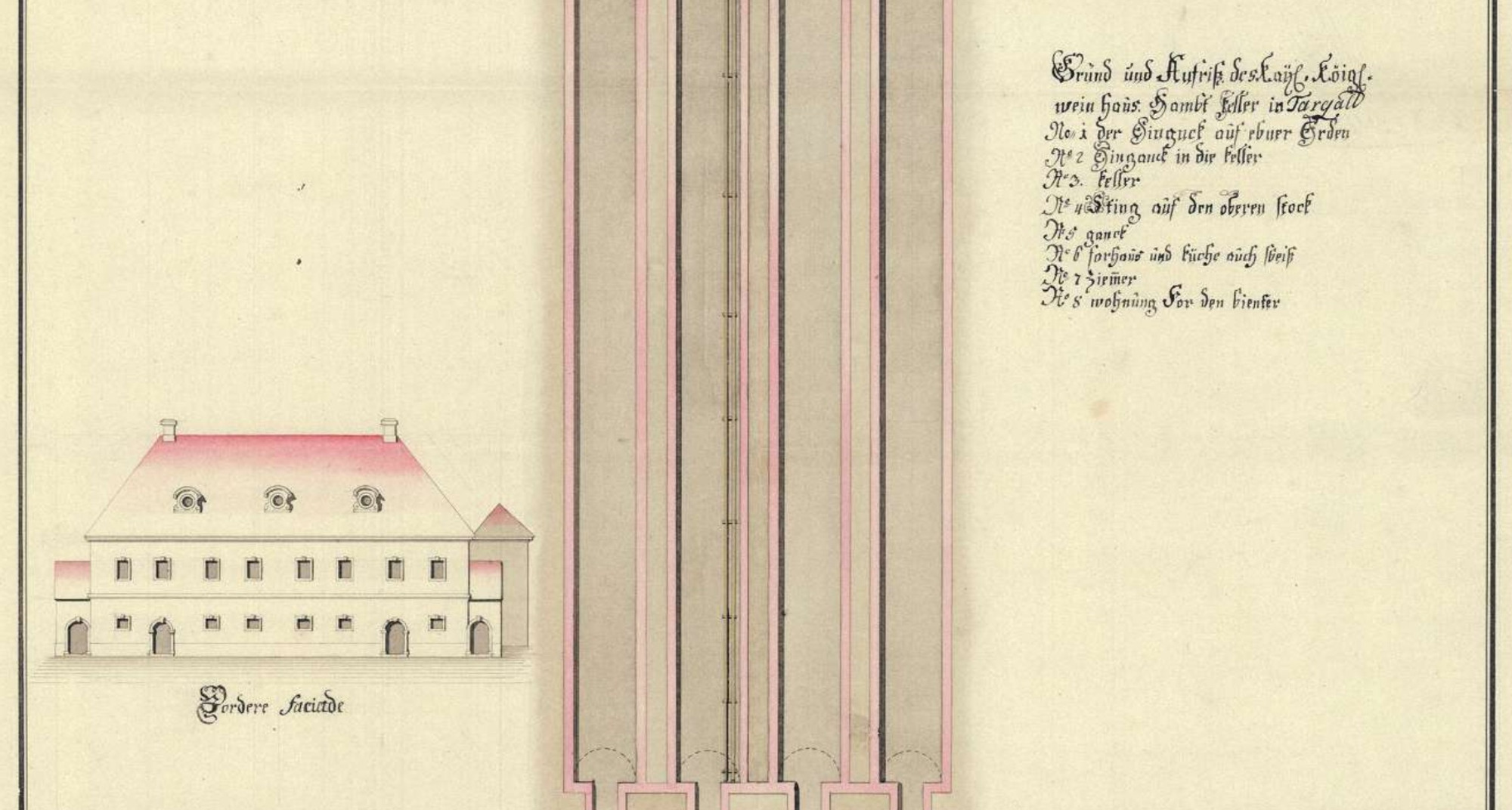
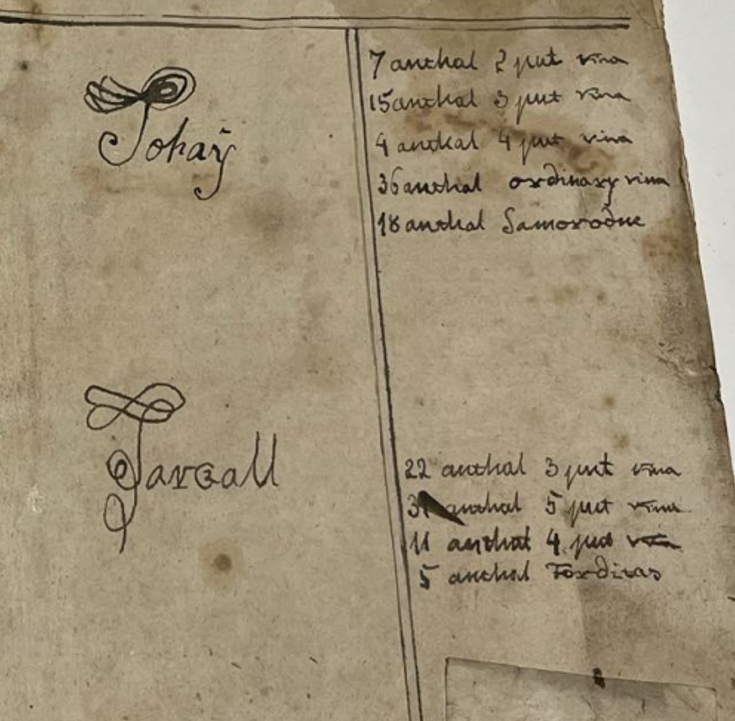
Left: an 1807 document describing a larger cellar, of which section 16 was used to store Tokaji wine. Centre: a document of 1596 suggesting that Tokaji from Olaszliszka was stored in the Hetman Cellar, the legendary Polish cellar that later became part of the Fukier cellar. Right: an example of cellar locations and their topology in the wine region.
Impressions from cellar expeditions
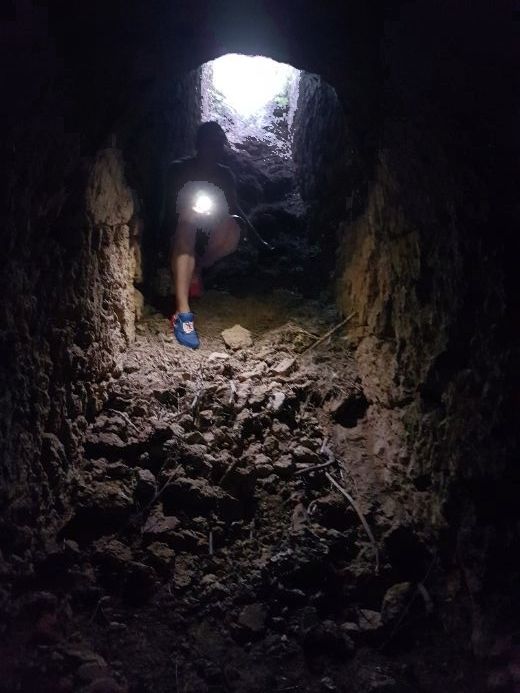
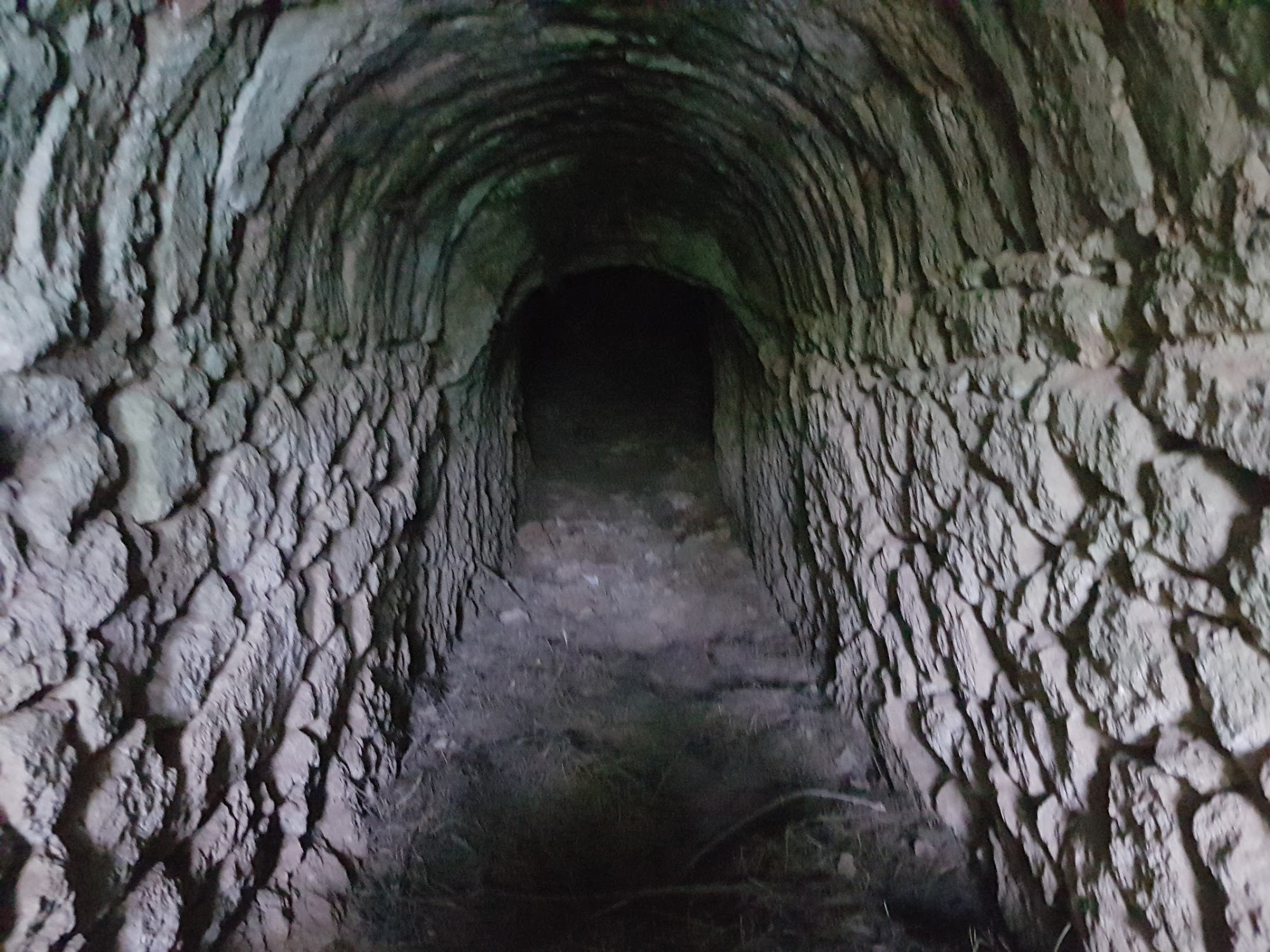
Images from my own expeditions, most of which yield no old bottles at all. I am also informed regularly about expeditions by others interested in old Tokaji, and I am often brought in as field expert when old bottles or related artefacts are discovered.
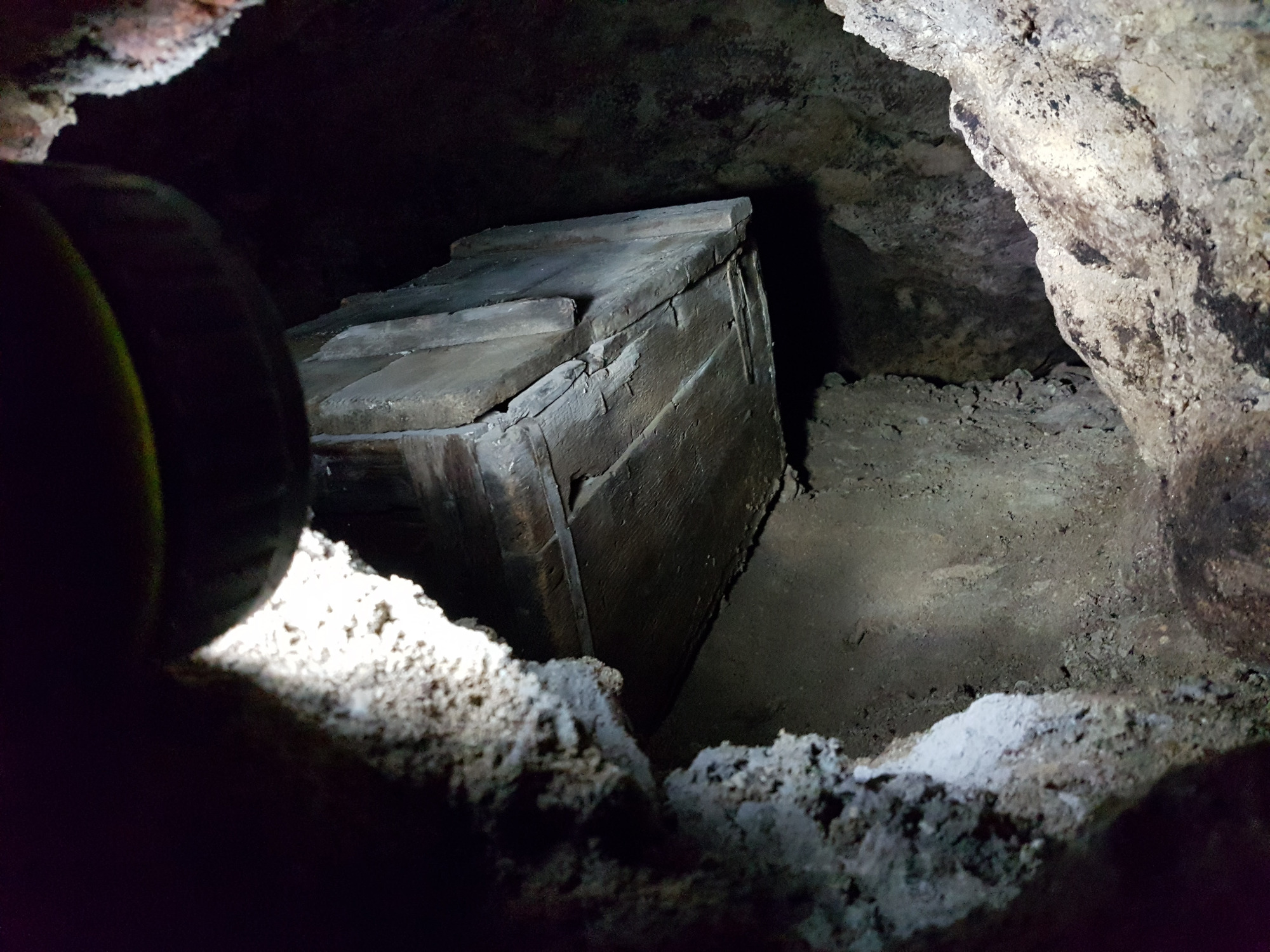
Field work. Ground-penetrating radar, walled-in sections, collapsed passages.
Service 02
Research
Researching old Tokaji bottles matters not only for examination but for understanding their origin and their journey. Each bottle is a unique piece of history, a time capsule often full of surprising facts. Different scientific methods are used to verify, explore and understand them — and to complete what is known about the cultural history of the Tokaj UNESCO World Heritage of which these bottles are an integral part.
The work spans several fields, and I am grateful for the help of field experts and of a handful of co-researchers dedicated to very old Tokaji. This page presents the most important methods, not all of them. For obvious reasons — detecting fraud, and deterring attempts at it — I cannot share most of the analytical detail. Can I prove that every bottle on this site is 100% authentic? Of course not. I present only bottles that can be verified to a level I consider sufficiently plausible. My estimate is that the error rate in my attributions is below 15%, at least on the experience of twenty-odd years, and I am convinced most of the bottles shown here will stand the test of time as methods advance. Bottles without sufficient evidence, or with contradictory or unclear results, are not featured. As research progresses I add, correct and, where necessary, delete information — or whole bottles.
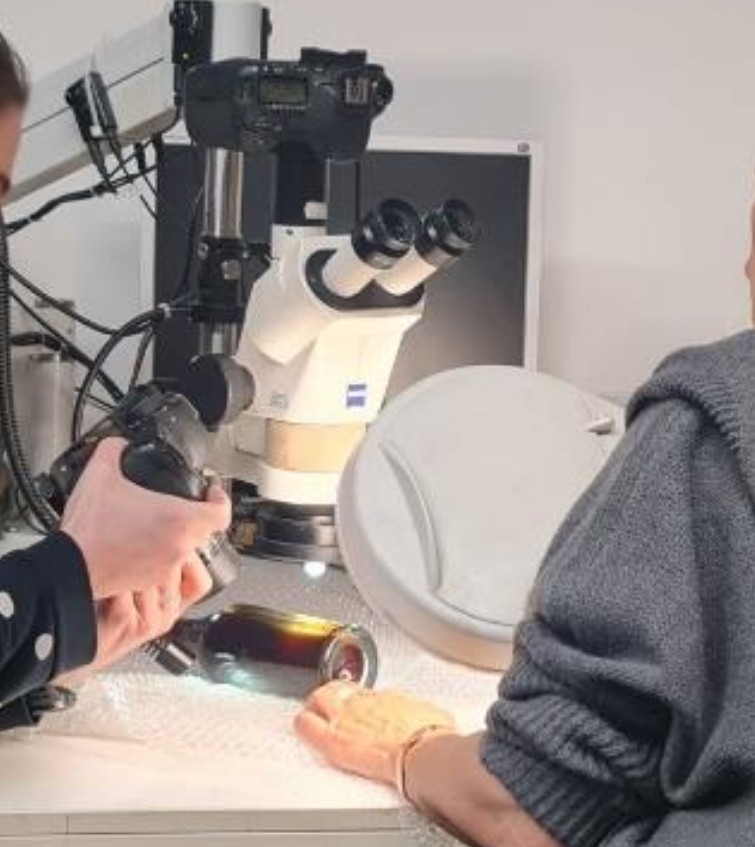
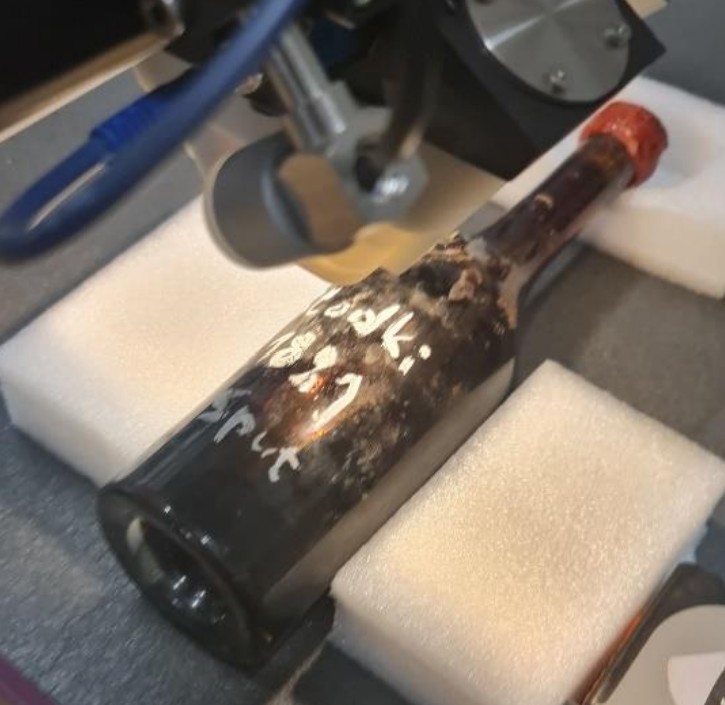
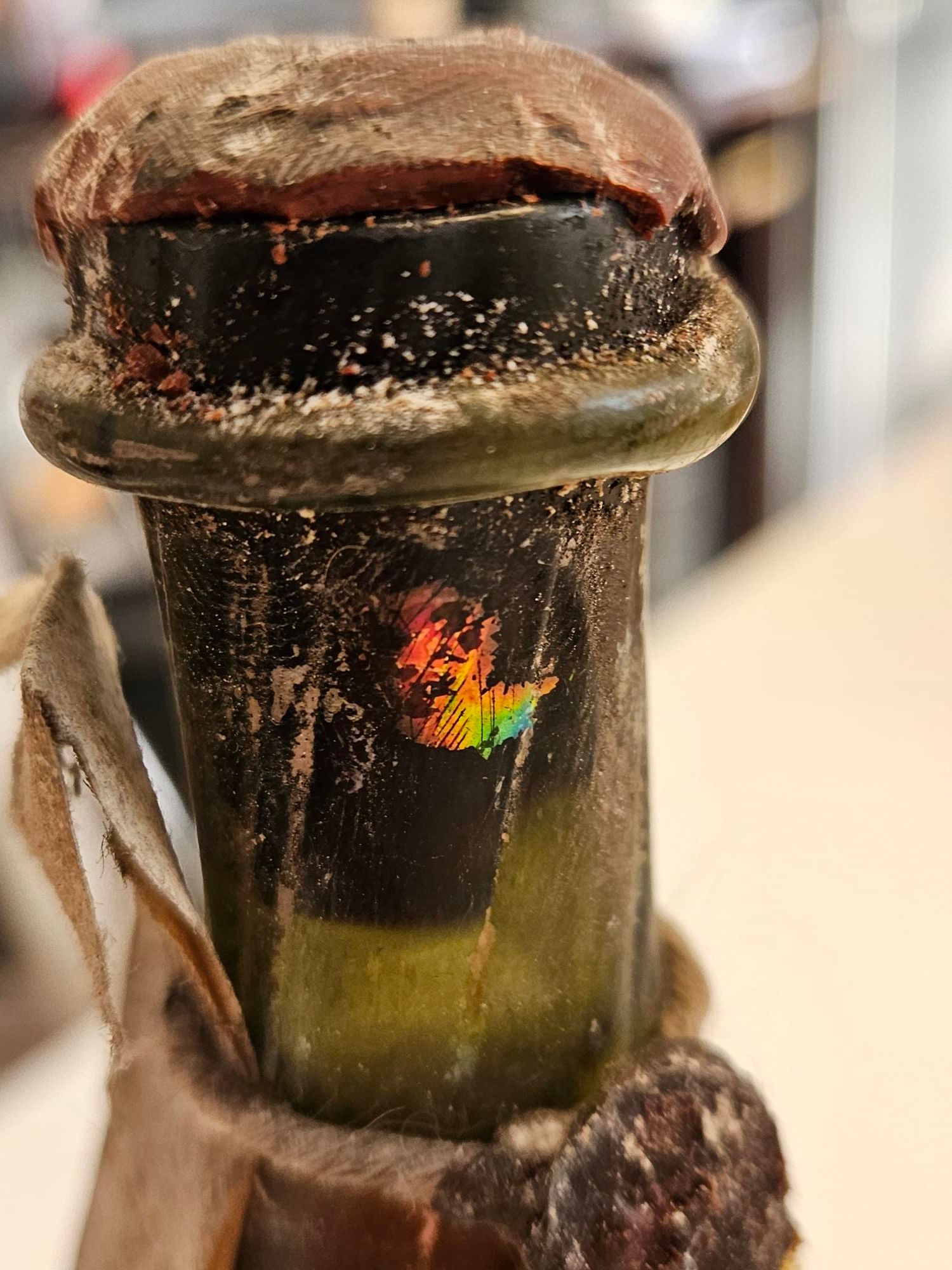
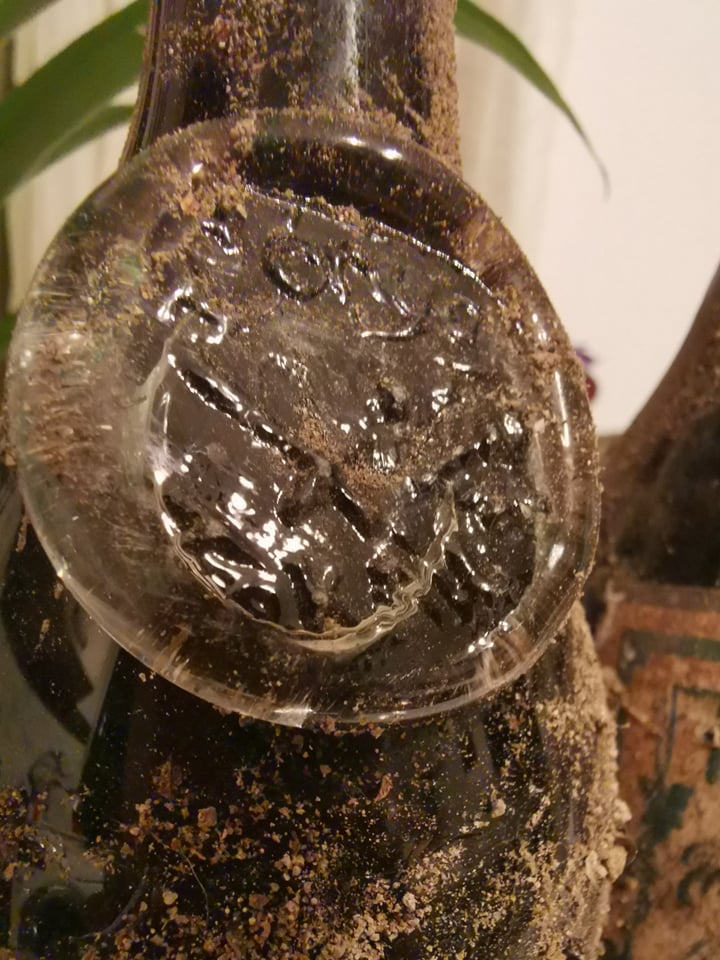
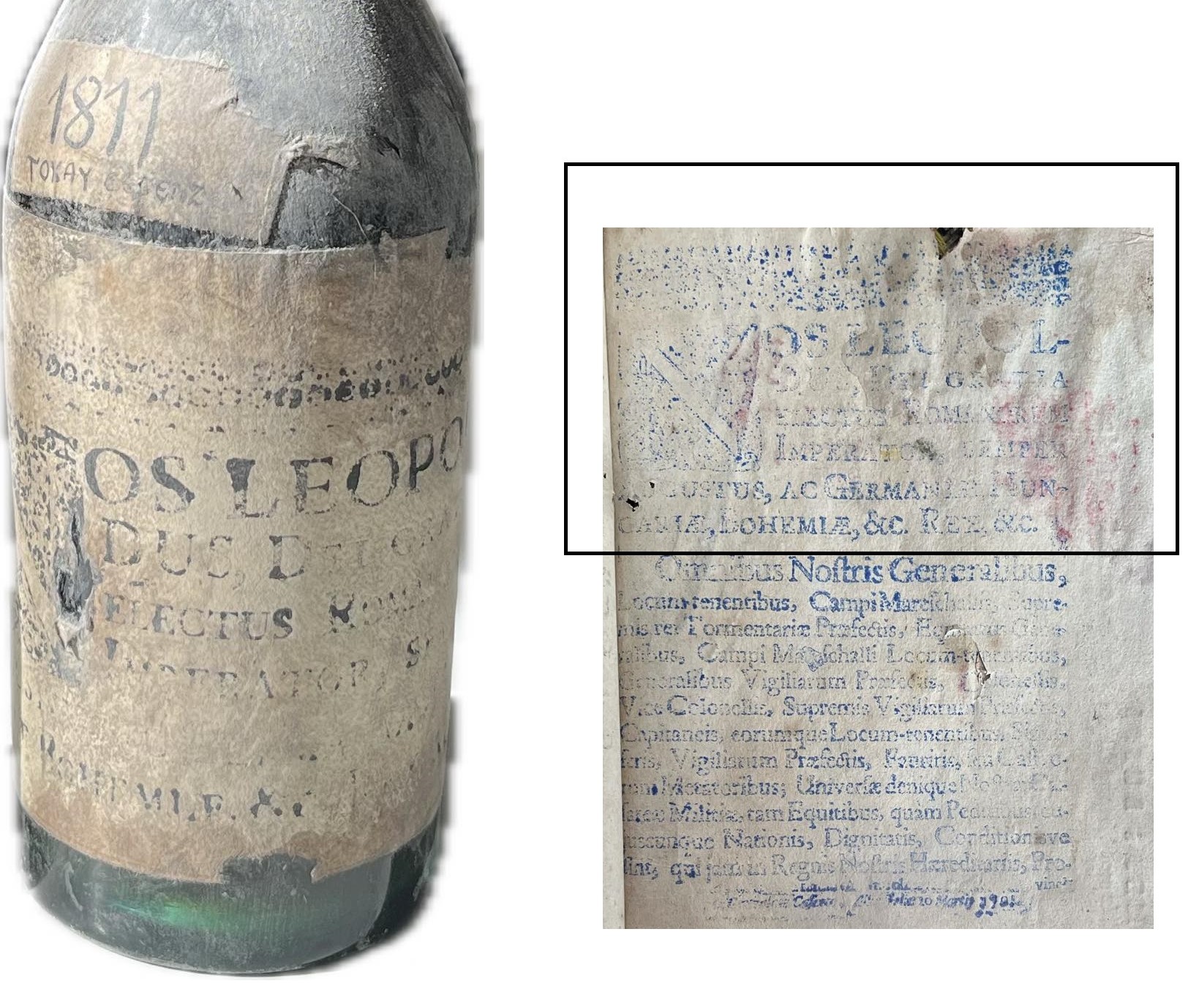
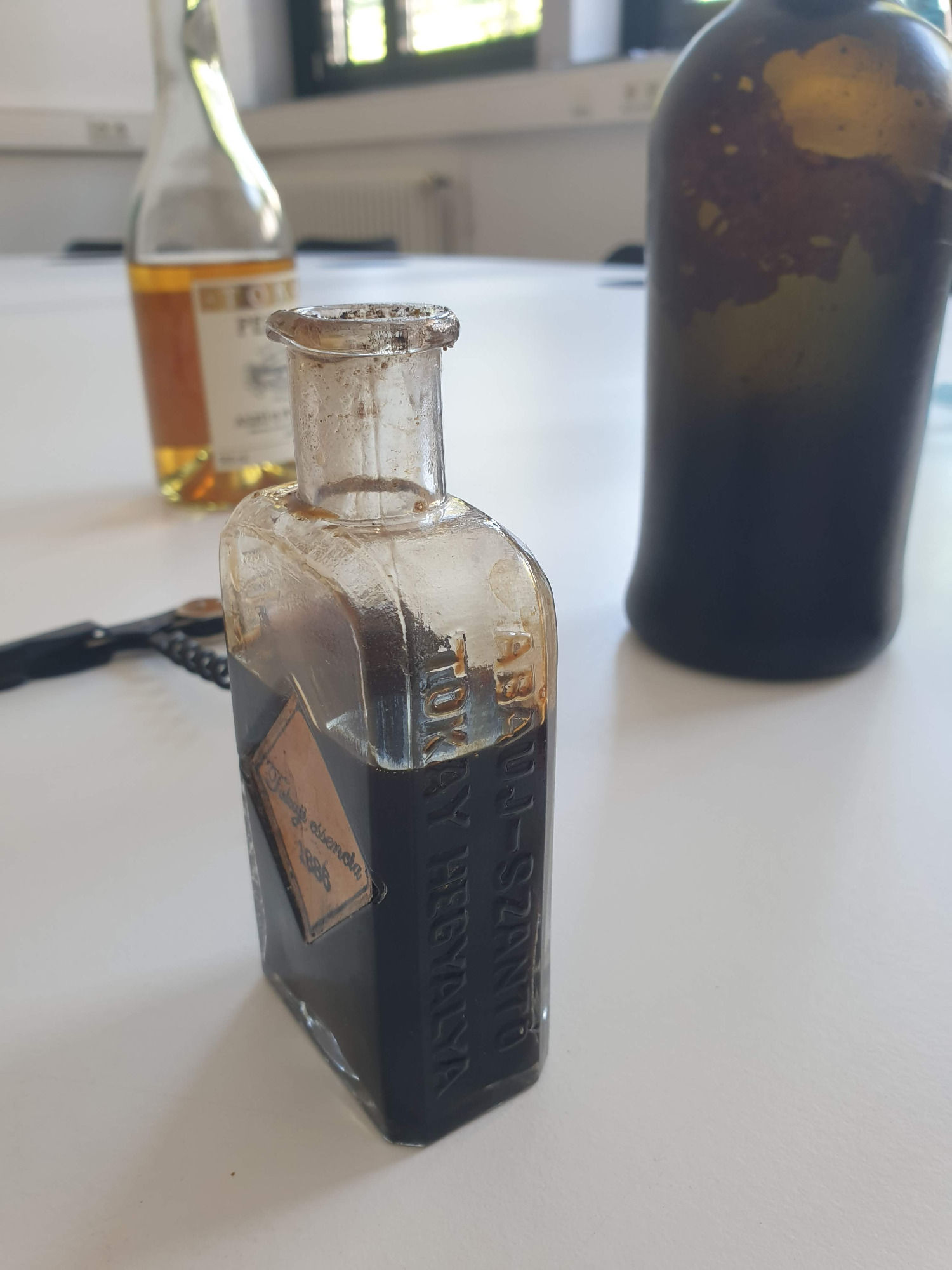
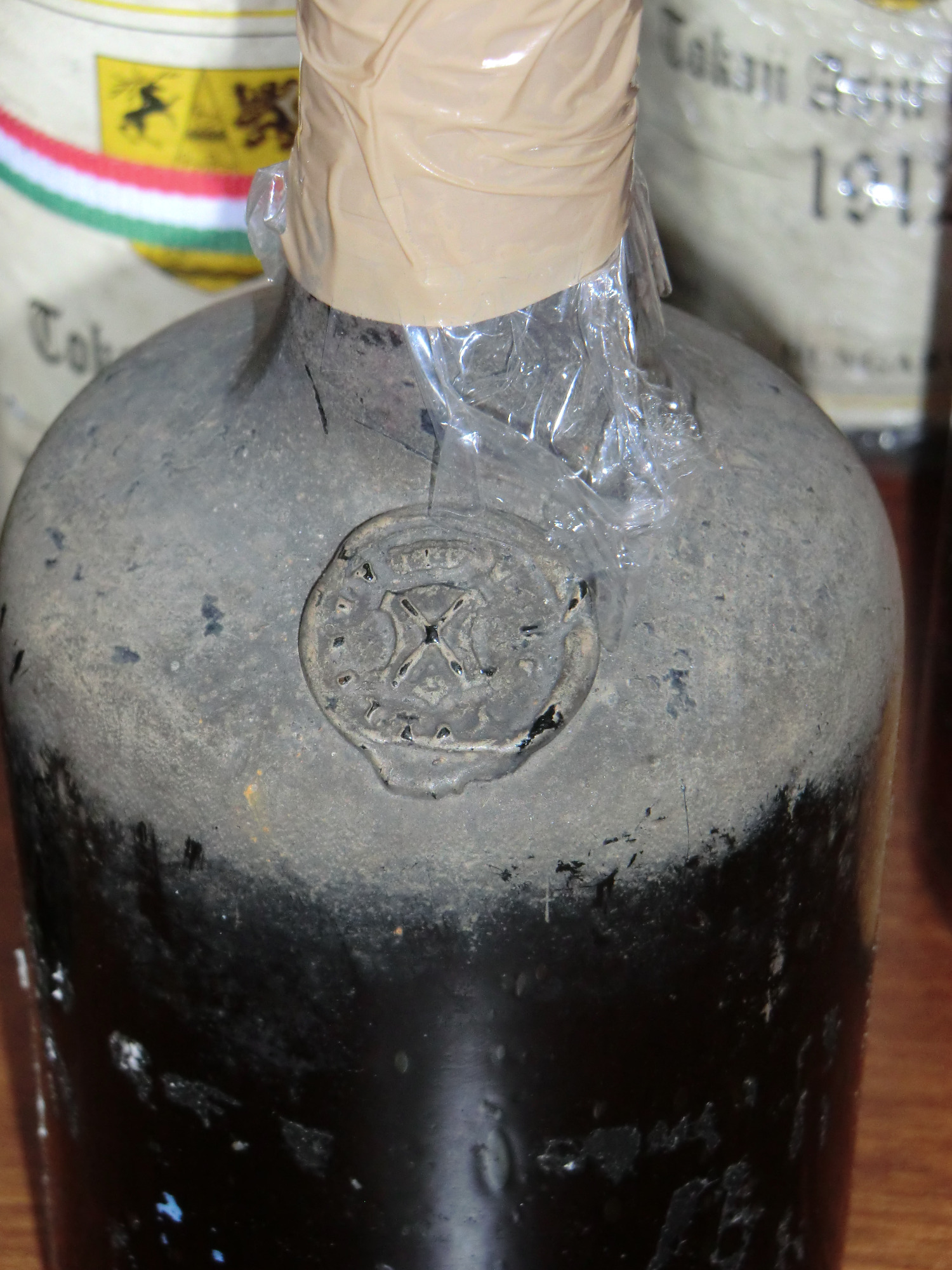
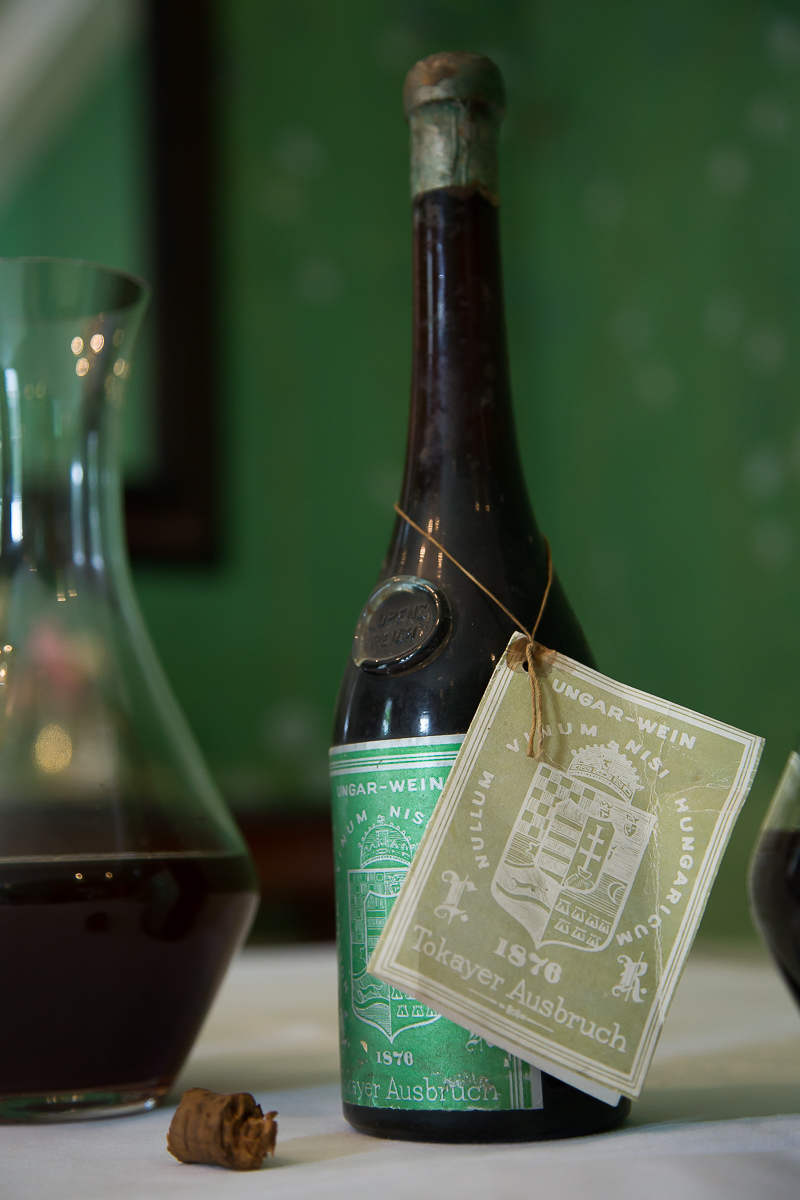
Method, applied. Glass, cork, capsule, seal and label, each examined on its own terms before the results are read together.
Archive research
Considerable time is spent in public and private archives, looking for information related to:
cellar locations
wine estate details and vineyards
ownership questions
bottle details
economics — prices, contracts, export activity
legal proceedings
auction results
correspondence
validation of facts
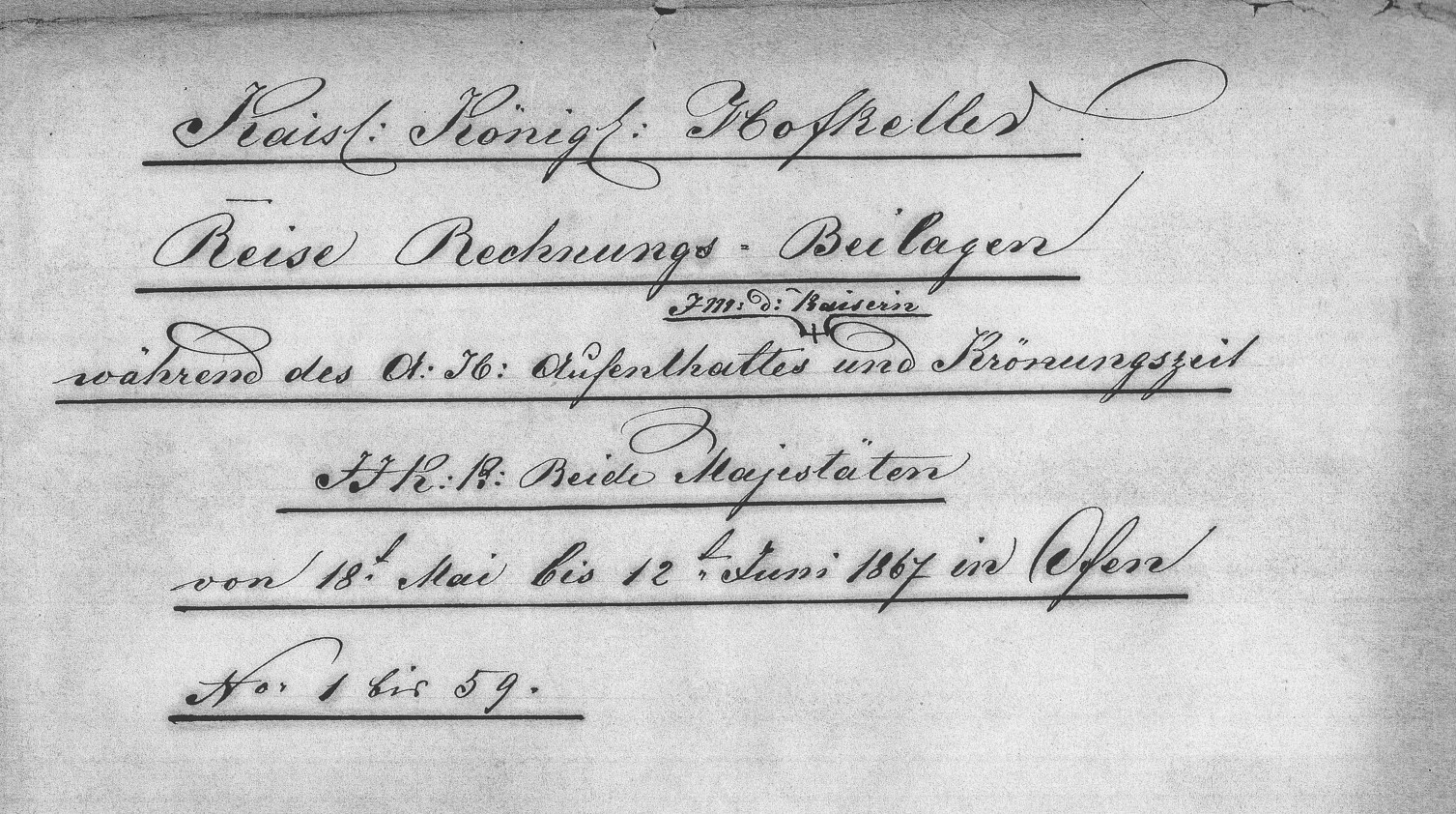
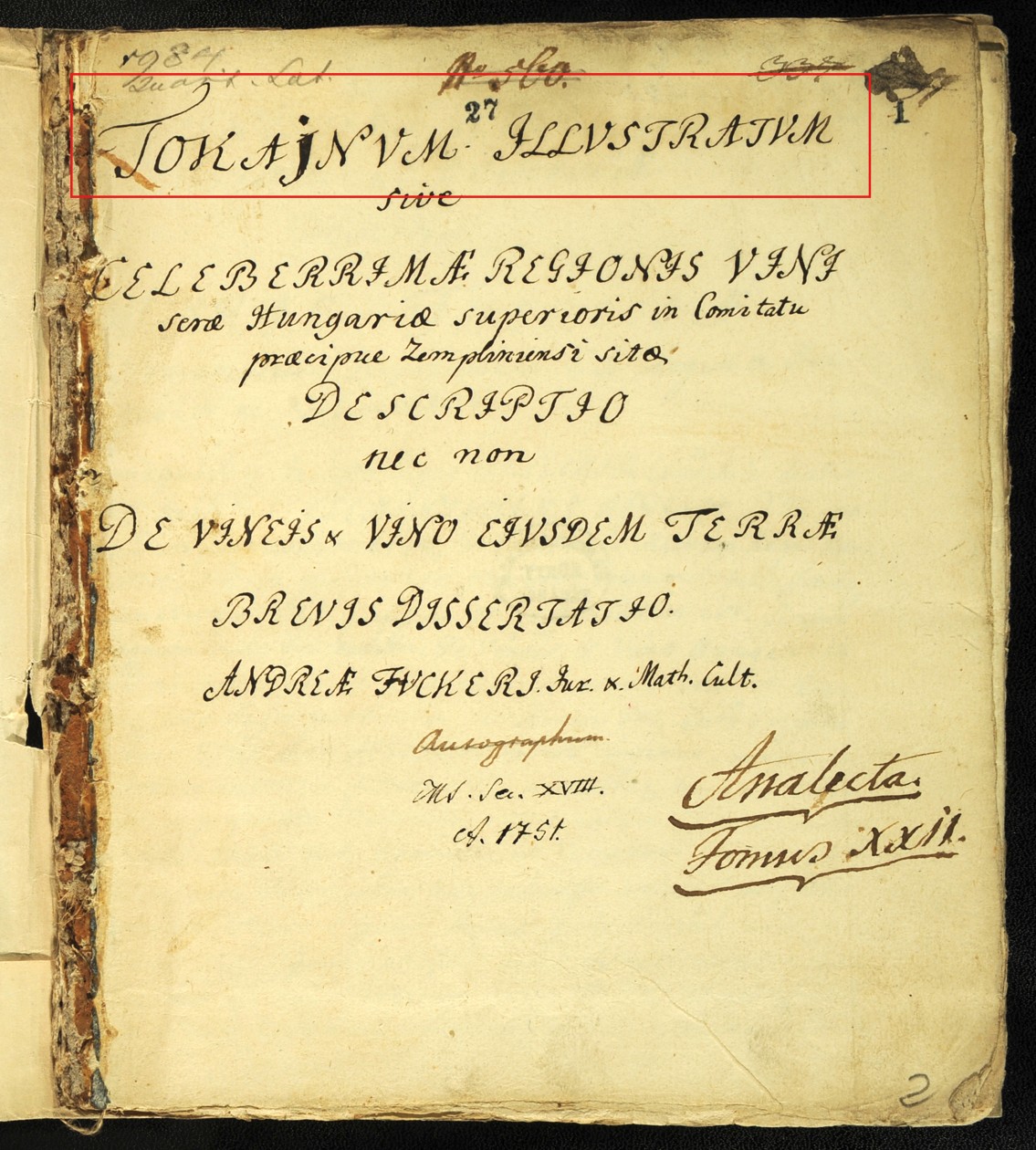
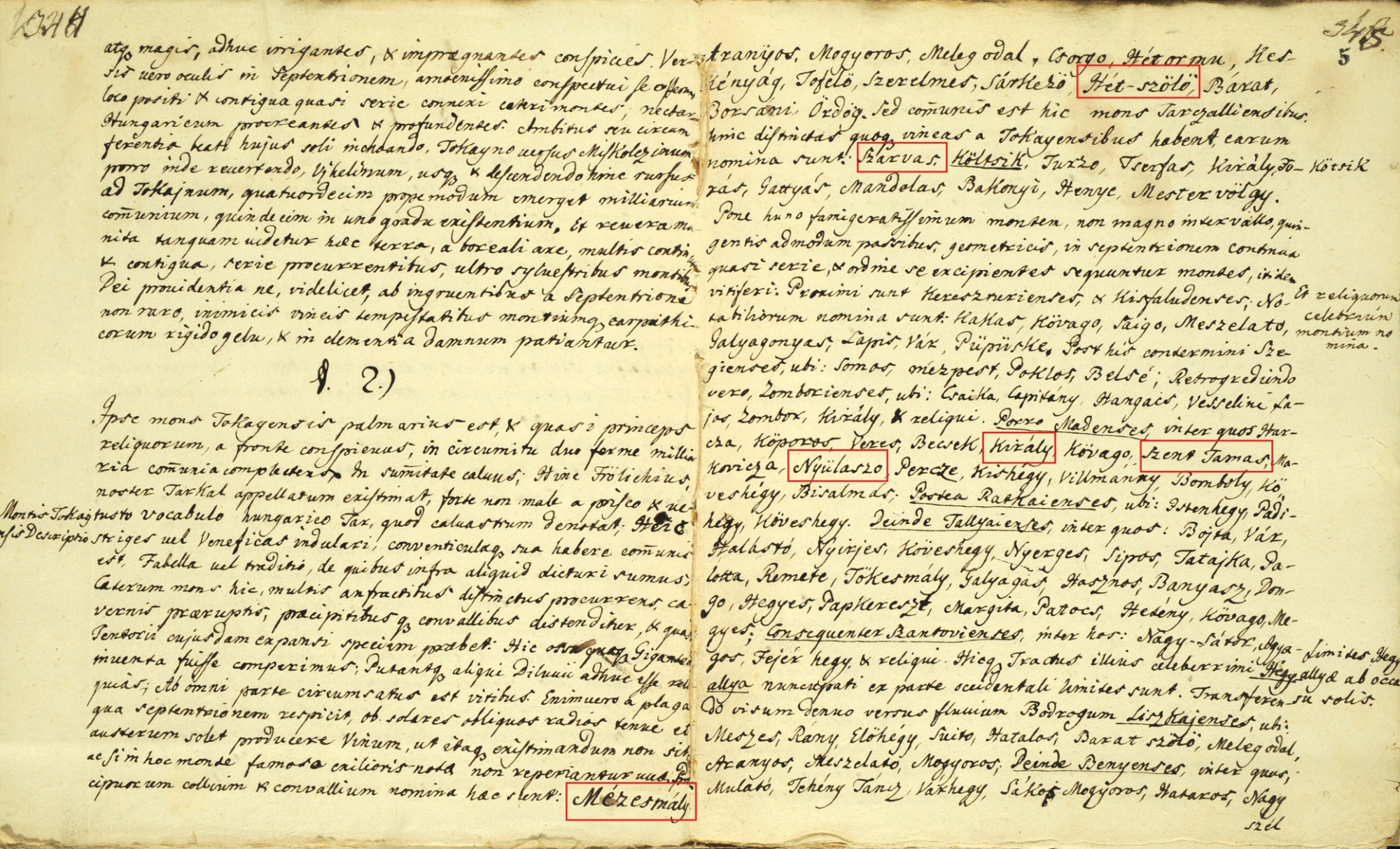
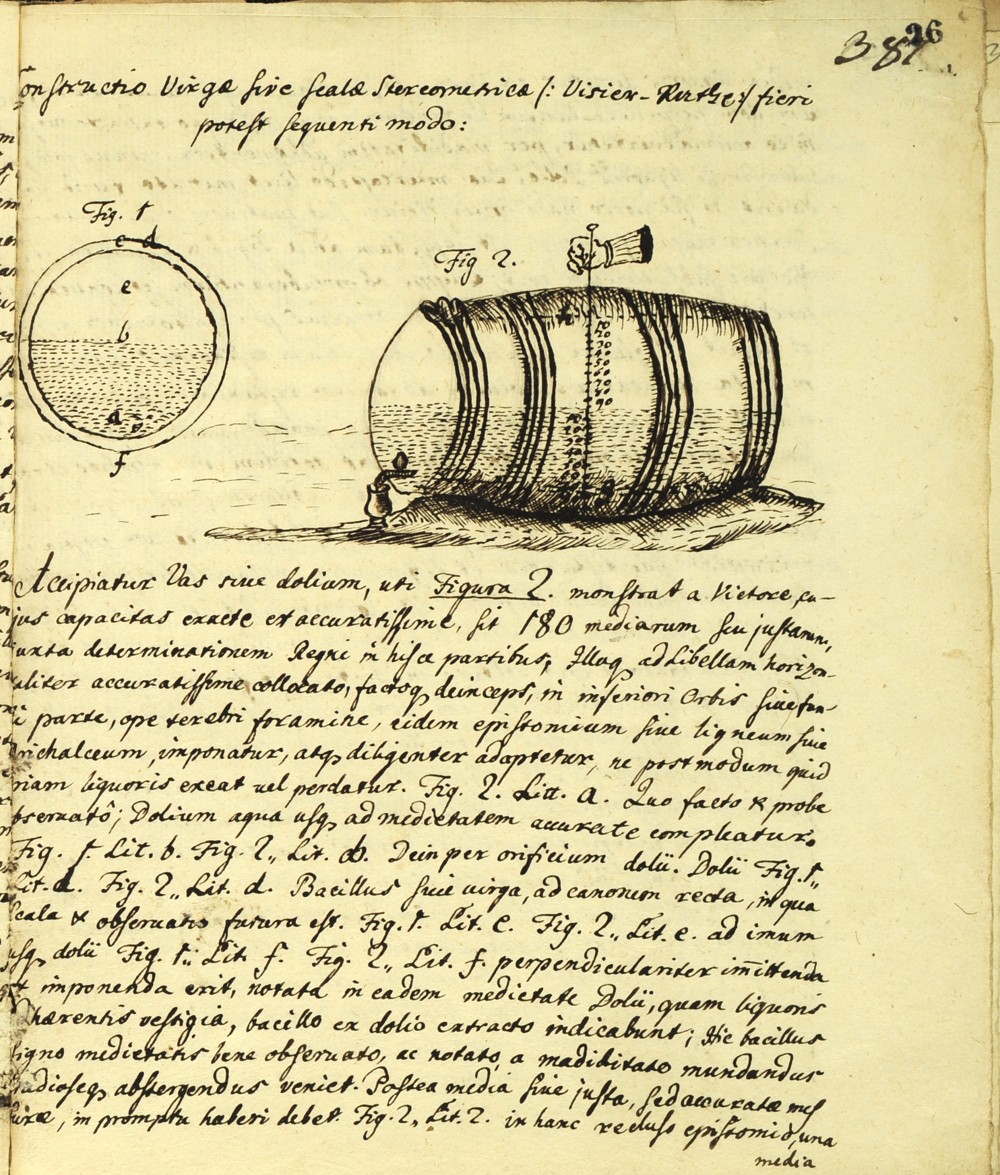
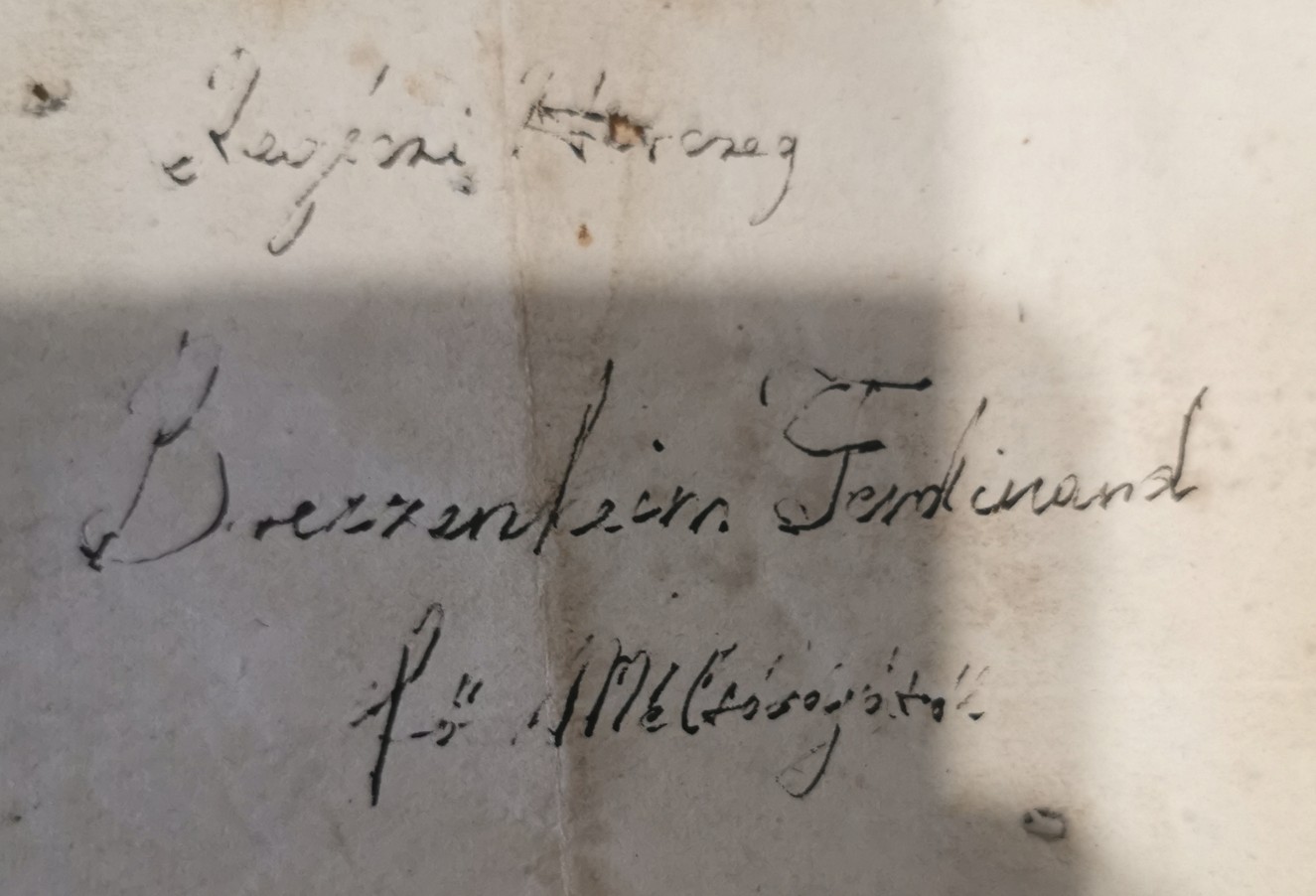
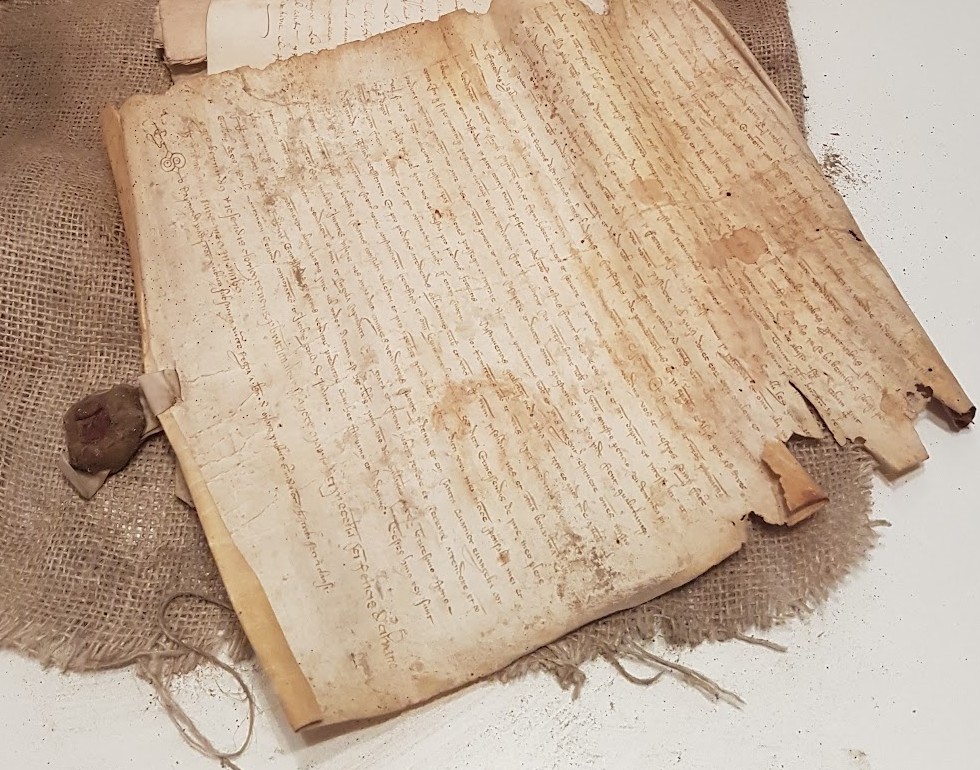
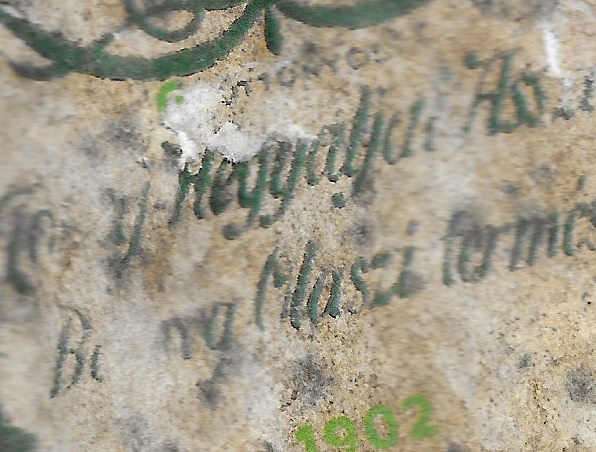
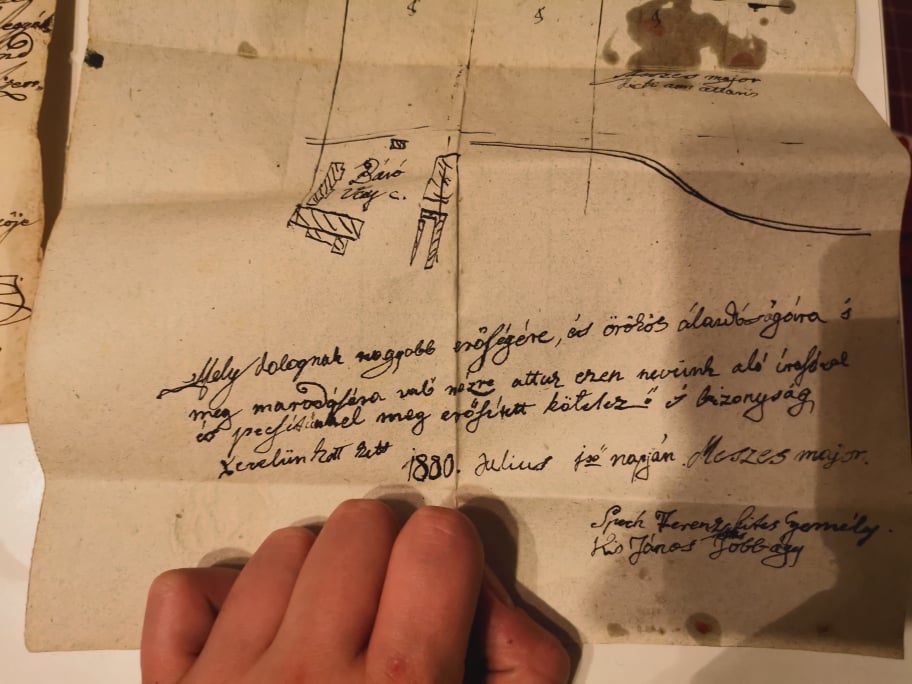
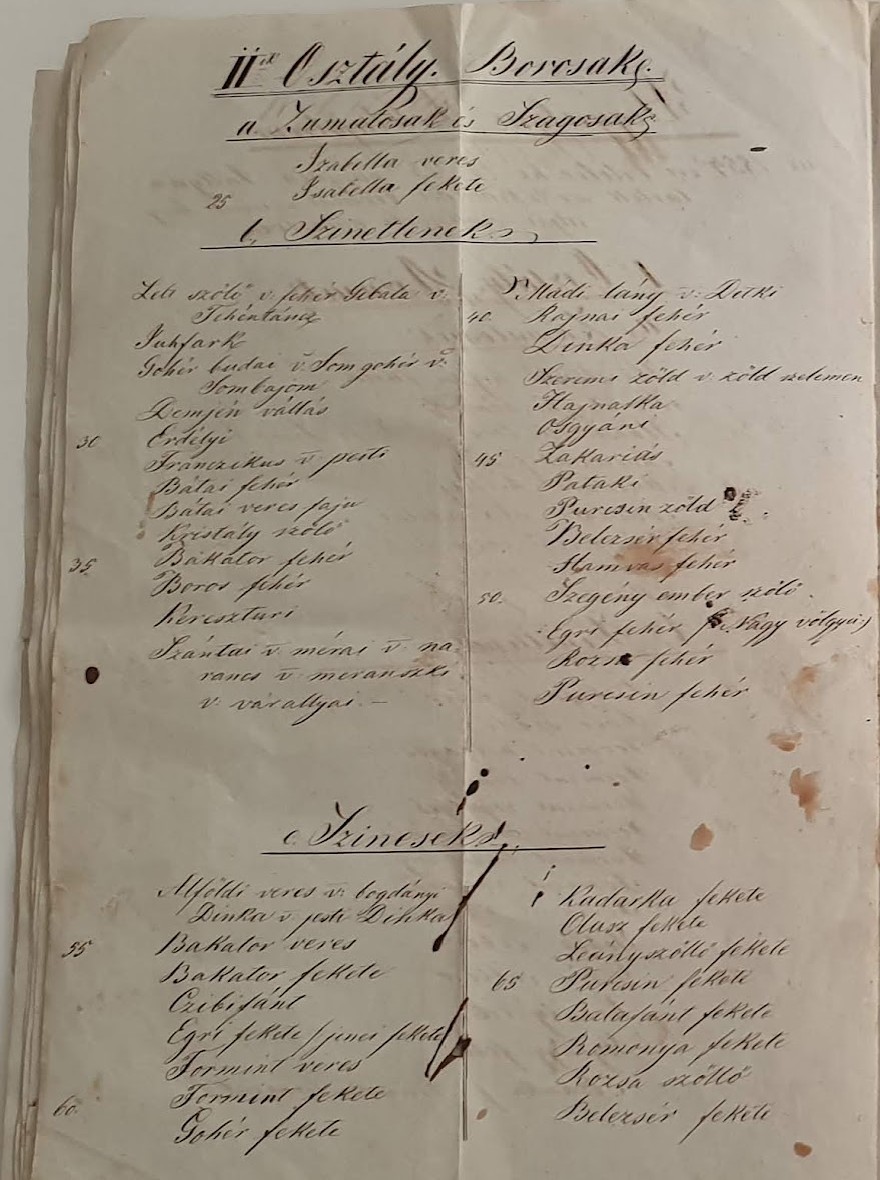
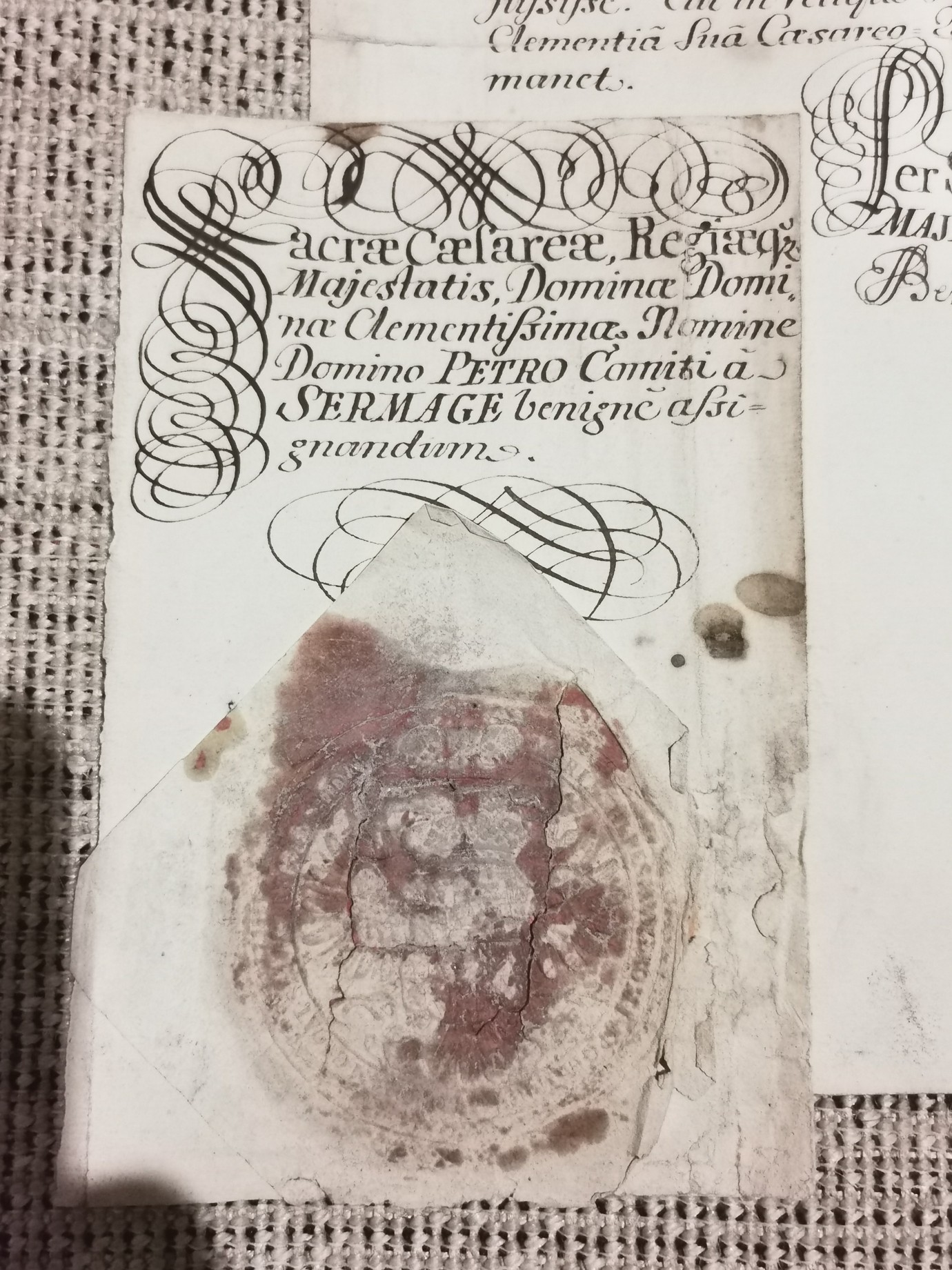
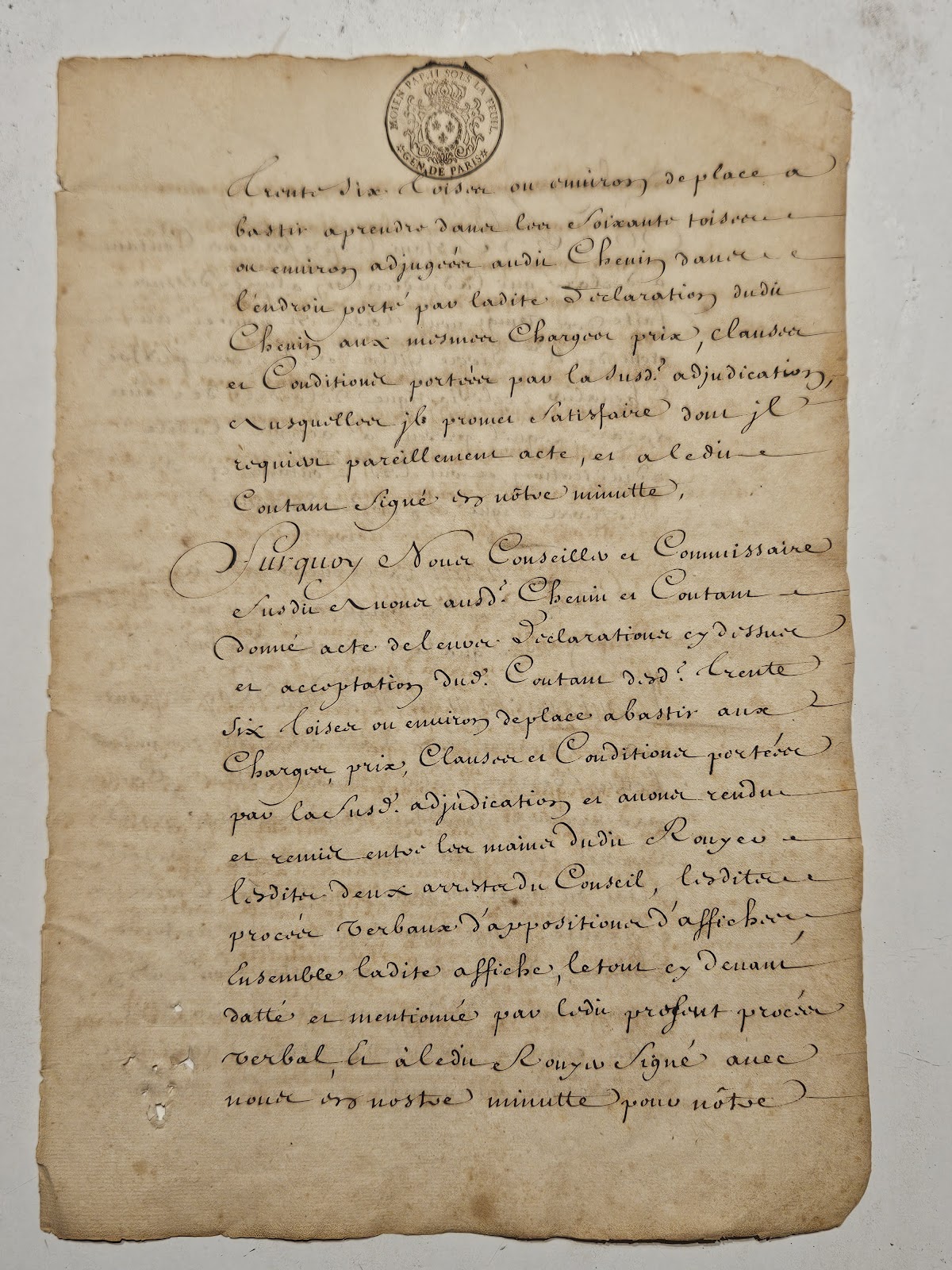
Paper first. A selection from the archive files behind the bottles on this site.
Bottle examination
The foundation and cornerstone of any statement I can make about an old Tokaji bottle. It is resource-consuming but necessary, and it includes:
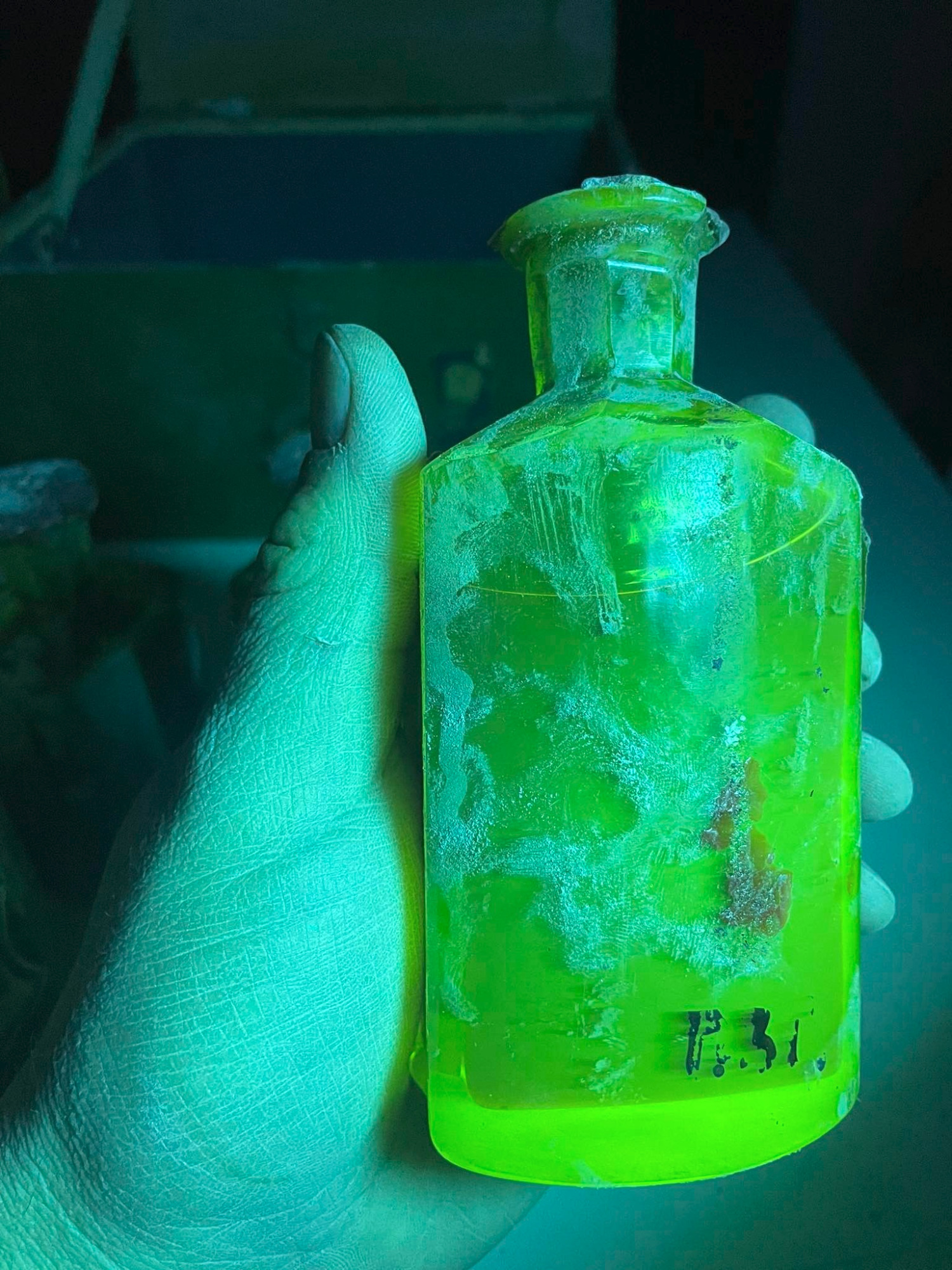
analysis of bottle shape, size, production method and material, often involving glass experts
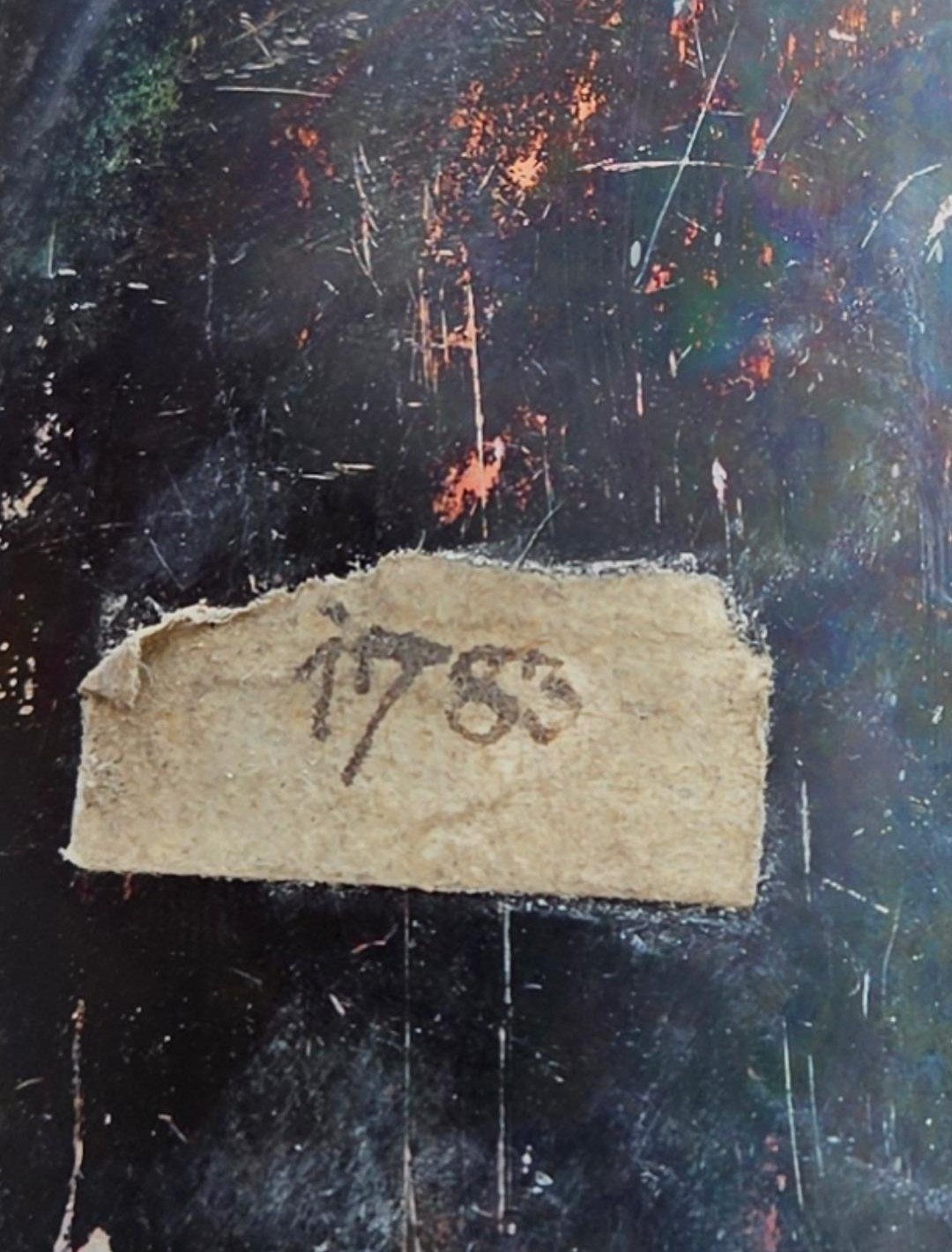
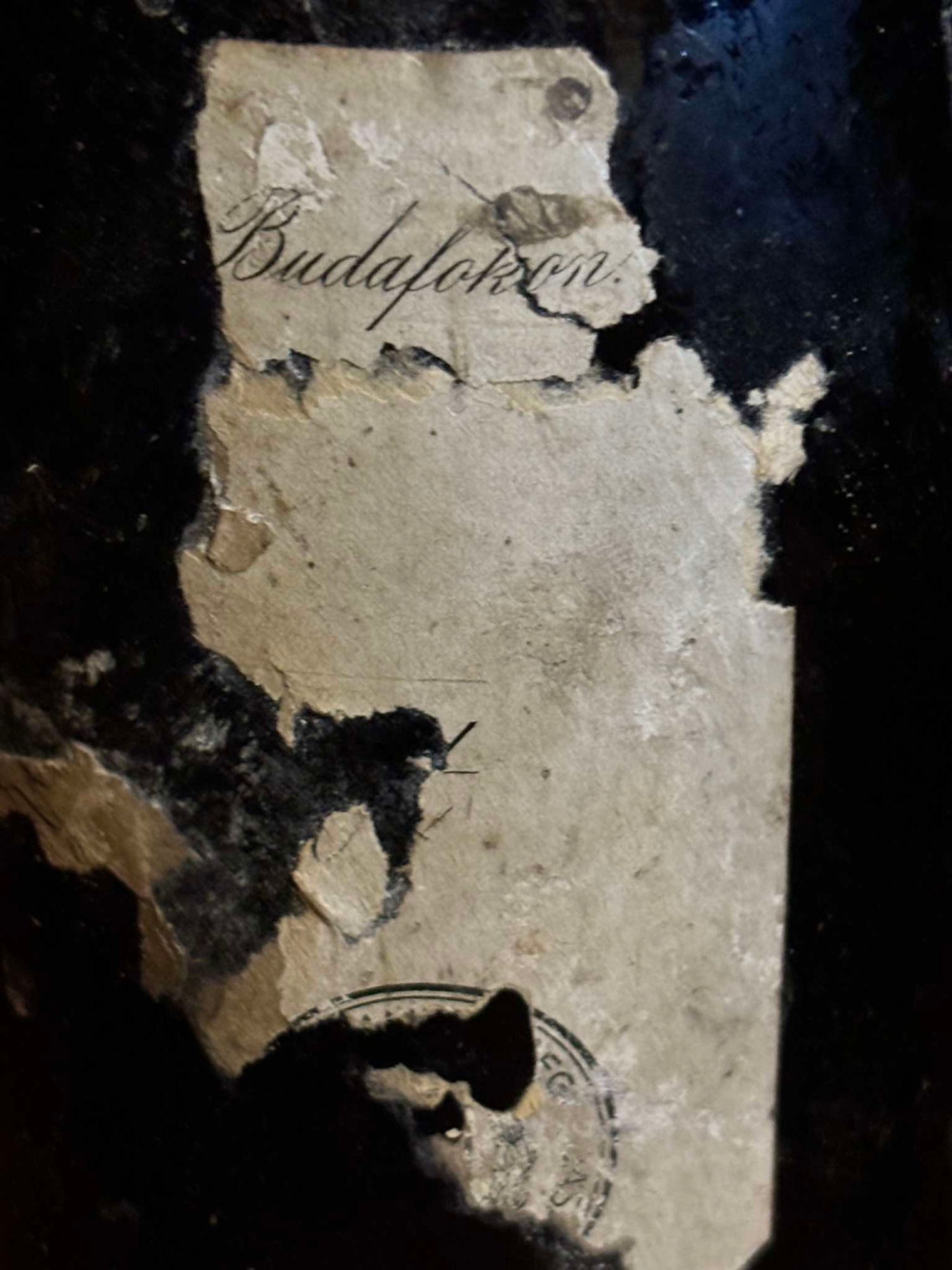
analysis of labels, ink, cork, capsule, seals and applications such as coins and papers
consistency and plausibility checks against a database of verified bottles
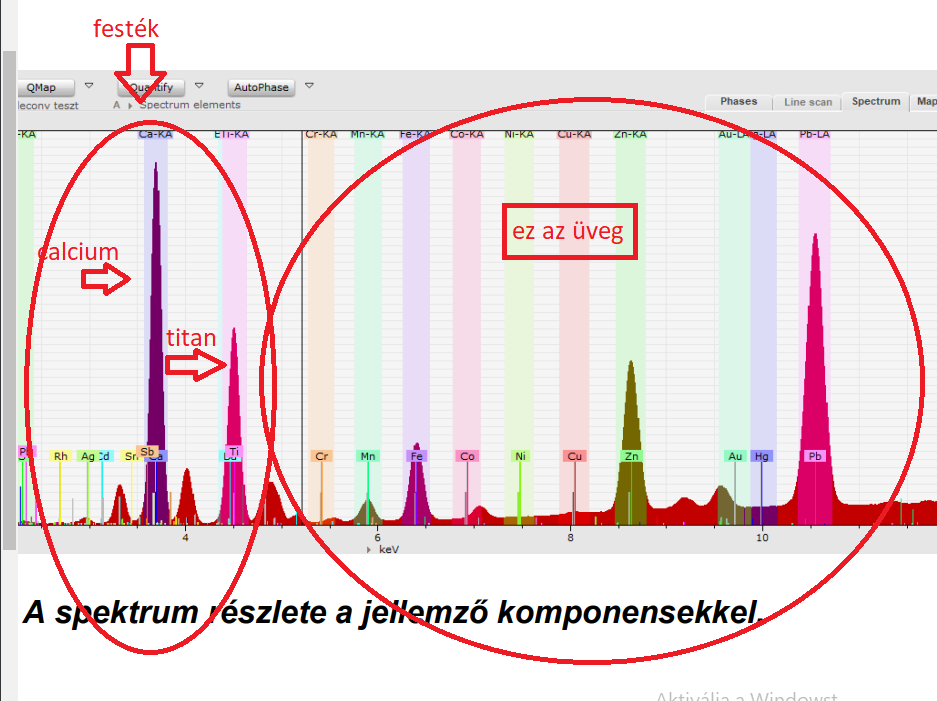
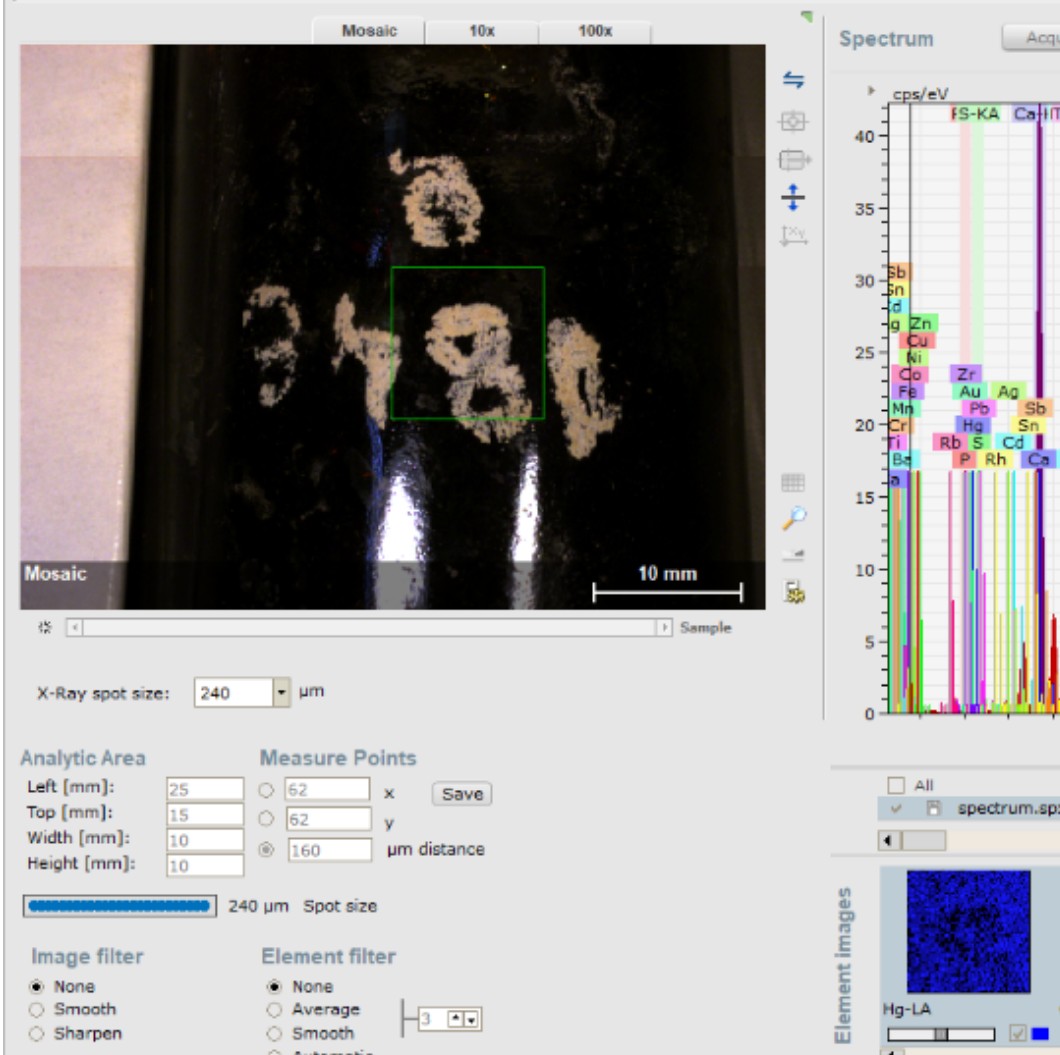
Material analysis methods include combustion analysis, X-ray fluorescence spectroscopy (XRF), infrared reflection-absorption spectroscopy (IRRAS), and various metal tests for capsules and coins.
These methods cannot detect fraud with certainty; they minimise the margin for error. I am thankful for any useful piece of information, analytical method or funding that supports this extensive and expensive area of work. Most bottle owners and collectors are quite open to subjecting their bottles and documents to scrutiny, as long as the bottle is not opened or damaged.
In order to deter fraud I publish neither all of the methods nor the concrete results. For the same reason I do not publish details of bottles identified as falsifications. Many old bottles, presumably Tokaji, remain unidentified; in future I may publish details here in order to make progress with the help of visitors to this site.
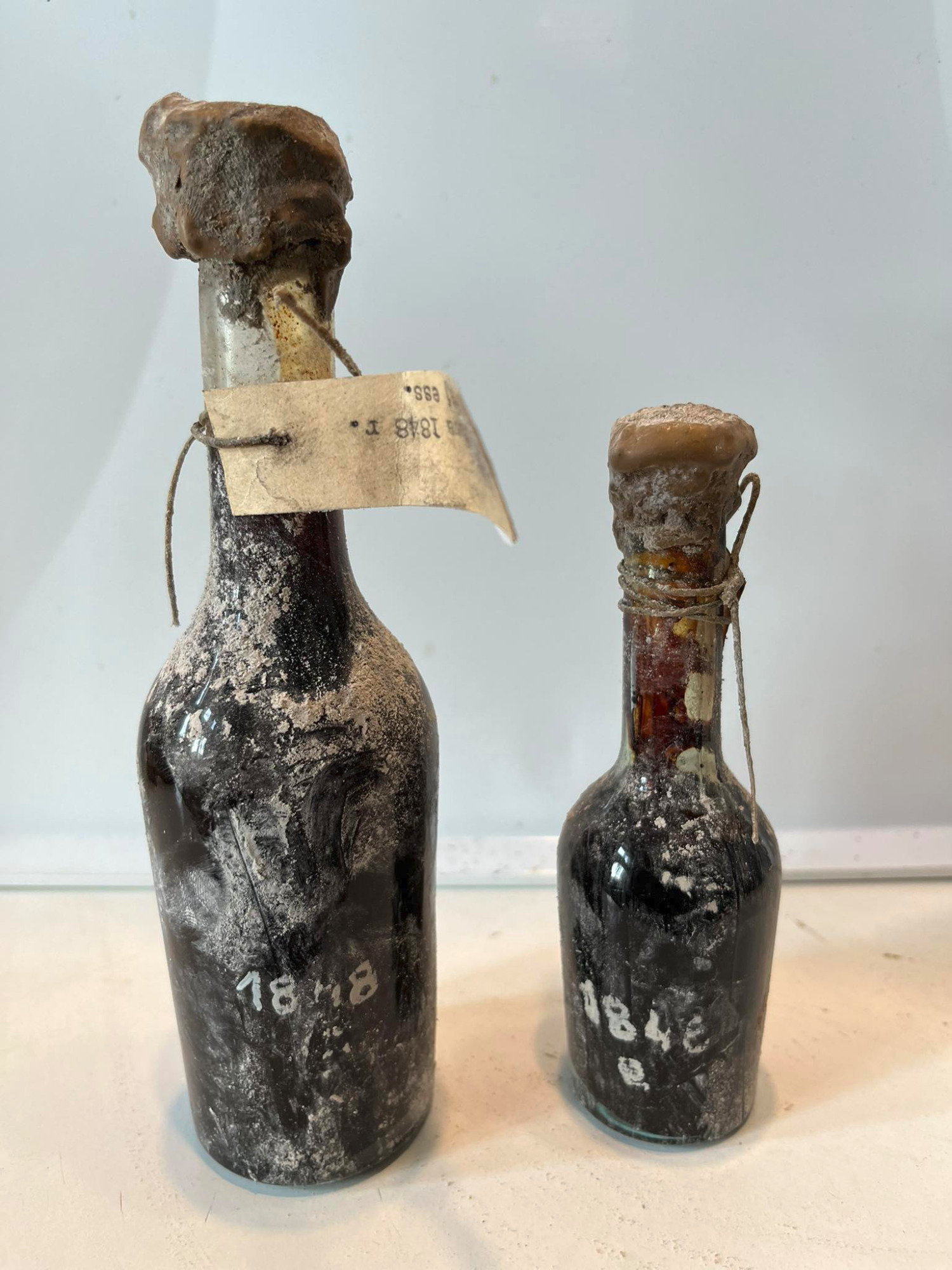
What gets measured. Glass, seals, capsules, coins and labels.
Document verification and validation
Where bottles come with documents, those are examined in two dimensions.
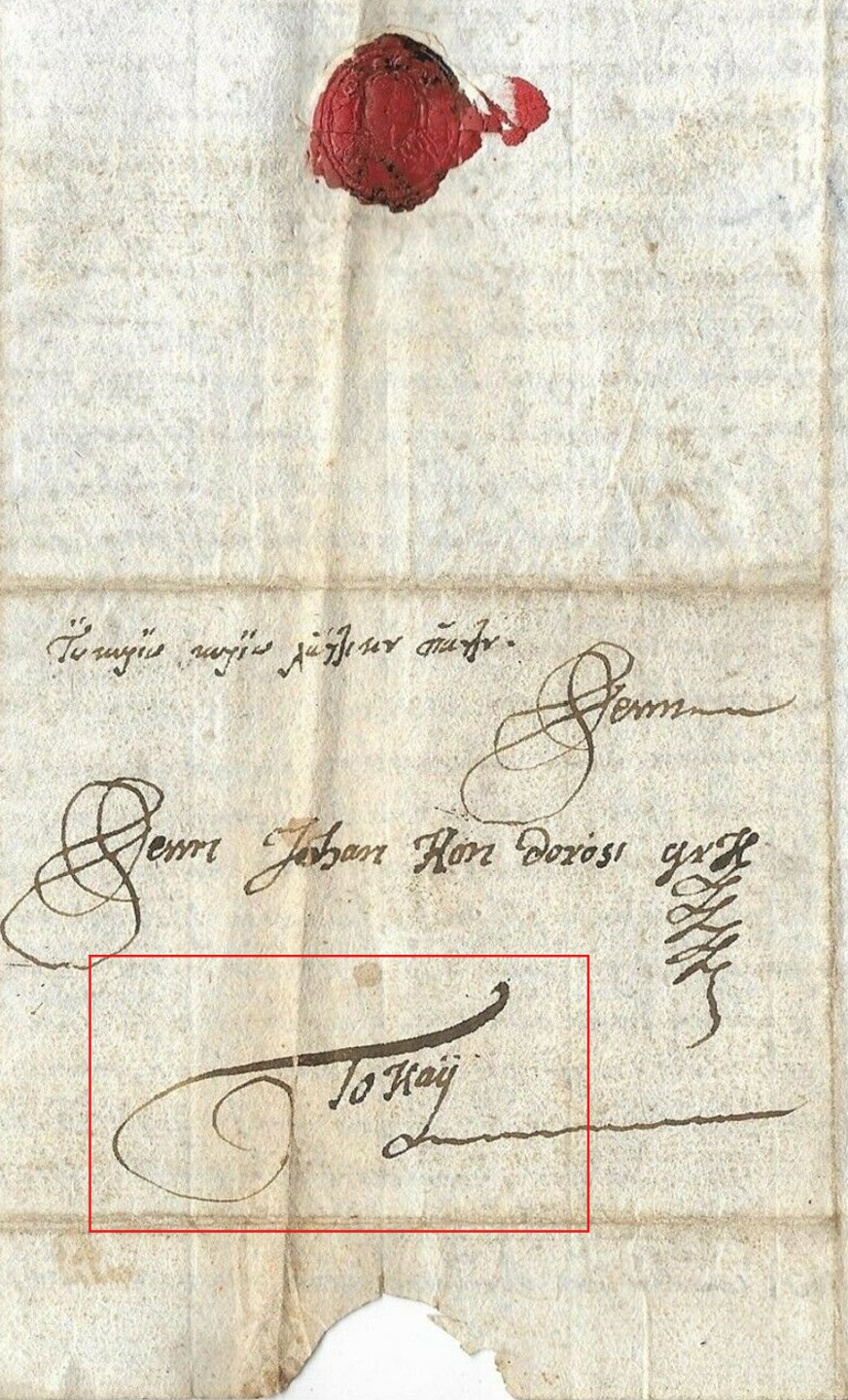
Content analysis. Establish a logical relationship between the bottle or bottles and the document or documents. Sometimes that is easy — an invoice, a sales contract, a cellar inventory, a gift card, inheritance papers. Often it is very hard. The work involves consistency checks on language, typescript, locations, dates, persons, titles, stamps and seals, coats of arms.
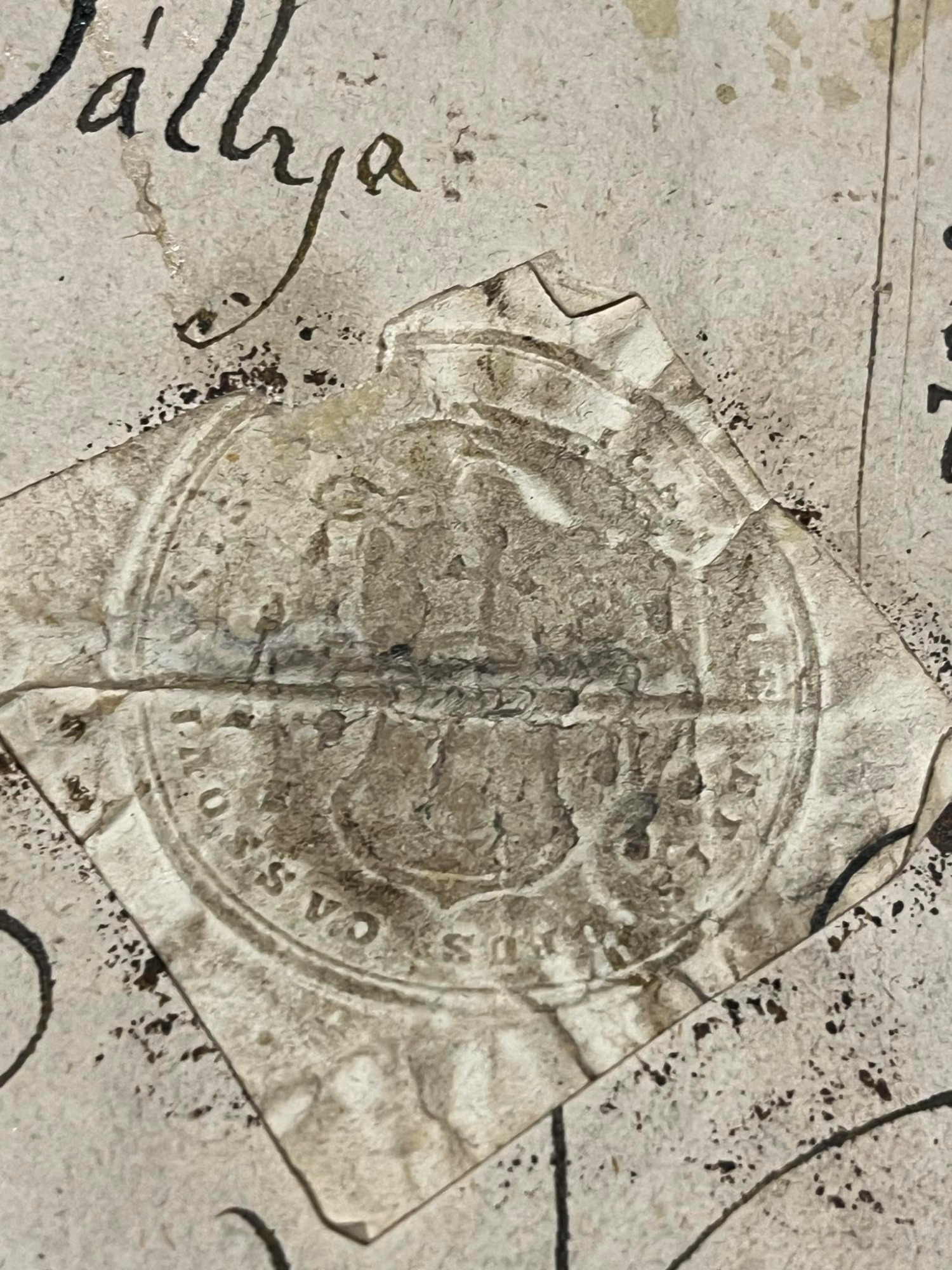
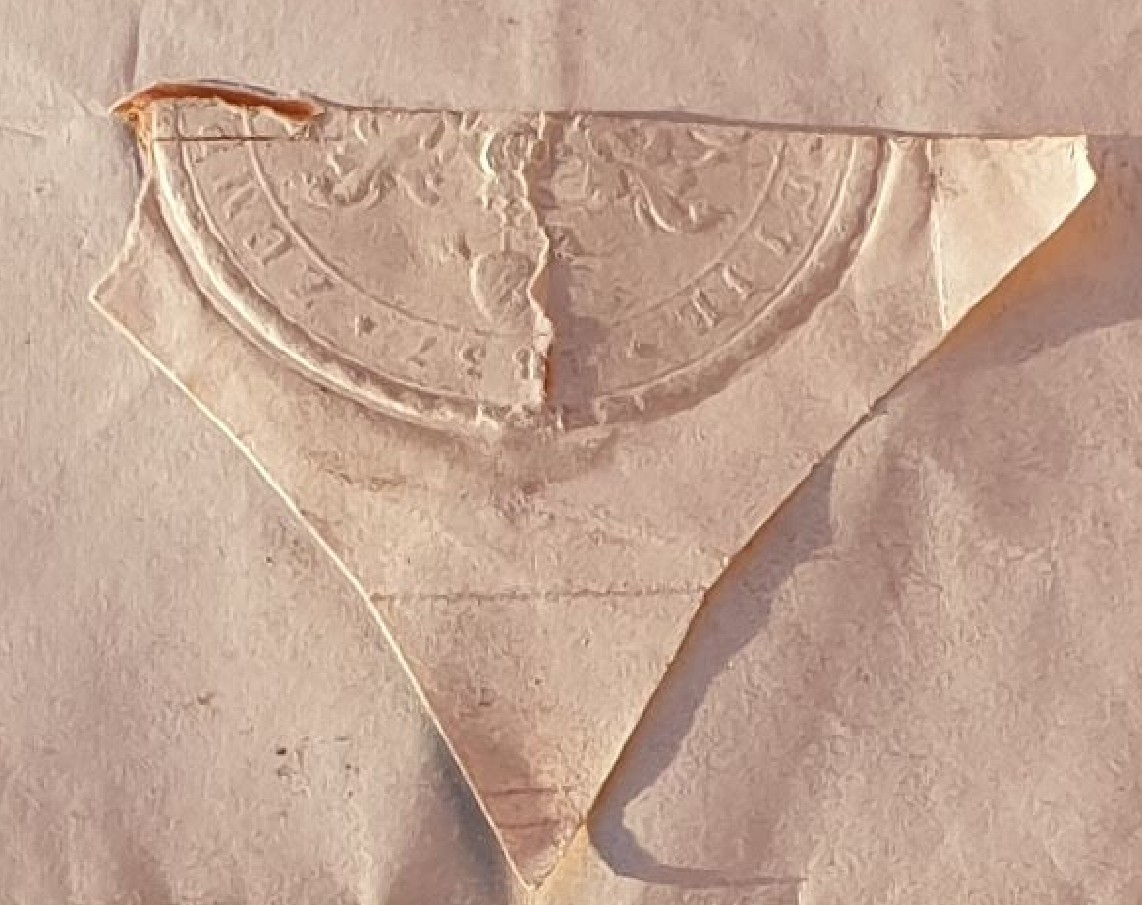
Material analysis. Paper, watermarks, ink, seals and sealing wax, tested with the methods above, to verify authenticity, age and internal consistency.
Two dimensions. What the document says, and what the document is made of. Documents worth reading in their own right are collected under Documents.
Wine analysis
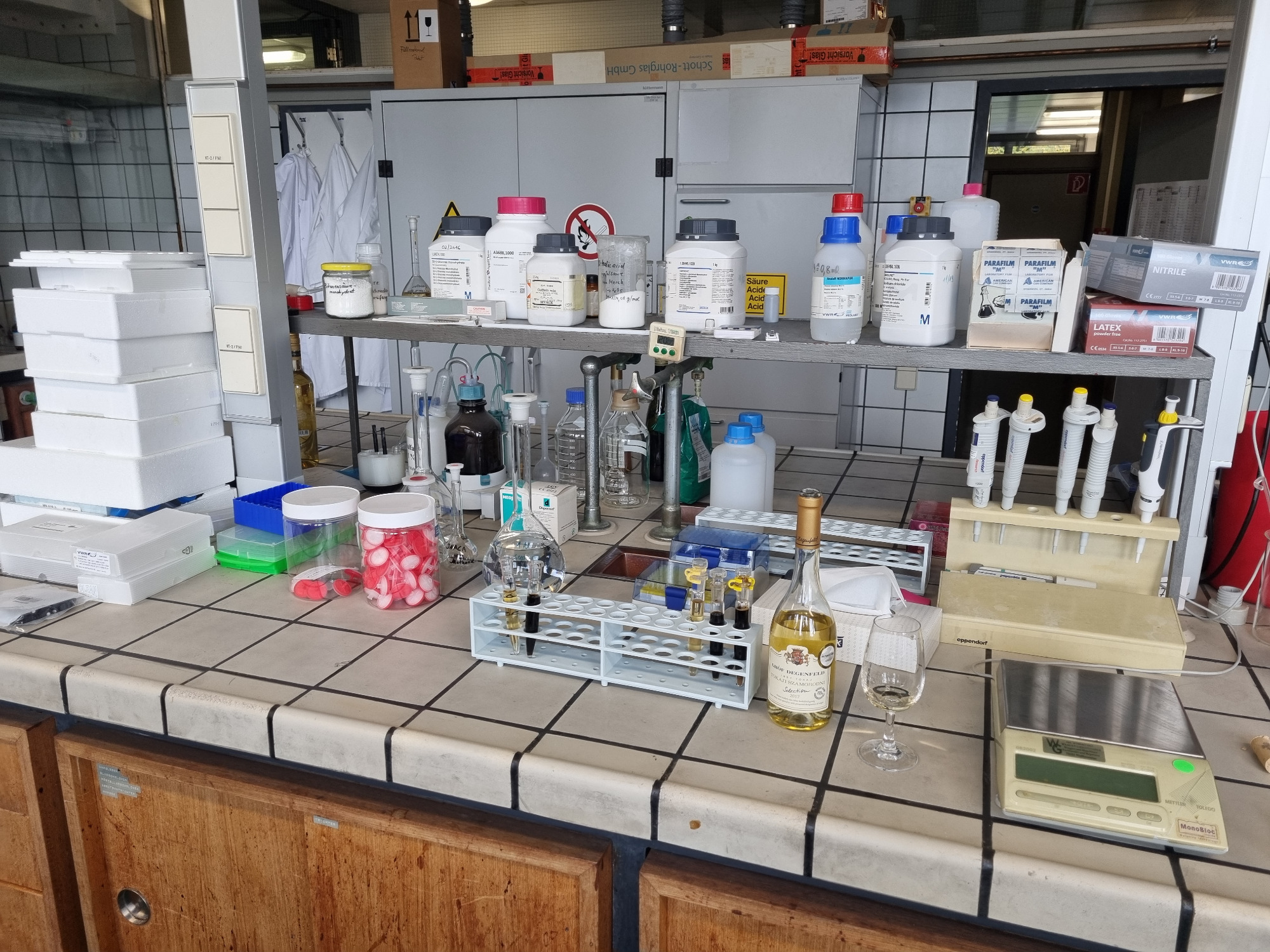
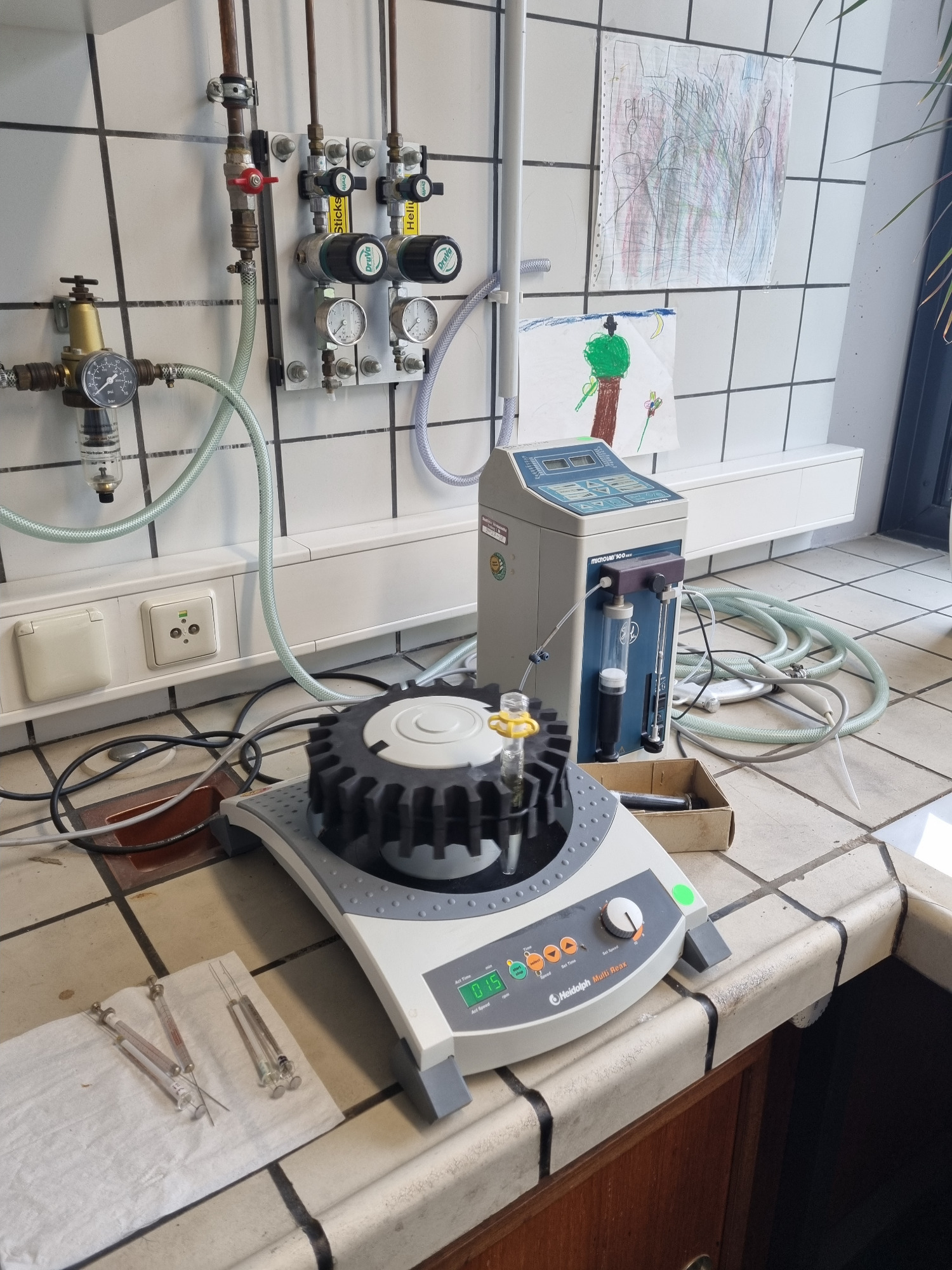
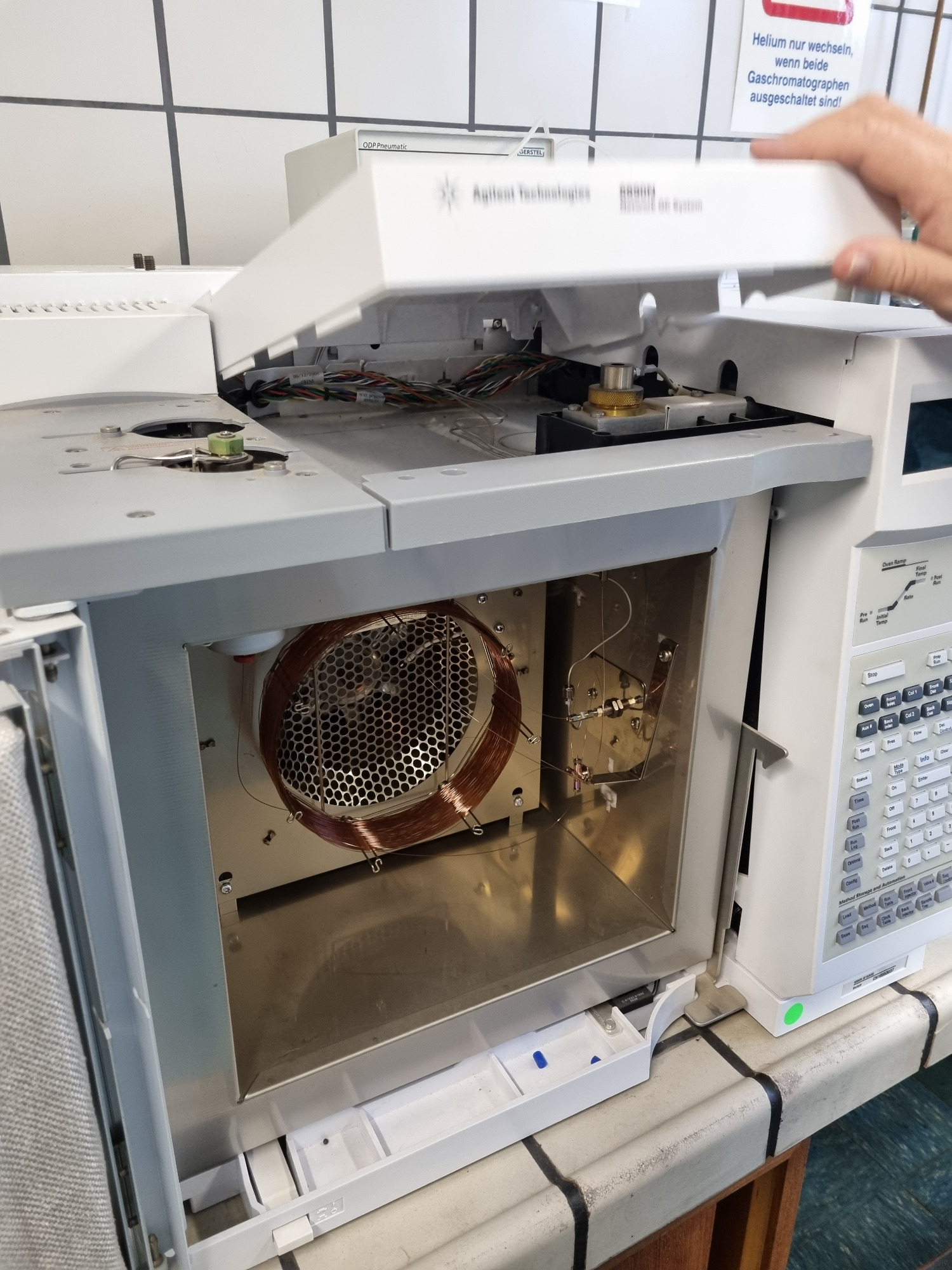
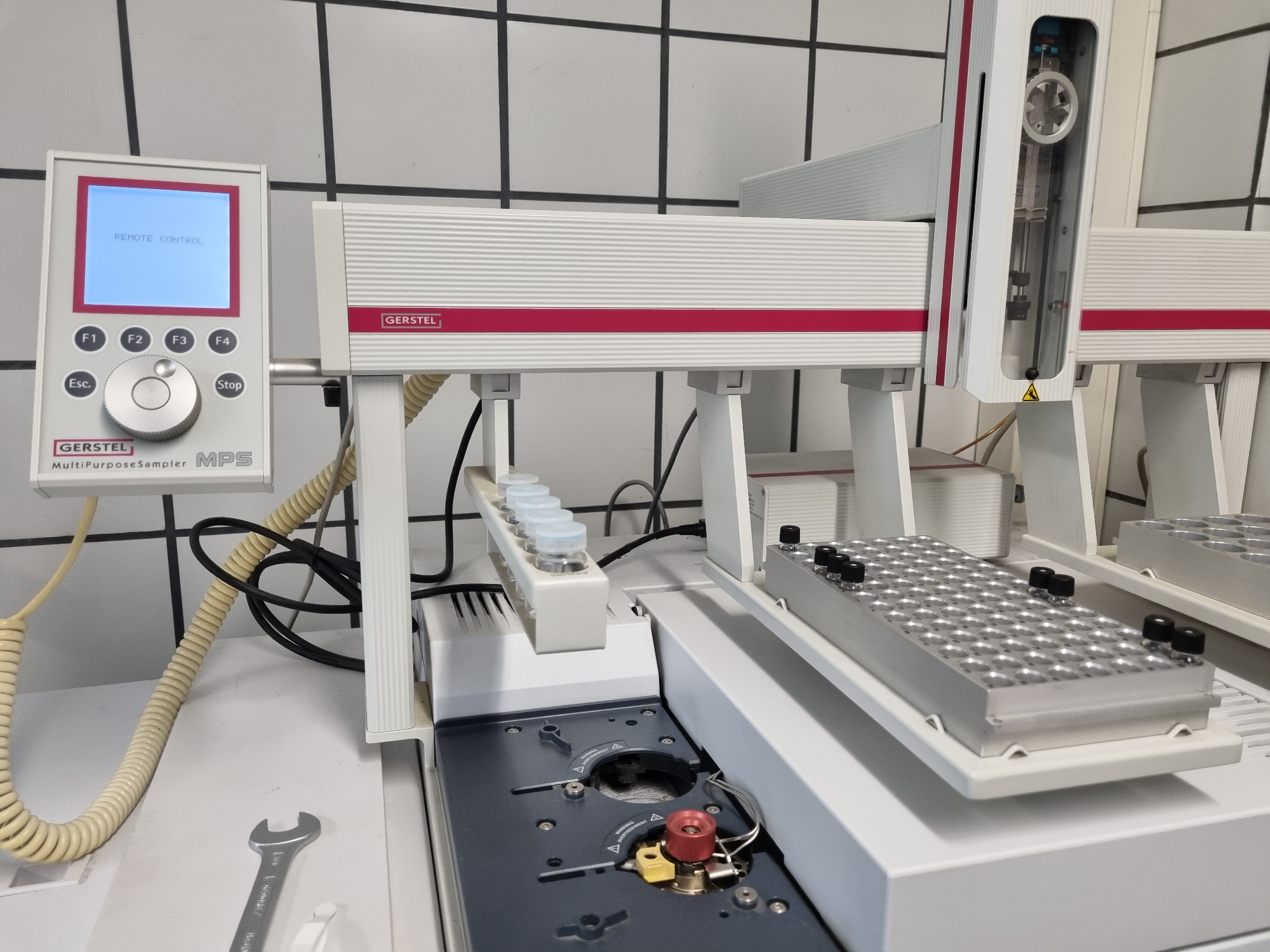
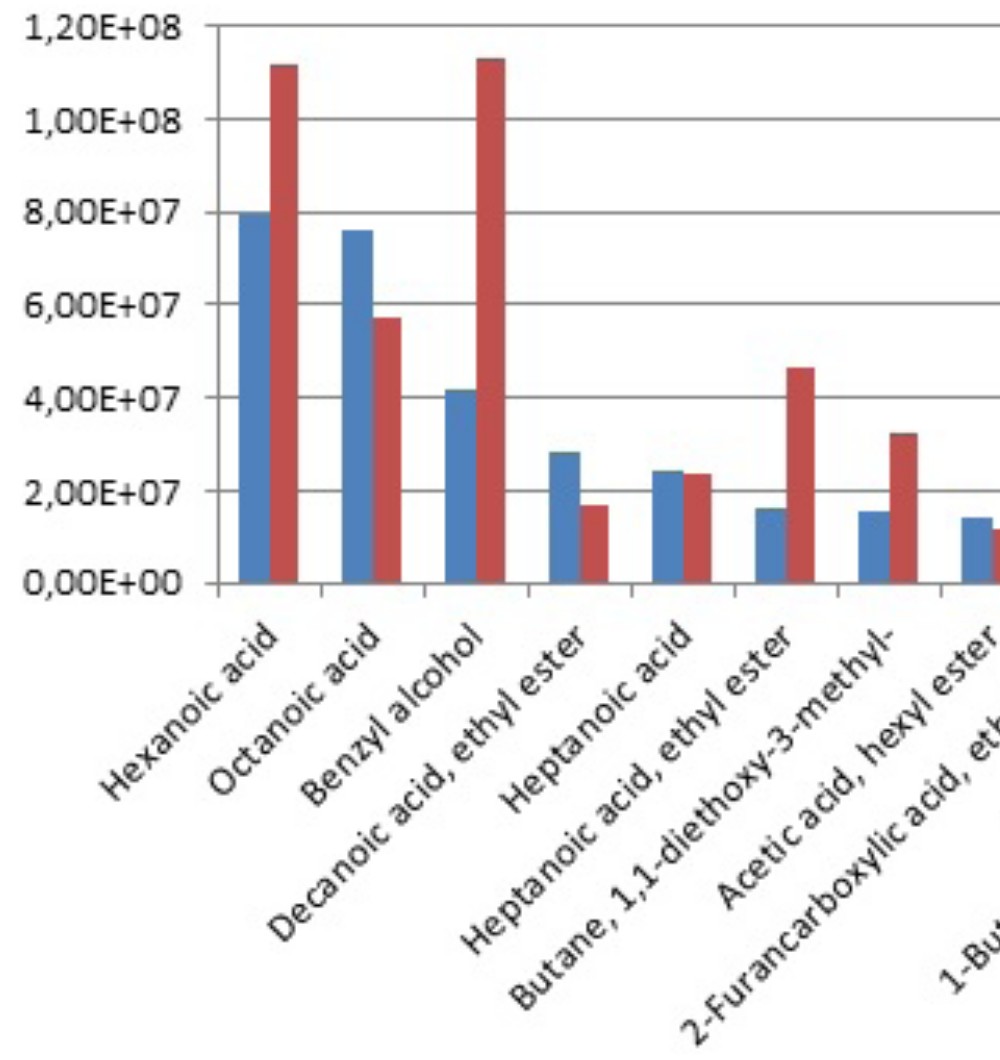
Only possible when the content of the bottle is accessible — typically when the cork leaks, the bottle is broken, or it is opened to be drunk. All three are rare. Methods include standard tests for alcohol, sugar content and acidity, mass spectrometry and gas chromatography.
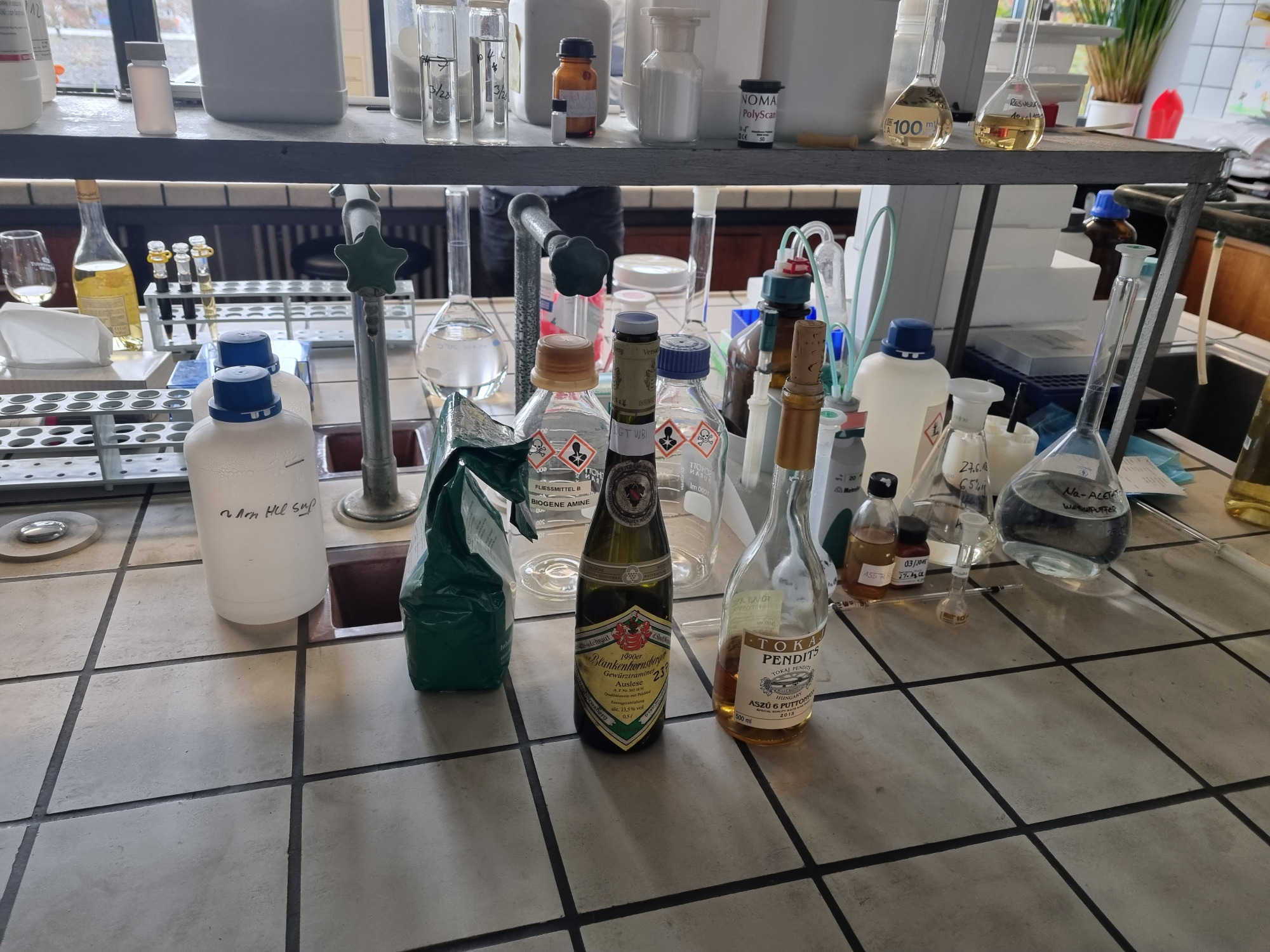
When the wine can be measured. Sugar, acid, alcohol, and the compounds that survive three centuries.
Ongoing bottle identification projects
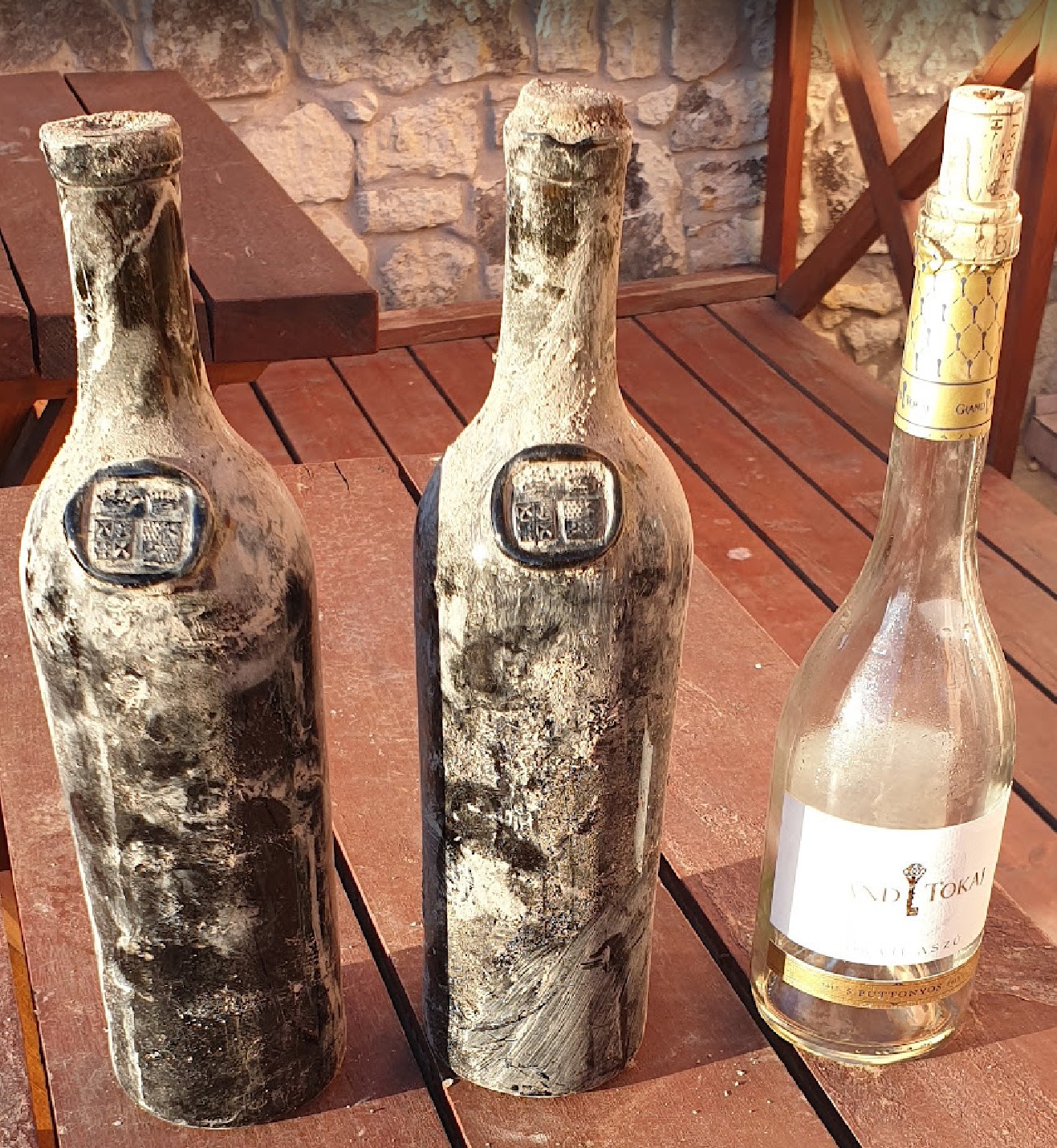
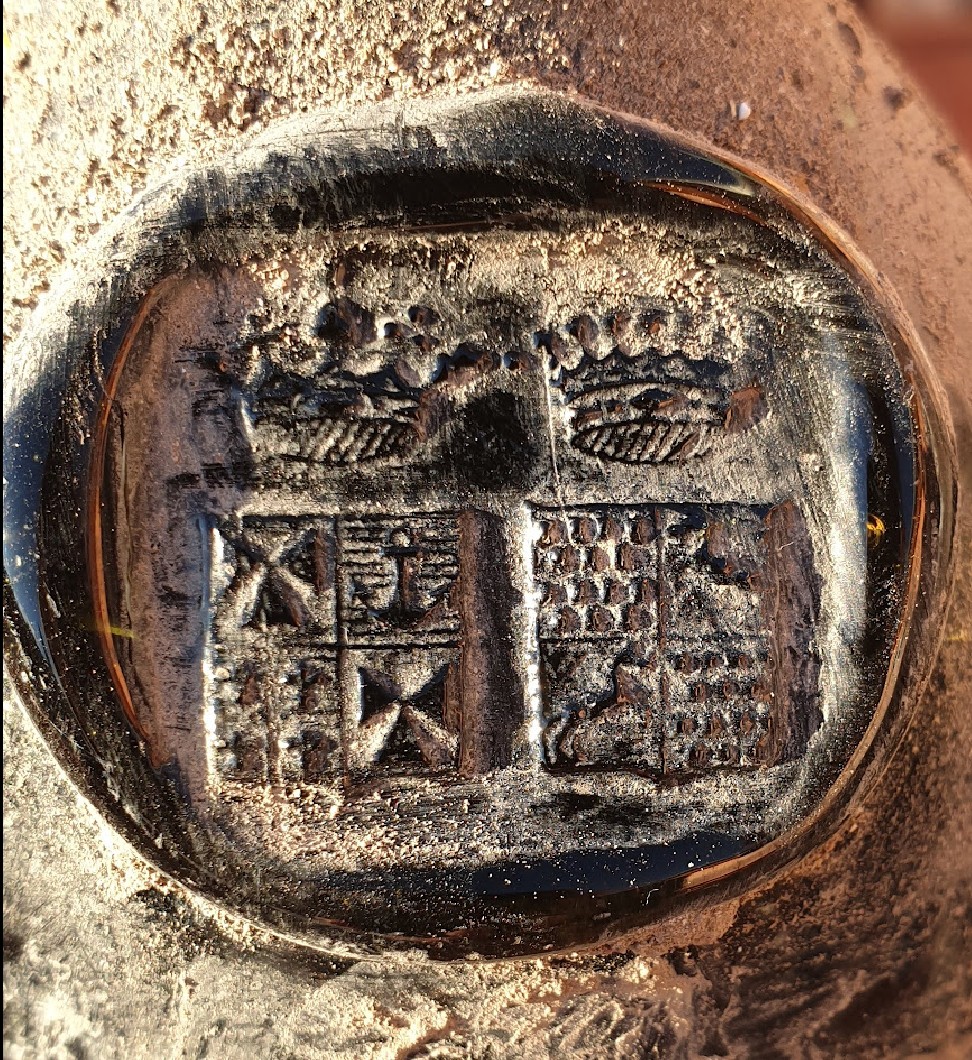
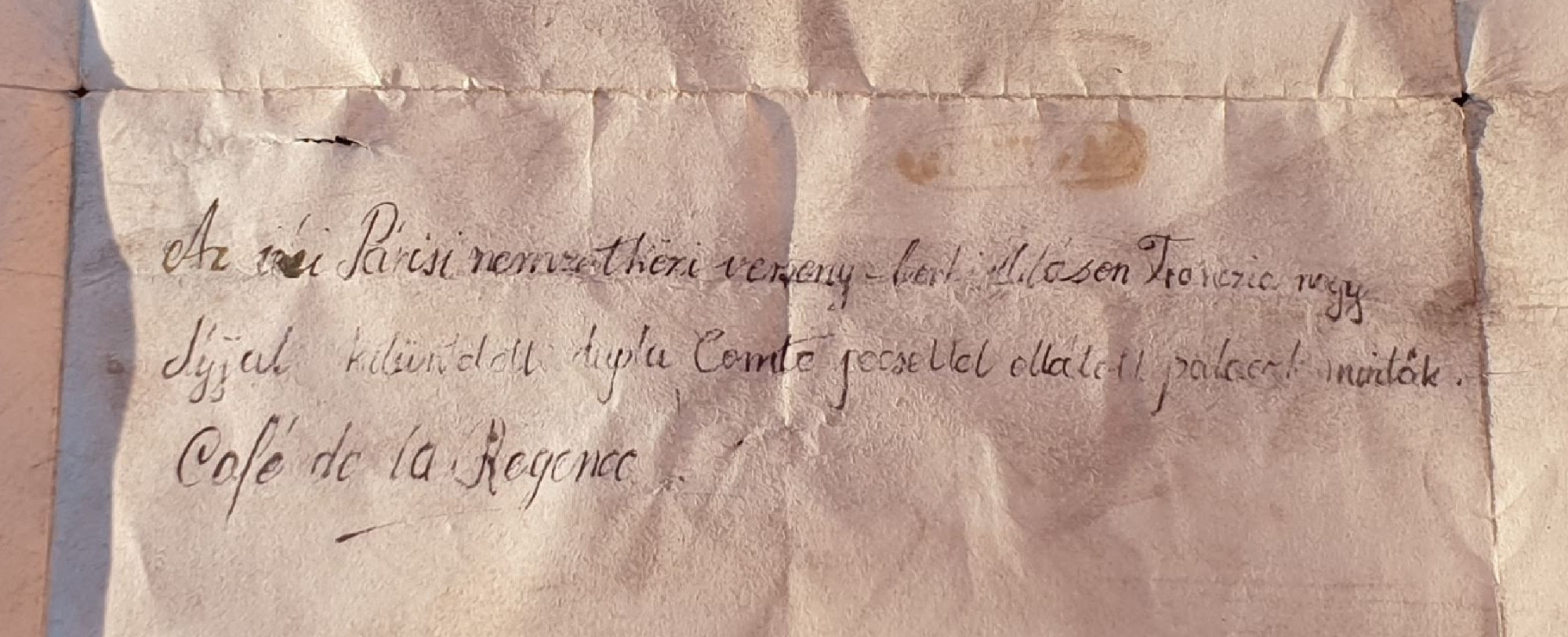
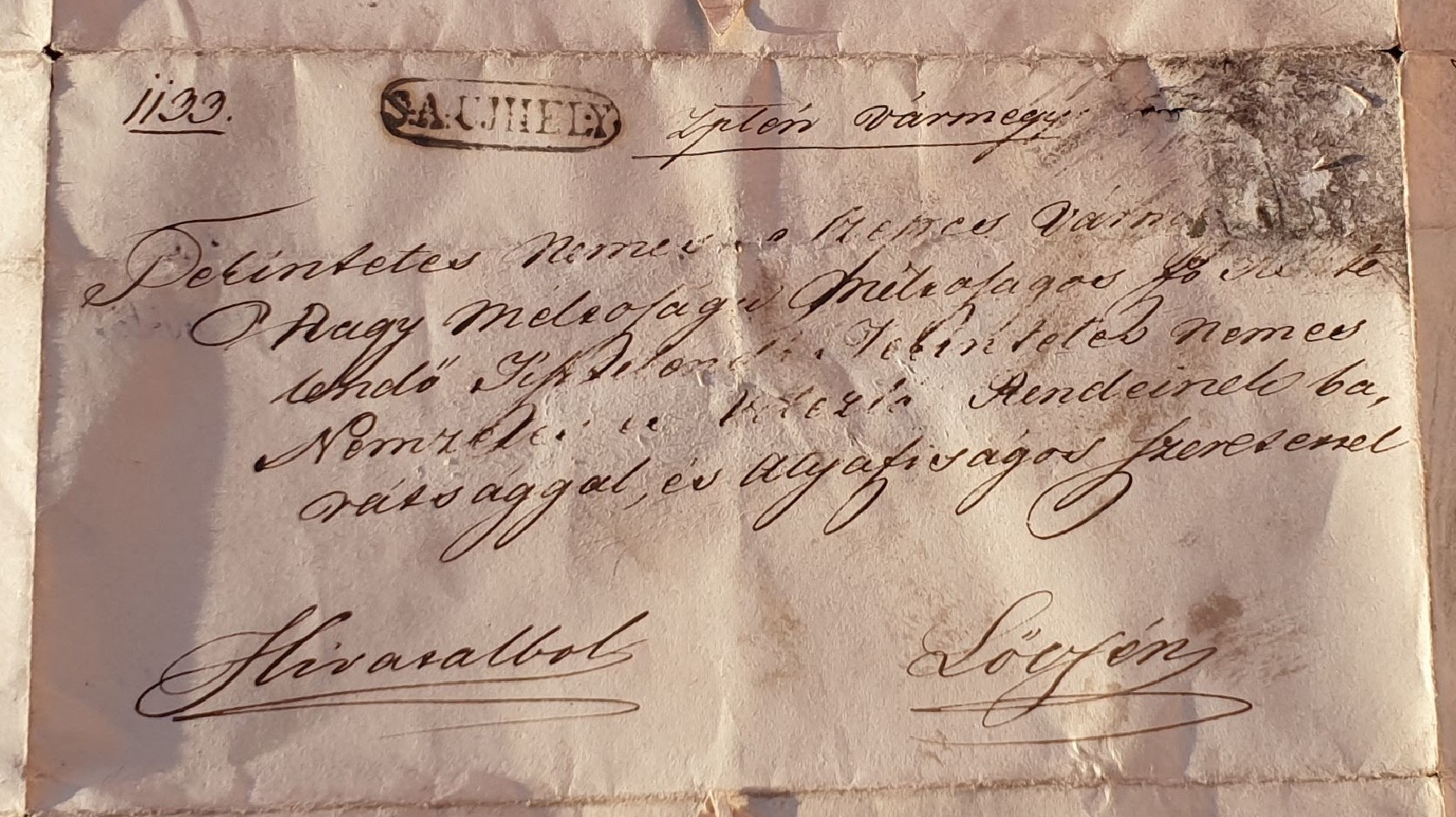
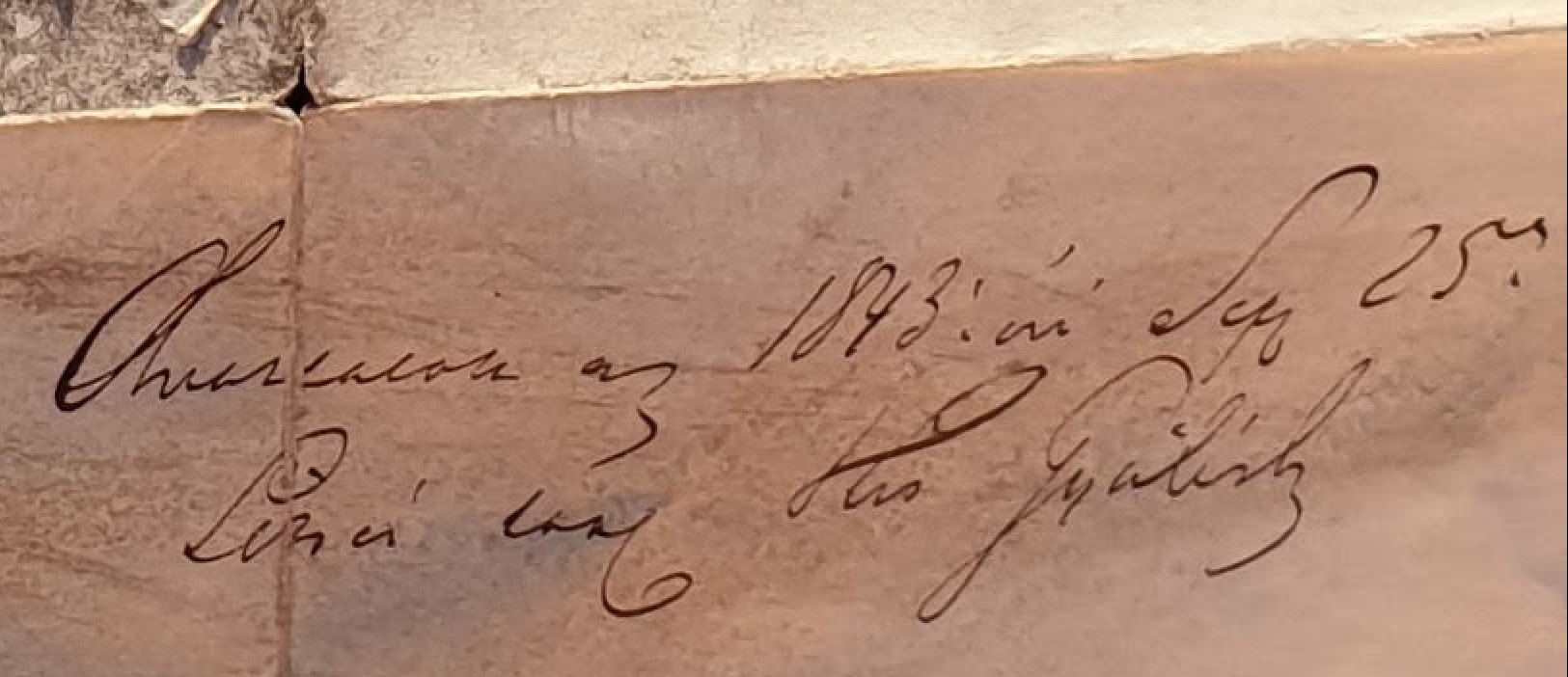
Many old bottles believed to be Tokaji are in the process of identification. One example: two unknown bottles with a unique double coat of arms in the glass mark which, according to the accompanying document, are samples of a Hungarian wine presented at a wine exhibition in Paris in 1843. The paper mentions the Café de la Régence, a famous place in the history of chess. The bottles come from a cellar discovery in the Tokaj region where a number of other bottles were found, all Tokaji, from some ten different producers.
The context of the discovery and the document’s reference to Sátoraljaújhely both suggest a Tokaji wine, but a first quick check produced nothing meaningful about a wine exhibition in Paris in 1843. The key to identifying the producer is clearly the coat of arms, and it should not be too hard to identify. Interestingly, the arms do not belong to the best-known noble names of the wine region — Andrássy, Széchenyi, Waldbott, Degenfeld, Maillot, Bretzenheim, Vay.
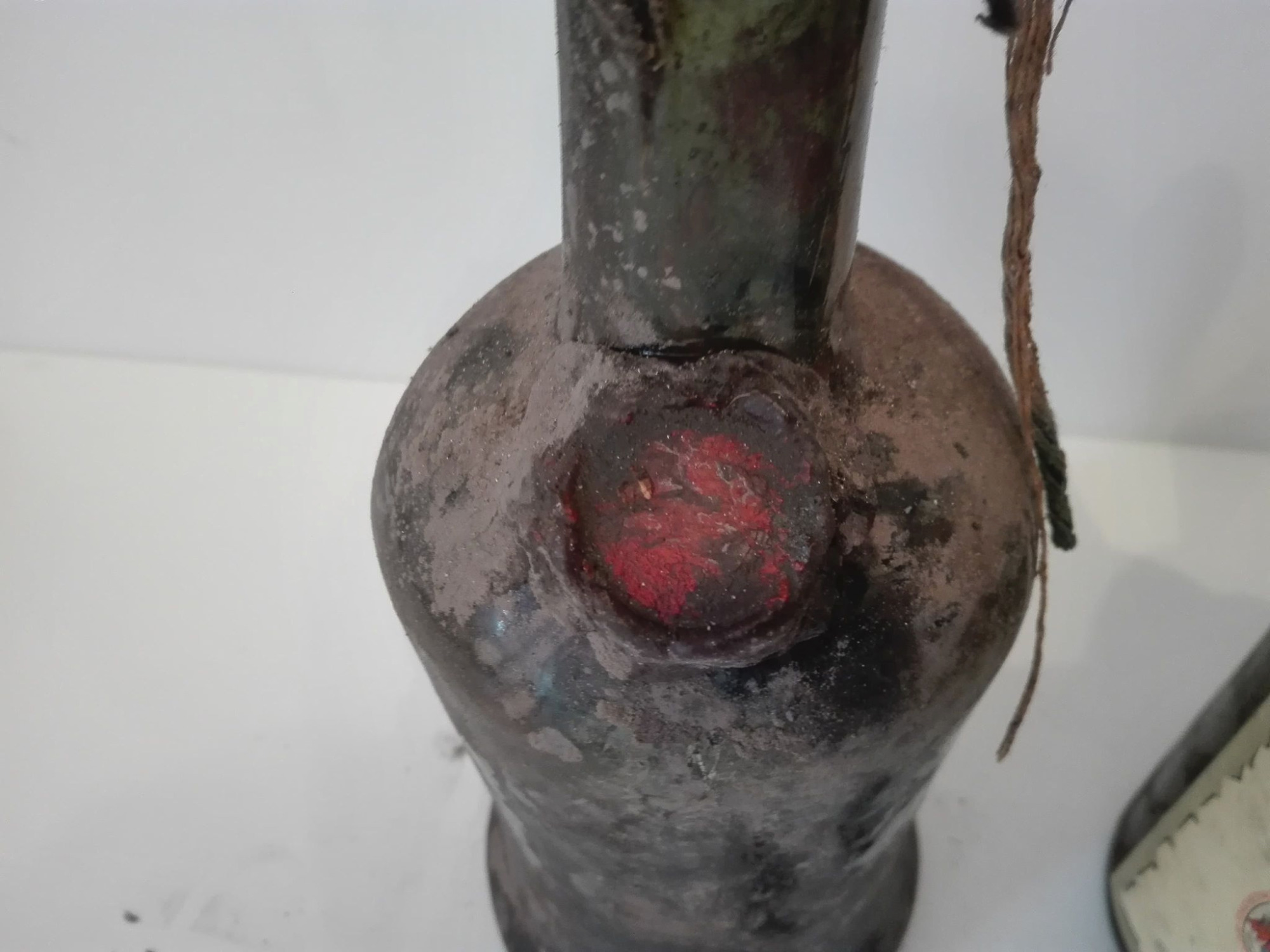
Open case. Two bottles, a double coat of arms, and a document mentioning Paris in 1843 and the Café de la Régence. Identifications welcome.
Service 03
Consulting
I help owners, wine collectors and museums in building and managing their inventory of historic Tokaji bottles and related artefacts — recording what a collection contains, what is known about each piece, and how it should be kept. This is advice on documentation and care, not on buying, selling or price: I give no valuations and take no part in transactions.
Service 04
Events
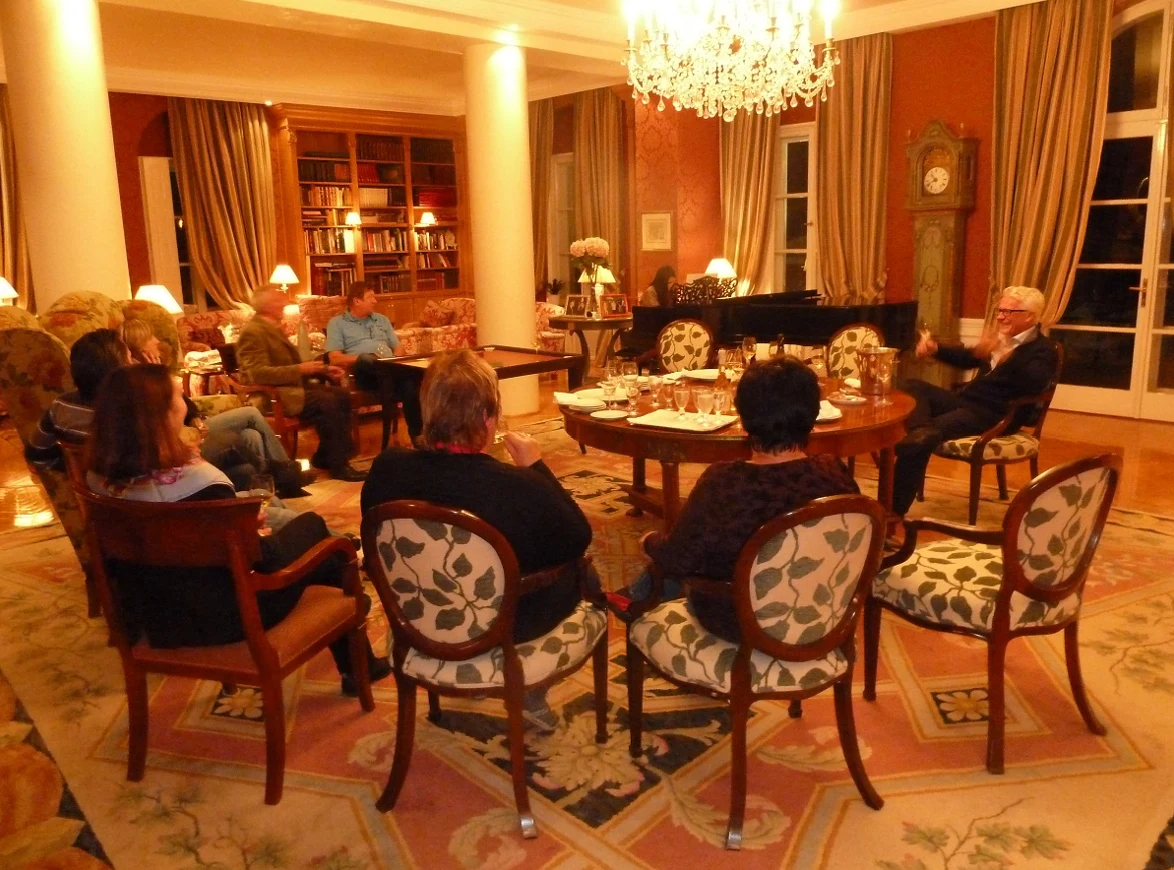
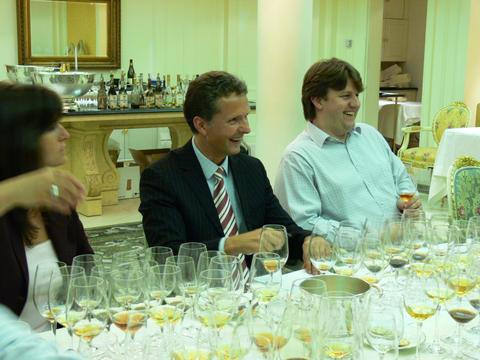
I support organisers of historic Tokaji tastings by providing insight into the old wines, including presentations and publications — background on the bottles being opened, talks at conferences, and written work.
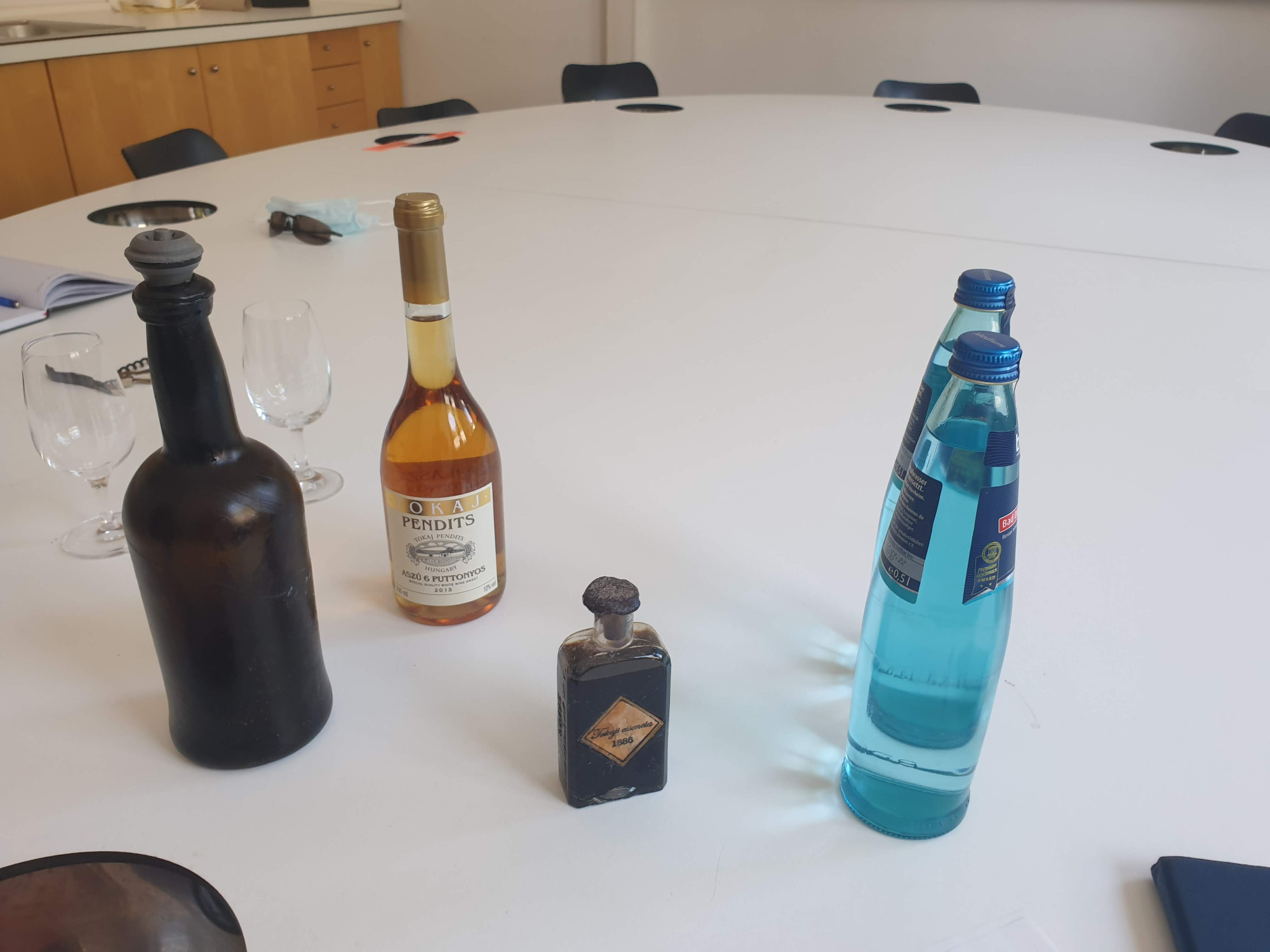
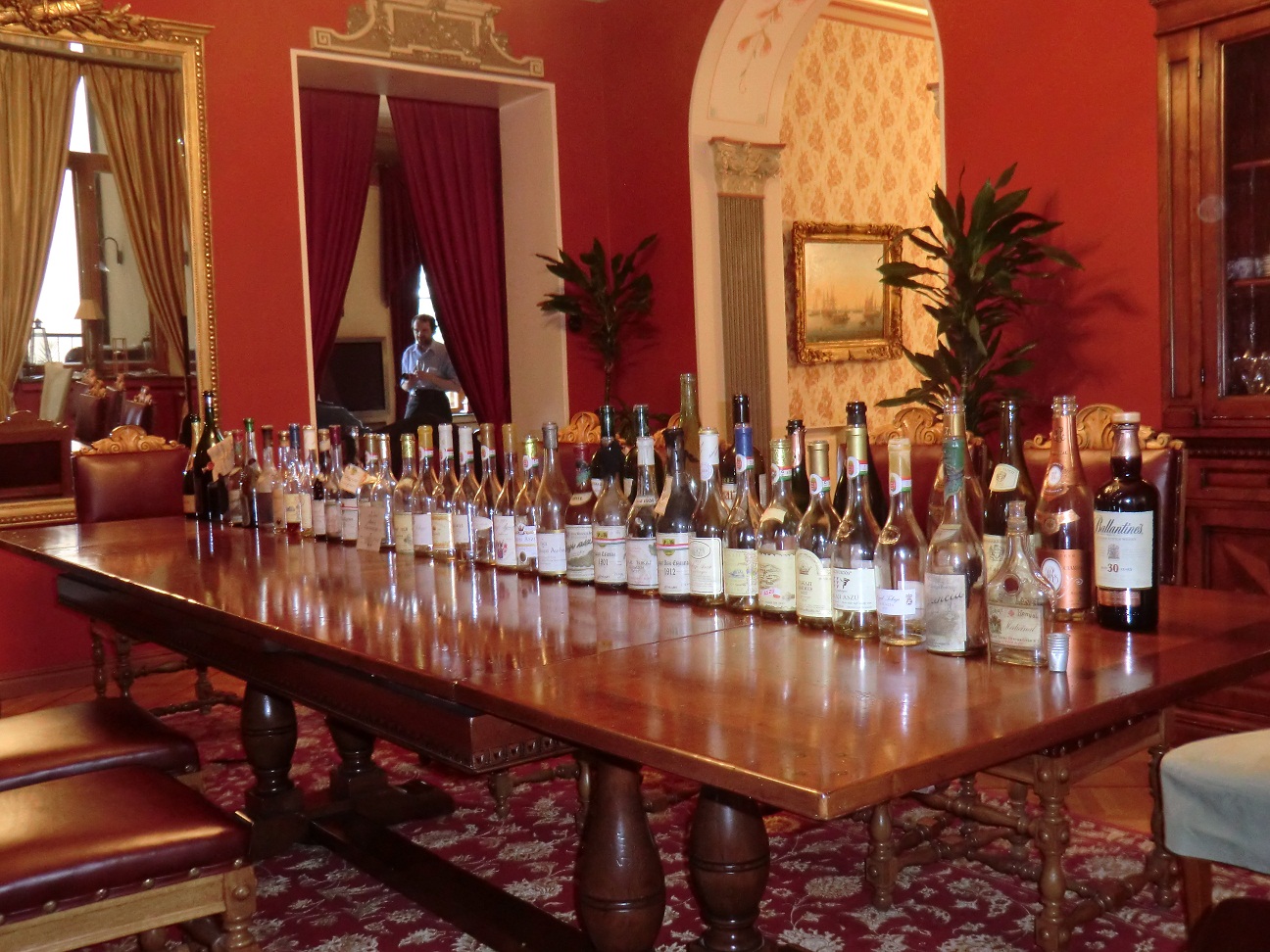
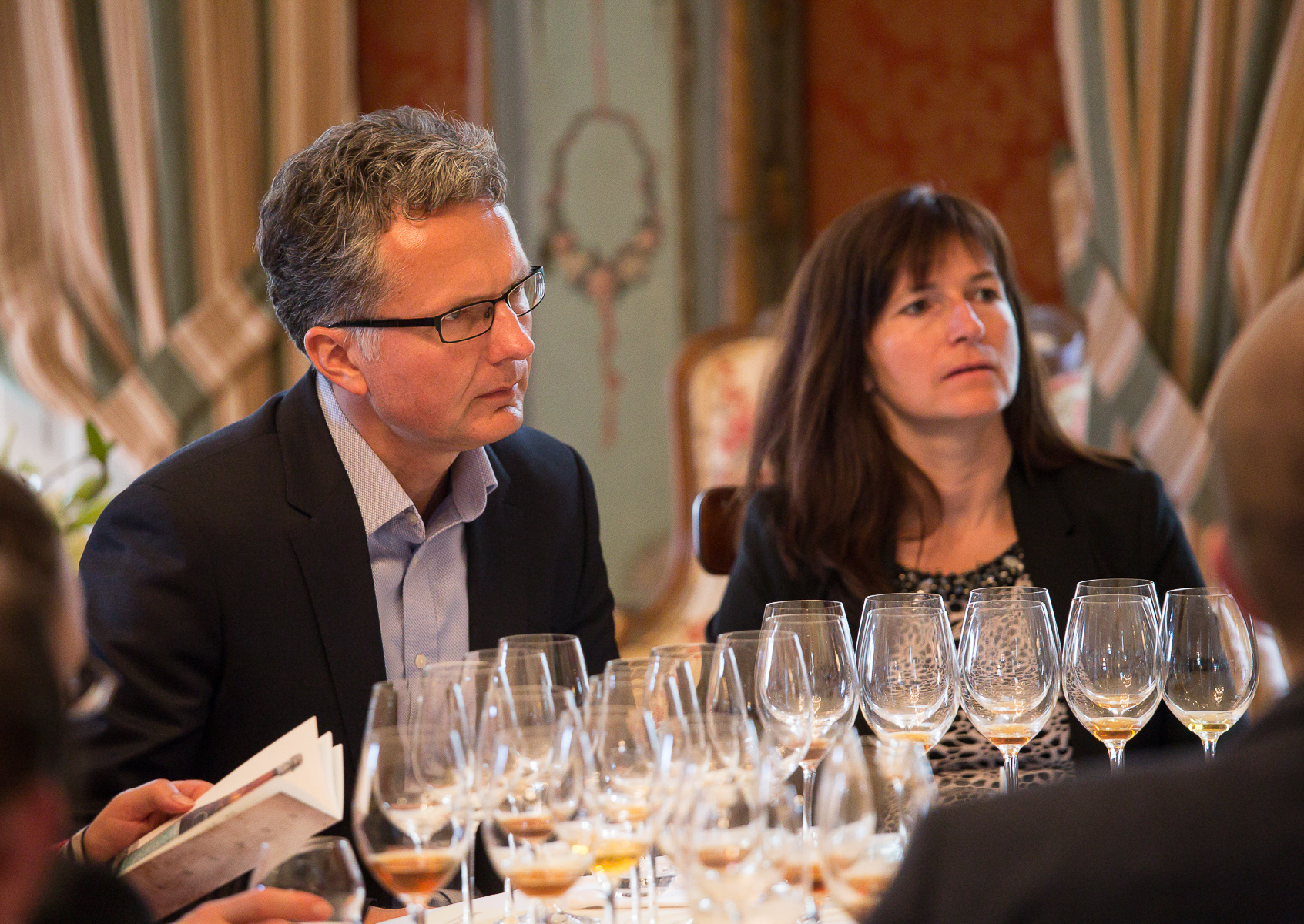
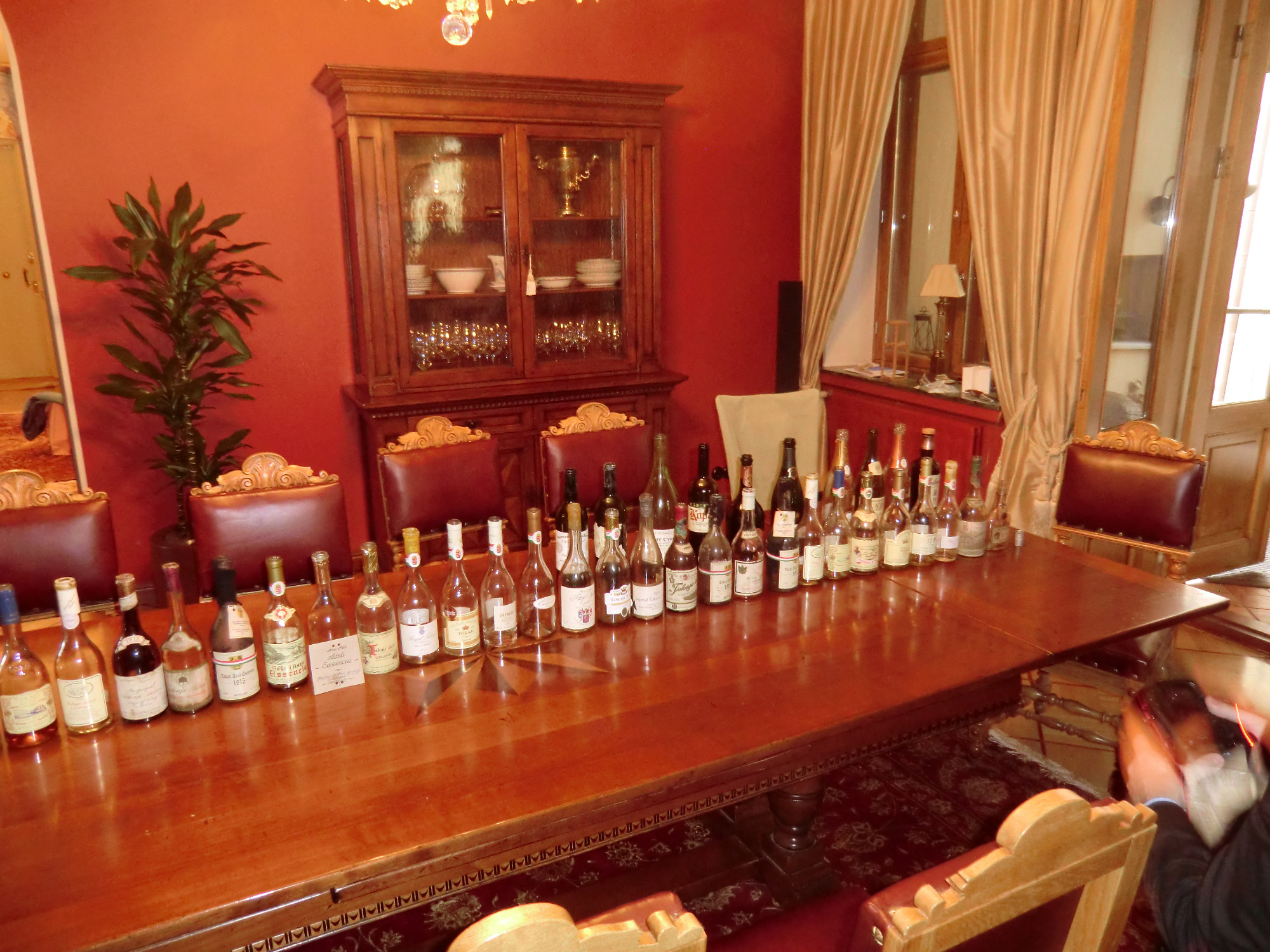
At the table. Tastings where the wines are old enough that the history is part of the service.
Getting in touch
If you own a cellar, a bottle or a document that might belong in this record, write. The services above are free in exchange for the right to document and research what you have. No fee, no commission, nothing sold.