
Start
The most celebrated wine in Europe, and what is left of itBackground
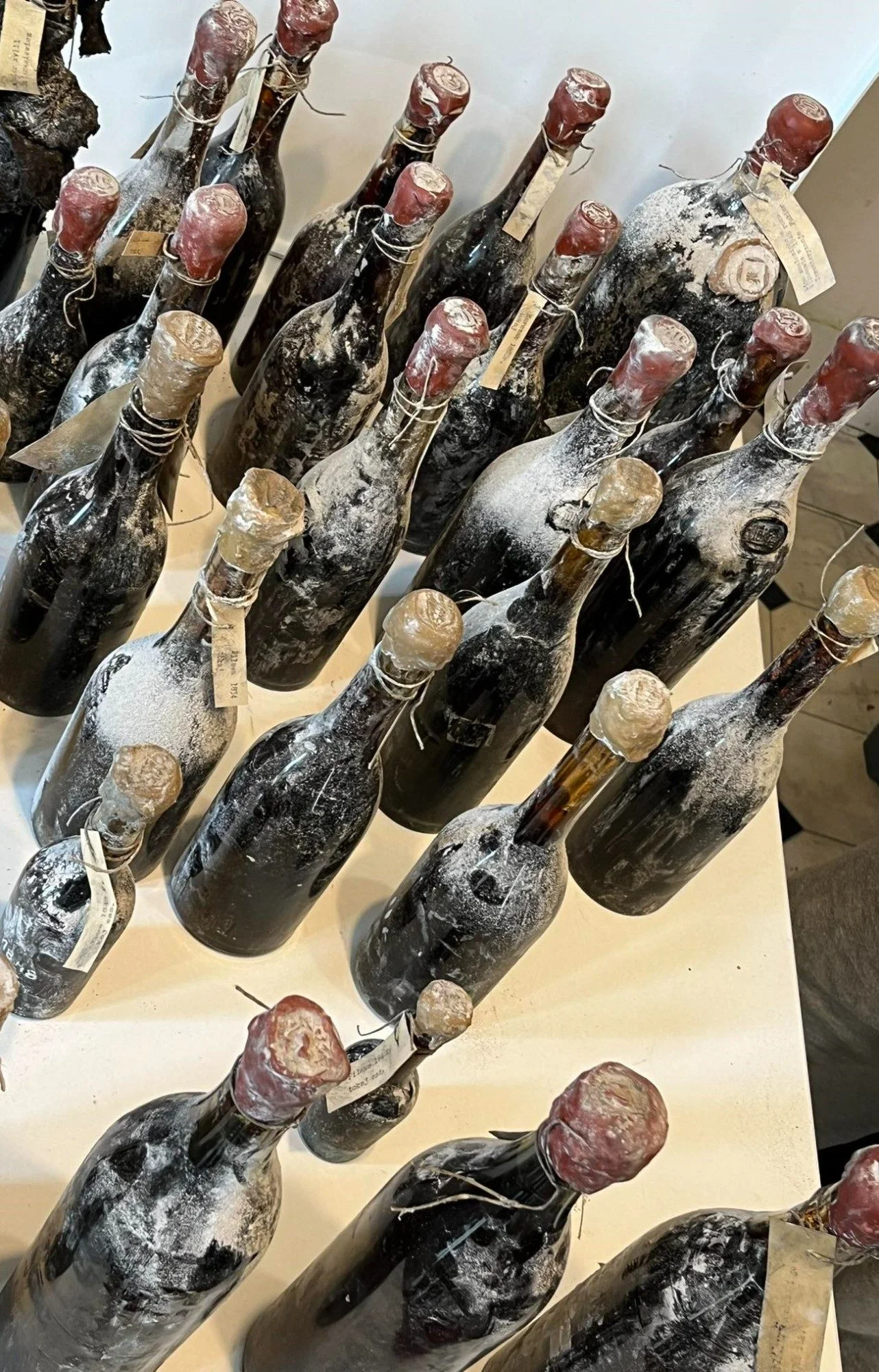
For three centuries Tokaji was the wine that courts sent to one another. Some of those bottles are still here.
Tokaji is a legendary wine, and the legend rests on one property no other wine of its age could match: it does not die. A Tokaji Aszú or Essence laid down in the seventeenth century can still be drinkable now. Very few people can imagine that such wines exist, and those who know generally assume they were all lost.
The wine of kings
Tokaji entered the courts of Europe in the seventeenth century and stayed there. It was drunk at Versailles, and the Habsburgs kept their own Tokaji stock in the imperial cellar in Vienna. The Saxon electors, ruling Poland from Dresden, brought it north by the cask and were still pouring hundred-year-old bottles in the nineteenth century. Frederick the Great sent a cask of it to Voltaire, who wrote back about the yellow nectar of Hungary. In 1711 an Antal of Tokaji from the Dresden Hofkeller was presented to Tsar Peter I, who tasted it himself; Russian sovereigns after him kept a standing interest in the region.
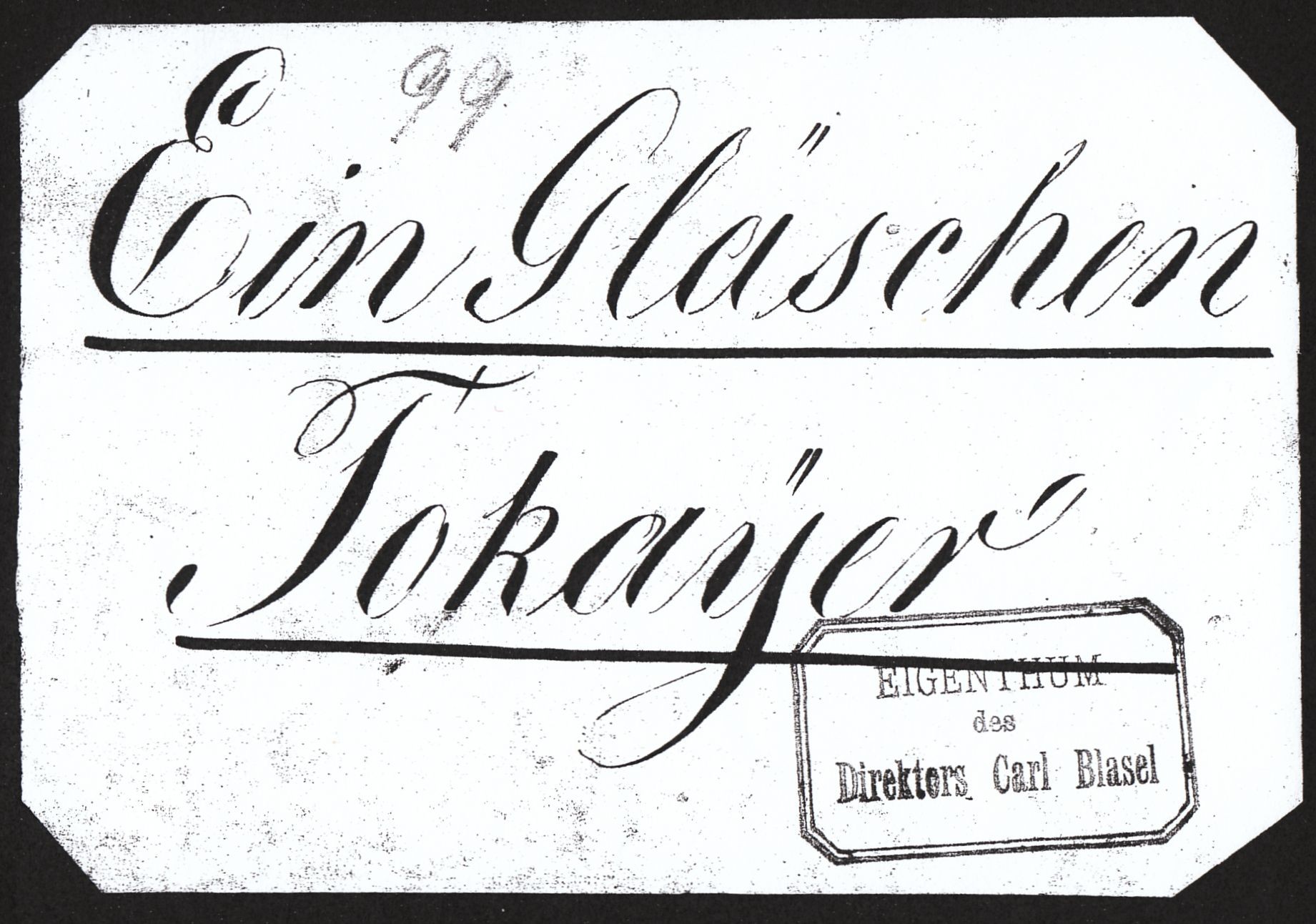
This was not connoisseurship in the modern sense. Tokaji was diplomatic currency. It travelled as gift and tribute between courts that had little else to say to each other, was written into wills and inventories, and was held back for coronations, treaties and deathbeds. That is precisely why it survives: wine treated as treasure is not drunk, it is stored, counted and inherited.
Three hundred years, and counting
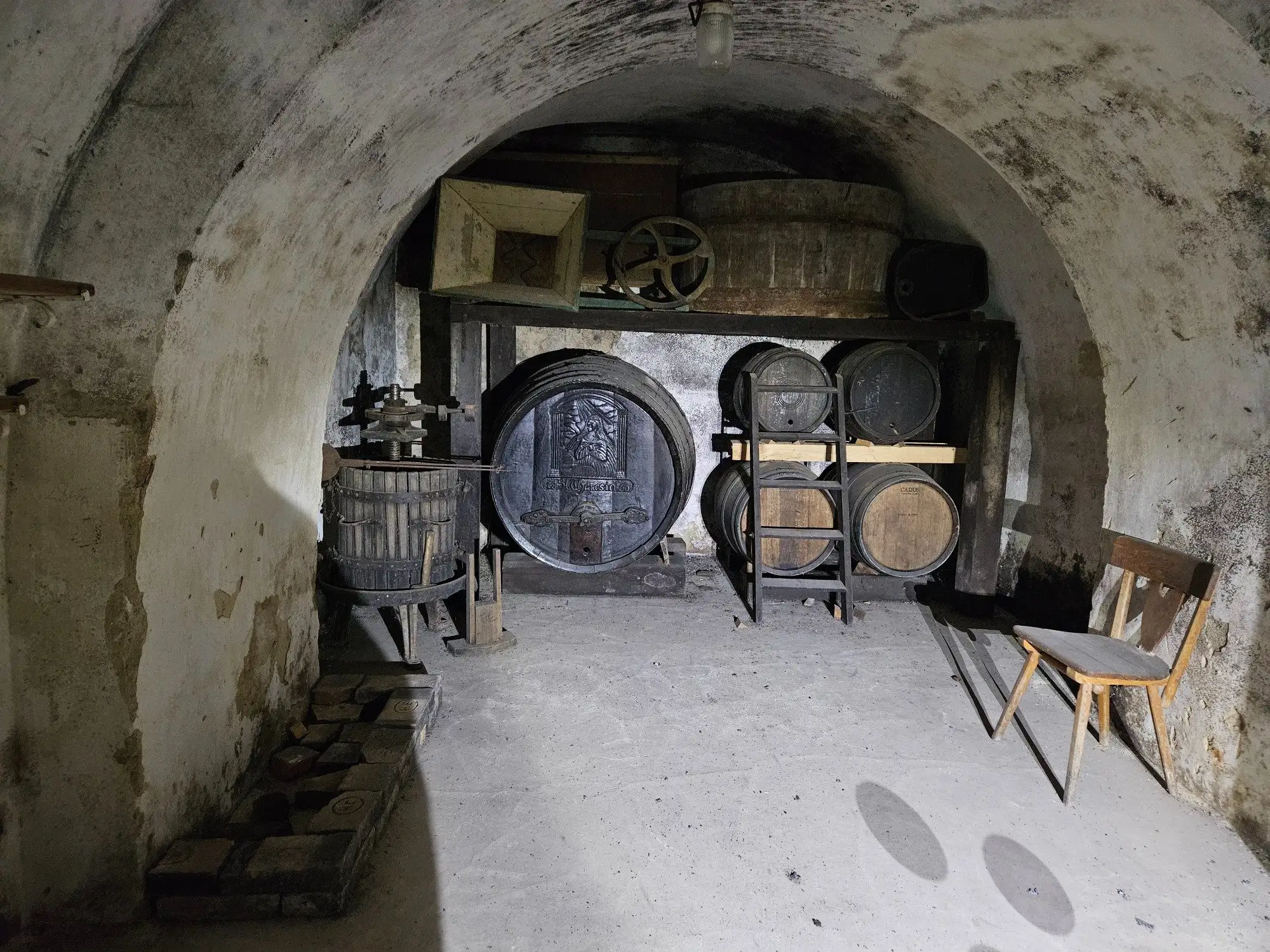
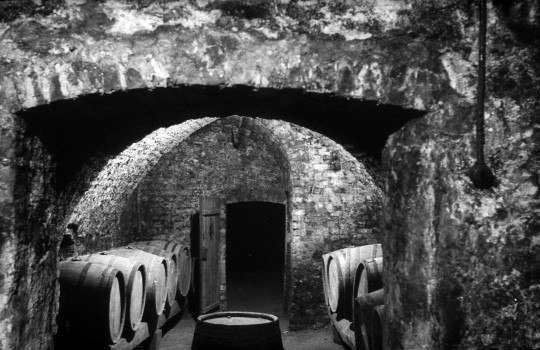
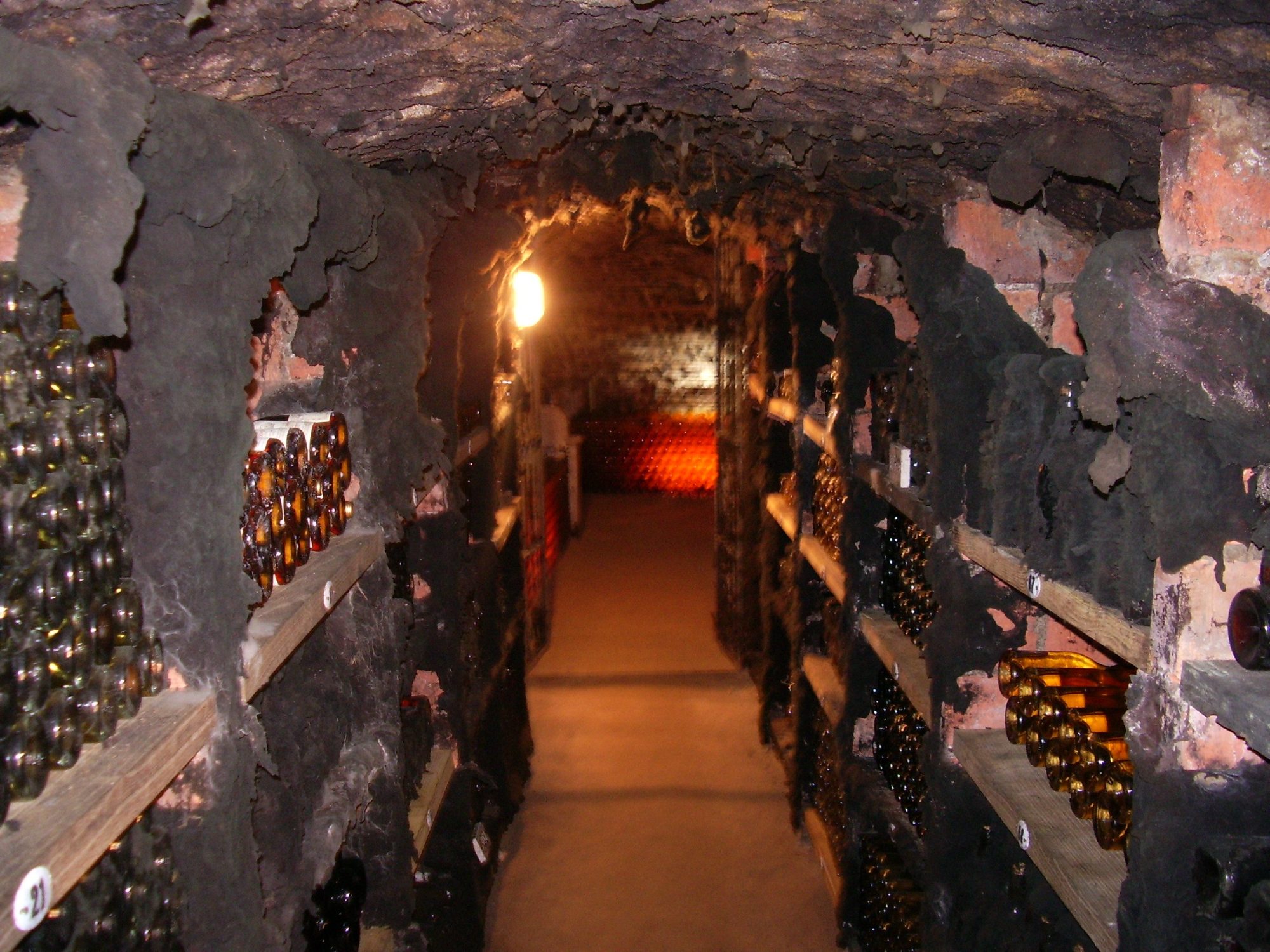
It has been known for centuries that Tokaji can age gracefully for at least three hundred years, and possibly much longer. Nobody actually knows the limit, because the experiment has never been finished. The sugar, the acidity and the botrytised concentration that make Aszú and Essence what they are also make them almost indestructible in glass, and the deep cellars of the region — cut into volcanic rock, held at constant temperature, their walls black with Cladosporium cellare — do the rest.
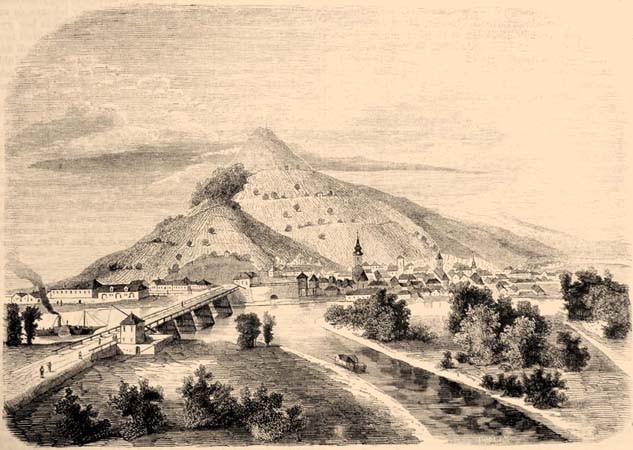
The wine is woven into Hungarian identity to the point of appearing in the national anthem, where God is said to have dripped nectar onto the vines of Tokaj. It is a UNESCO World Heritage cultural landscape. And yet not a single genuinely old bottle of it is on public display anywhere in the world.
What this website is
Bottles from exactly those years — the years when Tokaji was the most sought-after wine in Europe — have come through three centuries, two world wars, revolutions, occupations and the collapse of every court that once bought them. Cellars were walled up and forgotten. Families moved their holdings and lost track of them. Some bottles never left the room they were laid down in.
This private website presents the key results of more than twenty years spent finding and researching them: bottles from the Fukier cellar in Warsaw, the Habsburg imperial cellar, the Royal Saxon and Prussian cellars, the Royal Hungarian State Cellar and a number of private and ecclesiastical holdings — among them the oldest bottle of Tokaji known, of the 1606 vintage. Almost all of it has never been published, photographed or shown outside the rooms it was kept in.
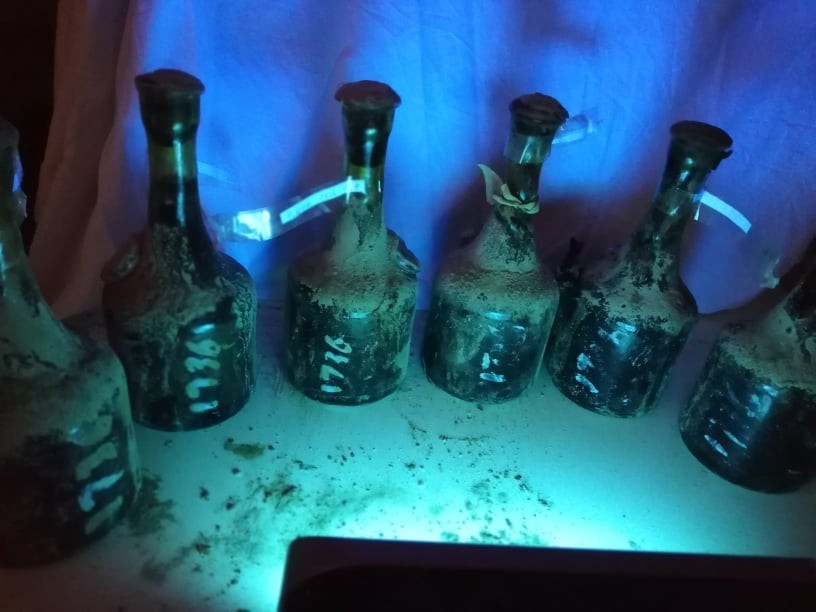
Every bottle here is privately owned and generally not for sale, which is also why none of it is in a museum. In my view each of these bottles is an integral part of the UNESCO World Heritage of Tokaj, and I hope that in time many of them will become accessible to the public. Until then, this is the record: what the bottles are, where they came from, and how their origin is established.