Very old non-Tokaji
Although not my focus of interest, occasionally we discover very old bottles that are interesting. Here are some of them.

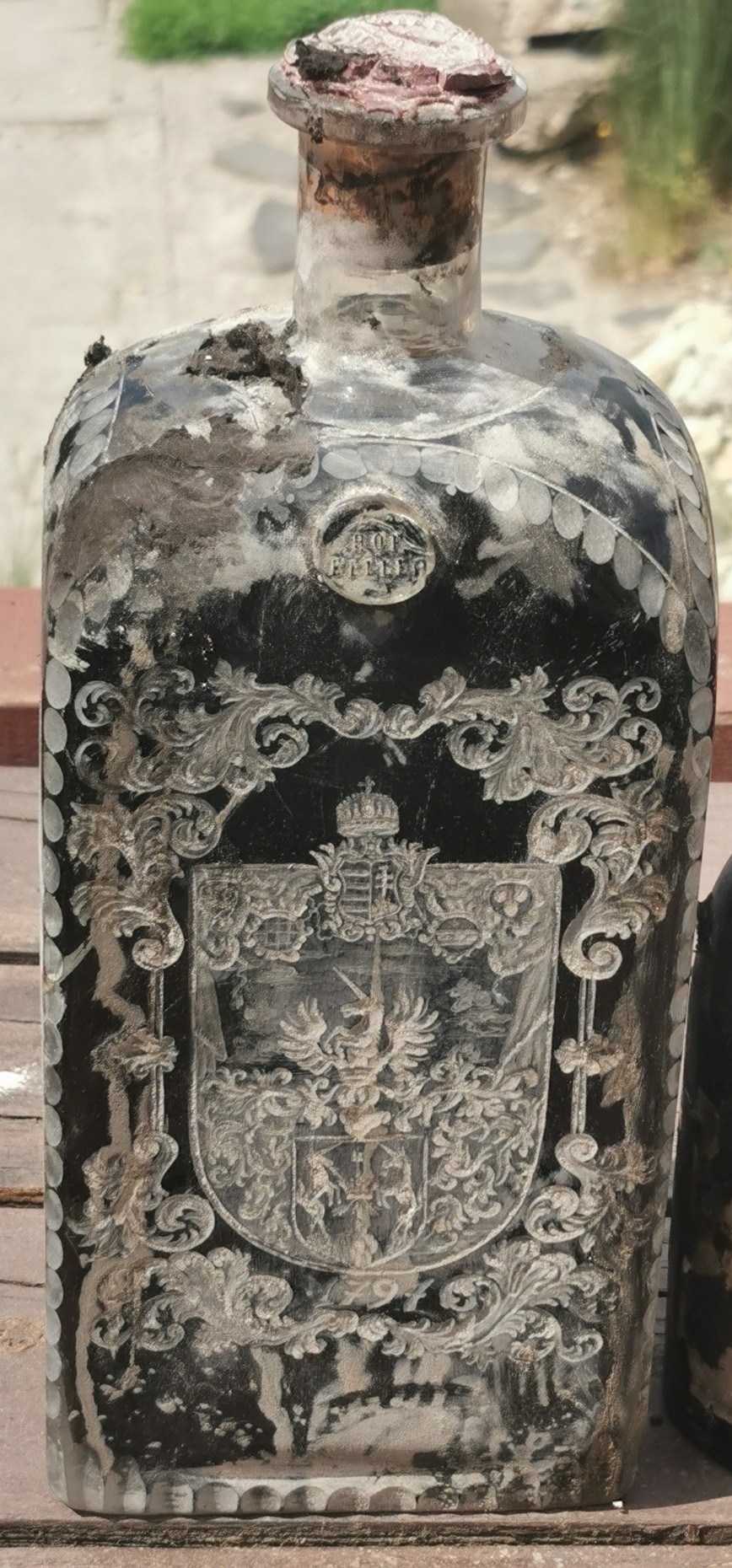
Others
Not the focus of this record, but sometimes what comes out of a cellar is not Tokaji at all — and worth keeping anyway.
Although not my focus of interest, occasionally we discover very old bottles that are interesting. Here are some of them.
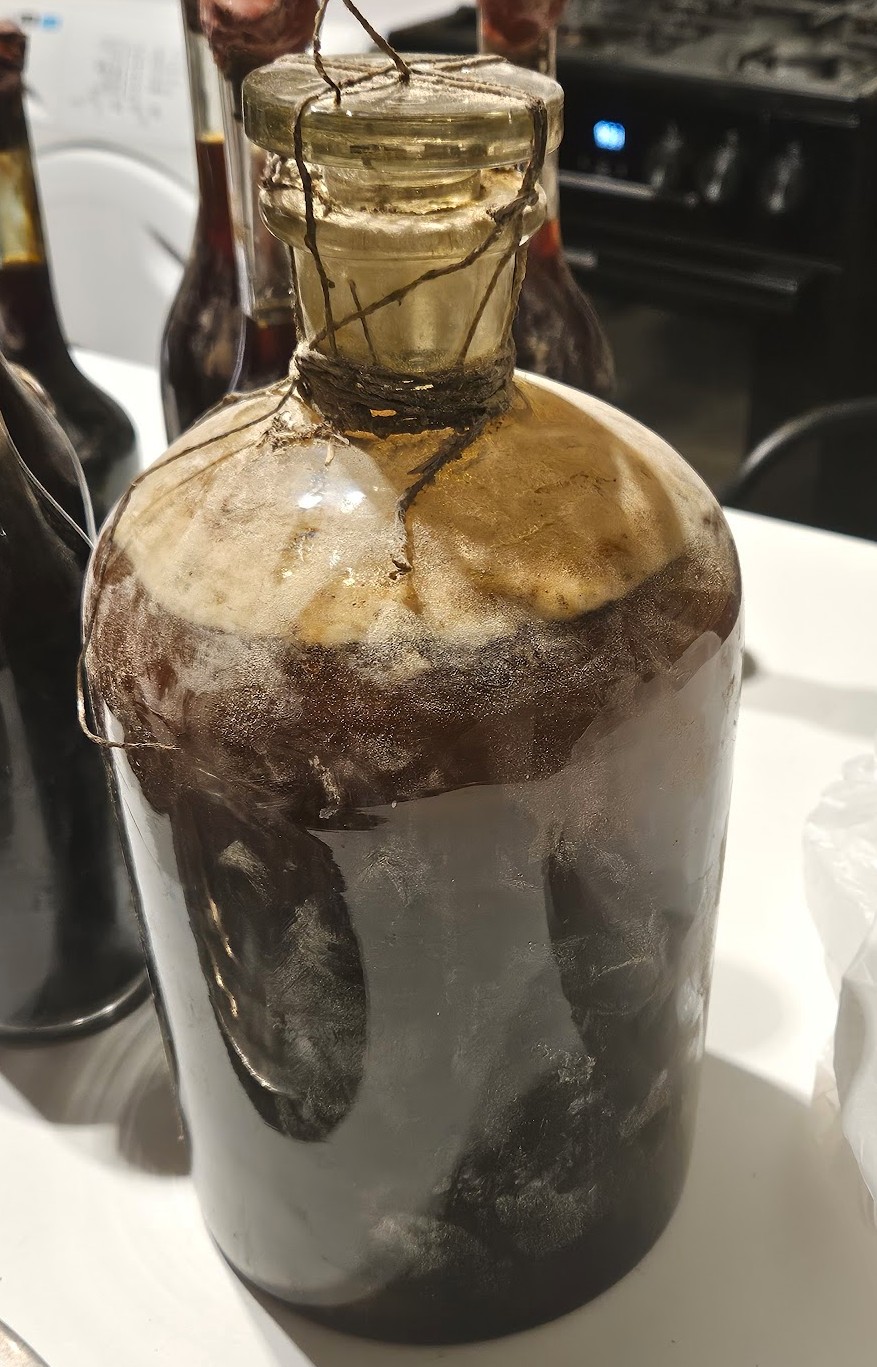
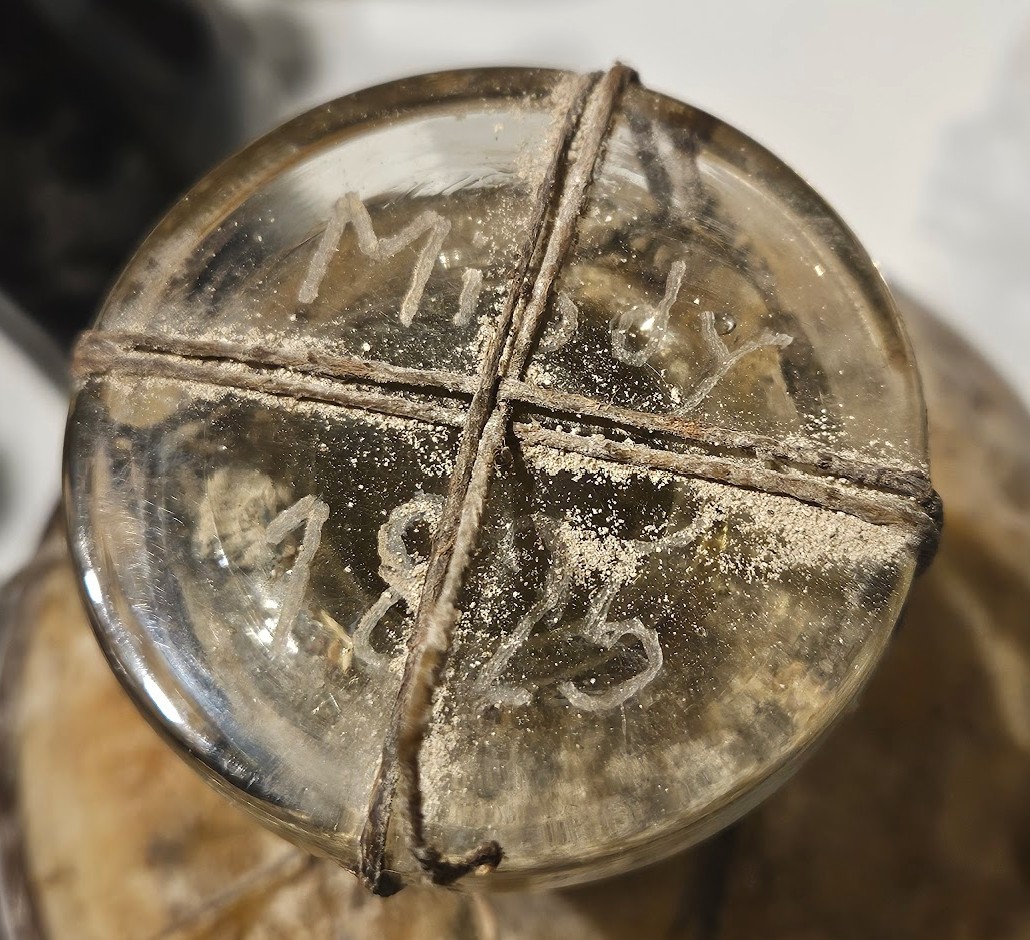
1825
This large unique bottle is probably the oldest known bottle of mead (honey wine).
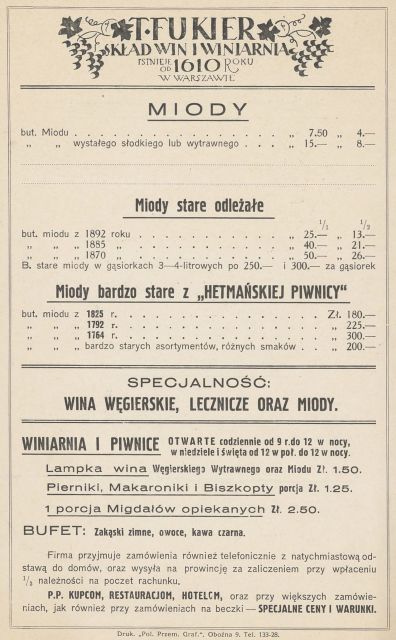
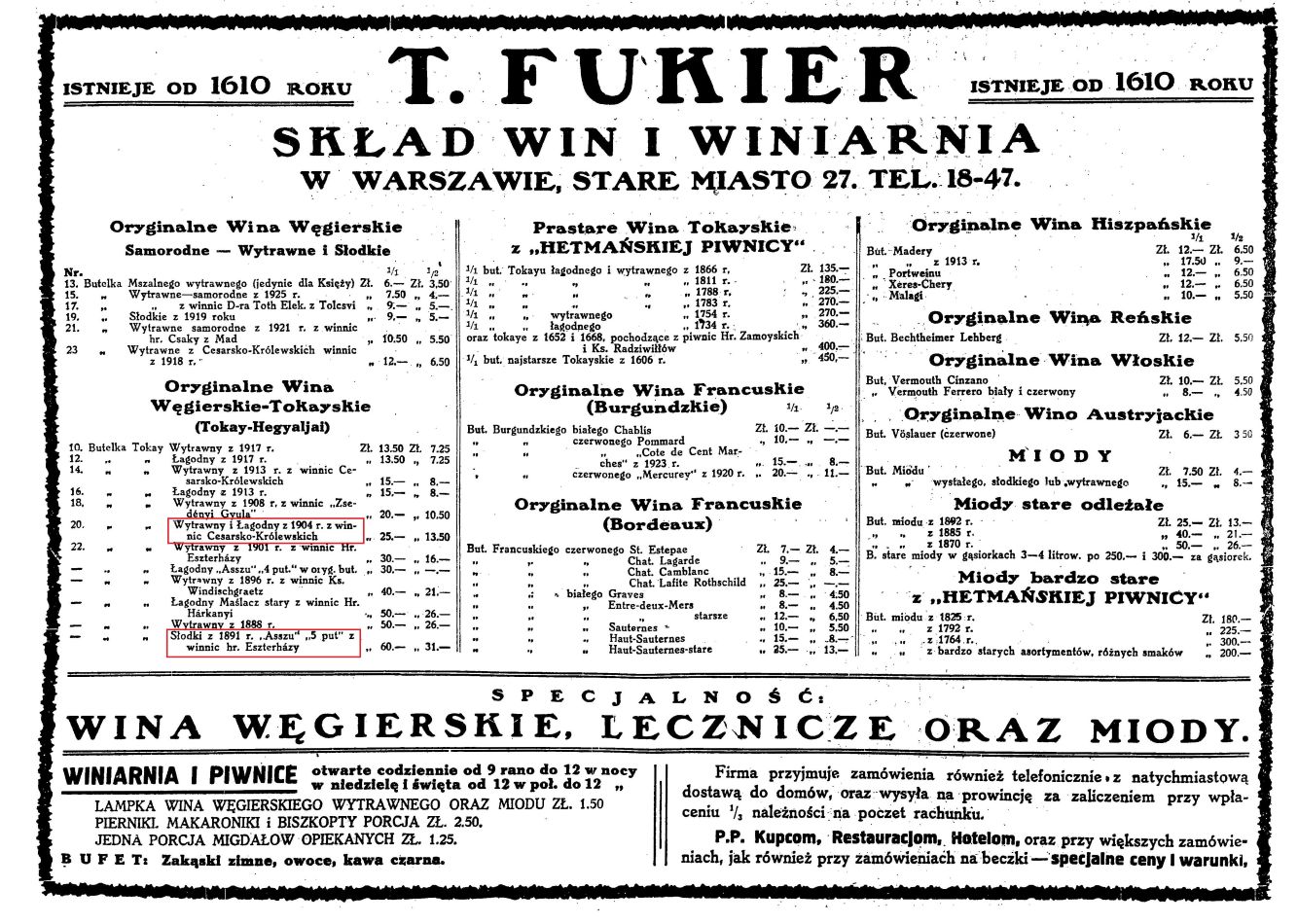
It was part of the Fukier cellar collection and can be found on old price lists (miody) as the oldest of all offered meads. The price of 180 Zloti is comparable to a Tokaji bottle of vintage 1811. Fukier expert Gabriel Kurczewski explains:
“During the interwar period, the Fukier winery was also famous for its meads. The 1929 price list listed the following vintages: 1892, 1885, 1879, and the oldest ones, belonging to the Hetman’s Cellar collection: 1825, 1792, 176496. According to Henryk Maria Fukier, the oldest meads were collected by Florian Fukier, but the purchase book does not confirm this. Teofil bought honey several times only in the 1880s. His supplier was a well-known Krakow honey producer, J. Wójcikiewicz. Perhaps Fukier began to buy honey in larger quantities only after the popular historical legend of the wine bar had taken shape, arousing guests’ interest in this old Polish drink.”
Drinkability is unknown, the bottle is unopened. Bottle and content have not been chemically analyzed. Some sources claim that old mead can be harmful, others state that honey itself can practically be kept forever.
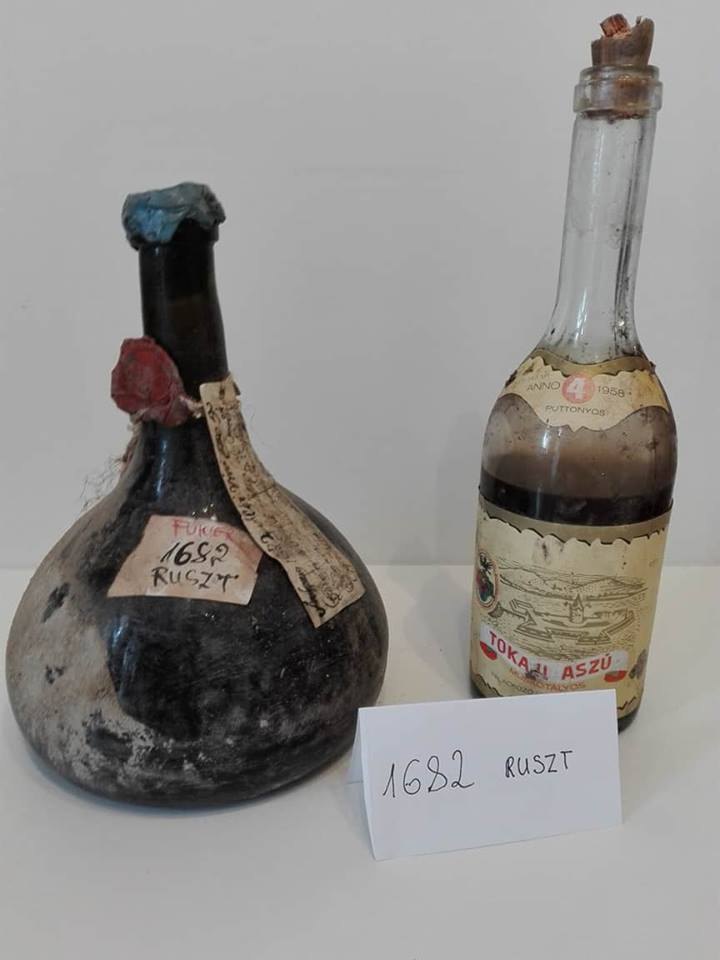
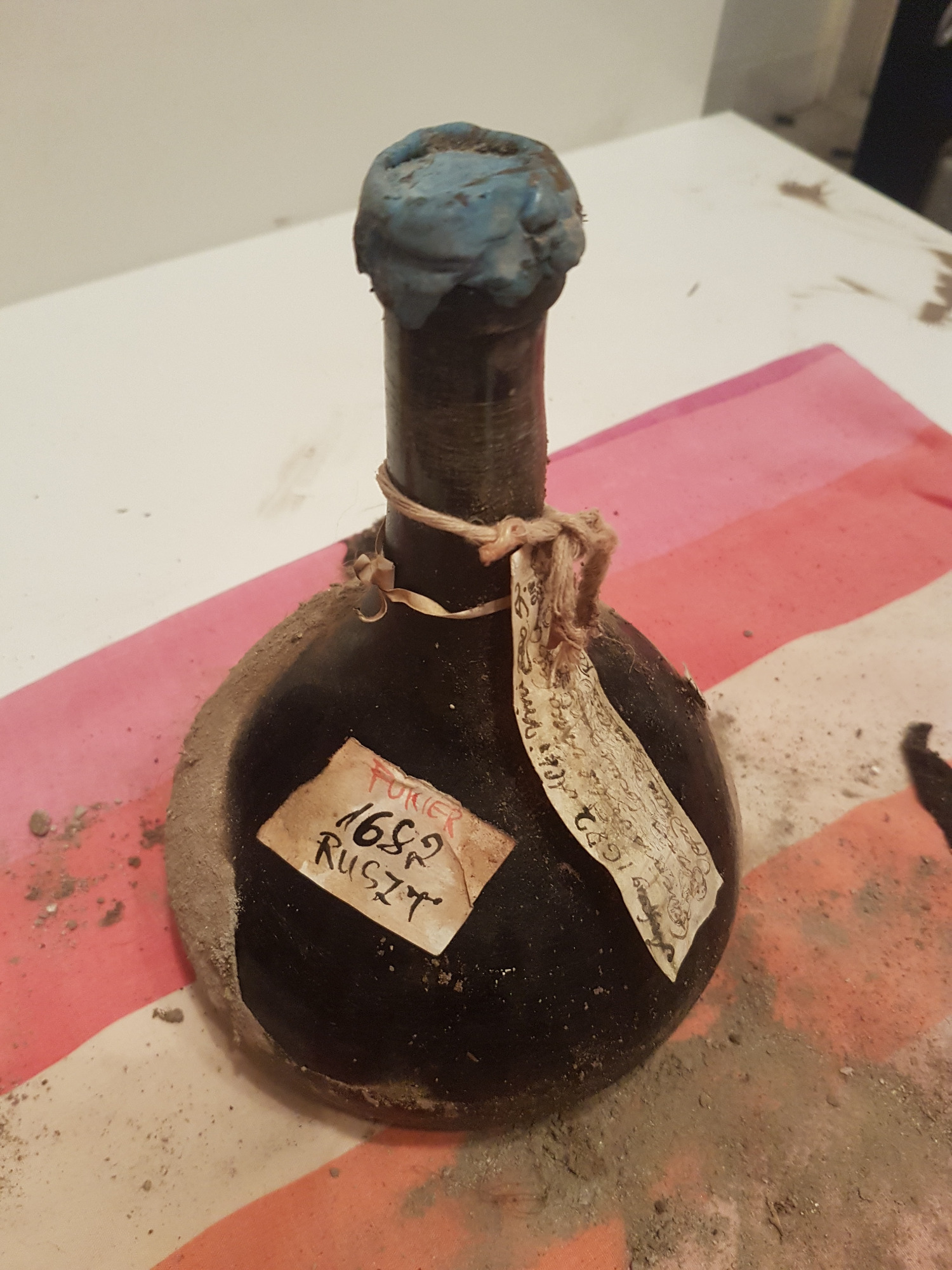
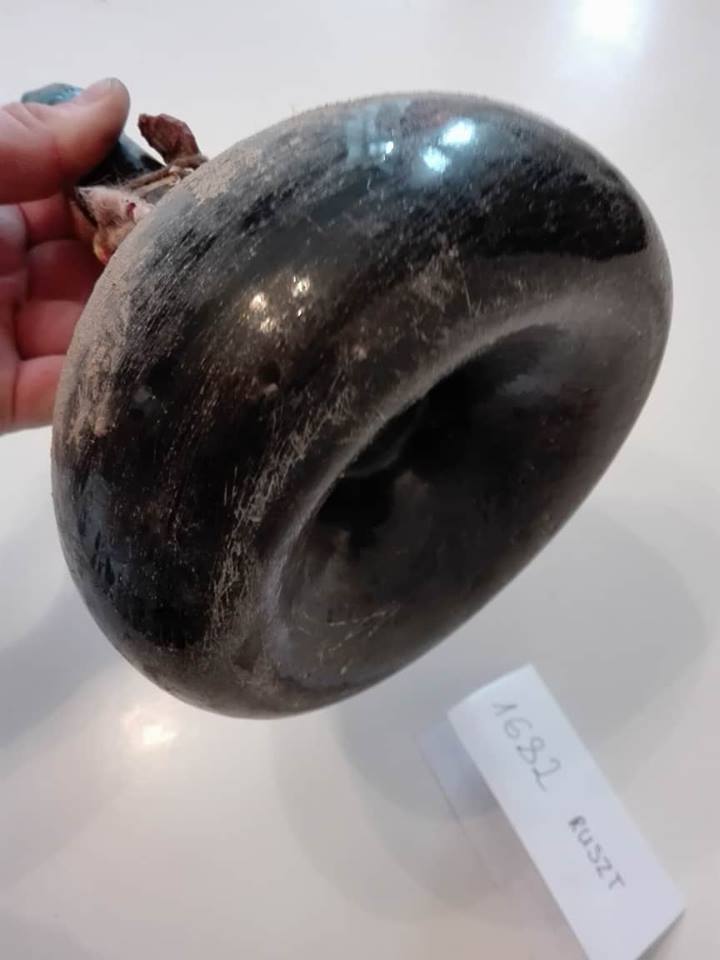
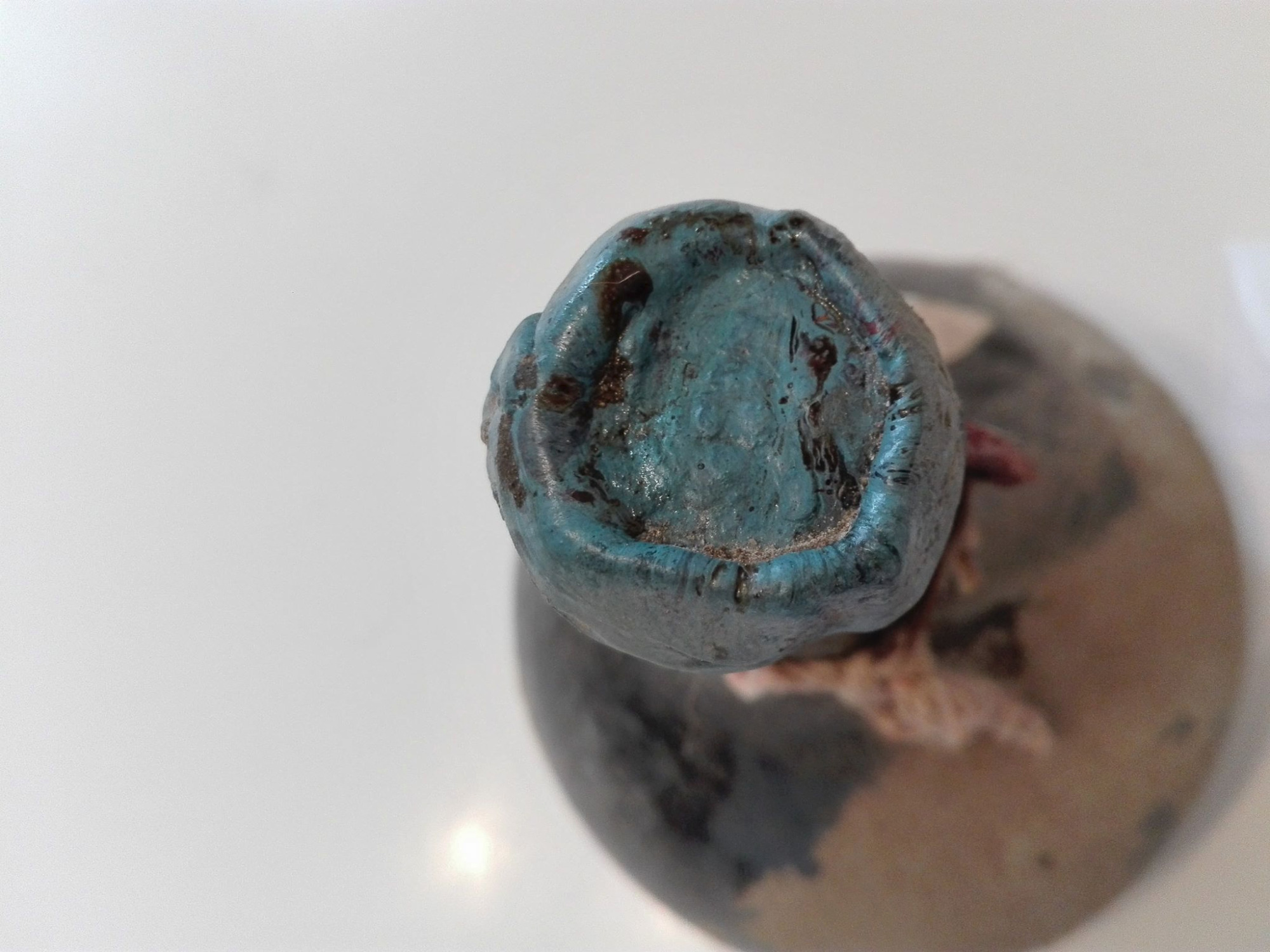
1682
A historic bottle in several aspects:
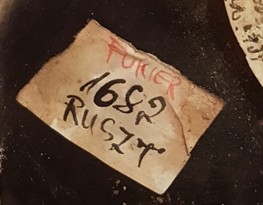
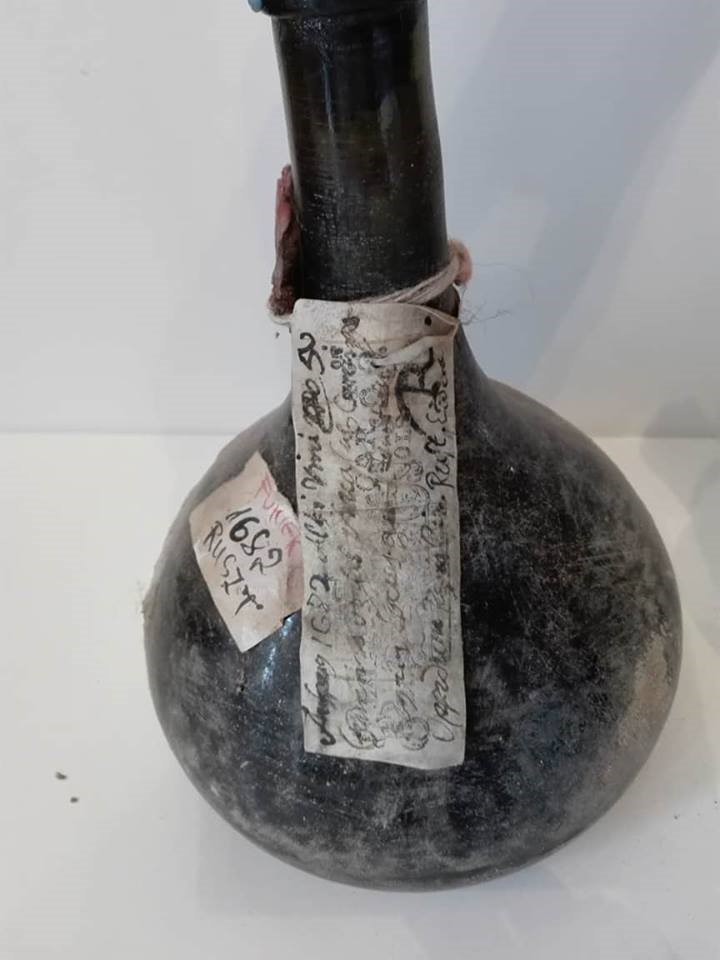
There is no further documentation. The bottle does not appear in pre-war Fukier price lists, neither in the German confiscation lists of the Fukier cellar. Ruszt is written in the Hungarian version, the text on the neck label is hard to decipher, but the last word seems to suggest that it is Essencia.
One inconsistency to settle
The overview page calls this bottle a 1684 Ruster Ausbruch, its own article calls it 1682. I have used 1682 here, following the article. Tell me which year is right and I will make both agree.
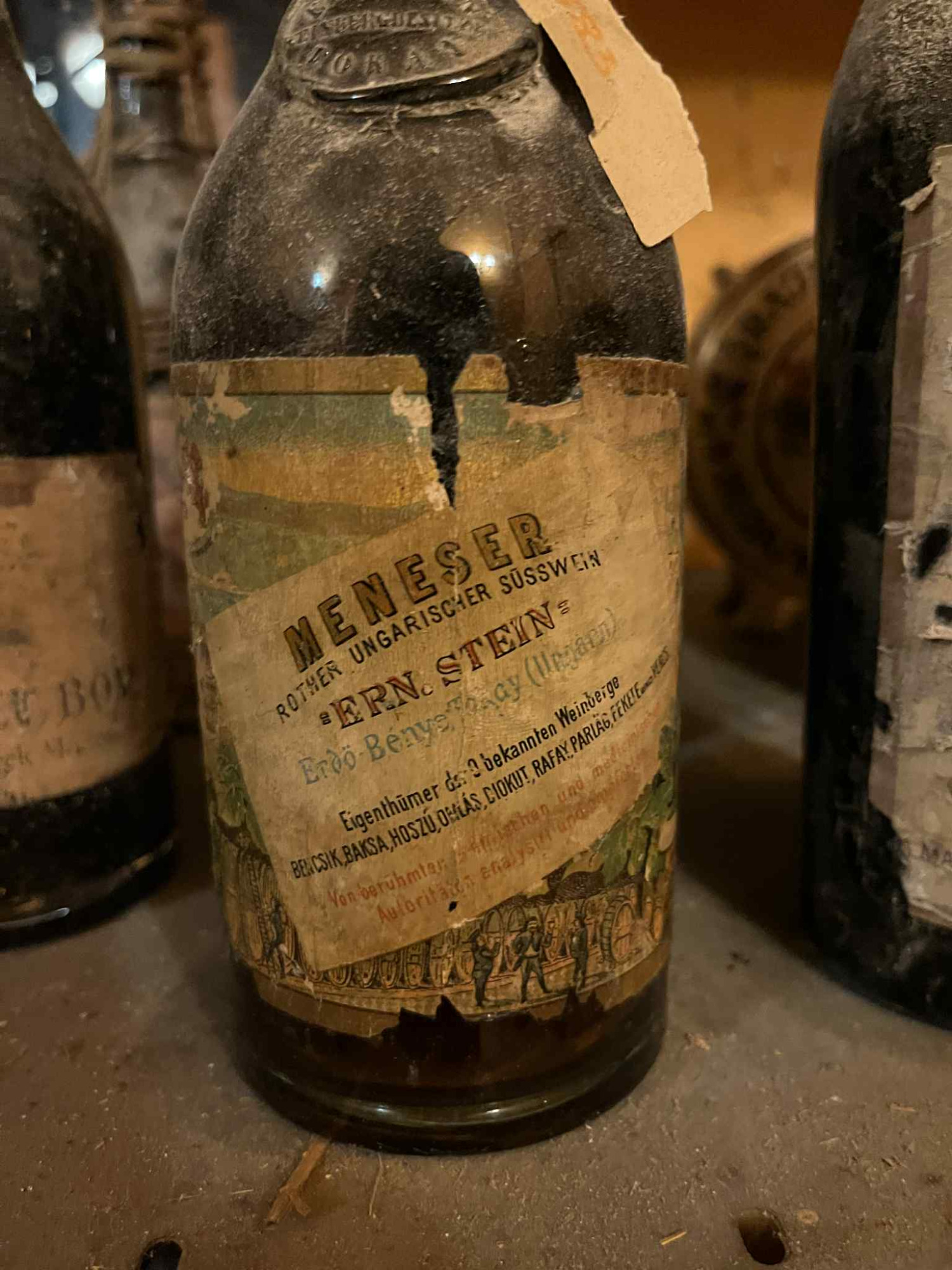
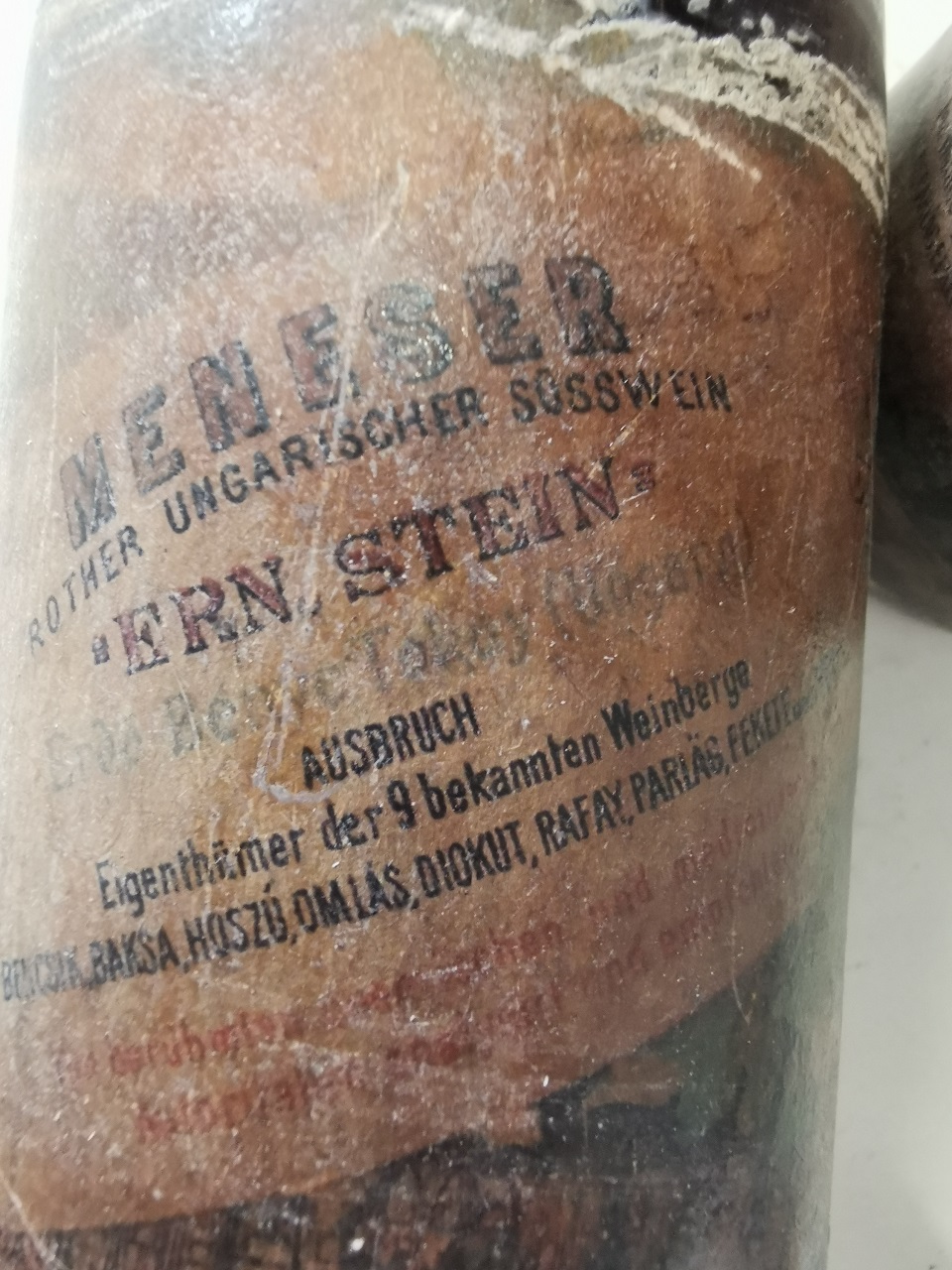
1895
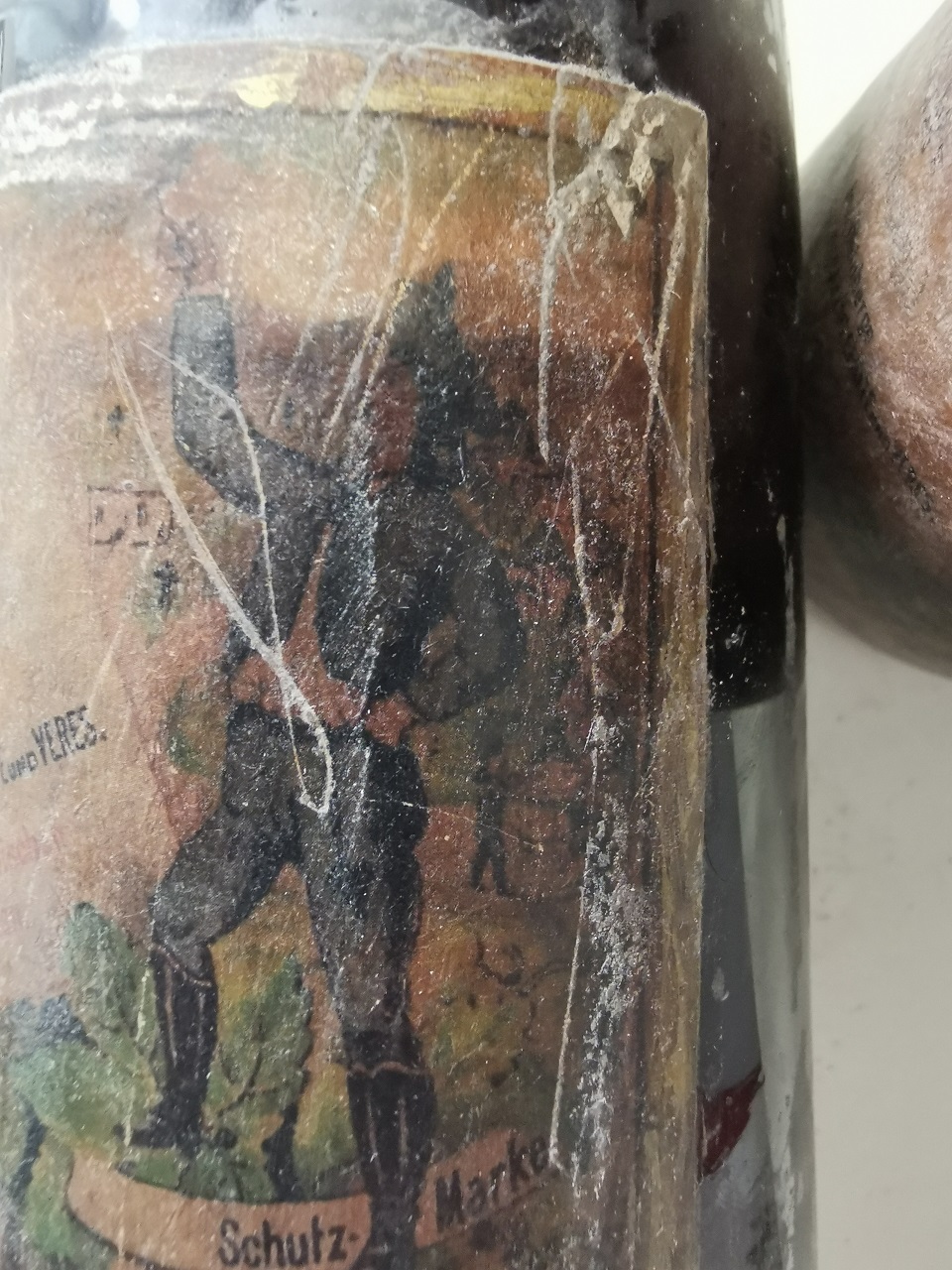
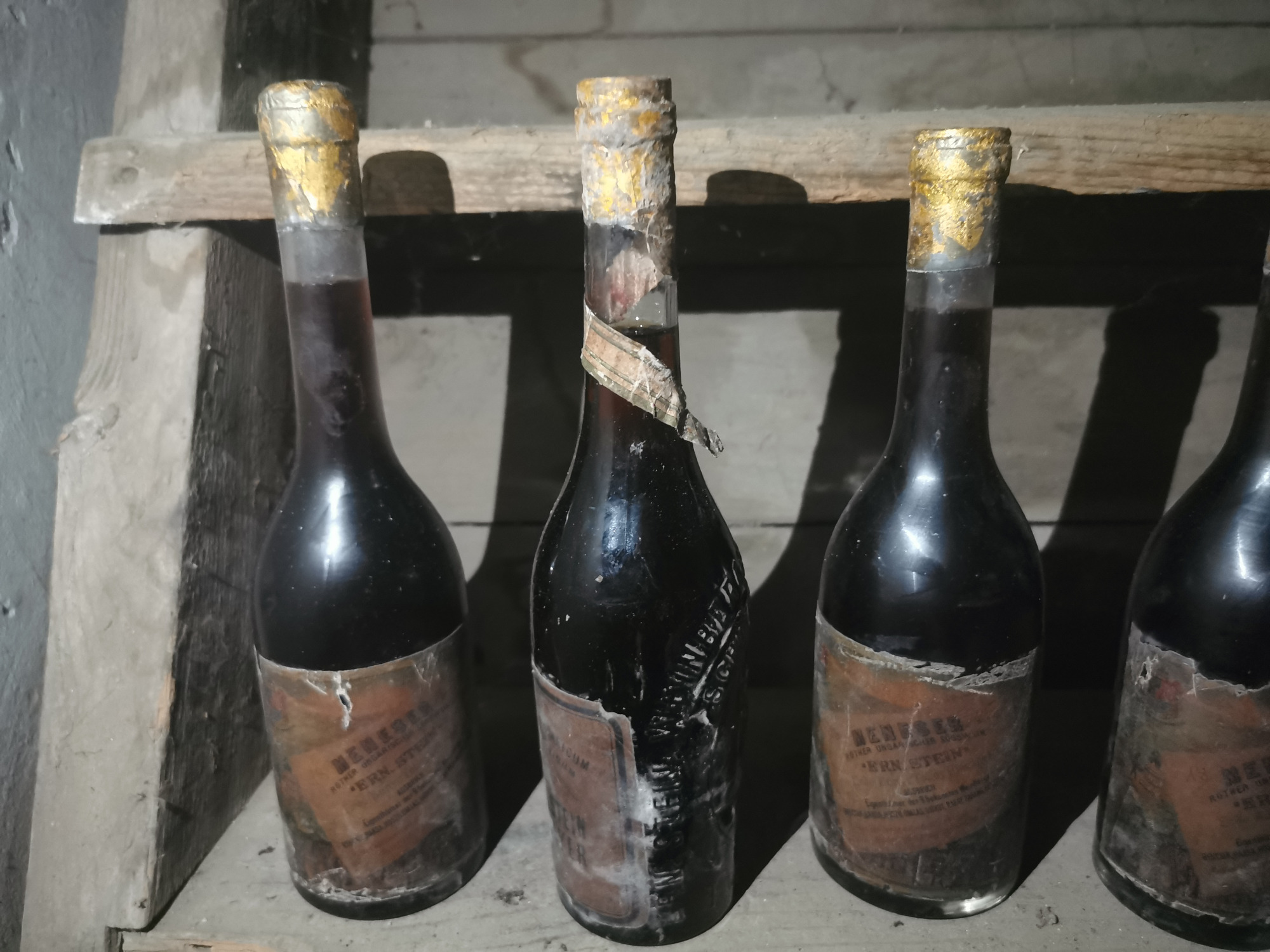
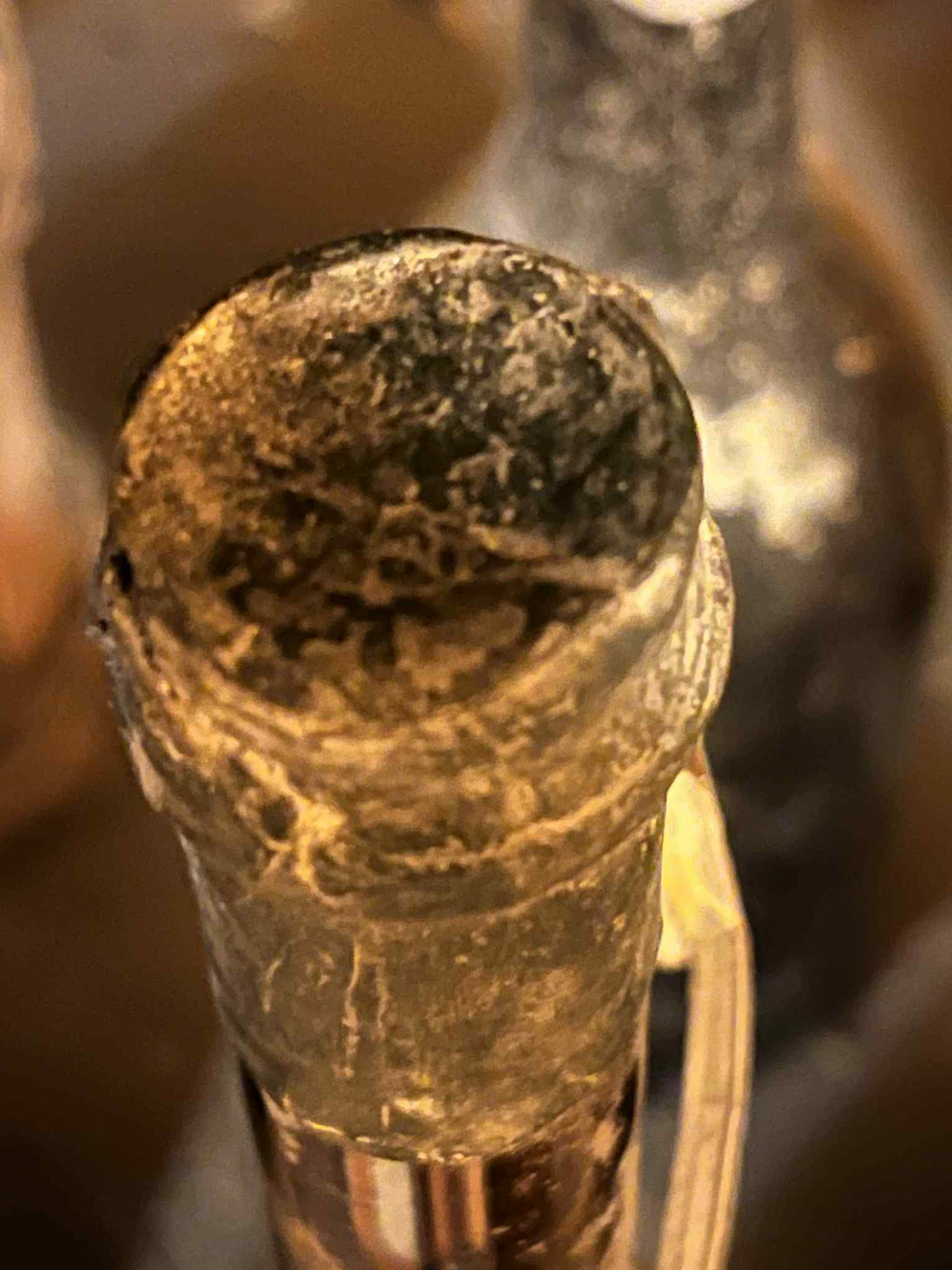
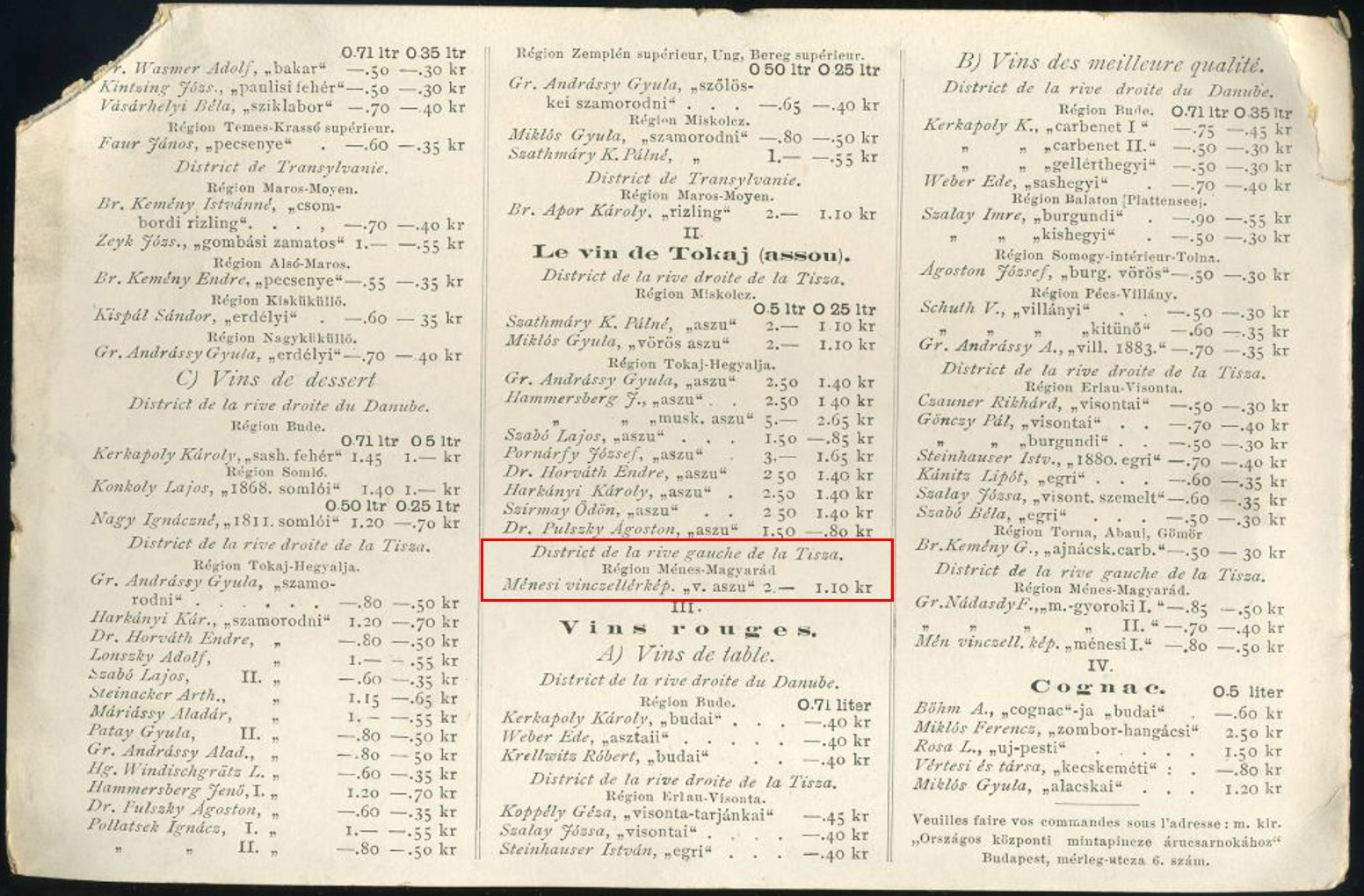
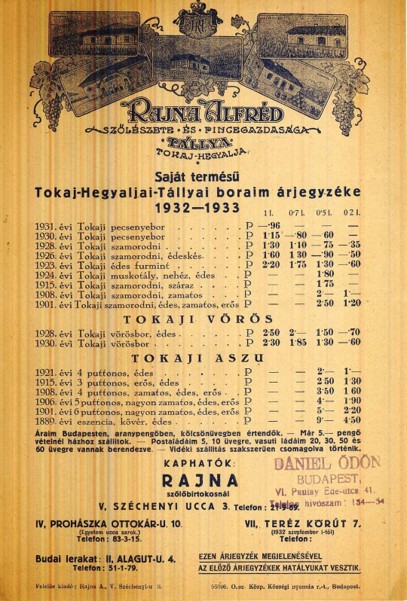
Red aszú from Ménes used to be a well-known wine, but today no one seems to produce it and it has long been forgotten. Until recently not a single historic bottle of red aszú from Ménes was known but luckily 4 bottles have surfaced, all labeled by Ernő Stein. I also found an interesting tokaji price list from the 1930-ies containing sweet red.
Here are some links to articles describing how aszú was made in Ménes (e.g. Kadarka grapes):
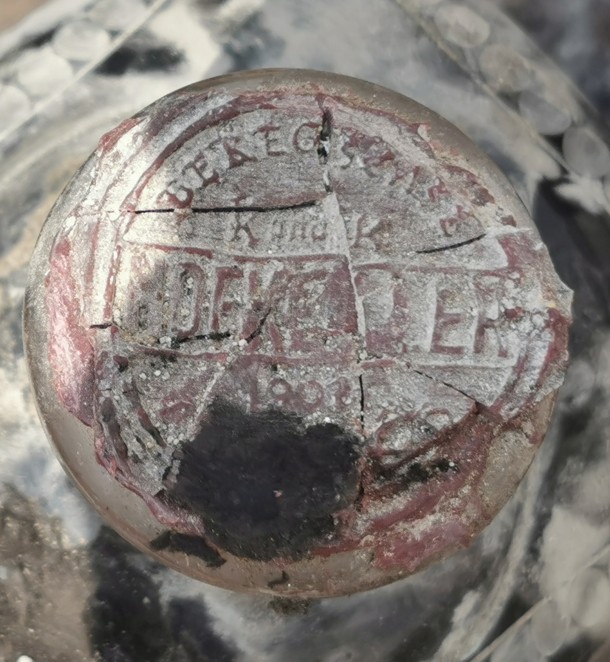
1901
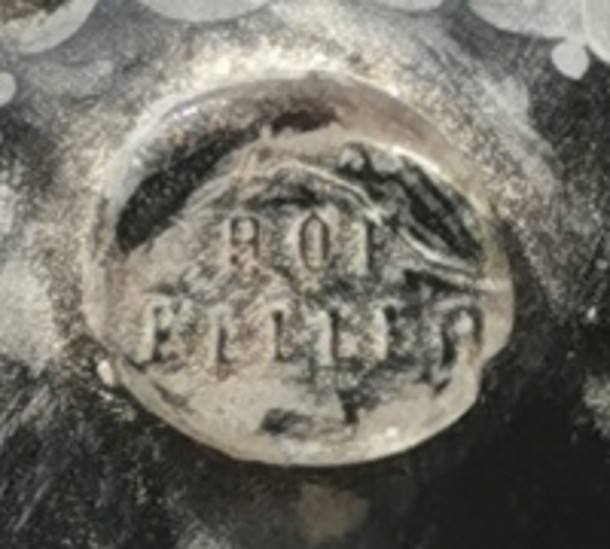
A very unique bottle in several aspects:
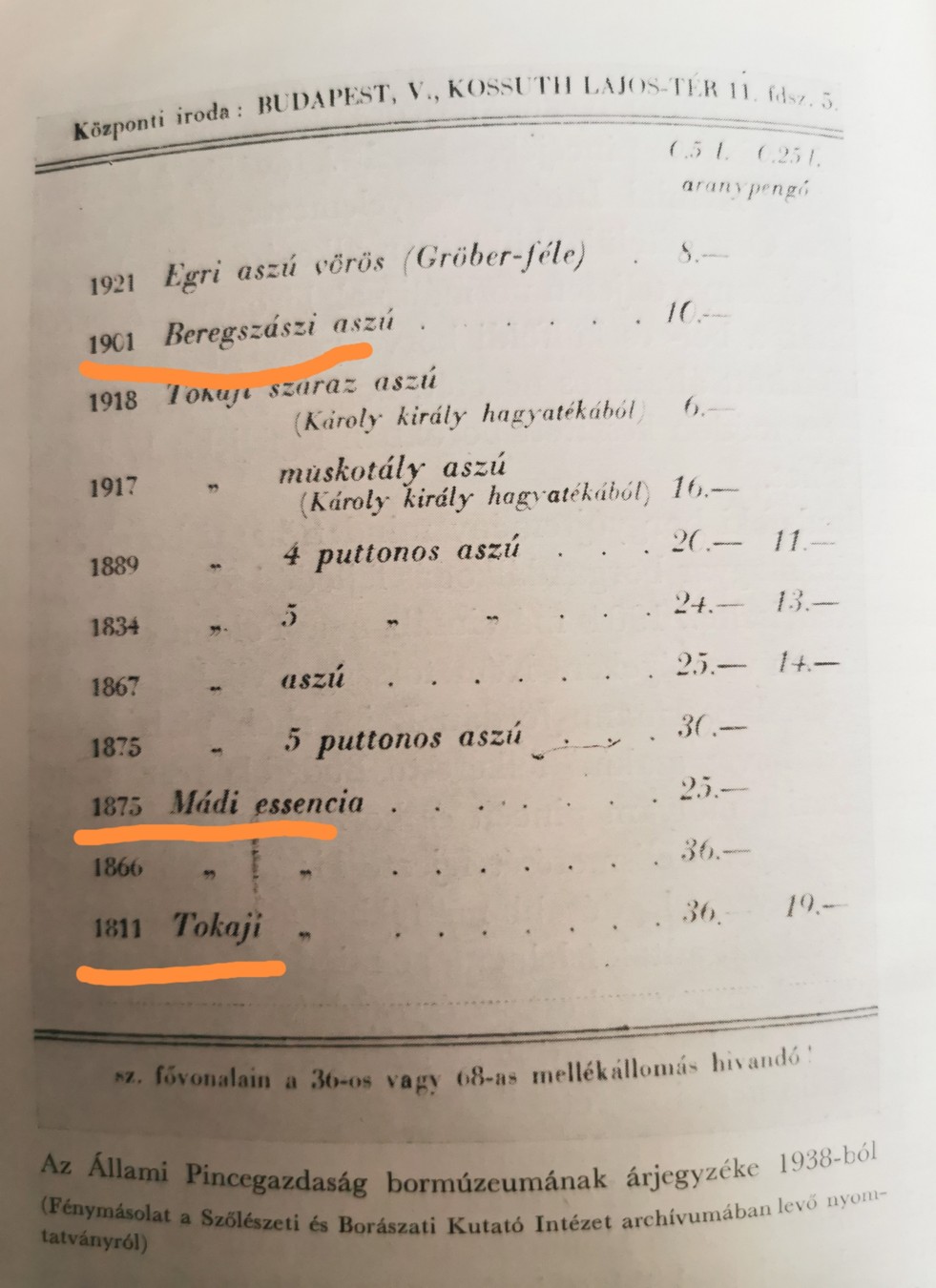
Aszú wines from Beregszász can occasionally be found in old price lists. The bottle shape and size seems to be very similar to (empty) Hofkeller bottles found on auctions.