—
Tokaji as Medicinal Wine
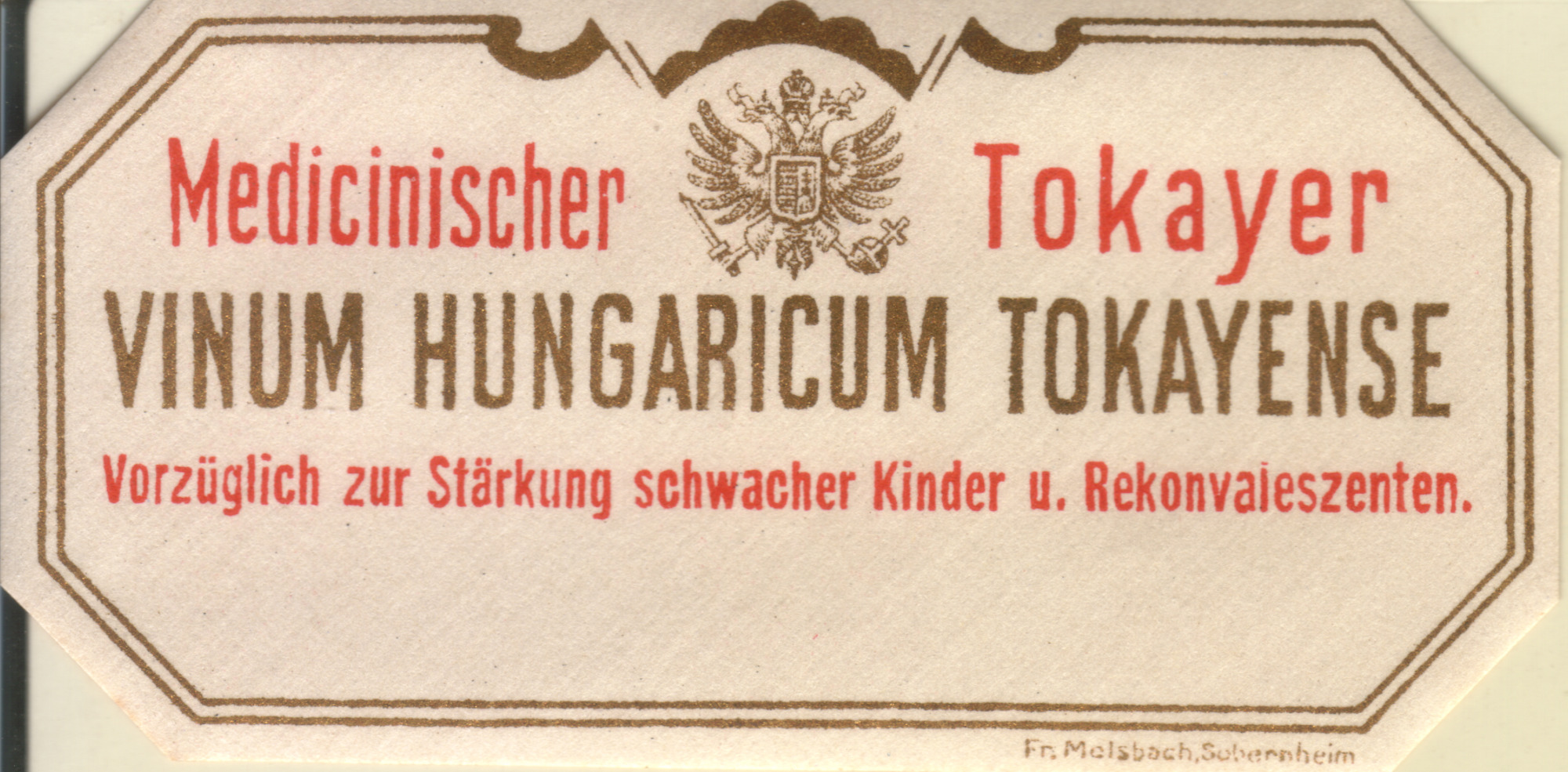
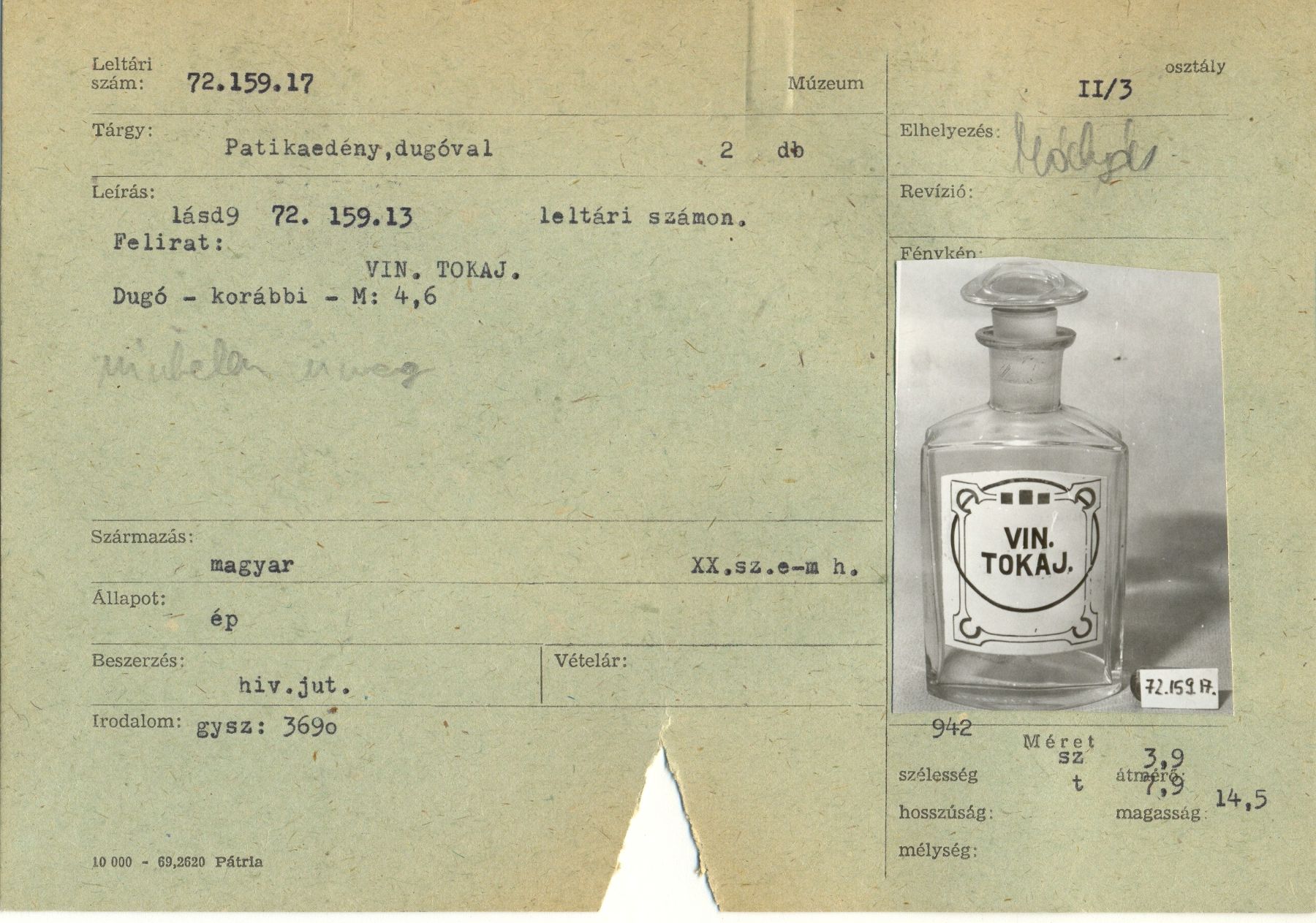
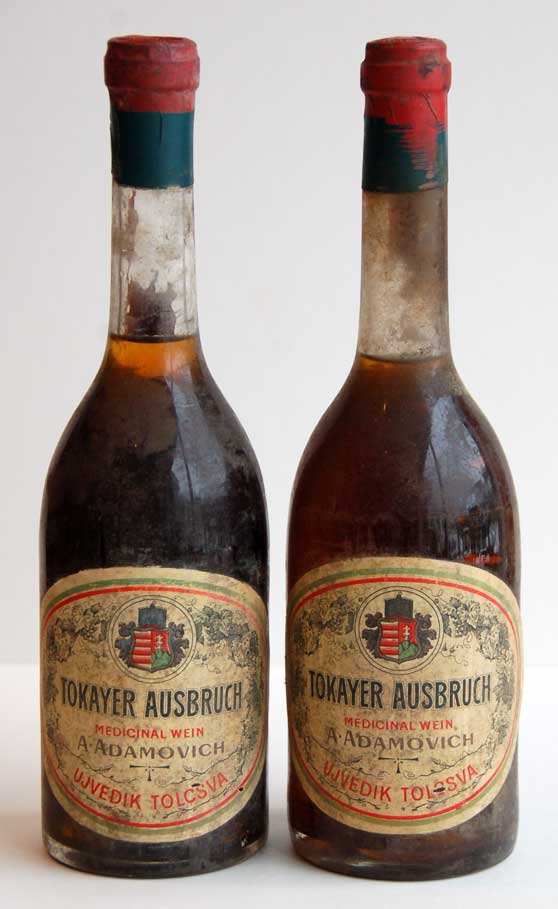
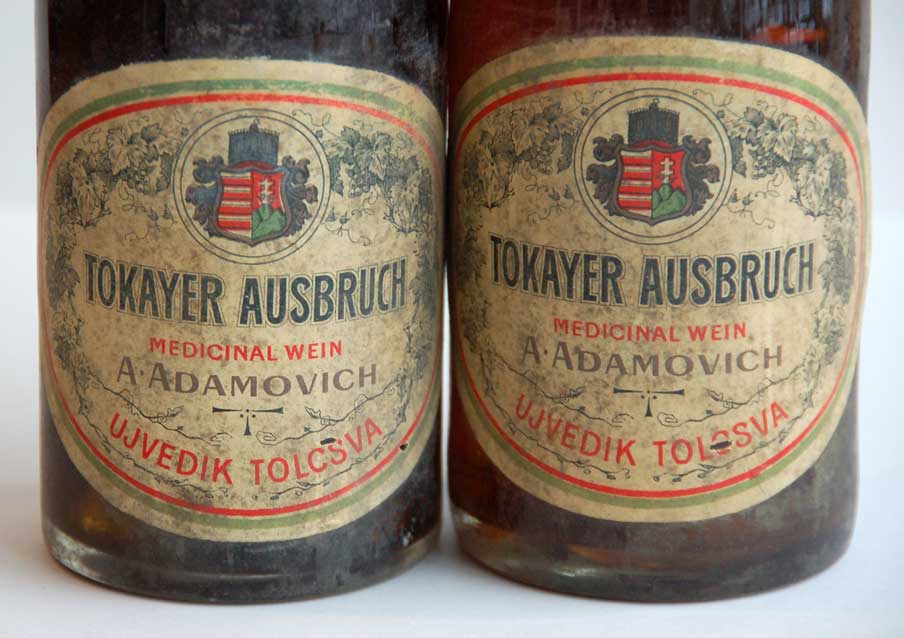
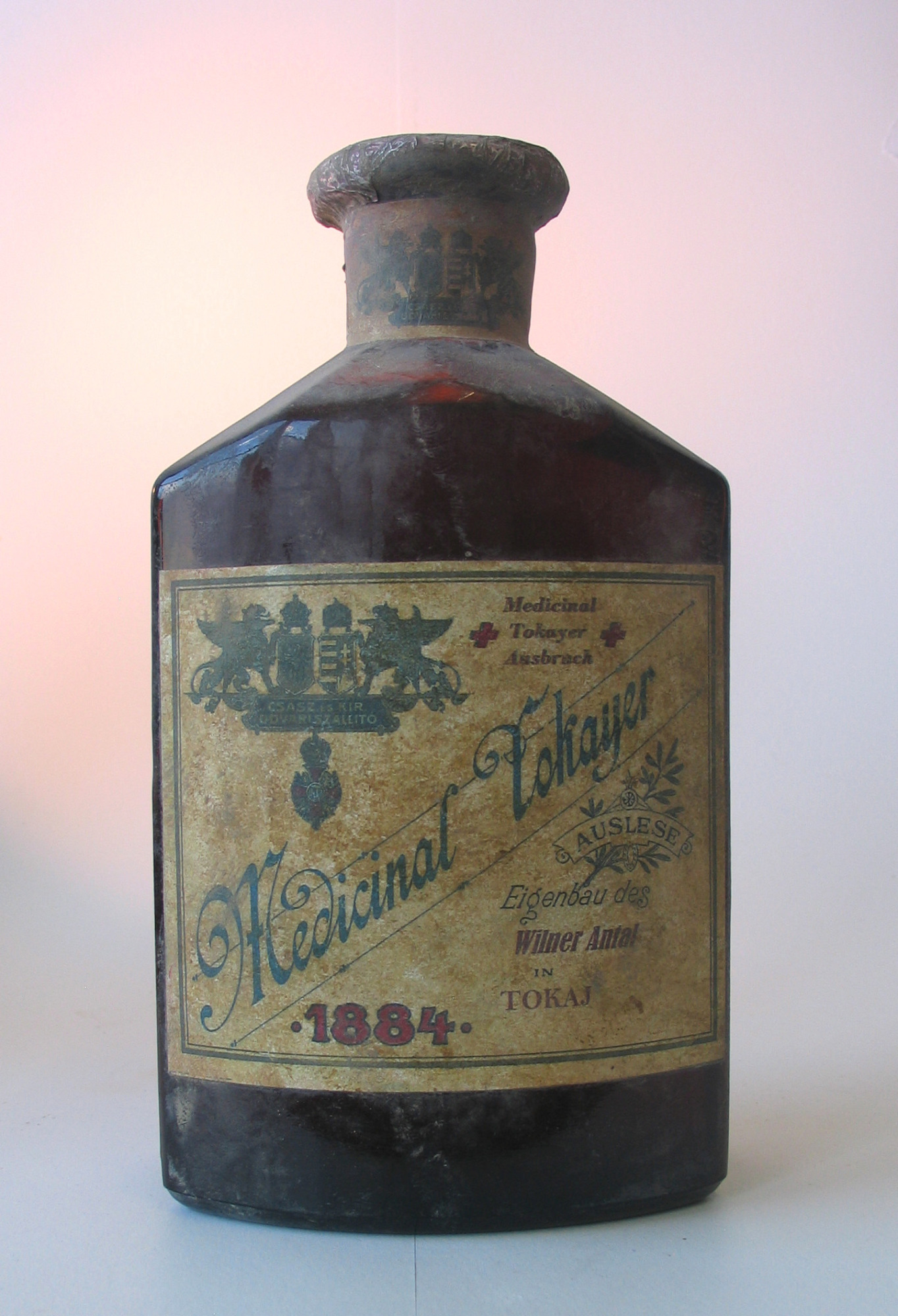
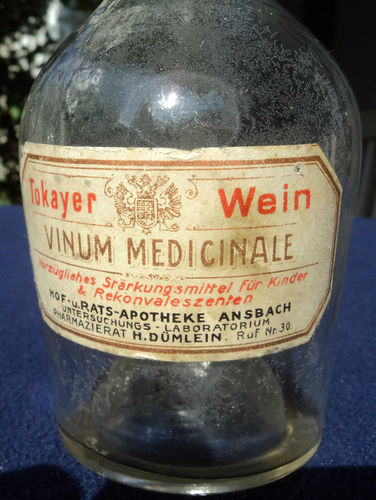
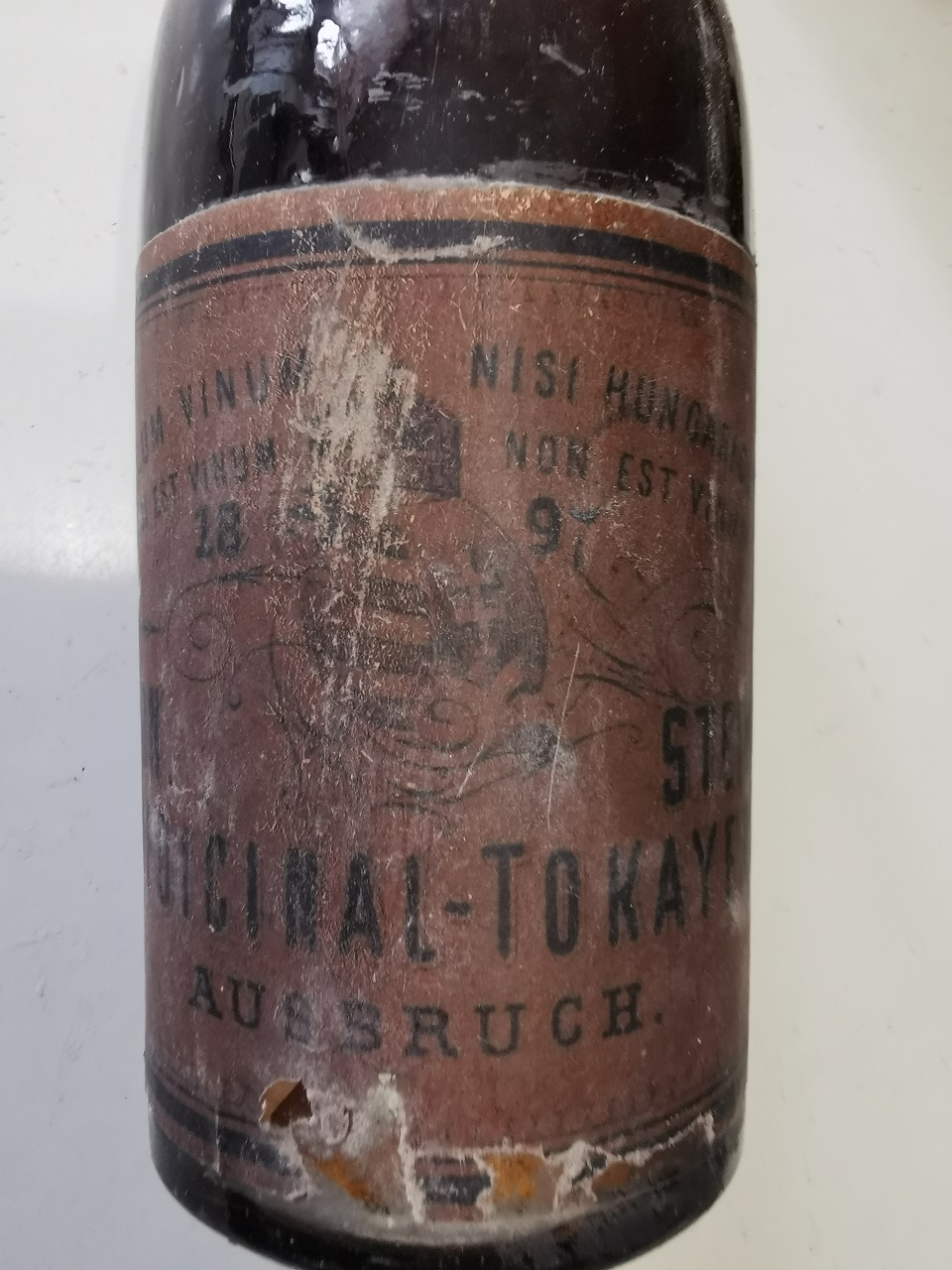
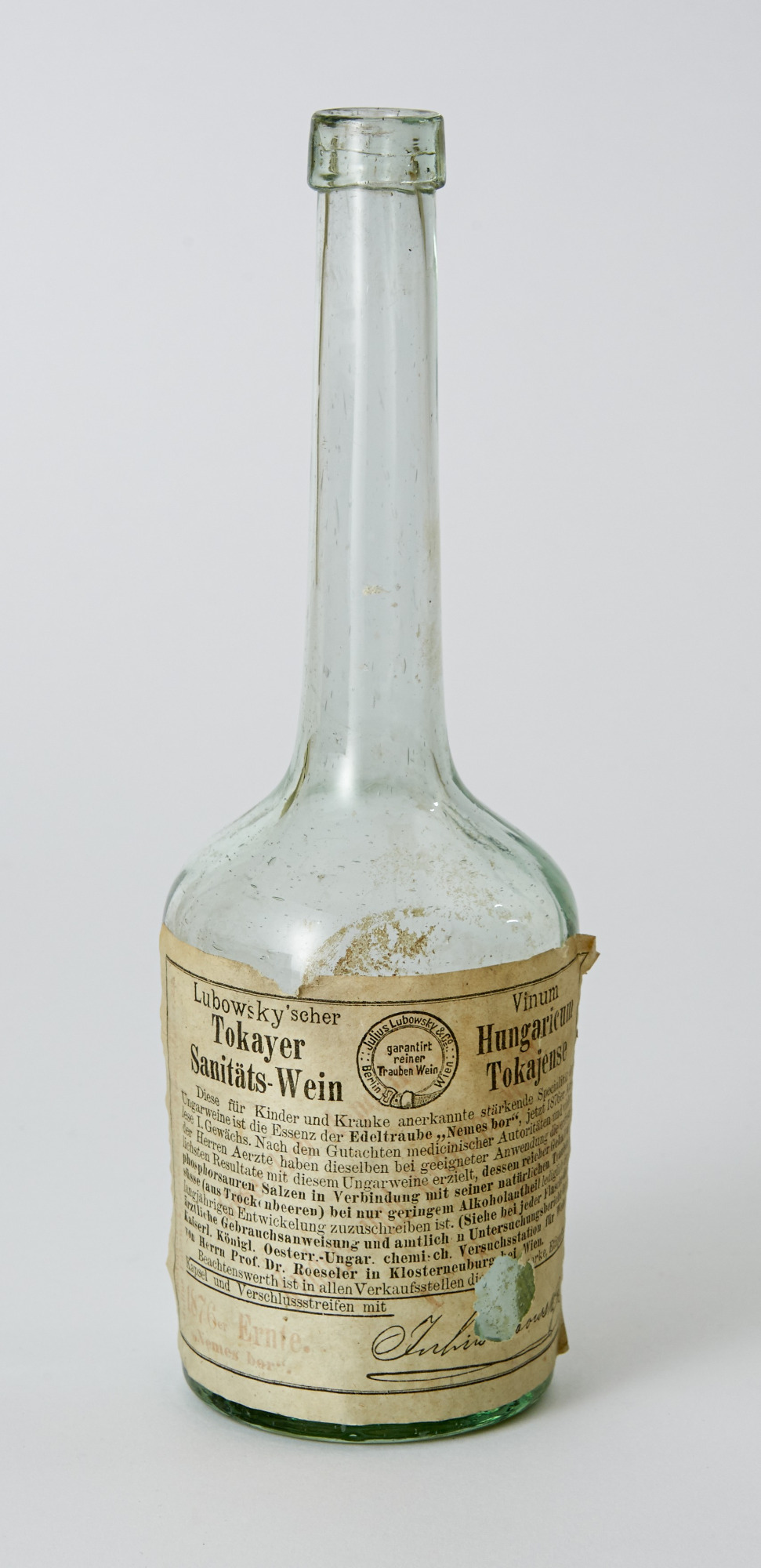
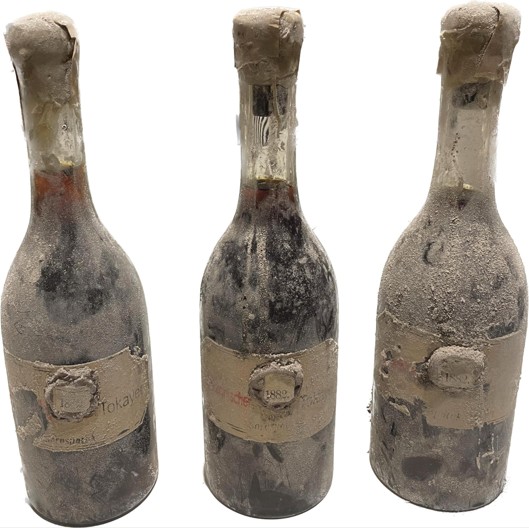
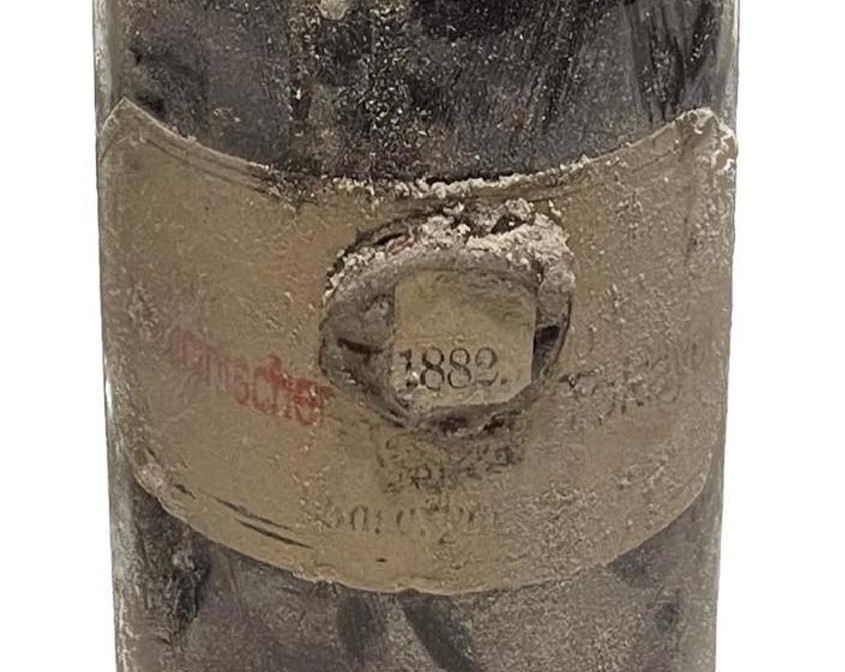
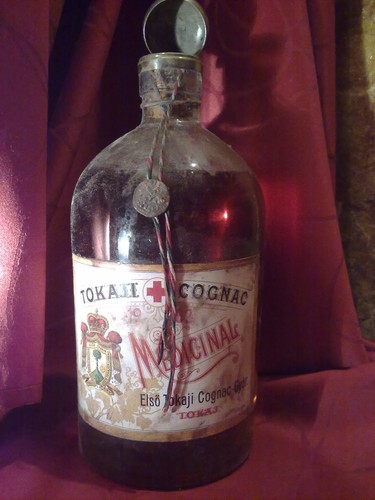
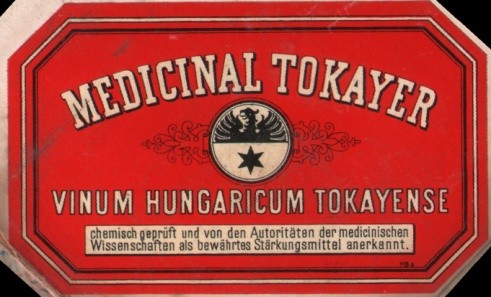
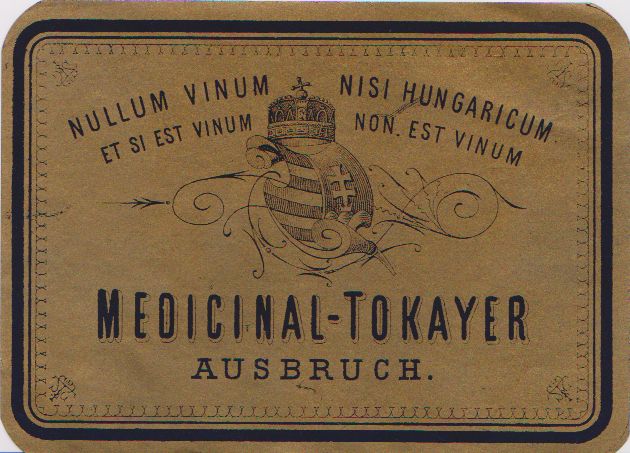
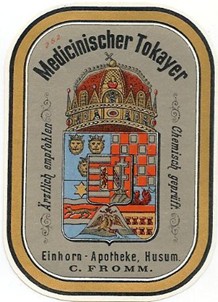
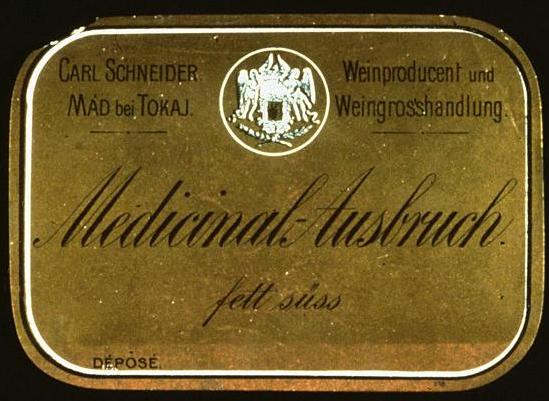
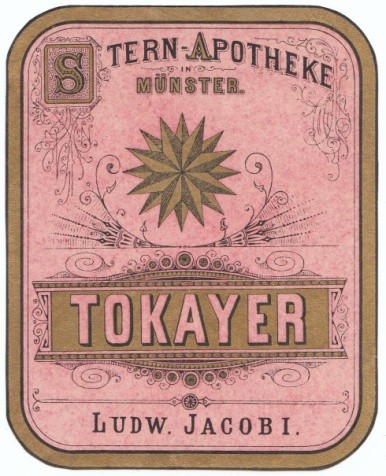
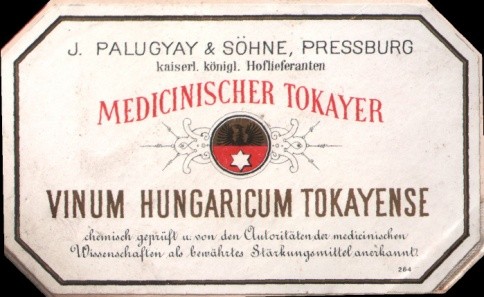
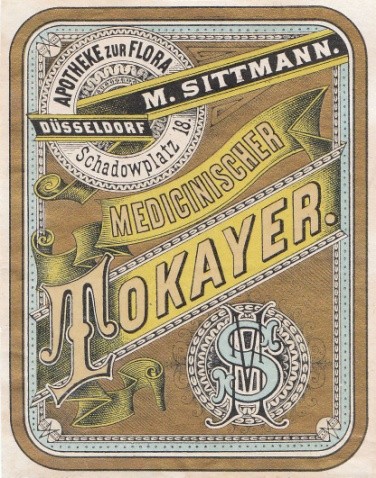
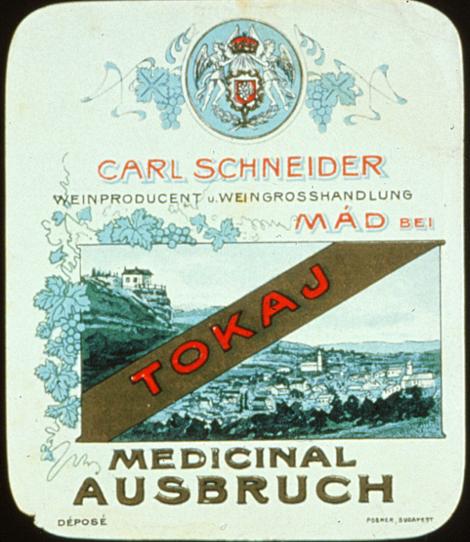
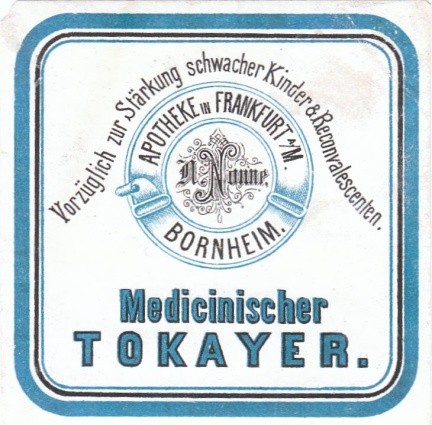
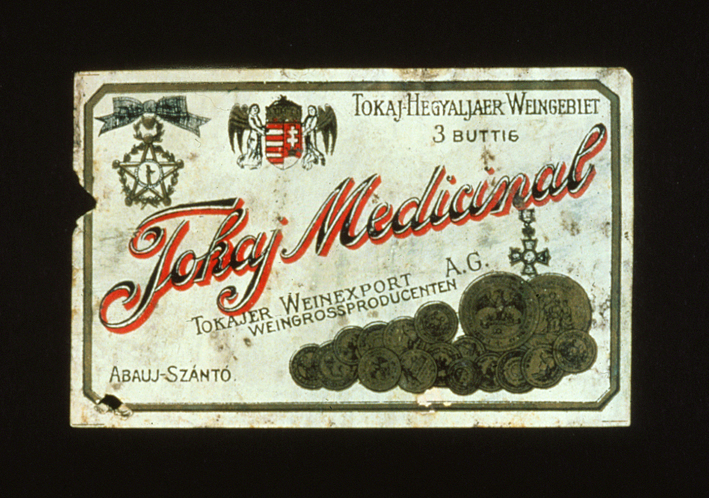
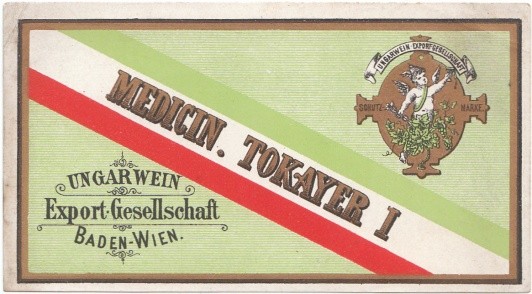
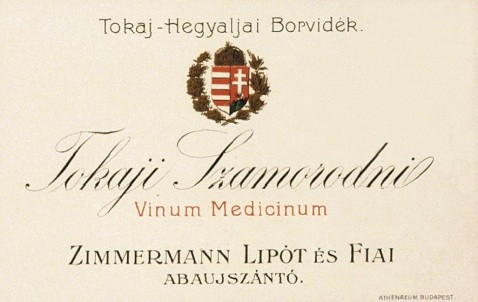
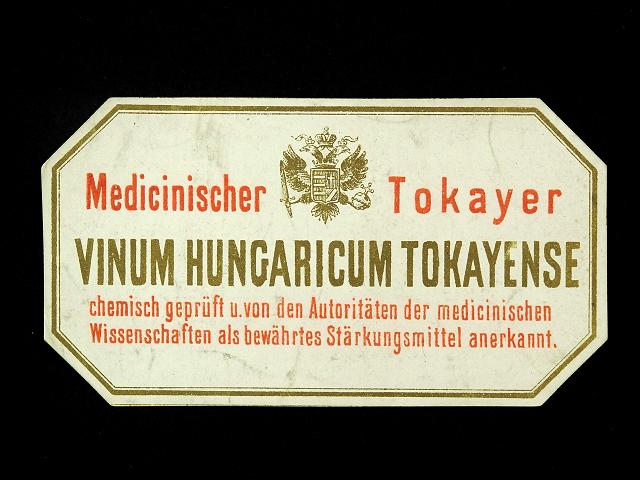
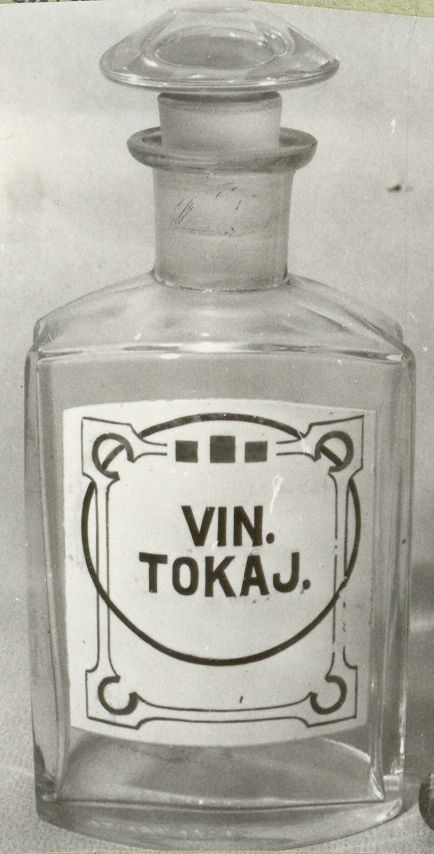
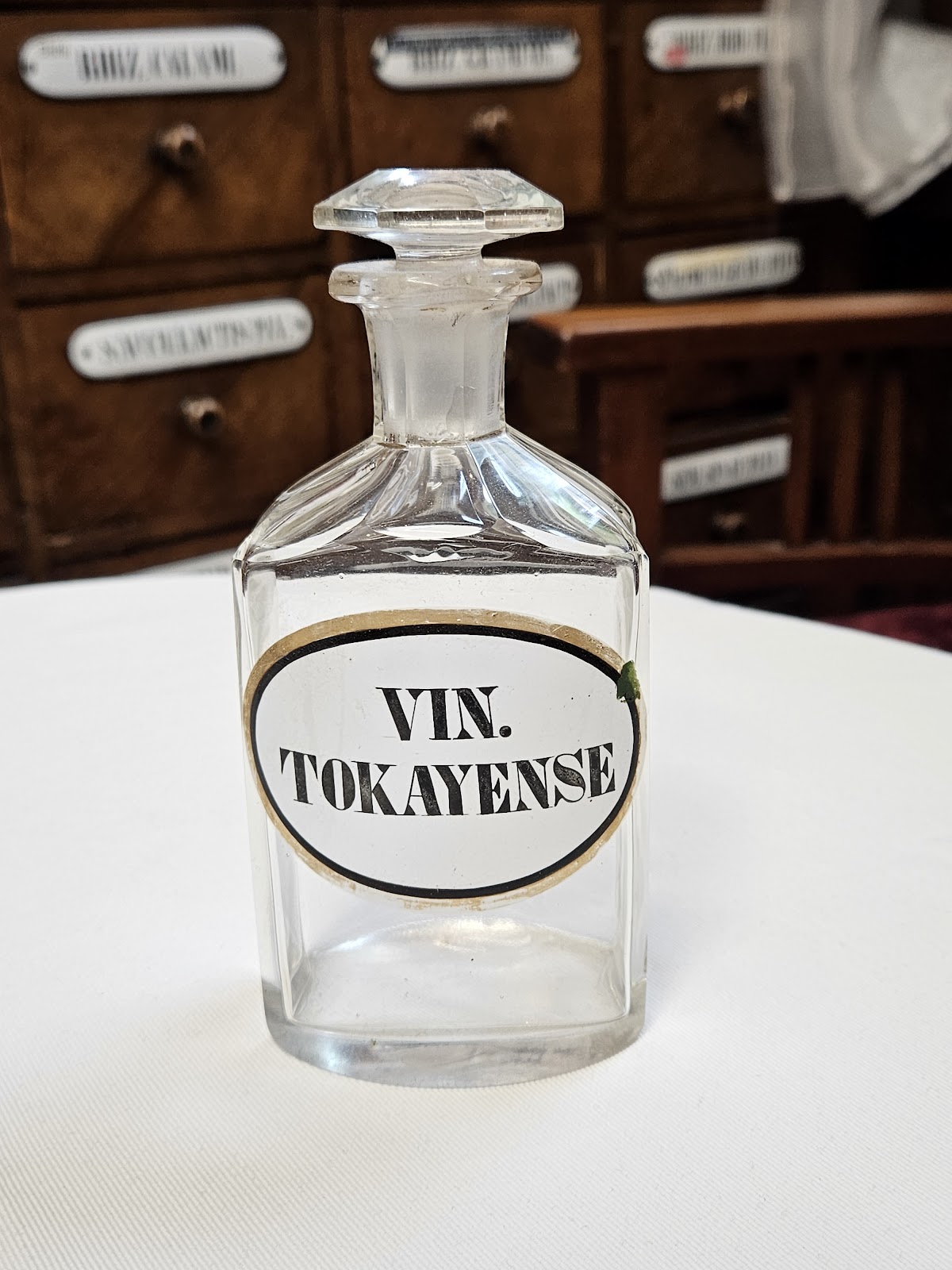
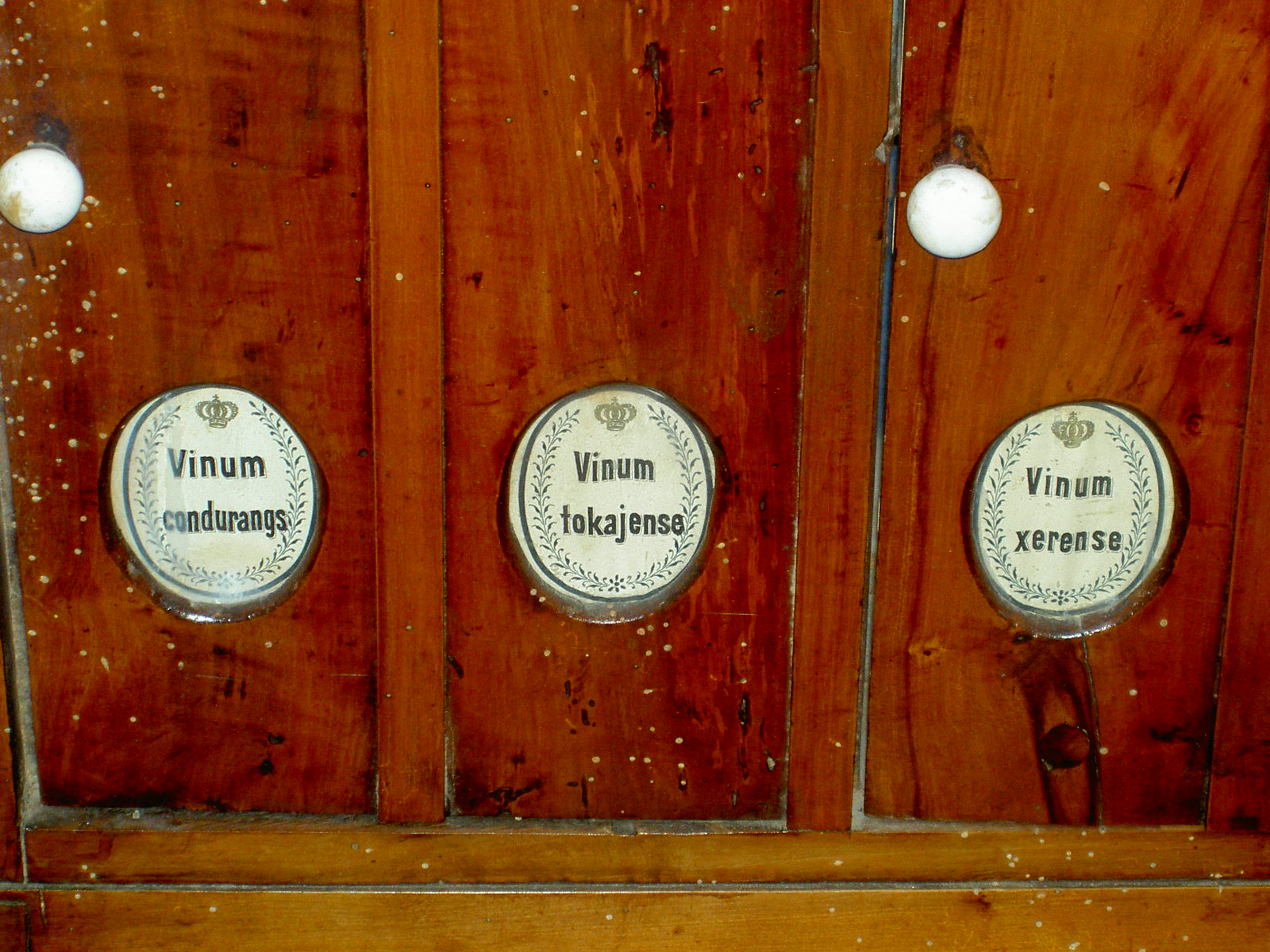
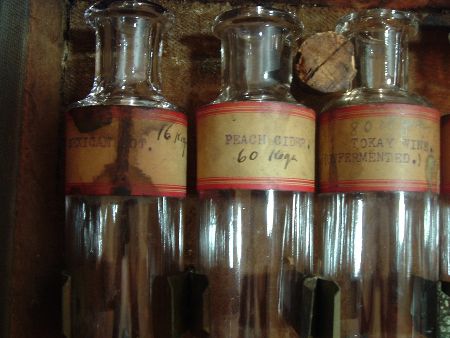
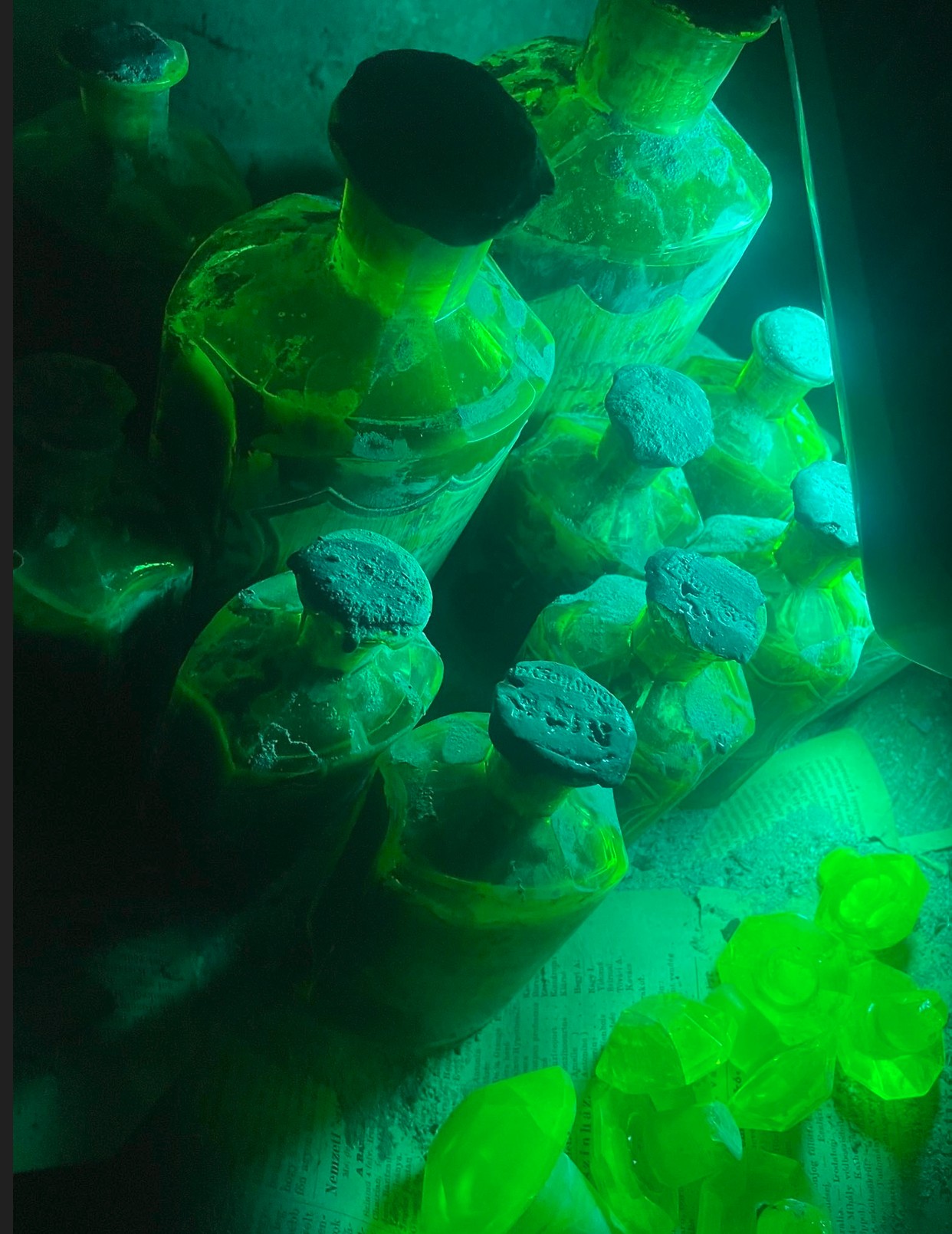
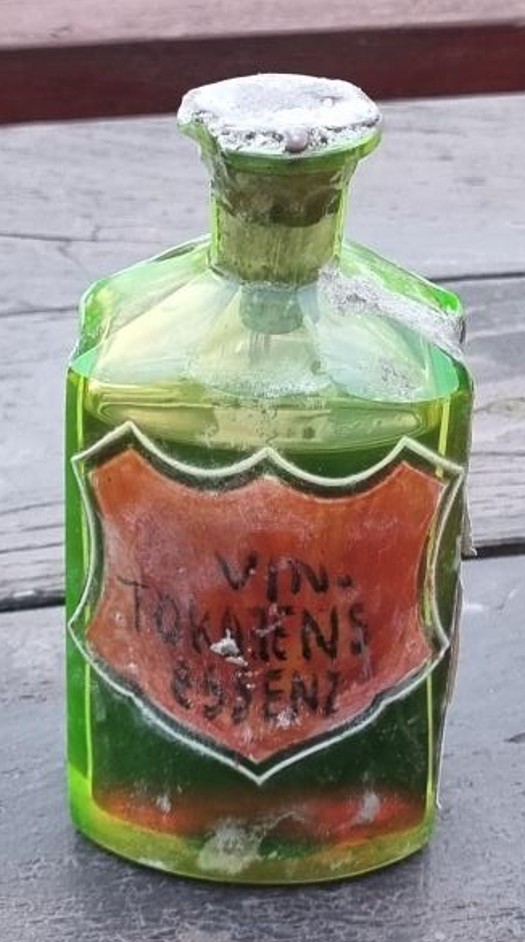
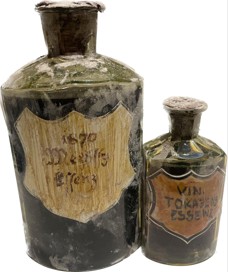
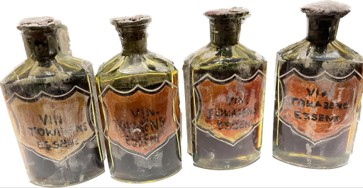
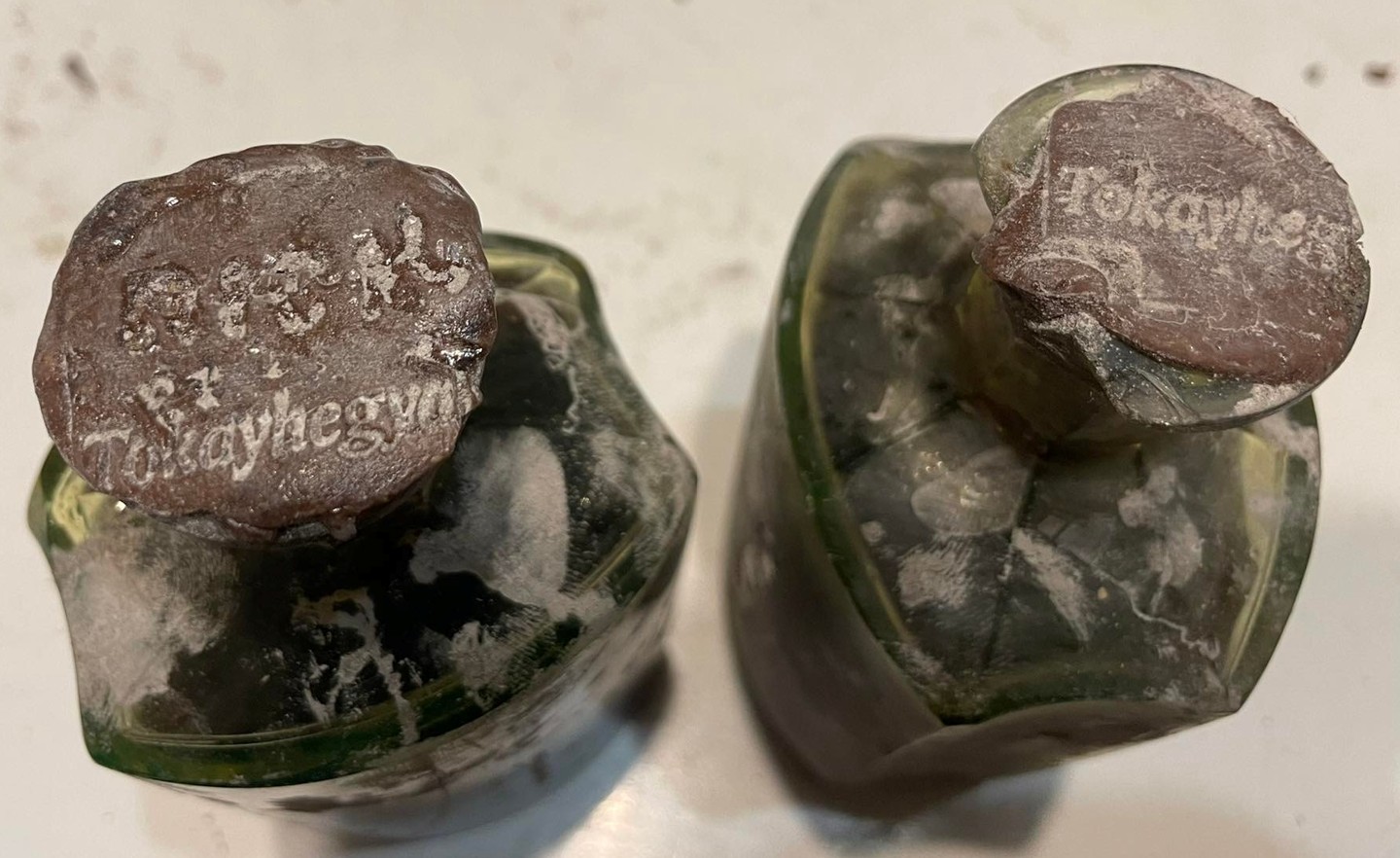
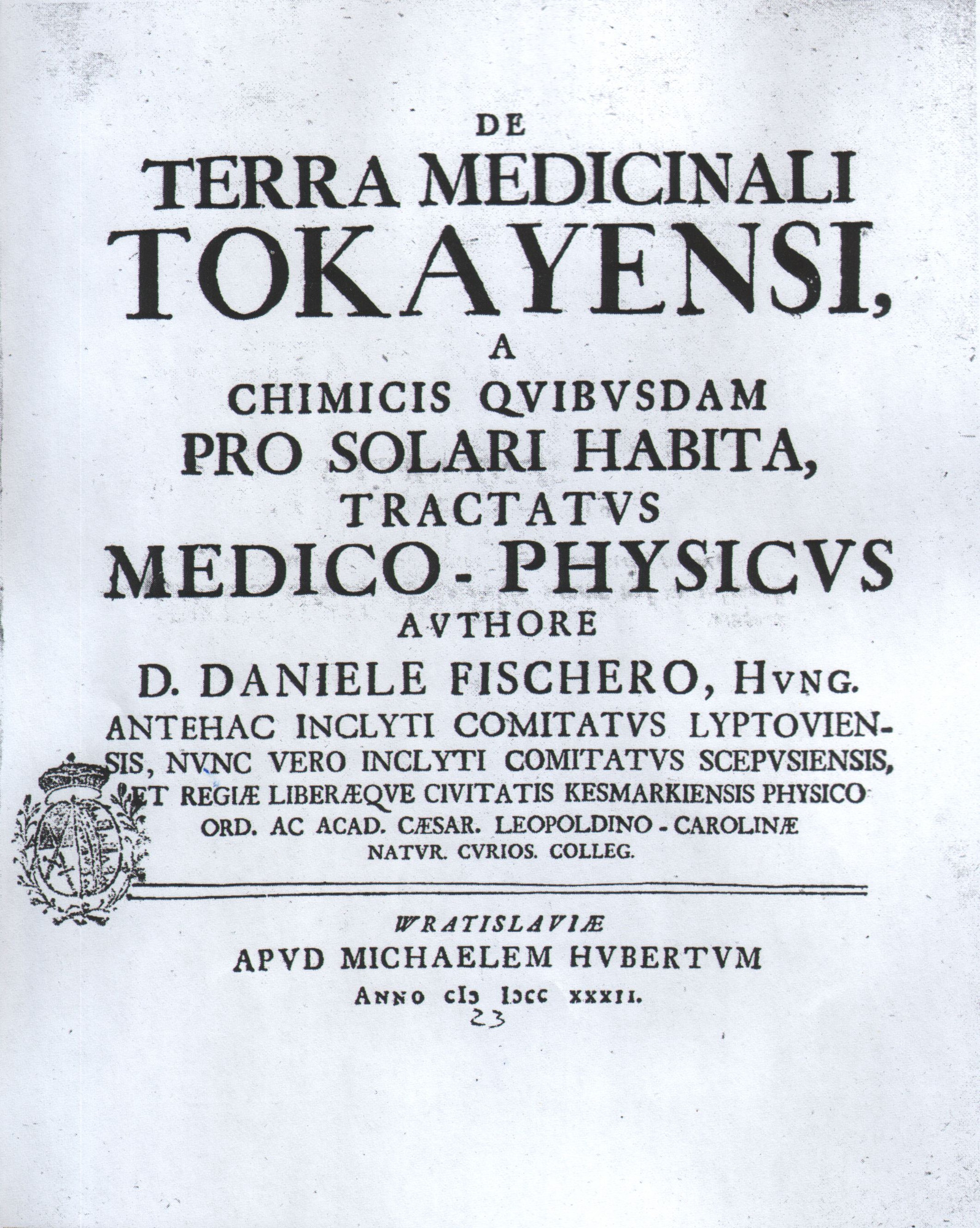
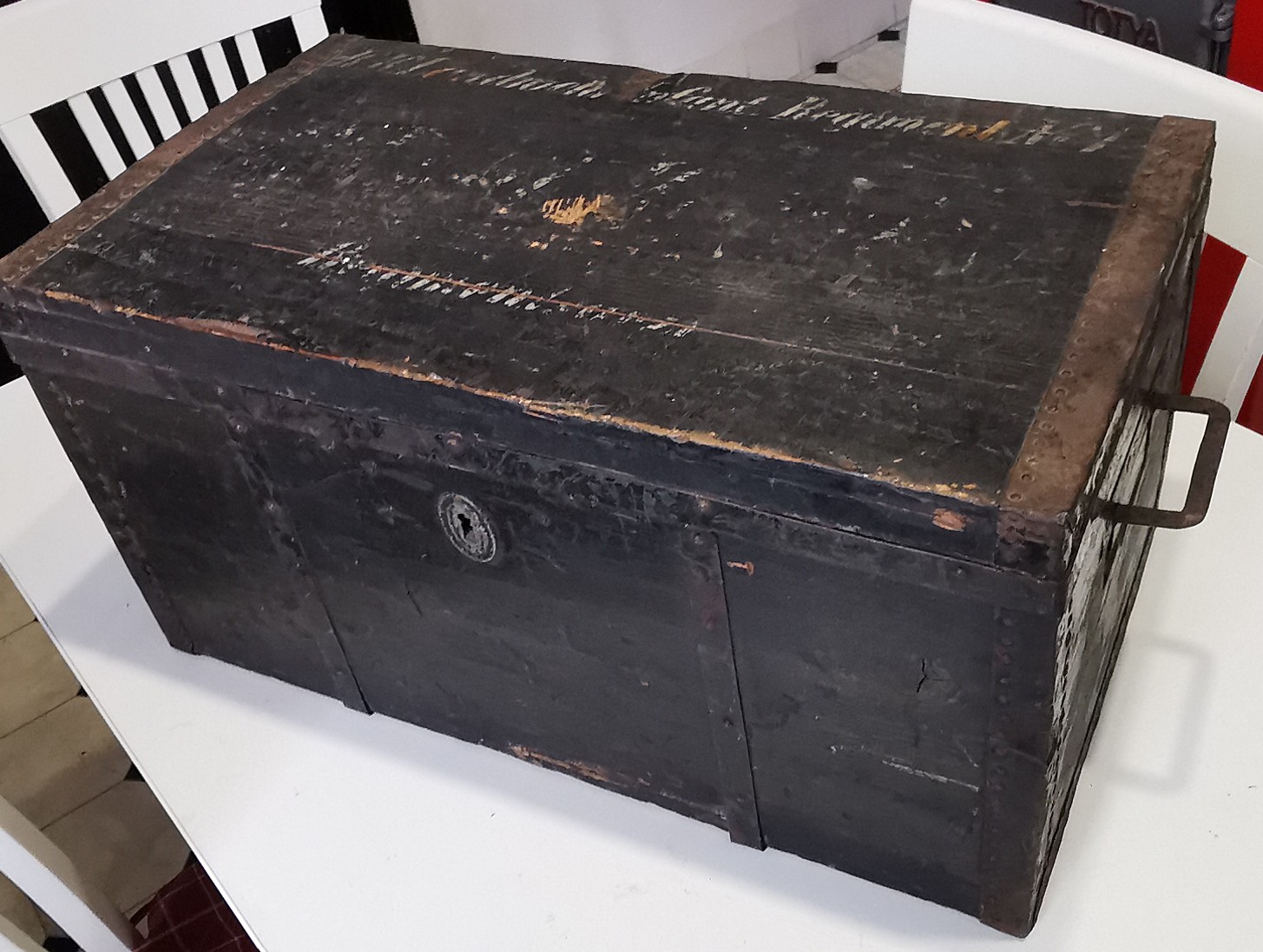
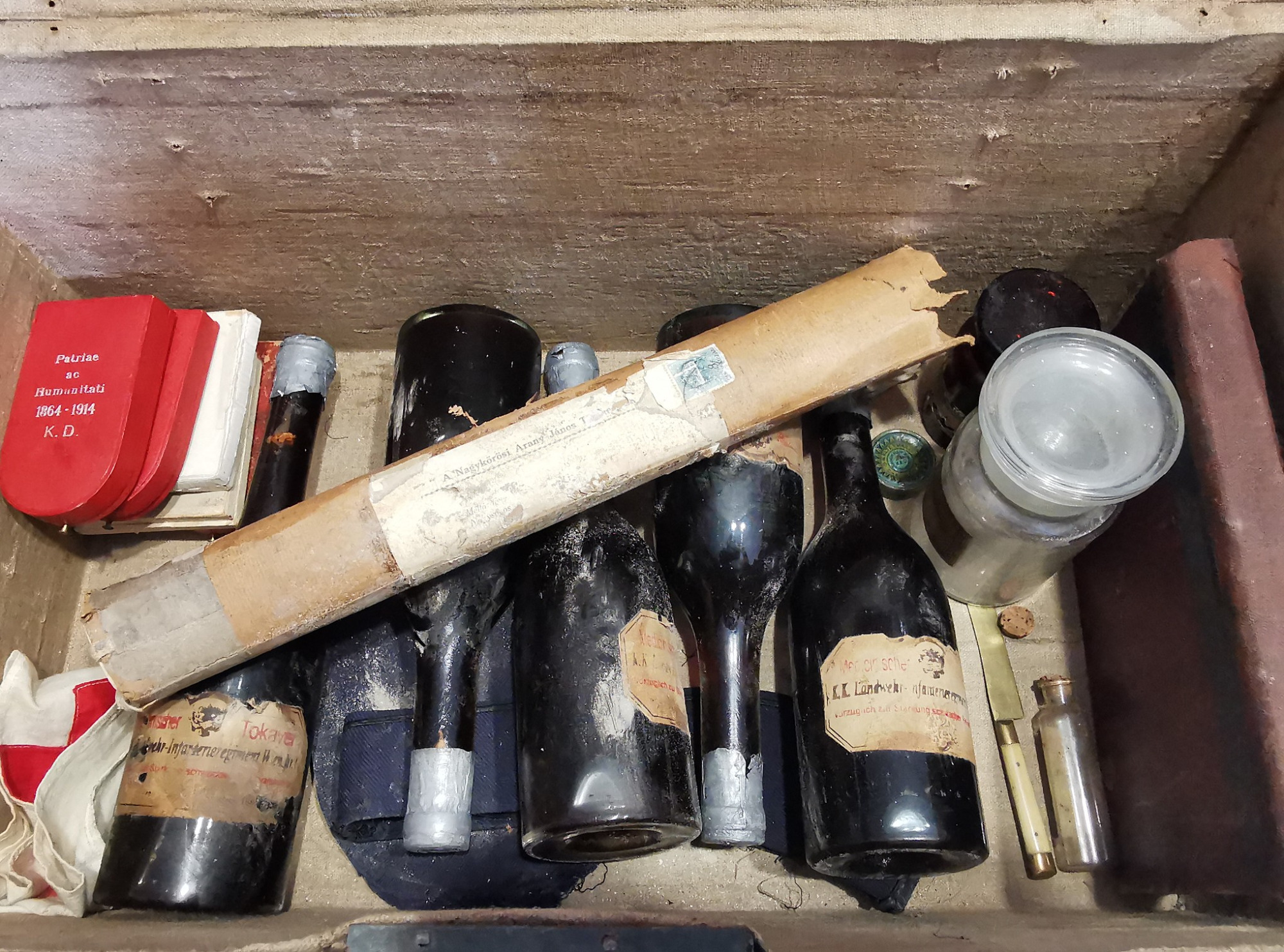
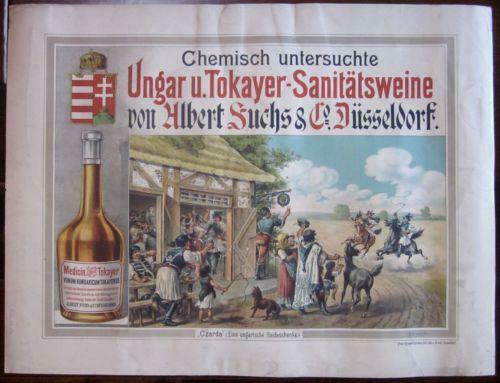
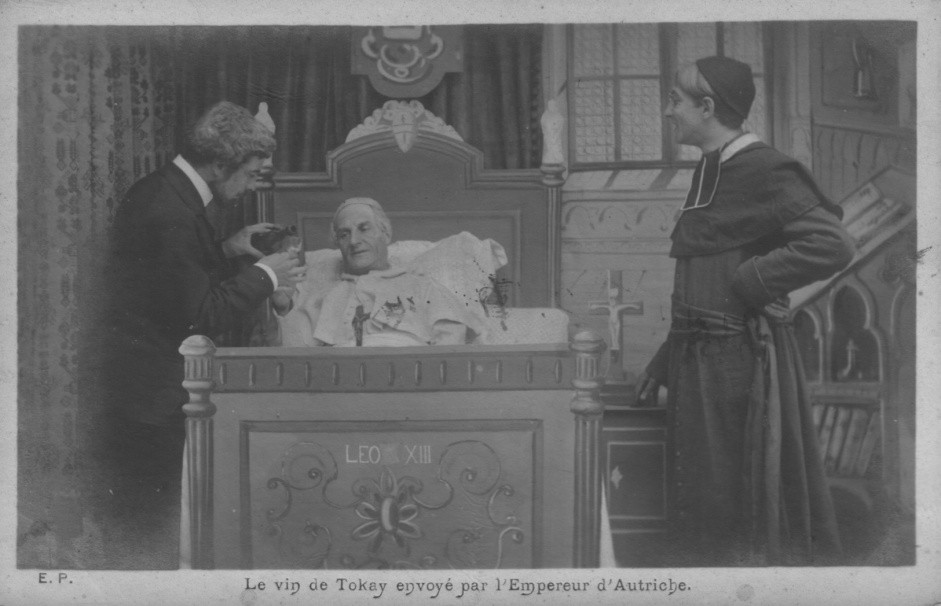
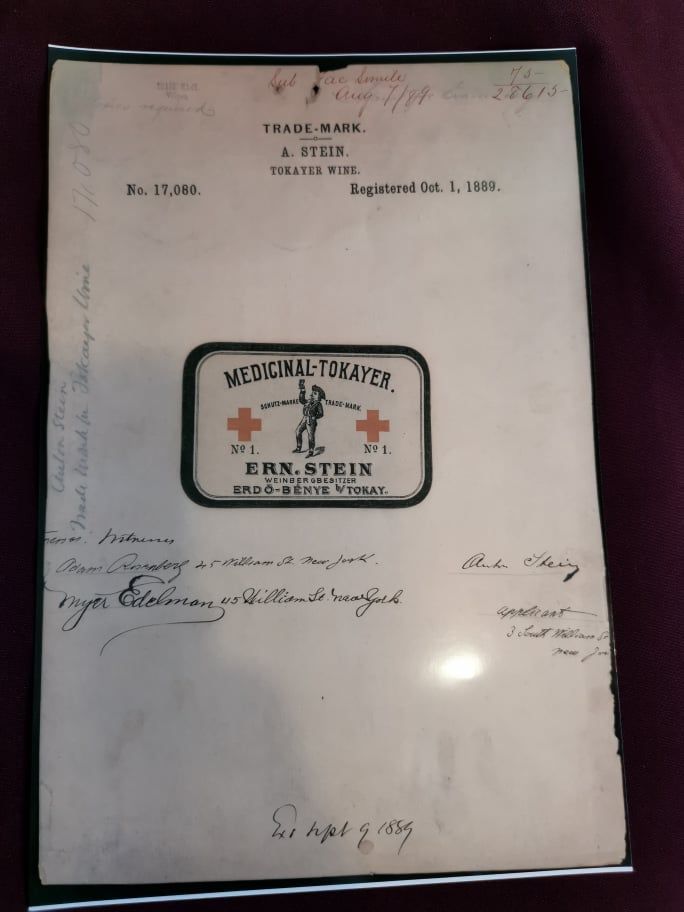
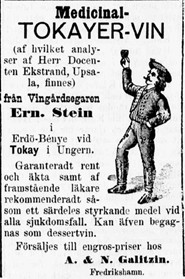
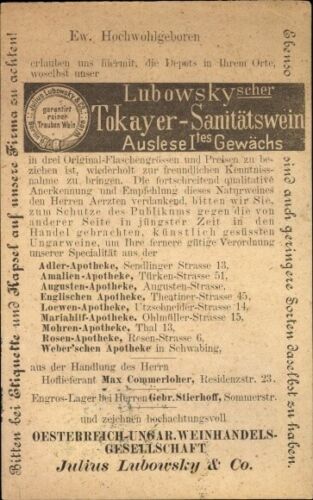
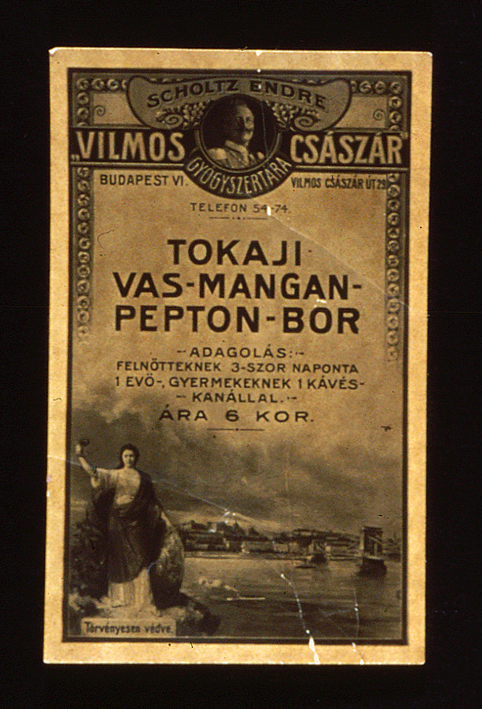
Anyone interested in old Tokaji bottles will inevitably come across medicinal Tokaji. Tokaji wine has a long rich tradition of being studied and offered for its health benefits.
The first reference is usually placed in the 1520-ies, with Paracelsus visiting the wine region. That visit is a modern legend. Lajos Adamik has traced it to the chemistry historian László Szathmáry, who in his 1928 book on Hungarian alchemists quoted a passage about golden threads in a split Tokaj vine shoot and attributed it to Paracelsus. The passage is in fact from Der hermetische Nord-Stern, an anonymous hermetic tract written in 1769 and printed in 1771; later pharmacists, physicians and wine writers took it over from Szathmáry and embroidered it for the better part of a century. No verified text of Paracelsus names Tokaj or the villages around it, and the passage itself is about gold in the vines rather than about the health benefits of the wine.
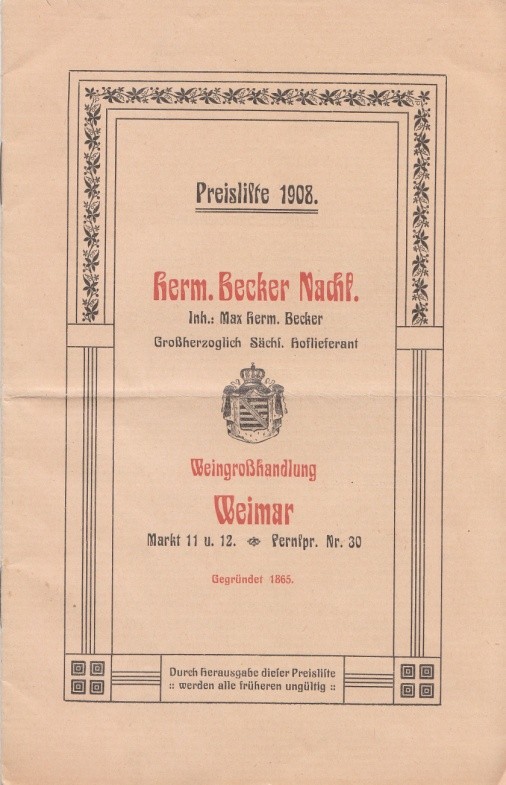
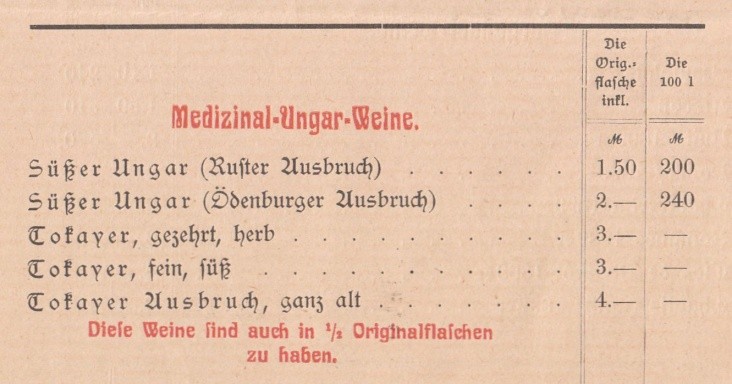
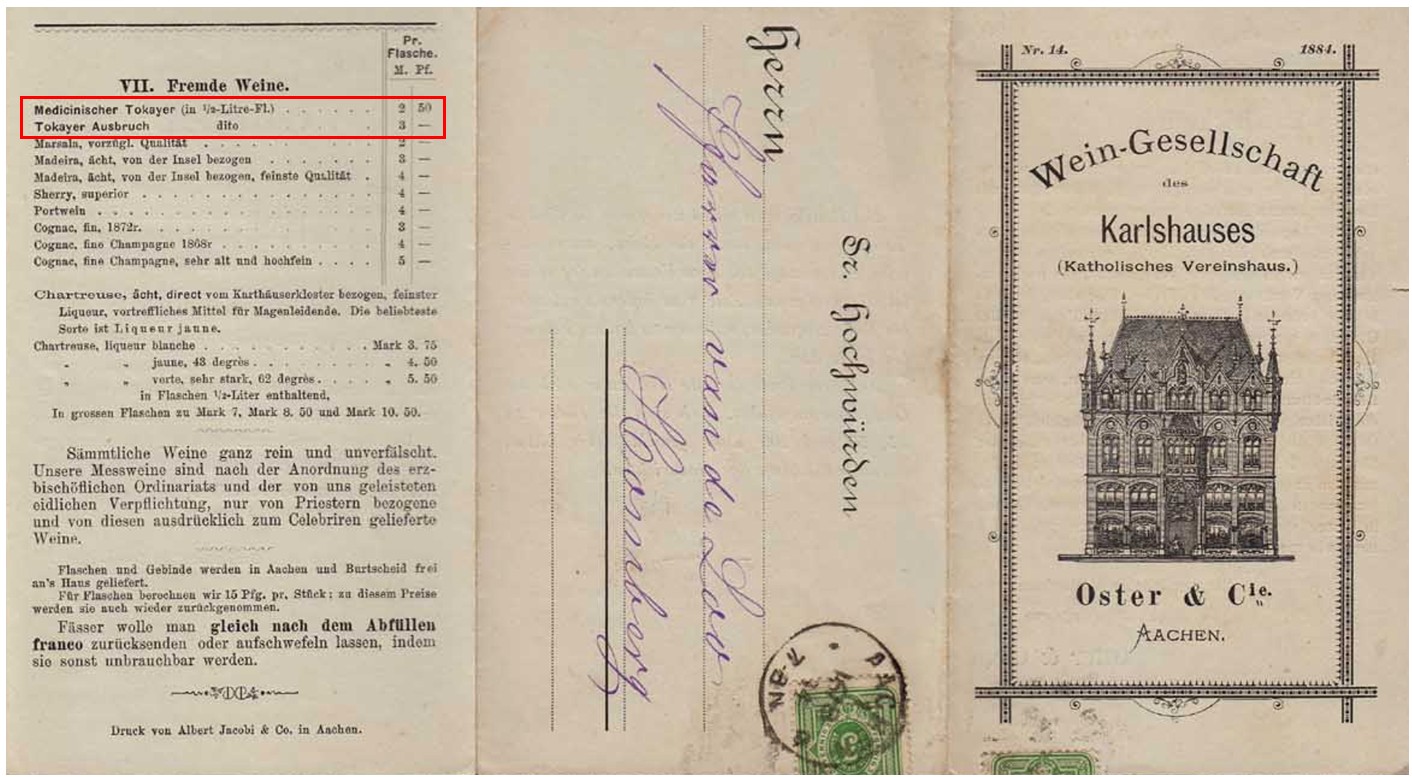
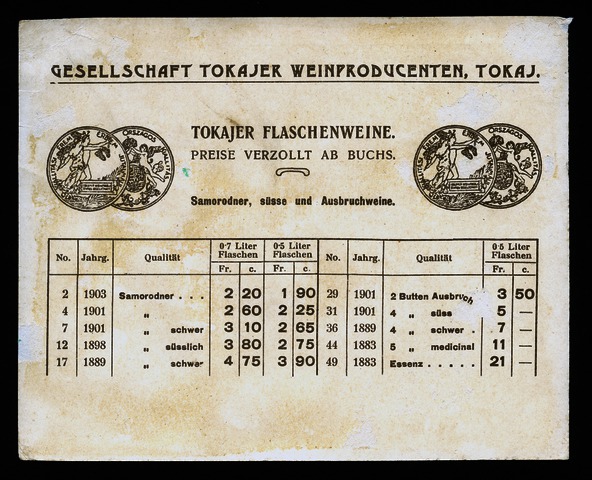
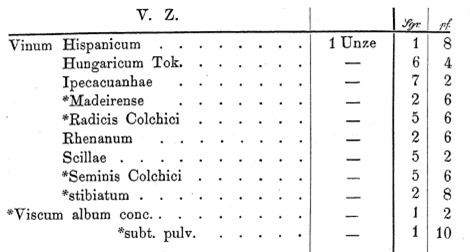
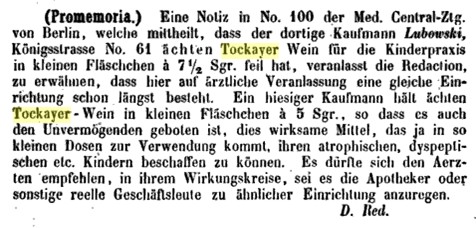
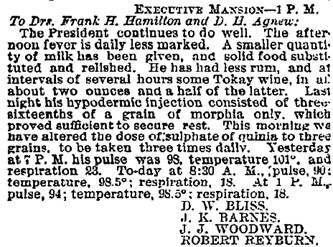
The medicinal fame of Tokaji started around 1710 and lasted until around 1910 when it could be found as medicine in the pharmacopeia of countries like Hungary, Austria, Prussia, Bavaria, Belgium or Luxemburg.
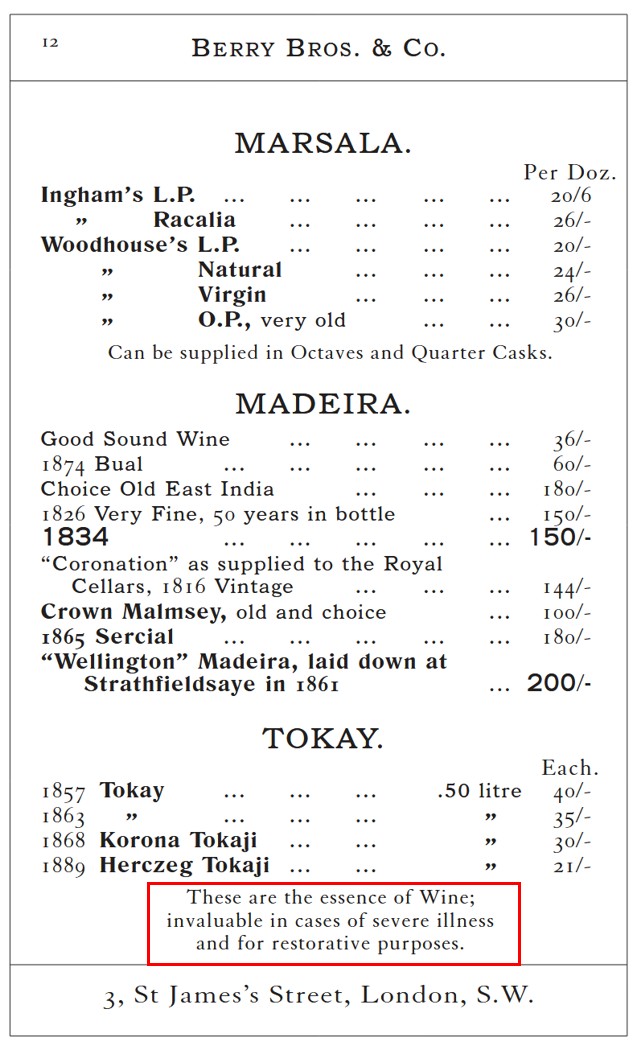
Although tokaji disappeared from the Hungarian pharmacopeia after 1909 the 1933 «Tokay» book of Charles W. Berry from the London wine trading house Berry Bro's prominently features numerous letters from their customers praising the health benefits of Tokay.
Still being studied
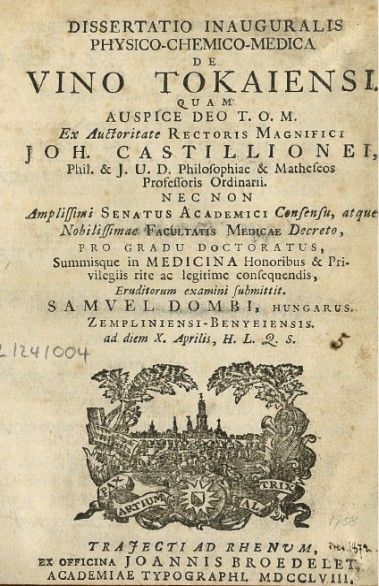
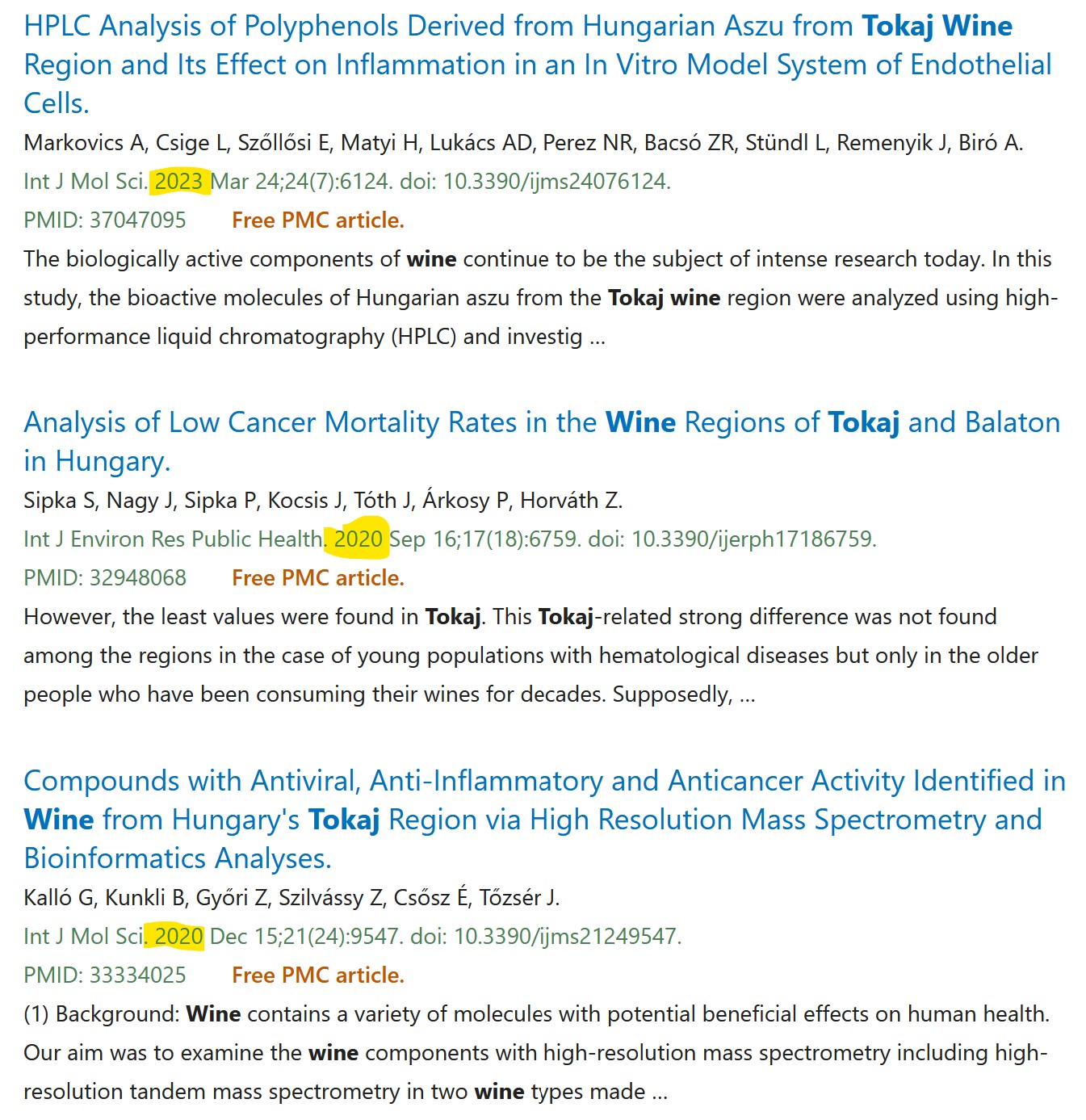
Surprisingly, even today scientific papers are regularly published that present new research results about the medical qualities of Tokaji.
1870s — 1939
How a wine merchant actually dispensed it
The labels and the pharmacopoeia entries say that Tokaji was a medicine. They do not say how it was chosen, measured or given. For that there is one source: the Fukier house in Warsaw, whose last proprietor devoted a whole chapter of his memoir to it.
Henryk Maria Fukier, Wspomnienia staromiejskie (1973), pp. 126–133. It is the practical counterpart to everything else on this page — a merchant describing a trade in which the buyer was frequently a patient.
The rules of selection and dose
The grading rule first: for the sick one chose a mild Tokaji, never a dry one, “because in illness dry ones are not palatable” (p. 127). That is a clinical observation about appetite, not a claim about the wine. The dose was a small quantity three times a day, preferably after a meal (p. 127), and in the cases he describes it was administered by the teaspoon (pp. 129, 130, 132).
He also sets out the division of labour between wines. Red wines, especially Bordeaux, were for stomach and intestinal illness, on account of their tannin; white wines were given as nourishing polewki; “but the truly medicinal one is Hungarian wine, used to this day in treating organisms exhausted by illness” (p. 131). The mechanism he claims for it is modest and worth quoting accurately: taken in small amounts alongside other nourishment, it strengthens and nourishes, lightly stimulates the heart, increases appetite, and rouses the organism to normal working. No cure is asserted.
The register of cures
His grandfather Teofil Fukier kept a written record of the cases — skrzętnie notując i śledząc wypadki uzdrowienia starym winem, diligently noting down and following up instances of healing by old wine (p. 127). If that notebook survived anywhere it would be the only systematic contemporary record of medicinal old-wine use kept by the trade rather than by a physician. I have found no trace of it.
The prescriptions ran the other way too. The gynaecologist Dr Antoni Natanson sent a patient’s husband to the winiarnia with a written letter that functioned as a prescription for old wine (p. 132), and a felczer likewise prescribed old Tokaji for an elderly woman (p. 131). Fukier gives his own case as well: a Tokaji about a hundred years old, dark, thick and very mild, given by the teaspoon for puerperal fever after a specialist had declared the case hopeless (p. 130). Teofil himself, given up by a consultation of doctors during typhus, treated himself with his own old Tokaji and lived to seventy-five (p. 126).
These are anecdotes and the book presents them as such. What they establish is not efficacy but practice: that in a European capital, into the twentieth century, a wine merchant and local physicians operated a shared referral route for very old Hungarian wine, with a house record of outcomes.
A future pope’s own story, told in the cellar in 1919
Mgr Achille Ratti, then nuncio in Poland and from 1922 Pius XI, toured the winiarnia and the Hetman Cellar and repaid the visit with a story of his own. As a young priest in Milan he had bought “a small bottle, but of older grape wine” for a dying Mother Superior of seventy, whose death certificate the doctor had already written out. He spooned it into her mouth; she asked for a second spoonful, slept, and lived several more years — afterwards showing him the death certificate she kept hidden in her prayer book (pp. 128–129).
The visit is independently documented: Ratti signed the Fukier guest book on 22 May 1919, and the leaf was photographed before the books burned. See the Fukier cellar page.
One consequence for provenance. Teofil Fukier parted with the oldest wines only for the gravely ill, for great celebrations, or as exceptional gifts, each time regretting that “irreplaceable exhibits are disappearing from the only collection of old Tokajis in the world” (p. 126). The medicinal channel was therefore one of the few ways a bottle of seventeenth- or eighteenth-century Fukier Tokaji legitimately left the cellar before the 1930s — which makes a sickroom, not a cellar or a saleroom, a plausible last stop for a surviving bottle.