Cellars, basements and forgotten collectionsDiscovery
How is it possible to discover so many old Tokaji bottles?
Introduction
How the bottles surface
Very old Tokaji was considered gone. The great cellars that held it were destroyed, sold off or emptied in the two World Wars, and for most of the following century the wine world assumed that what had not been drunk had been lost — with the rare exception of a very old bottle auctioned now and then. This assumption was wrong.
Although the majority of the very old bottles may indeed have been lost forever, numerous bottles have survived, and there is nothing mysterious about it: the apparent miracle is the result of four contributing factors working together, each of them explained below.
Factor one
“Law of large numbers”
We are talking about thousands of bottles, and possibly about tens of thousands. Those very old wines were well known in the past, especially the wines of famous cellars such as the Fukier house in Warsaw, the Imperial cellar in Vienna or the Royal Saxon cellar in Dresden.
Even the destructive events — looting in a war, the collapse of a kingdom, the insolvency of a trading house — rarely destroyed such a stock outright. In most cases the bottles simply changed hands and ended up in private or institutional ownership, and sometimes they could straightforwardly be bought. Even the French Revolution did not destroy the wine it dispossessed — that story is told on the Royal French Cellar page.
In other words: Those bottles were always there, in private collections, walled-up in long forgotten cellar sections, in the property of churches. If we want to be precise, we should as well call it “rediscovery”.
Factor two
Evidence of existence
After World Wars I and II the famous cellars and traders of old Tokaji ceased to exist and with them their treasures. The wines were considered lost and, apart from the occasional bottle at an auction, very old Tokaji disappeared from the consciousness of the wine world. Still, the evidence that a part of those bottles had survived kept mounting, and it was never hard to find for anyone willing to look.
On 27 April 1927 the Verein Haus Wettin sold Tokaji from the former Royal Saxon Court Cellar in Dresden and issued a certificate of origin for it. Four years later the wine list of the Weinrestaurant St. Petrus in the Böttcherstraße in Bremen carried seventeen entries under the heading “from the electoral cellar of Augustus the Strong, King of Poland”, priced by the bottle and still bearing the Dresden cabinet bin names. A printed, dated menu is not a legend: part of the Saxon Hofkellerei was demonstrably on sale in a German restaurant in 1931, which means bottles of it were leaving the cellar and entering private hands.
The Polish record is just as explicit, and it has been published. The historian Mirosław Kłusek edited the archival files on the Branicki cellar at Wilanów in “Odzyskiwanie ruchomości przez spadkobierców Adama Branickiego w latach 1948–1960 w świetle materiałów źródłowych” (Krakowskie Studia Małopolskie 17, 2012, pp. 252–273). The wine had been walled up in 1939; the chamber was opened again on 10 January 1948 in the presence of Beata Branicka, and an expert acting for the Council of Ministers sorted the more than one thousand bottles found there. The most valuable were bought from her by the Office of the Council of Ministers for 500,000 złoty — among them fifty bottles of 1768 Tokaji from the cellar of Marshal Lubomirski. The remainder went back to the family. Dated, documented survival, with a named owner at the end of it.
Kordian Tarasiewicz described in his memoirs how he bought four hundred sequestered Fukier bottles in 1940 and had them bricked into two cellars before the Warsaw Rising — one wall was broken open, the other was not, and roughly a hundred bottles came through the war.
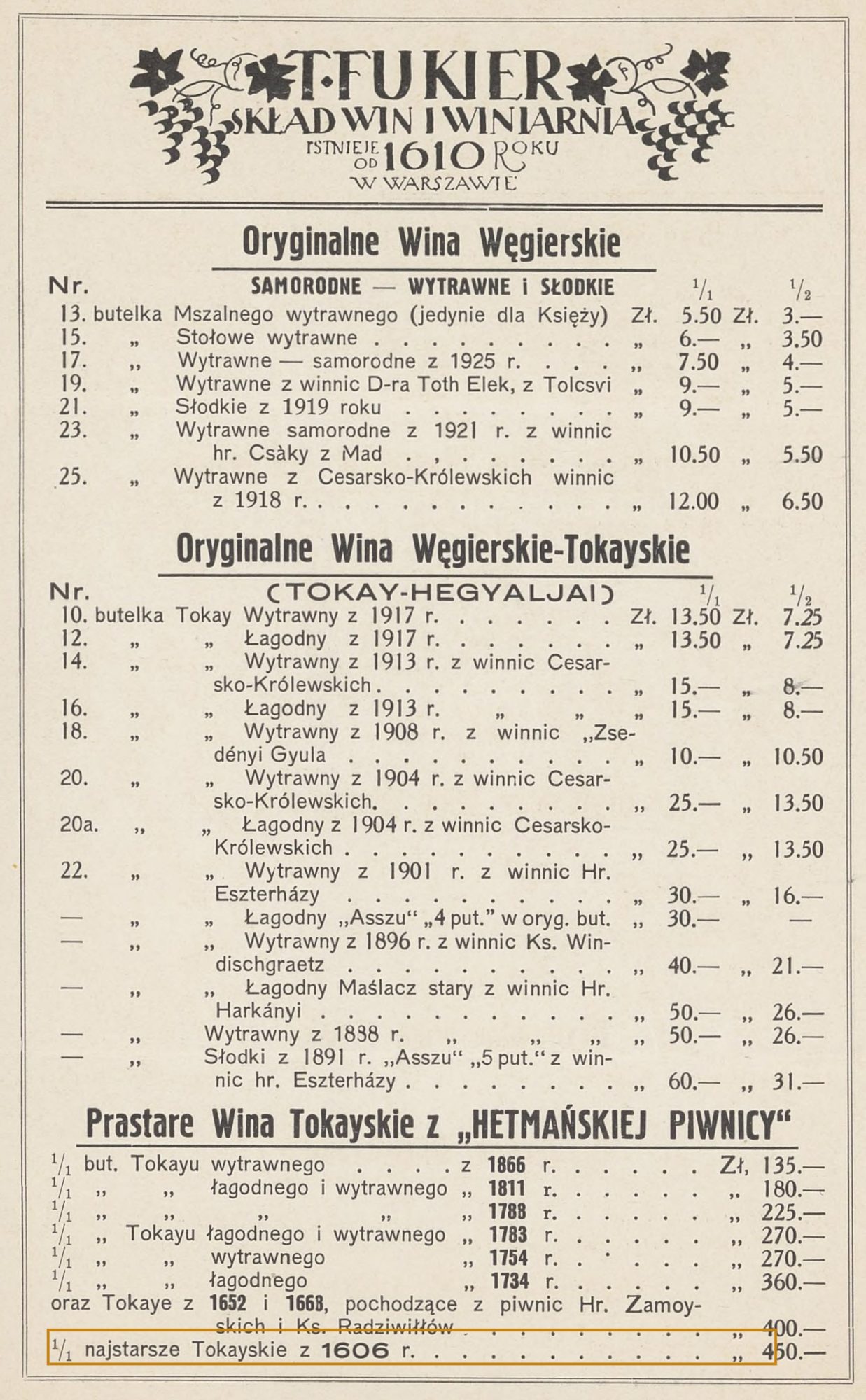
And the wines were not unobtainable. János Bókay, who visited the Fukier cellar in 1934 and published his account as “300 éves tokaji bor Varsóban” in Borászati Lapok, states plainly that the very old Tokaji could be bought there and the following price list proves it. A wine that carries a printed price is a wine that leaves the cellar, one bottle at a time, into hands nobody recorded.
The printed T. Fukier price list of the 1930s. The bottom section, Prastare Wina Tokayskie z “Hetmańskiej Piwnicy”, prices the old vintages by the full bottle: 1866 at 135 zł, 1811 at 180, 1788 at 225, 1783 and 1754 at 270, 1734 at 360, the 1652 and 1668 “from the cellars of Count Zamoyski and Prince Radziwiłł” at 400 — and, in the last line, najstarsze Tokayskie z 1606 r. at 450 zł.
The Fukier provenance page traces this for a single cellar in detail, and sets out the routes along which its bottles could have left the house and survived — sales and gifts, bailiff’s auctions, contracts with American buyers, wartime removals, a hoard walled up in Hungary. Each of them is one scenario in which very old Tokaji ends up somewhere it can still be found.
Factor three
Lack of “bottle hunters”
As far as I can tell (state) institutions never explored the option to find those bottles. I do not know if former owners like the Fukier family (Henryk Fukier died in 1959 without a heir), the Saxon Royals or Habsburgs looked into the matter, but I doubt it. In the end only a handful of passionate people like myself were seriously looking for those wines in the context of private investigations. Apparently too few to make progress in the field for over 70 years.
Factor four
Persistence and luck
I was always convinced that somewhere and somehow some of those precious bottles must have survived the World Wars. I started researching in many places, and after more than 20 years I was very lucky to locate the first ones of the oldest of the old Tokaji. Today more and more bottles are surfacing and there are, in fact, several good reasons to believe that many more bottles of really old tokaji will be discovered in the future.
The future probably holds a number of positive surprises of the same kind. In May 2026 Georgia opened Stalin’s cellar in Tbilisi to the public for the first time and announced that it will sell the wine at auction: some forty thousand rare French and Georgian bottles, built on the Romanov imperial collection of Alexander III and Nicholas II that Soviet authorities seized after 1917 and Stalin later took over and expanded. Nearly eighty years walled off from the wine world, and still there. Whether any Tokaji is among those bottles is not yet known, but the cellar may well prove to be an interesting source: the Russian court was historically among the most dedicated importers and consumers of Tokaji, supplied for the best part of two centuries by imperial commissions sent directly to Hegyalja. If the Romanov holdings survived the way the Bordeaux did, this is exactly the kind of place where very old Tokaji would turn up. See The Drinks Business.
Private hands
Collector Research
A completely different discovery approach are wine collections of private persons, families, churches, museums or institutions. Those collections sometimes hide tremendous tokaji gems. While it is relatively easy to find collections that include tokaji wines until about 1811 it is very hard to locate older bottles. But luckily they occasionally exist, and sometimes the bottle owners are not even aware of the treasures they own.
This approach runs on trust rather than technology. Owners of such bottles are, understandably, cautious about who they talk to, and it often takes years of contact before I am granted the privilege of studying and documenting an old Tokaji bottle and its documentation in a private or institutional collection.
Where to look
Cellar Research
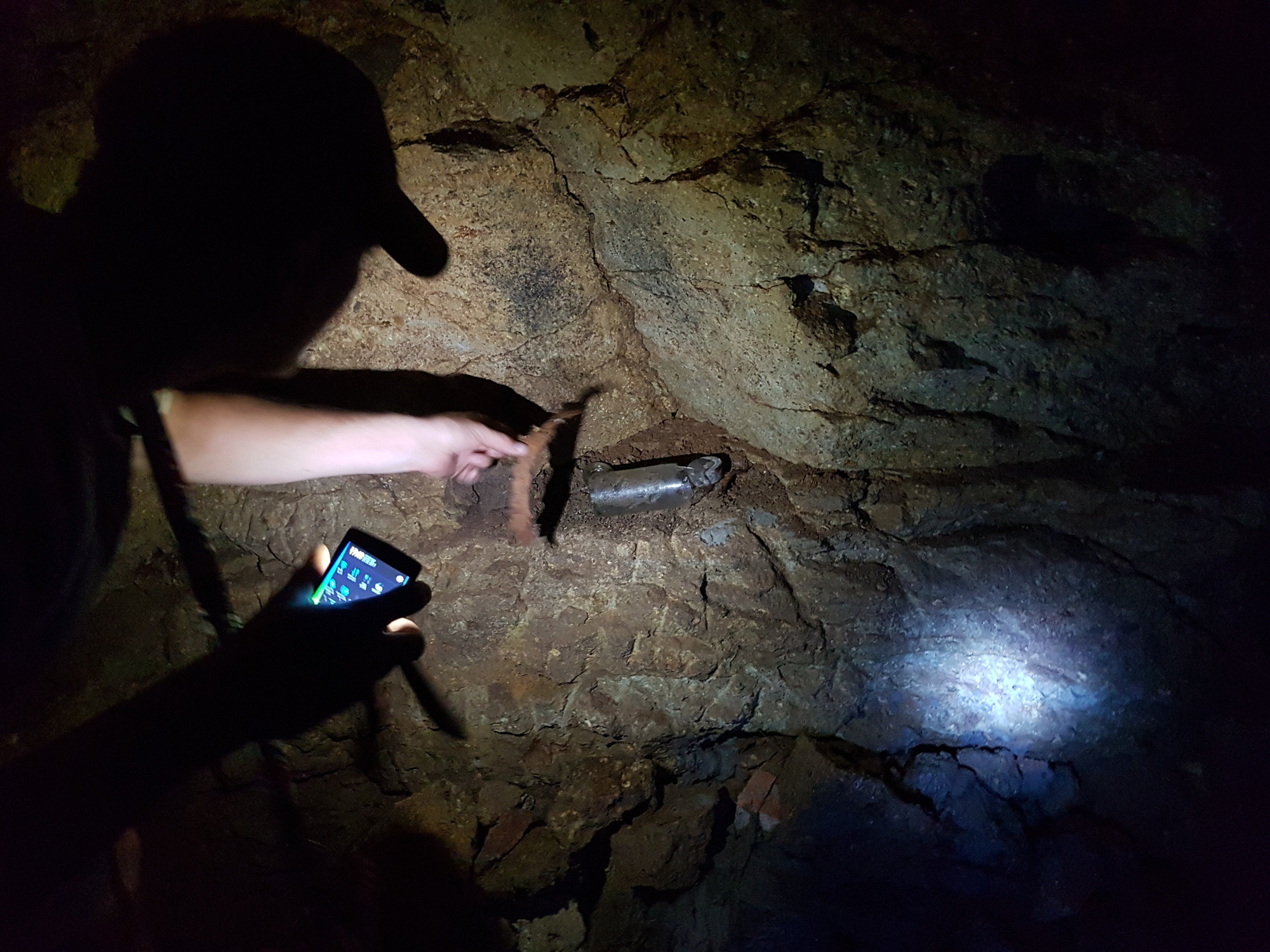
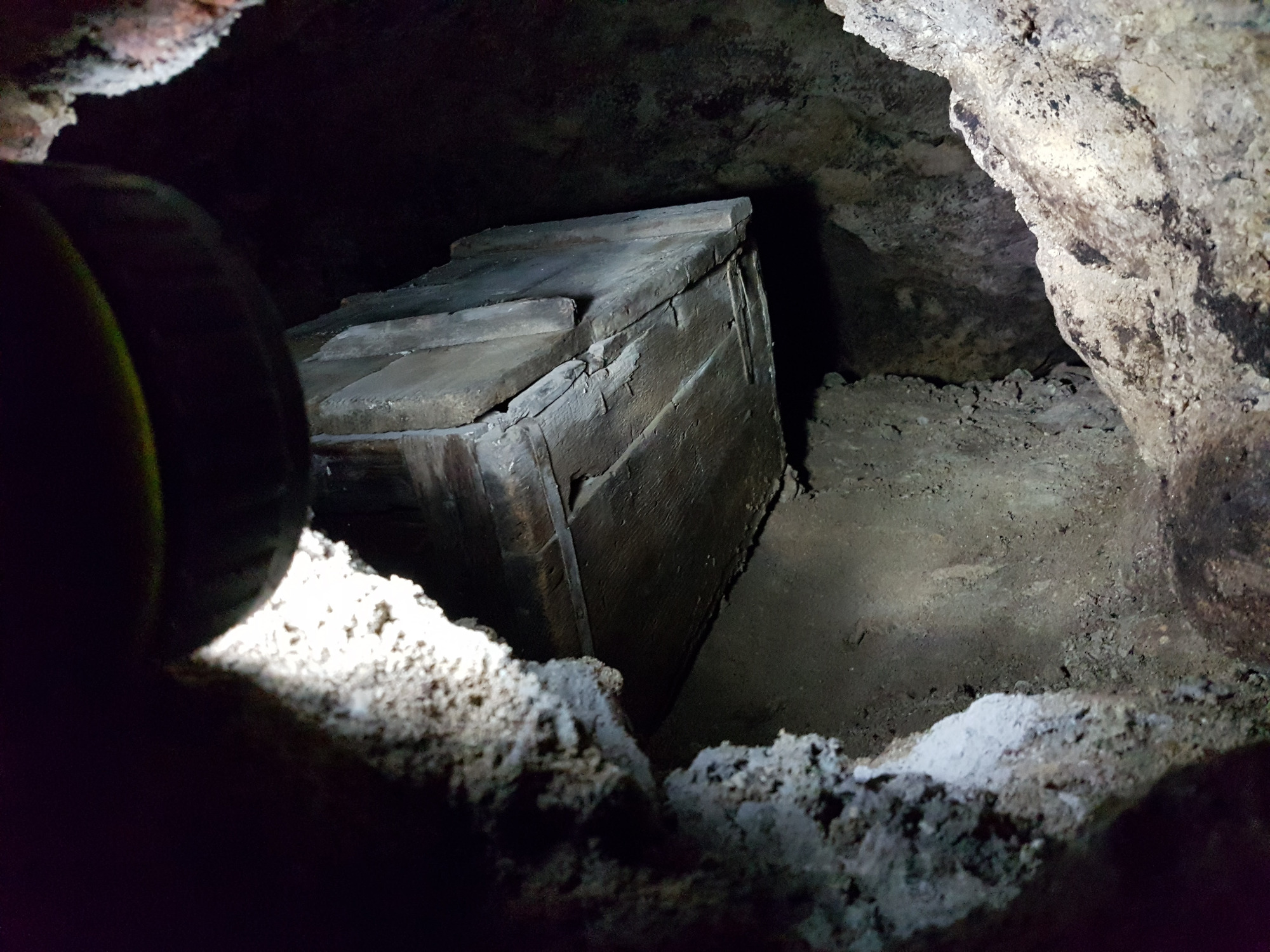
The search for very old tokaji bottles is a very-time consuming activity without any guarantee of success. Most time is spent researching potentially interesting locations, mostly cellars and basements of buildings and negotiating access with property owners. Only if we are lucky and access is granted the most exciting part starts: checking for entrances of forgotten cellars and/or looking for unknown cellar sections that have collapsed or have been walled-in. This exploration involves some technology for cavity and object detection, mostly Ground Penetrating Radar (GPR). I have to admit that I am not by any means an expert in cellar statics and structural integrity, so there is naturally some risk involved. A few cellar sections I had explored in the past have since partially or completely collapsed ...
Any wine cellar and even any basement in a building can potentially yield old tokaji bottles. The key part is locating the ones that provide a higher probability of success. For obvious reasons I cannot share the techniques I use but if you own a potentially interesting property I can certainly help in judging the chances of finding old bottles.
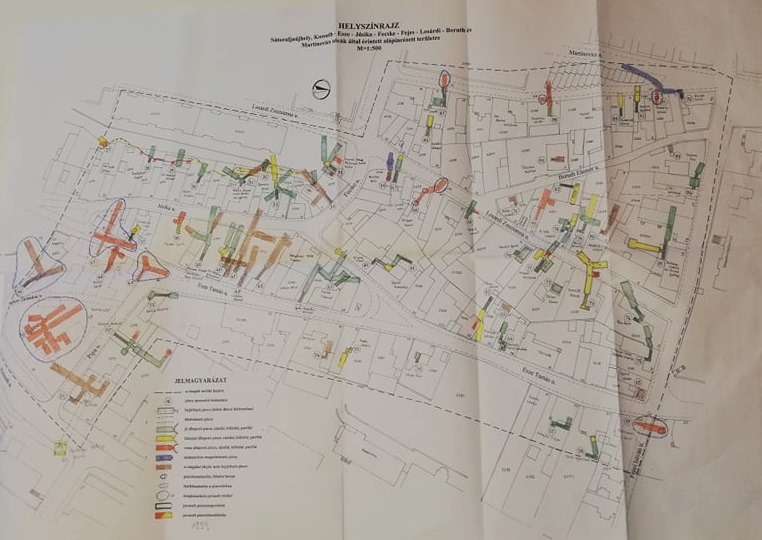
As tokaji wine production was significantly larger in the past many cellars in the wine region are not used any longer, or have been completely forgotten while other cellars are only used partially. It is not easy at all to find complete and consistent information about cellars and owners, and the knowledge about exact locations, size, entrance(s) and topology of hundreds of cellars has just vanished over the centuries. Not surpringly, it is non uncommon that formerly unknown cellars or cellar sections are discovered by accident when existing cellars are surveyed, extended or repaired, or even during normal construction works in the wine region.
For an introduction into the fascinating cellar world of Tokaj I recommend the book “Tokaj-Hegyalja alulnézetben” from István Müller (in Hungarian).
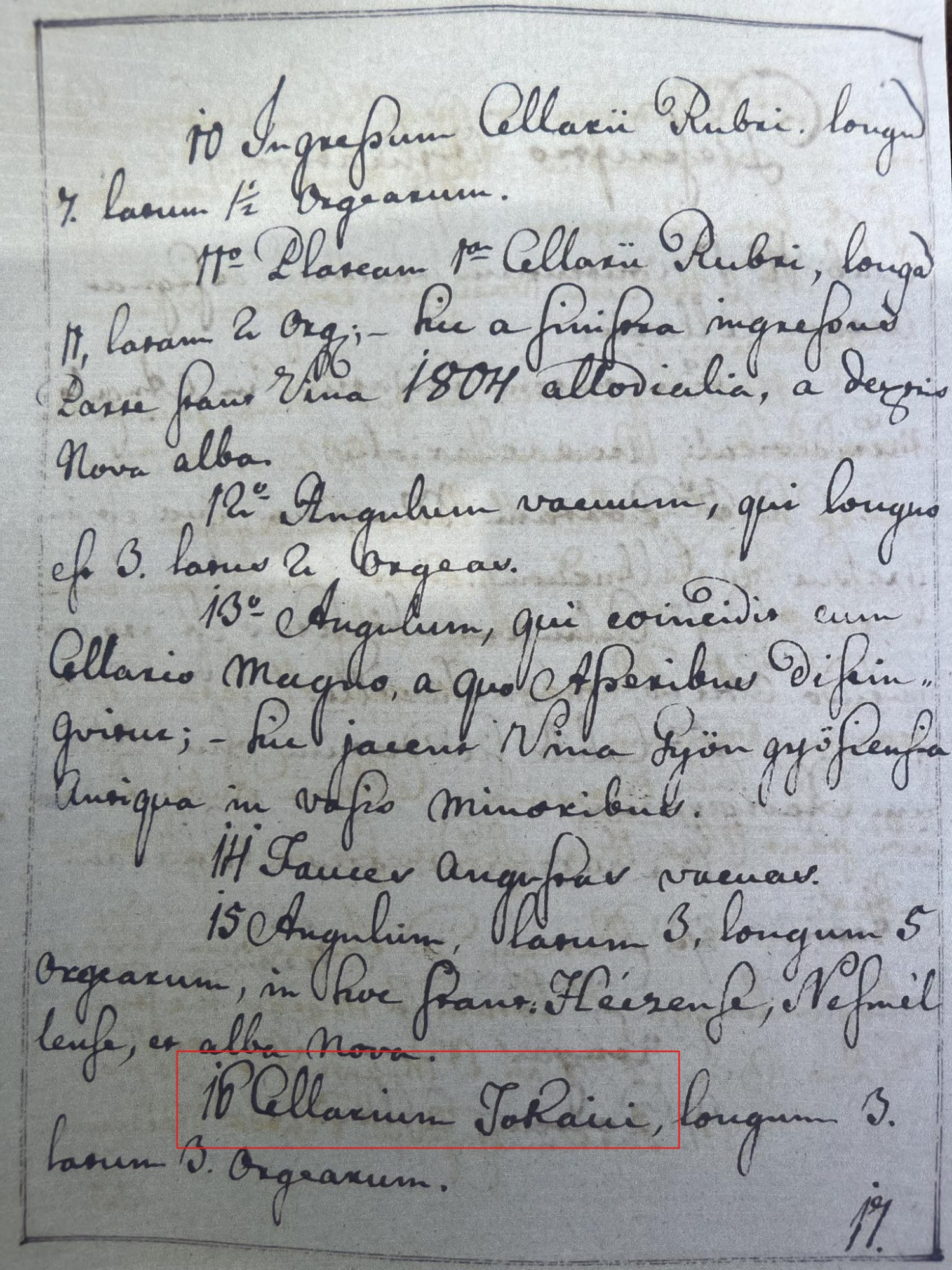
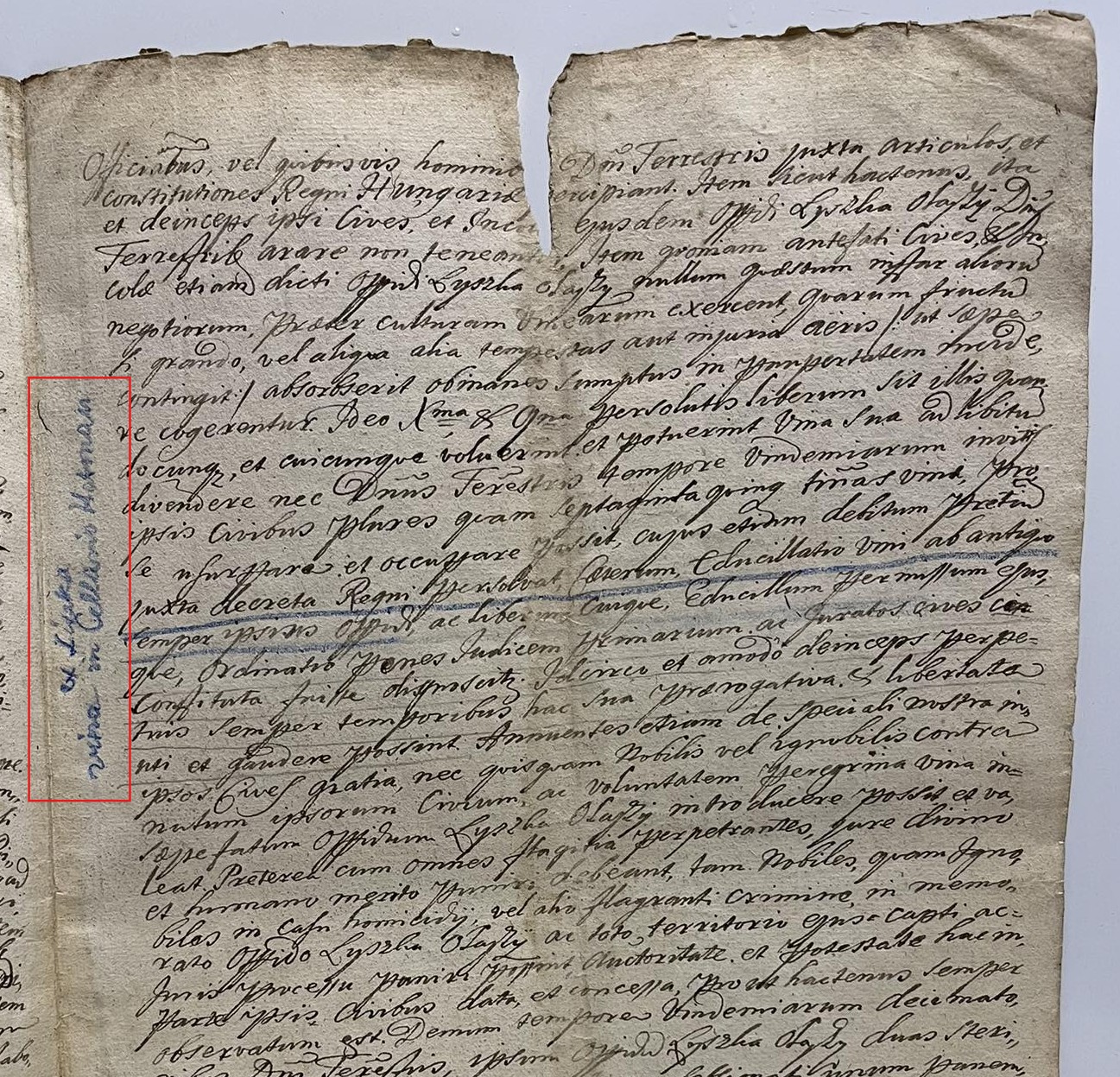
Below are some images of cellar research.
A 1807 document describing a larger cellar of which section 16 was used to store Tokaji wine.A 1596 document suggesting that Tokaji from Olaszliszka was stored in the Hetman Cellar, a legendary wine cellar in Poland which later became part of the Fukier cellar.An example of cellar locations and their topology in the wine region.
In the field
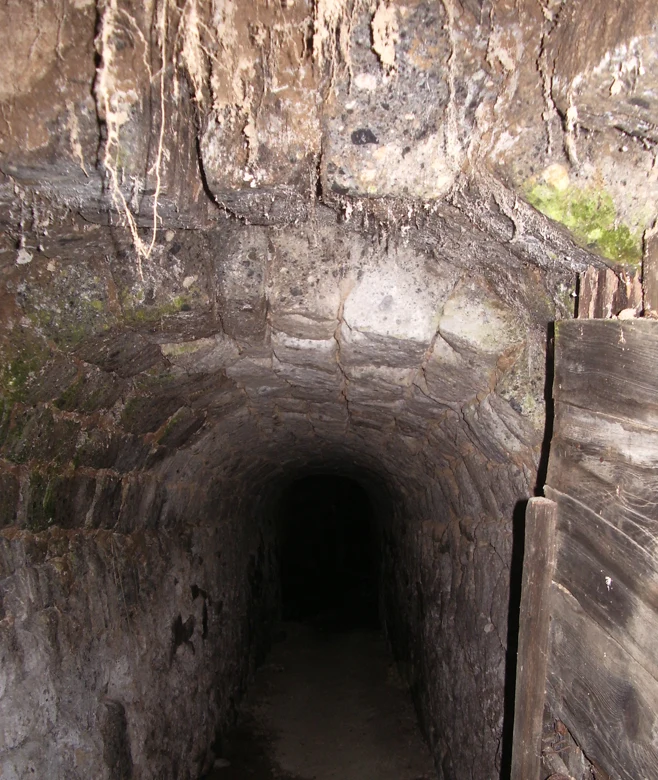
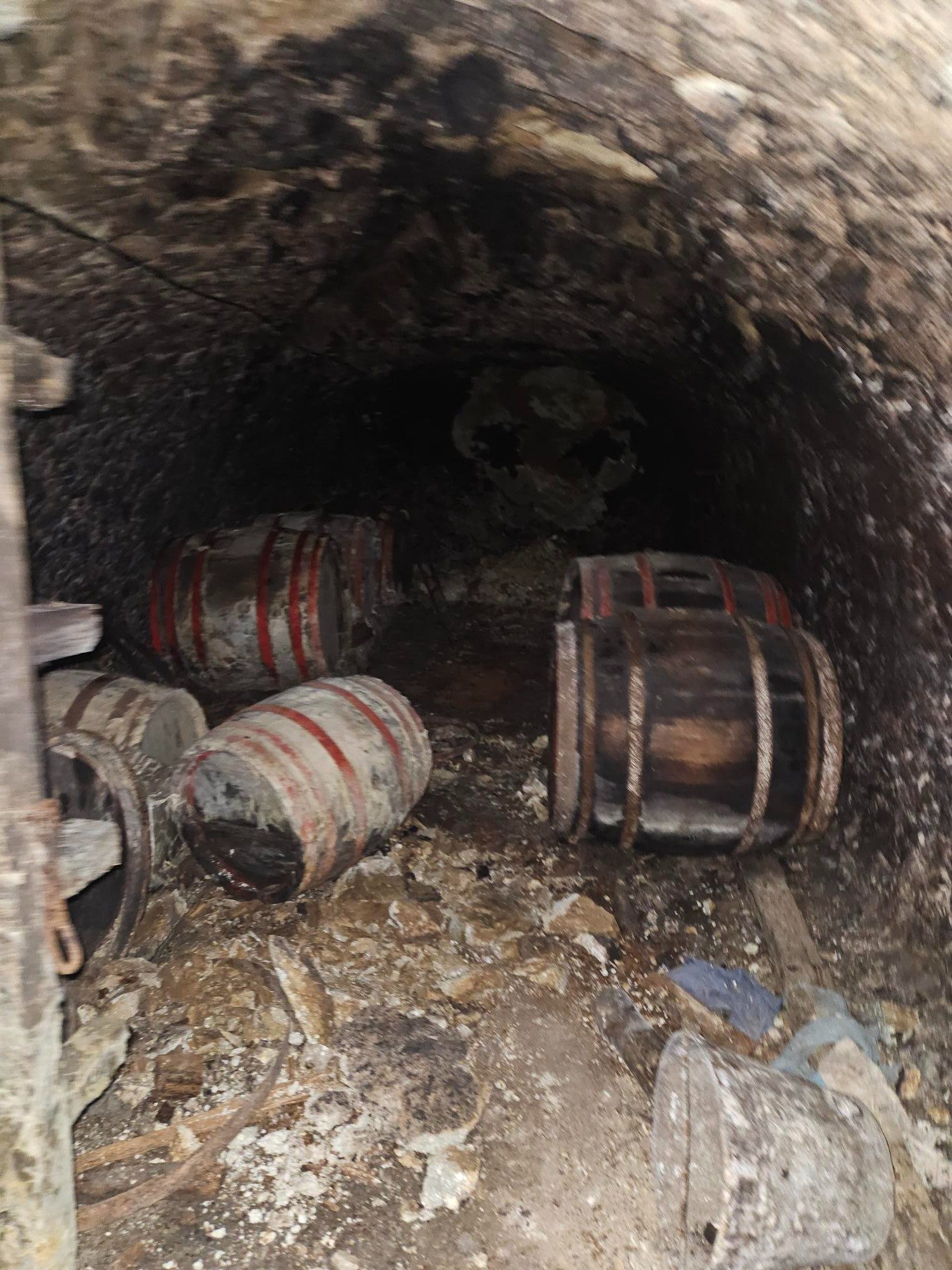
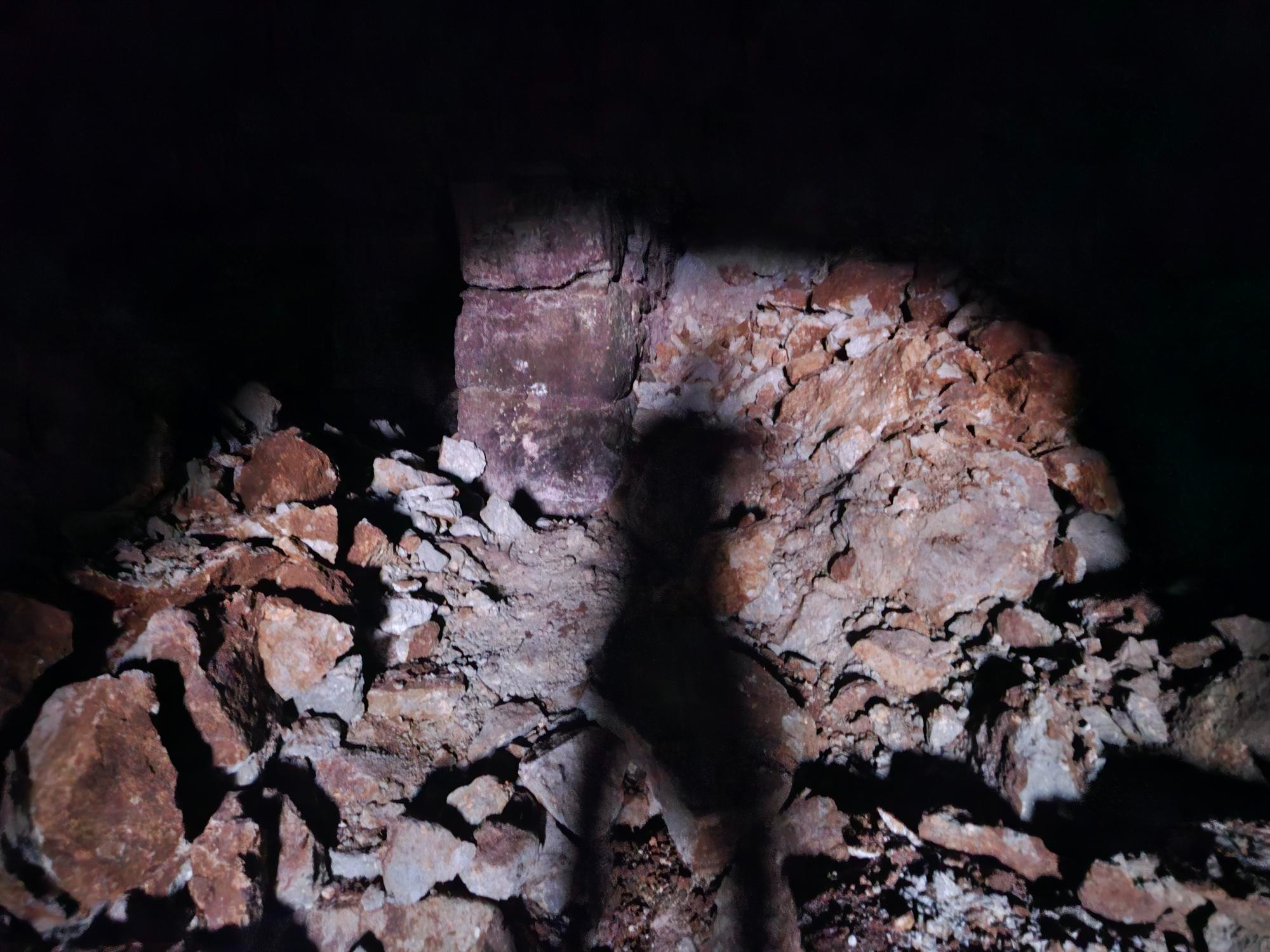
Impressions from Cellar Expeditions
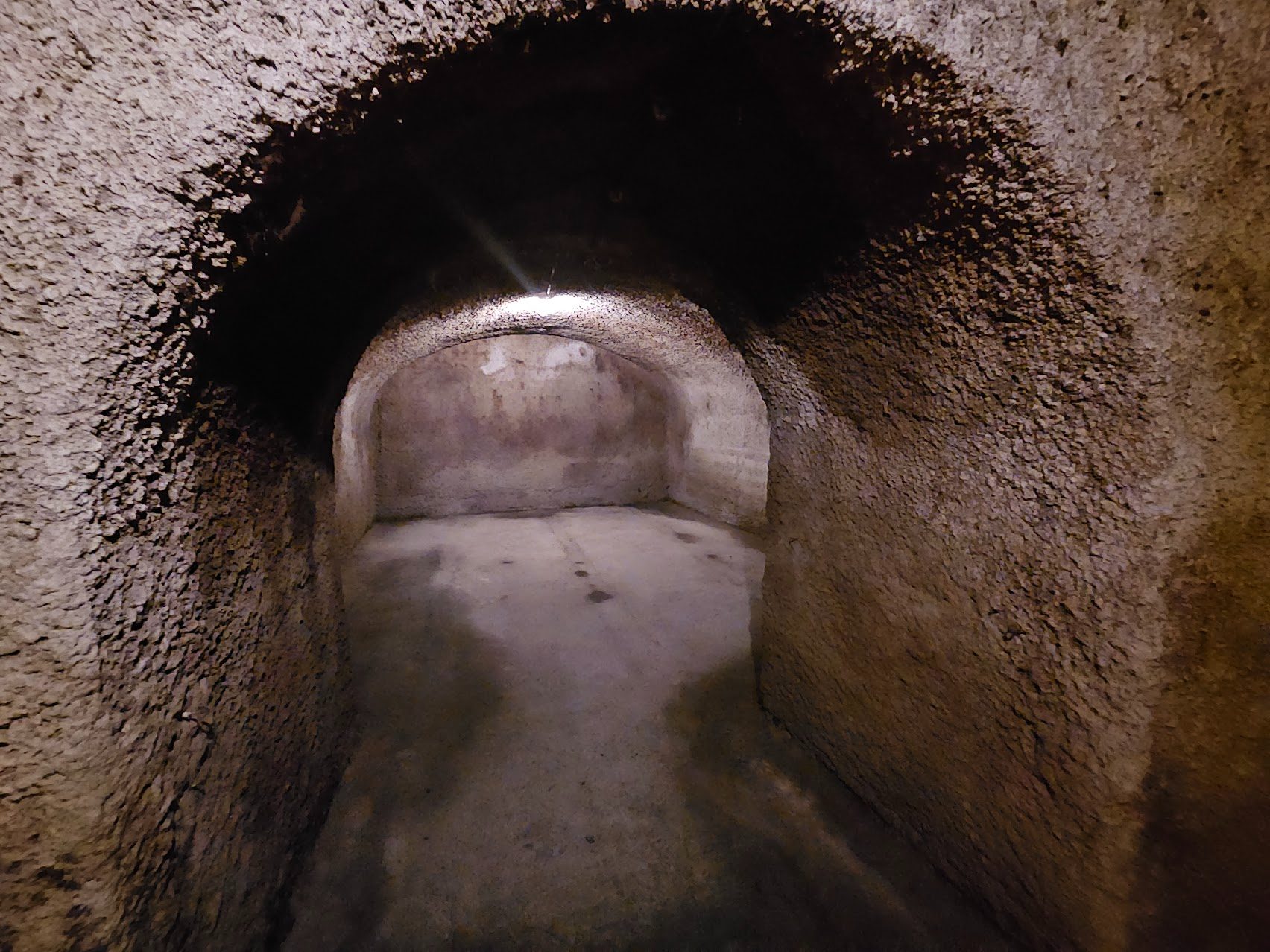
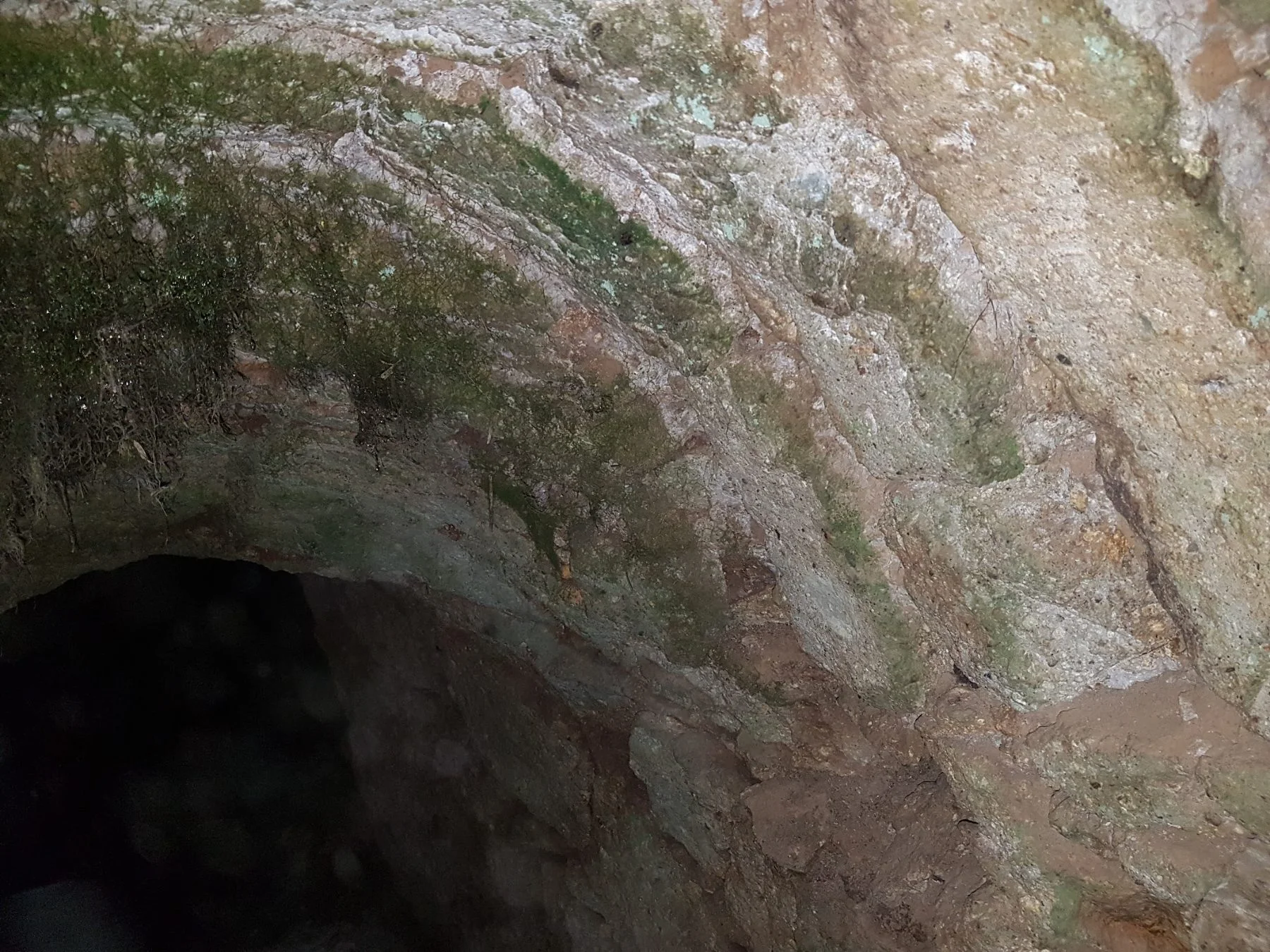
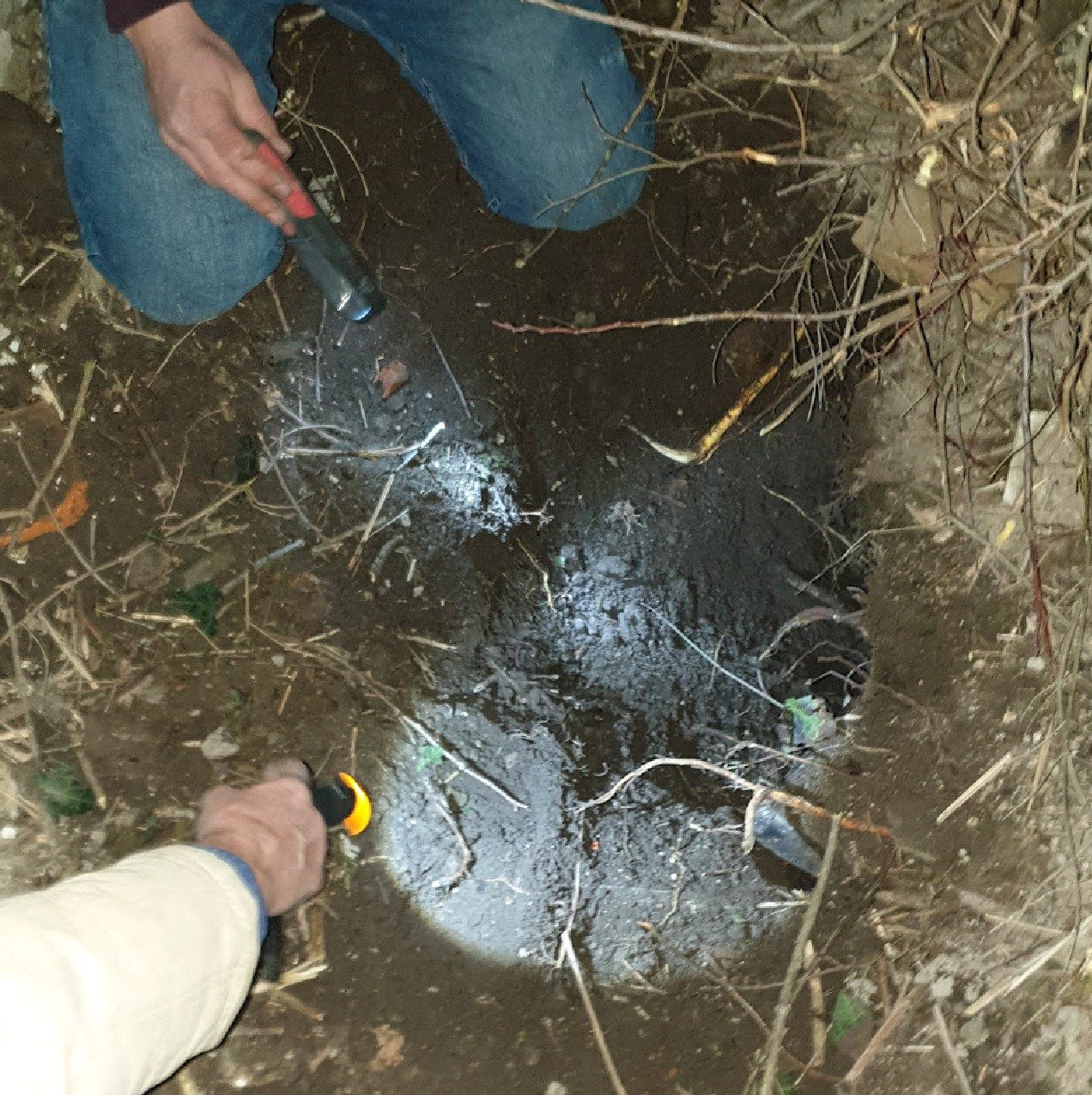
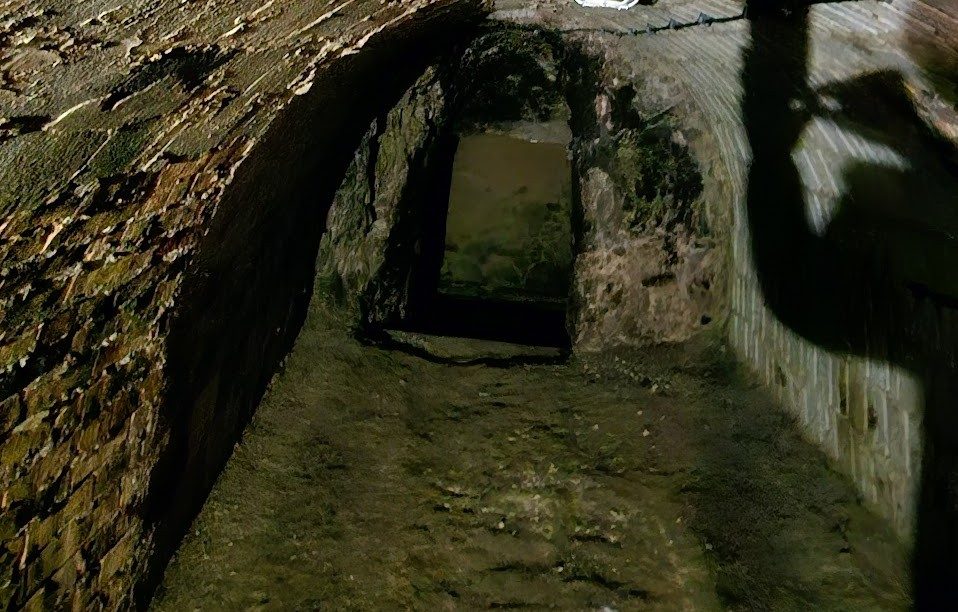
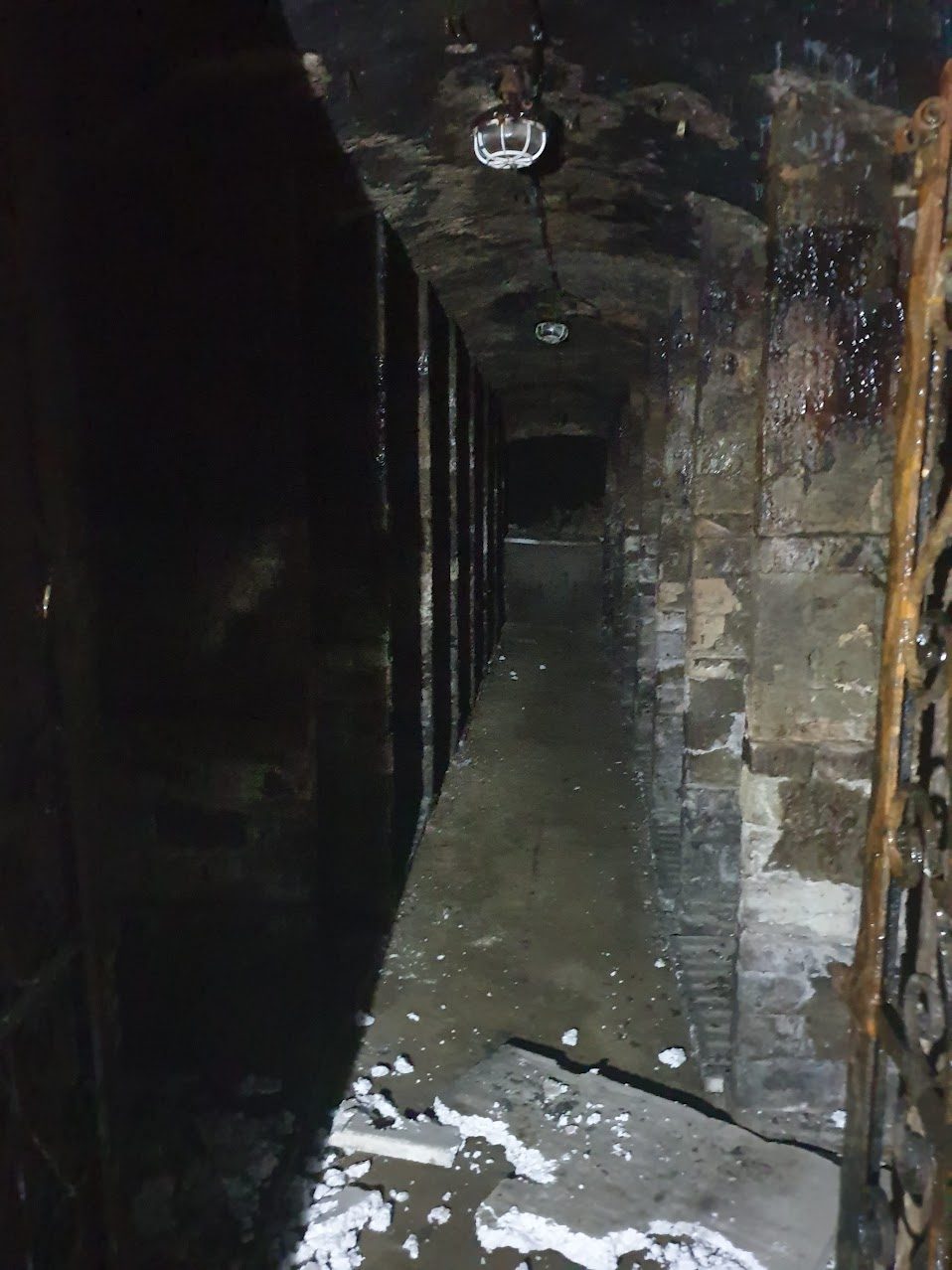
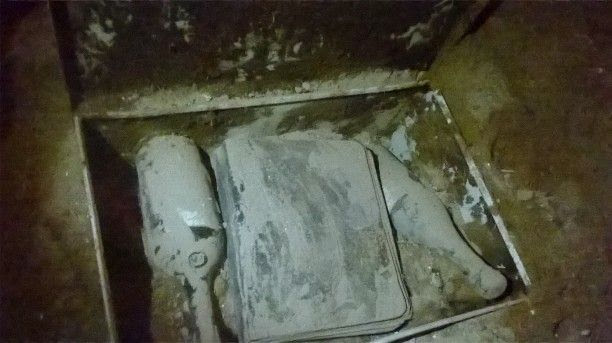
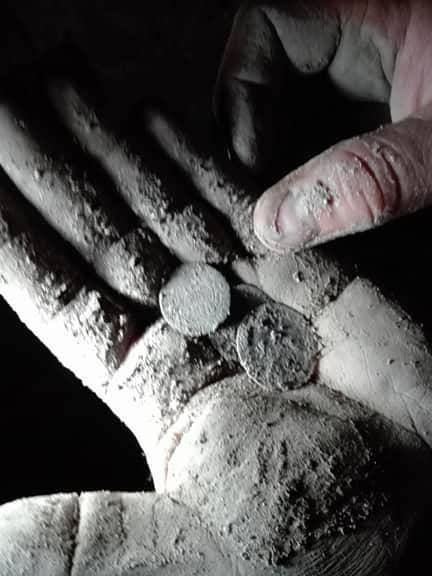
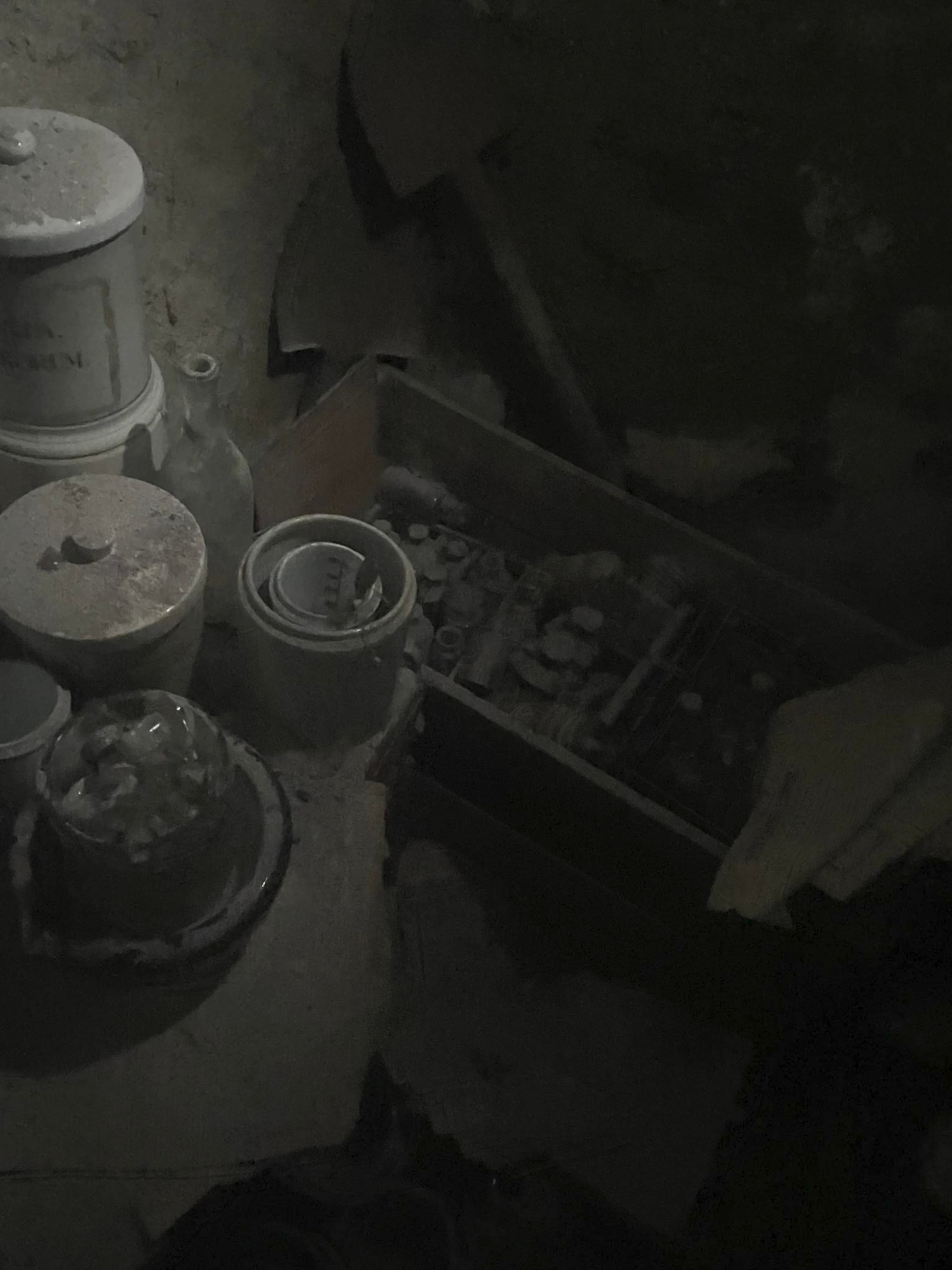
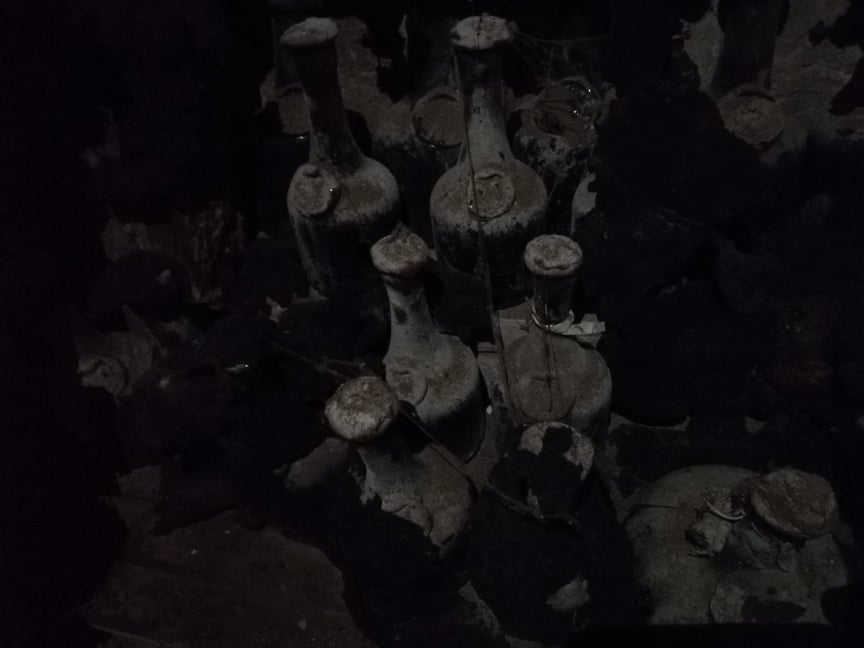
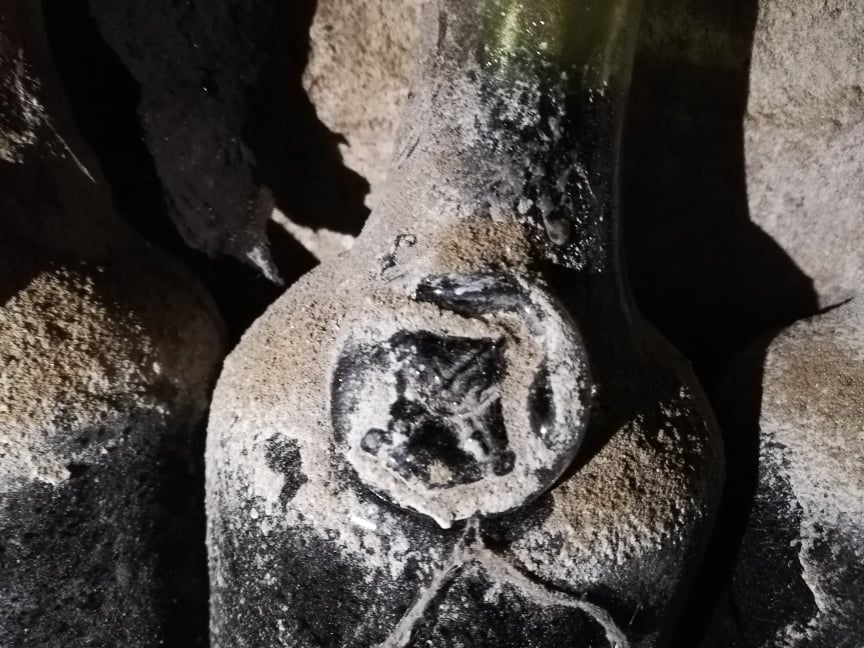
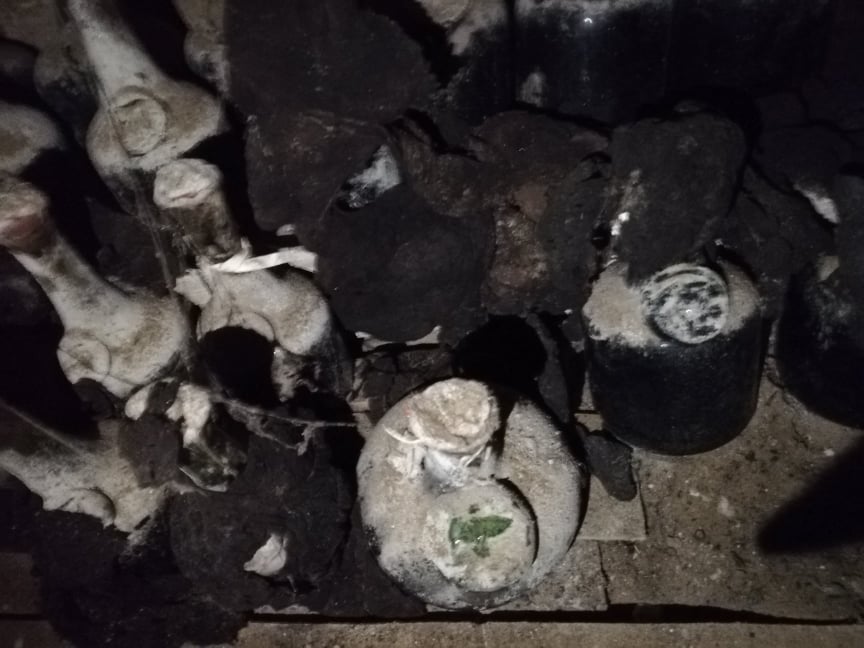
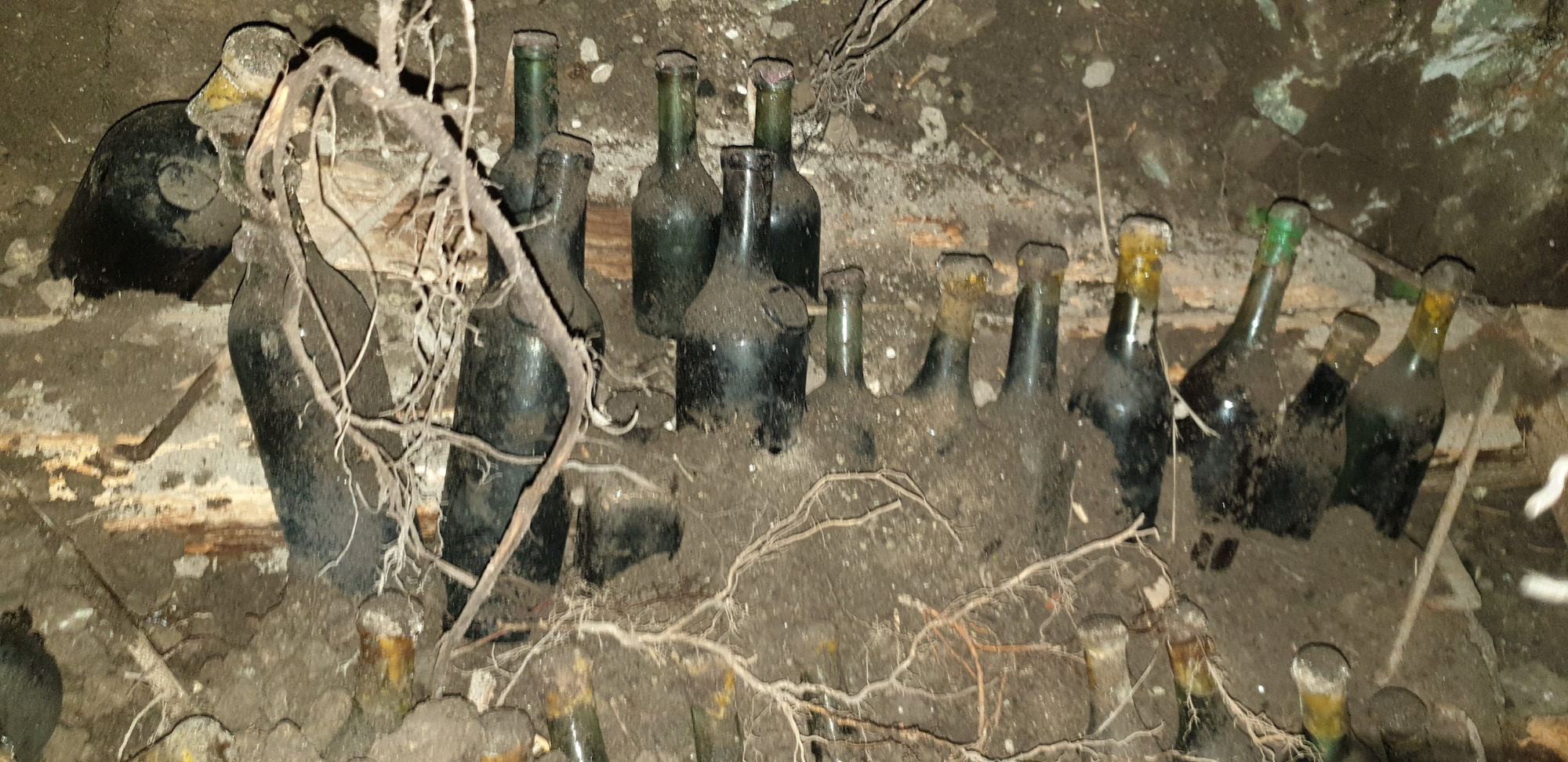
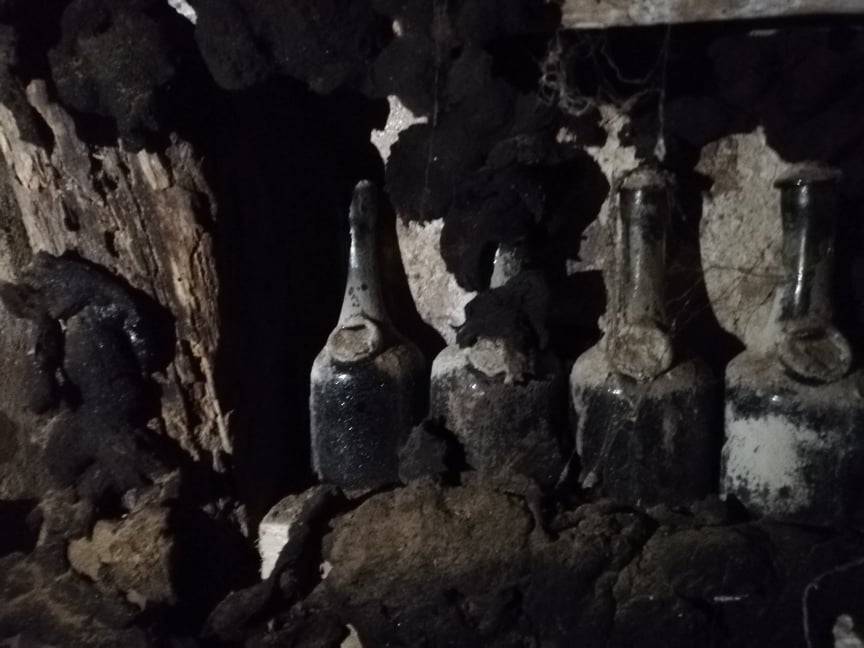
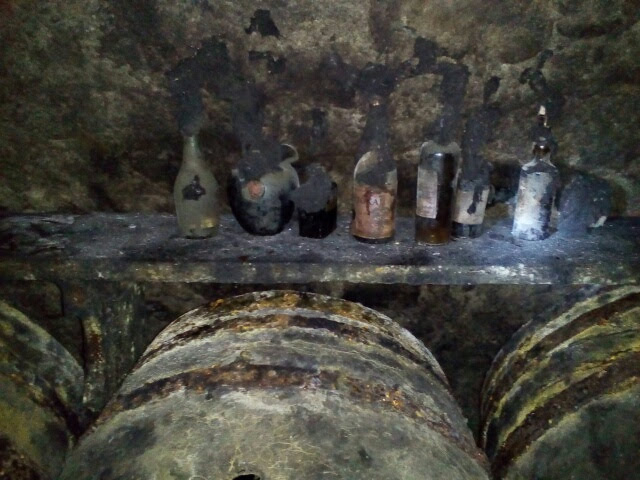
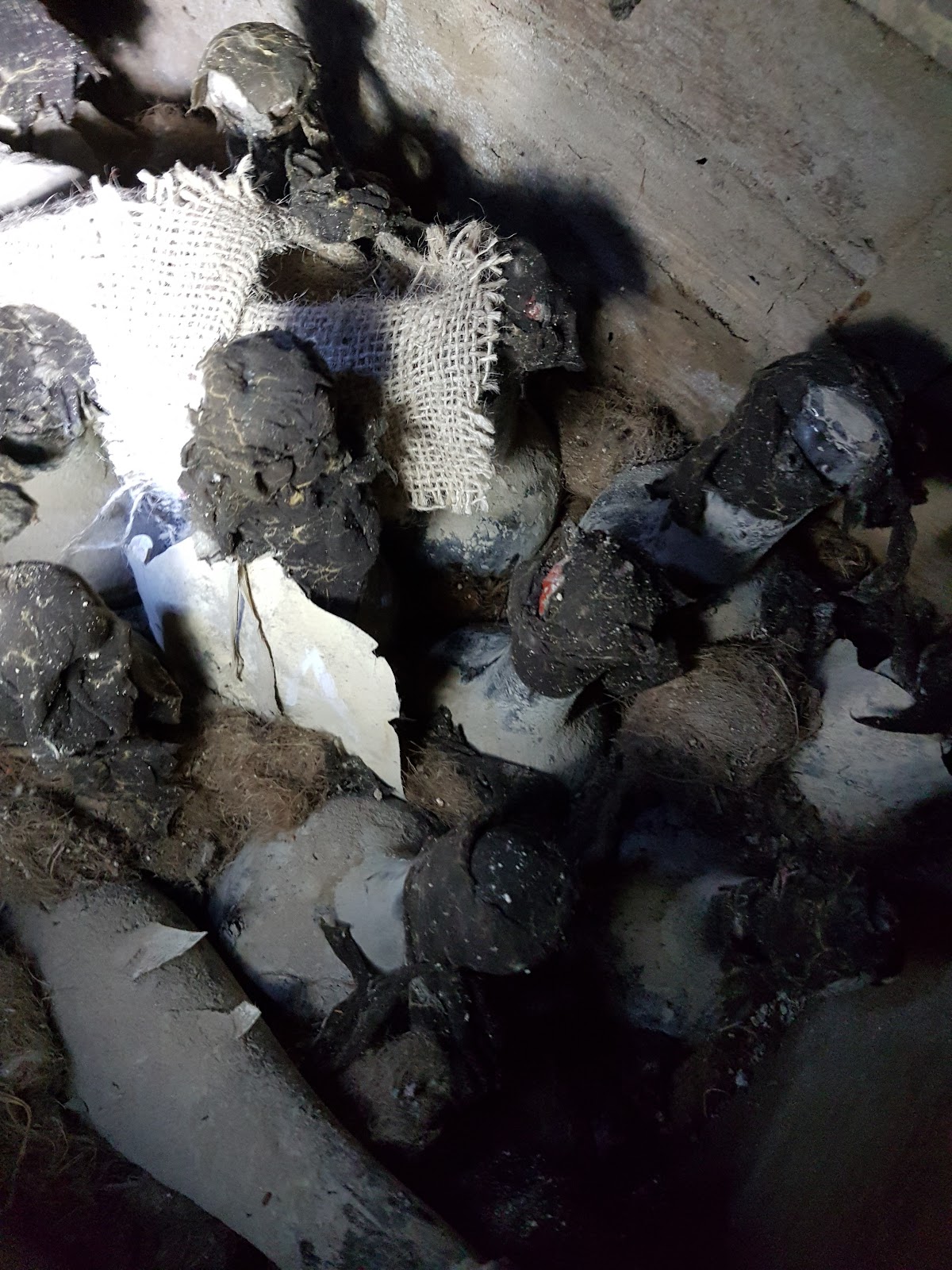
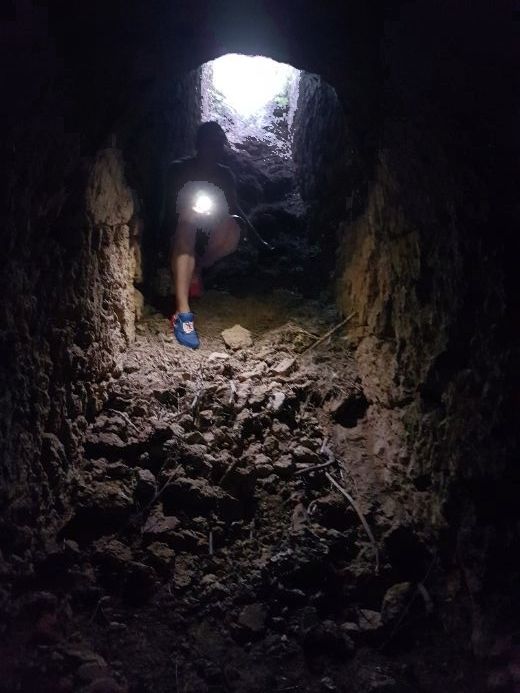
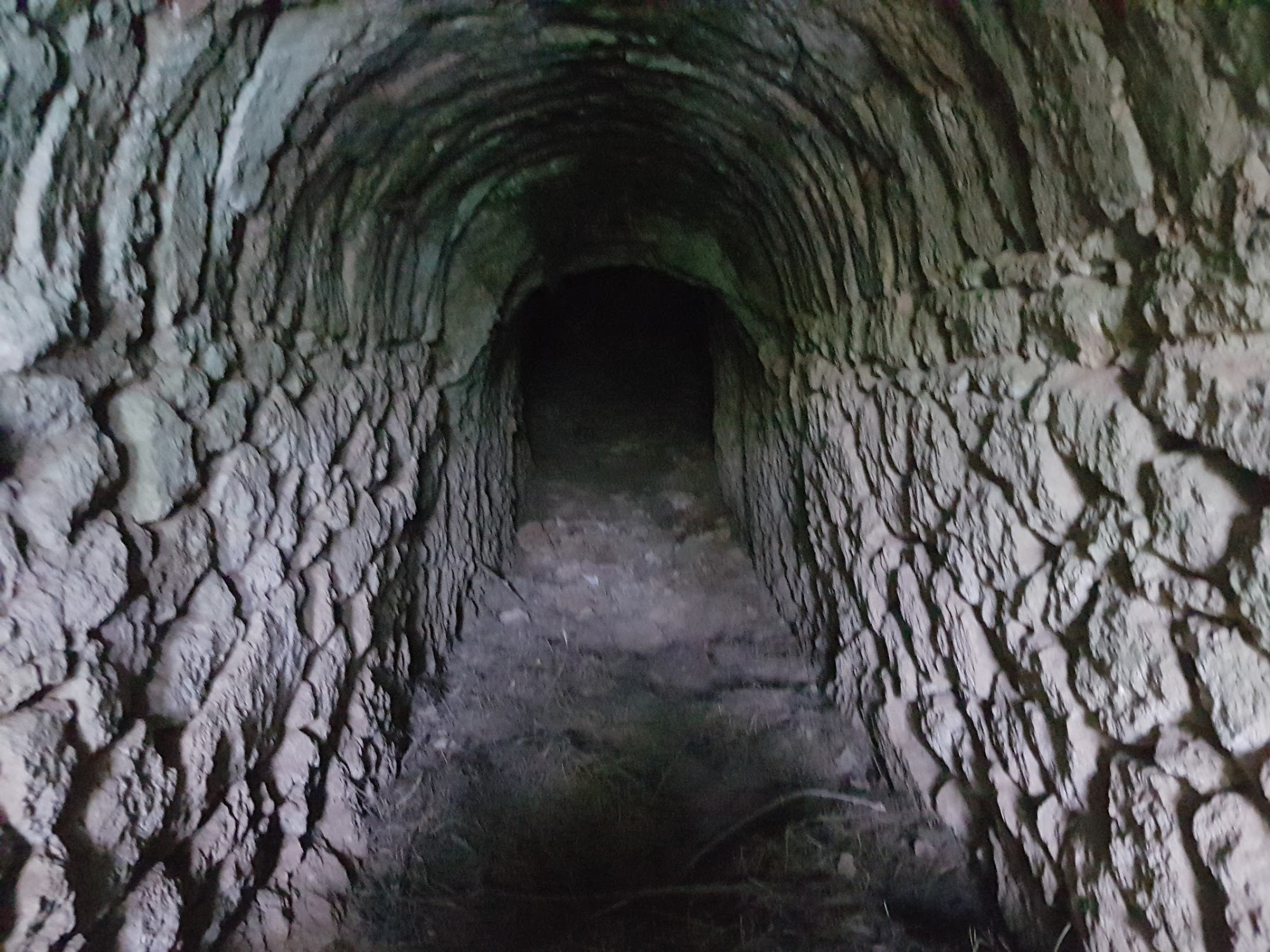
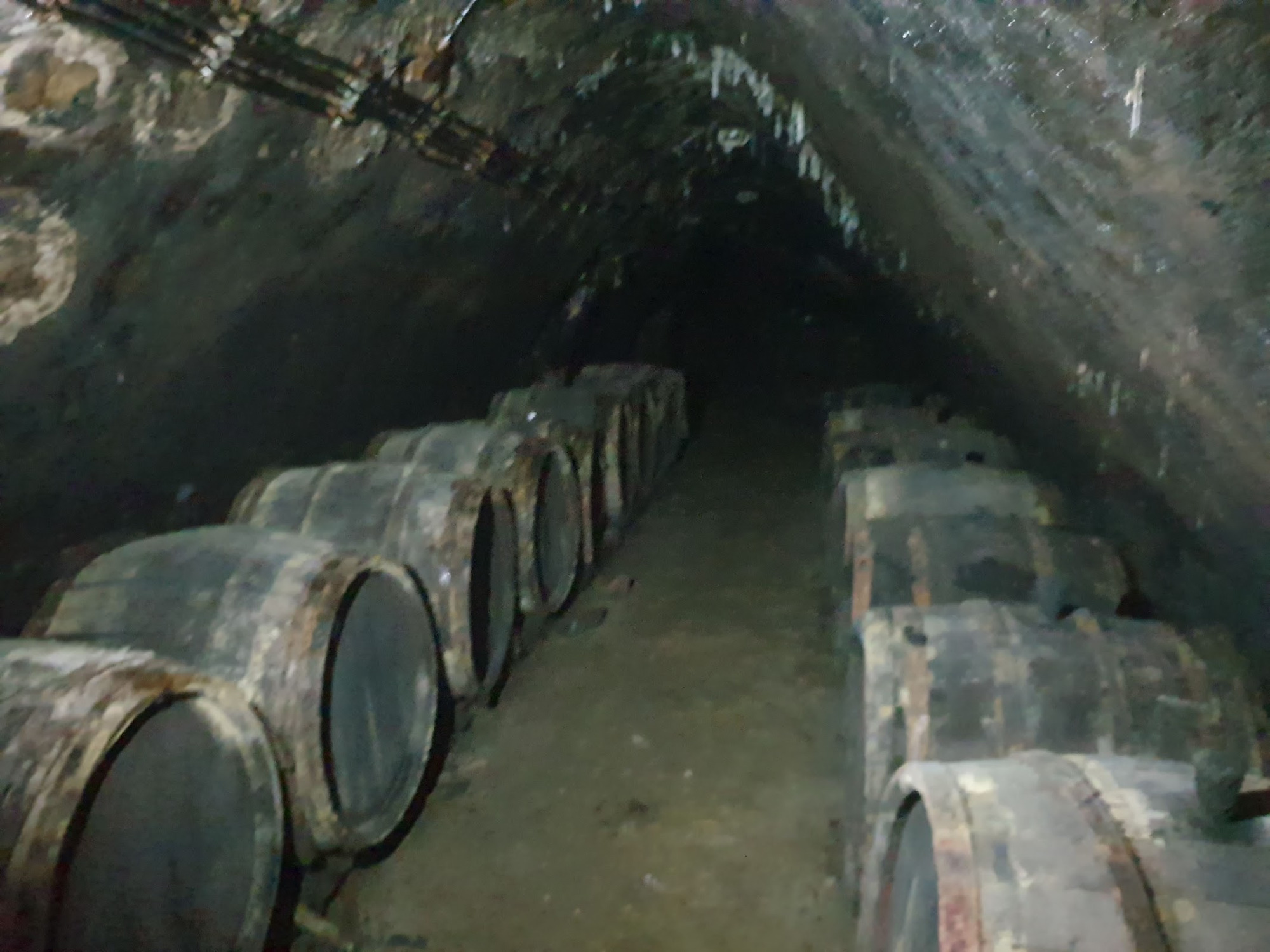
Below are some images from my own cellar expeditions, most of which do not yield any old bottles. Fortunately, I get regularly informed about cellar expeditions by other people interesting in old tokaji, and I often get involved as field expert if old bottles or related artefacts are discovered.