Bought as King of Poland, kept as a relicThe Royal Saxon Cellar
Around 1600 the Dresden court drank Rhenish and knew no Tokaji at all. Within a generation of the Polish union it held bottles by the thousand, aged in wood, drawn off under signed certificate — and then spent a century and a half keeping what it could no longer drink.
Residenzschloss, early 1739
26,719Bottles of Tokaji — nearly halved within twelve months
Bottled under certificate
1726120, 121 and 112 half-Maß bottles per átalag
Cabinet sorts
79Mostly under Polish names
Last recorded pouring
1909The 1727 and 1745, at 182 and 164 years
Certified for sale
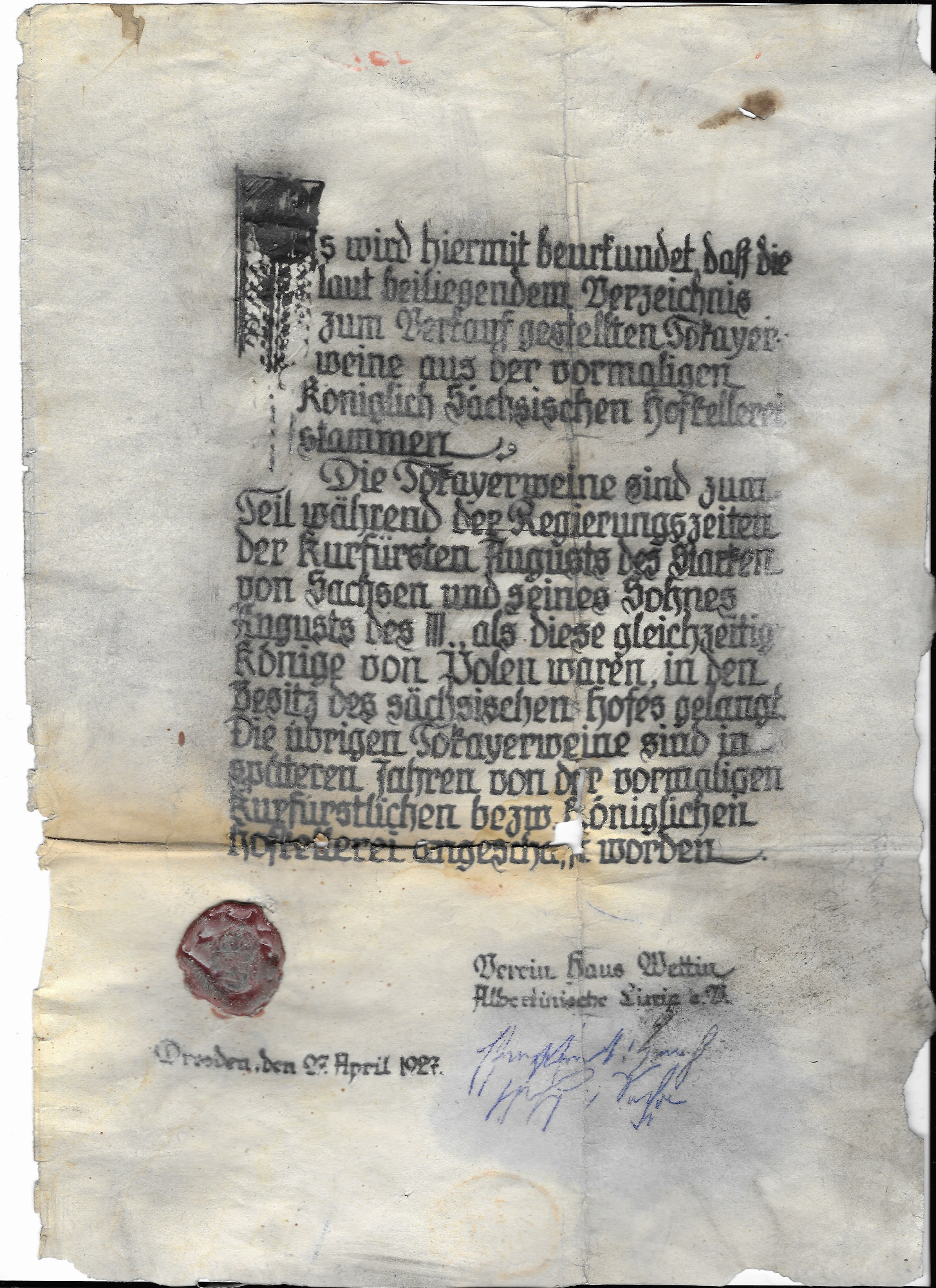
1927Verein Haus Wettin, Dresden, 27 April
Dresden · 1597 — 1931
The Royal Saxon Cellar, Dresden
A consolidated reading of the Dresden Hofkellerei records, 1597–1931: the seventeenth century in which Tokaji is absent, the generation after the Polish union in which it becomes routine princely supply, the Cabinet that turned the cellar into a museum of itself, and the certified sale of 1927 that put Saxon court Tokaji into the trade.
1597 — 1699
Before Tokaji: the cellar of the Renaissance and war electors
Around 1600 the Dresden court bought its fine wine on the Rhine and in Alsace, and gave Rhenish as its highest honour. Eighteen documentary units of the Loc. 8692 series — the purchasing files of 1597/98, the outbound drink-gift book of 1612/13, the cellar inventories of 1647 and about 1650/51, the requisition of Michaelmas 1674 and the stock-taking of 12 June 1699 — were read page by page for Hungarian wine. Not one entry names Tokaji, Ausbruch or Essenz.
The absence is a real absence rather than an artefact of cask accounting: the same 1699 inventory that omits Tokaji already counts Champagne and Burgundy in bottles, so a bottled luxury would have been recorded had one been there. The court’s prestige tier was Rhenish and Franconian by purchase, its sweet tier Iberian — Malvasia, Alicante, Pedro Ximénez, Canary sack — and from the 1690s French.
About 1650, Hungarian wine arrives — as an imperial present
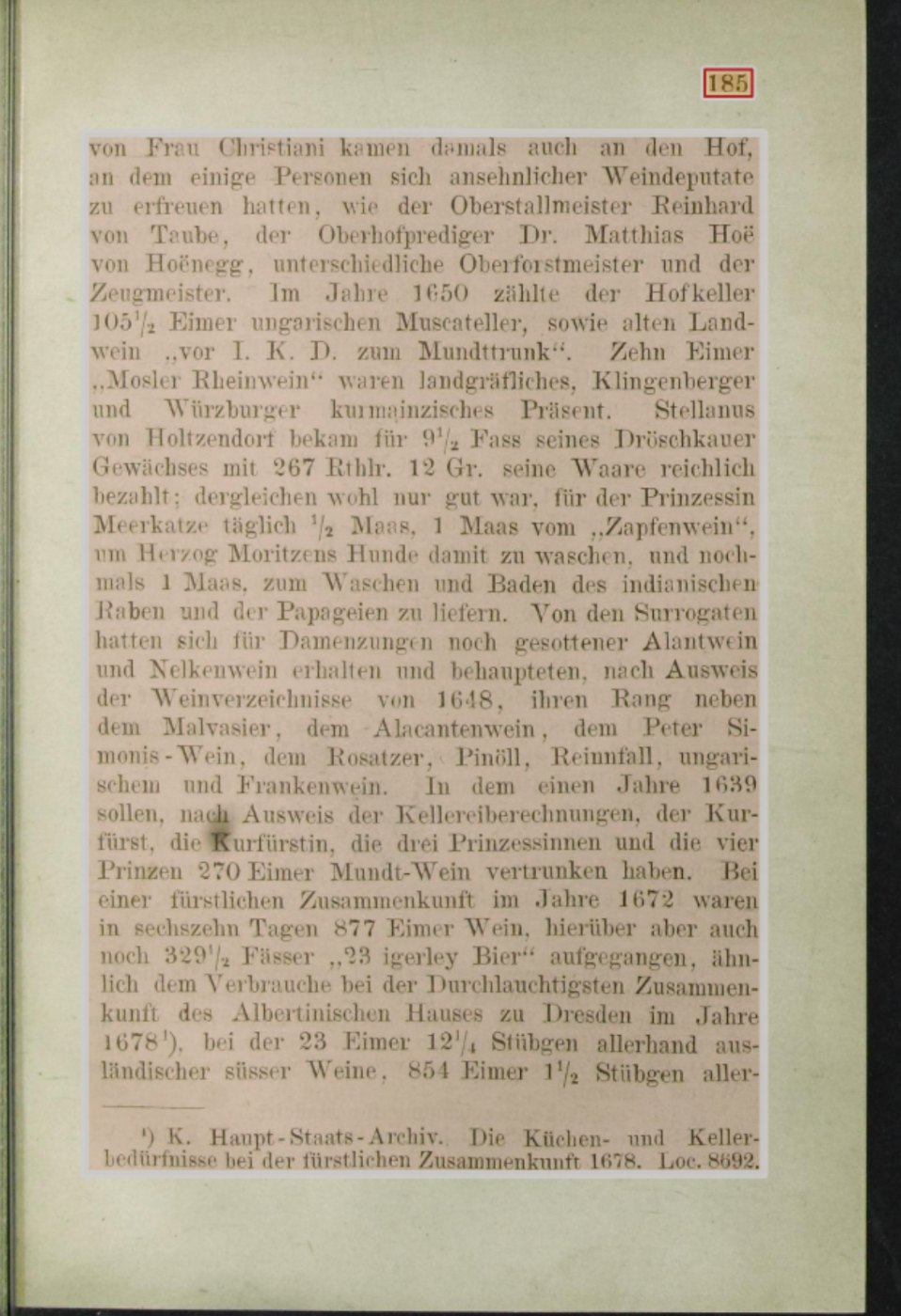
The inventory of the sweet and foreign wines, c. 1650/51, lists «78 Eimer Ungrischer Wein, Käyserl. Präsent» — roughly 5,200 litres received from the Emperor, standing beside Bavarian electoral presents and a Landgrave’s Rhine wine. Habsburg gift diplomacy, not commerce, was the first channel by which Hungarian wine reached Dresden in quantity.
The same inventory books «75 Eimer Ungrischer, Muscateller und alter Landwein, untereinander — vor Churfl. Durchl. zu Sachsen zu dero Mundtrunck»: Hungarian wine, muscatel and old country wine racked together as the Elector’s own table drink. In the mid-seventeenth century Hungarian wine at Dresden was a strengthening component of a princely house blend, not a connoisseur’s varietal treasure.
In 1699, «Ungarwein» in Dresden meant Sopron
The stock-taking of 12 June 1699 resolves its 115 Eimer of «Ungarischer- und Österreicher-Wein» into Hungarian 1693, Ödenburger (Sopron) 1697 and 1698, another town wine, Austrian 1693, Triester and Prosegger. Not every «Ungarwein» in a Saxon record is Tokaji — which is why the Antal, not the word, is the reliable fingerprint of Hegyalja wine in court accounts.
The infrastructure Tokaji would inherit
A three-city cellar network of Dresden, Torgau and the Leipzig Pleißenburg; numbered iron-hooped casks; instructions for constructing a gauging rod; the Great Cask of Königstein filled in 1653 with 478½ casks, some 180,000 litres, 250 of them carted from Torgau over twenty-five days; and transport registers showing the Elector’s and the Electoral Prince’s wines moving as separate properties with separate books — a point that matters for provenance. The eighteenth-century Tokaji cellar was built on an apparatus already fully formed.
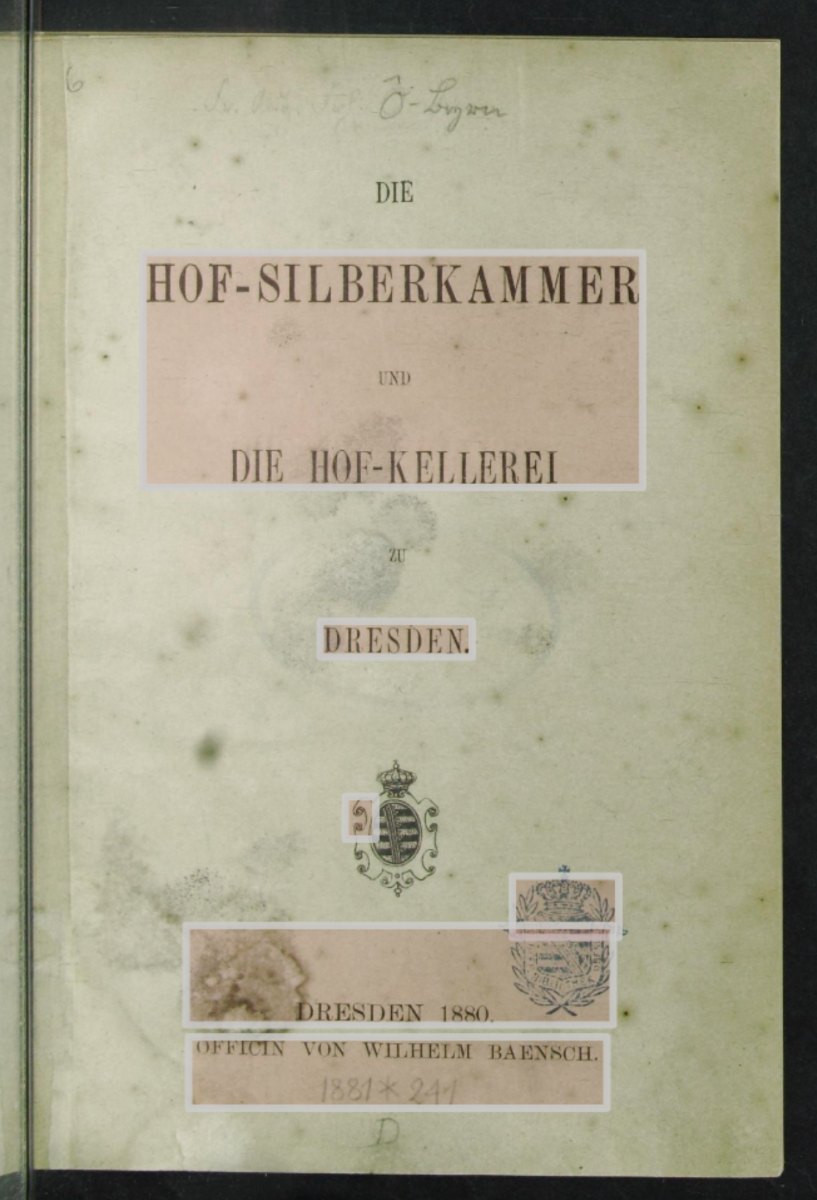
The printed account, 1880. Friedrich August Ö-Byrn’s Die Hof-Silberkammer und die Hof-Kellerei zu Dresden (Dresden 1880), still the fullest published narrative of the cellar and the source of many figures below. Page 185 gives the state of the cellar in the middle of the seventeenth century: in 1650 it held 105½ Eimer of Hungarian Muscateller alongside old country wine «vor I. K. D. zum Mundttrunk», with the Rhenish arriving as diplomatic presents. Hungarian wine is present — but as Muscateller, not yet as Tokaji.
1705 — 1733
Arrival: Tokaji under August the Strong
The first named gift of the King’s favour toward the Geheime Räthin von Hoym — the future Countess Cosel — is Tokaji. A rescript of 24 June 1705 to the Oberschenk records that the King had given her «2 Fäßchen Tokaier, zusammen 65 Maaß», about 61 litres, to be delivered on request. The gift stands a year before her elevation; the next documented favour was thirty Schragen of firewood.
When Tsar Peter I stopped in Dresden in September 1711, an Antal of Tokaji from the Hofkeller was presented to him on the 20th, «welchen S. Czaarische Majestät selbst ausgekostet» — which His Tsarist Majesty tasted out himself. At the curators’ inspection of Cosel’s own cellar in February 1719 much had deteriorated, but «Der ungarische Wein sei noch gut»: the vault held 102 bottles of Tokajer and eleven containers of Hungarian wine, and 88 bottles went after her to Stolpen in June.
The Warsaw átalag line, 1721–1726
The 1726 vouchers name the channel. Átalags were delivered from Warsaw on 30 March and 7 September 1726 «durch den Herrn Marschall»; casks were bought and delivered by Field Marshal Count von Flemming; one átalag came from the Princess of Teschen, Ursula Katharina Lubomirska, on 24 April 1722. The Wettin–Polish union of 1697 turned Tokaji from a diplomatic curiosity into routine princely supply, moving through the highest court channels and in numbered casks.
In the monthly accounts of the Hofkellerei of the Royal Prince — the future August III — «Tockayerwein» is a standing account: 1,048 bottles in stock at the end of December 1725, 1,083 after the February intake, with 22–47 bottles consumed monthly and daily issues rising to 24–26 around feast days. It was the only non-French bottled luxury in the prince’s cellar.
December 1726: the bottling certificates
On 2 and 27 December 1726 cellar-master Johann Conrad Schachtmann certified, cask by cask, the drawing-off of individual Tokaji átalags into half-Maß bottles: 120 bottles from the Warsaw átalag of 30 March, 121 from that of 7 September, and 112 from Flemming’s átalag of 3 March 1723 — after nearly four years in wood. Burgundy, by contrast, was drawn into full-Maß bottles at 229–230 per Stück. A separate voucher receipts 933 empty bottles at 6 Groschen each.
Why this matters for examination
The chain — numbered átalag, stated Warsaw origin, dated drawing-off, counted half-Maß bottles, signed certificate — is the documentary and physical profile that genuine Saxon-bottled Tokaji of the period should present. It also fixes the format: 112–121 half-Maß bottles per átalag implies roughly 56–60 litres net and a bottle of about 0.45–0.47 litres. A purportedly Saxon court bottle of this era in full-Maß format, or without a cask number behind it, is arguing against the house practice.
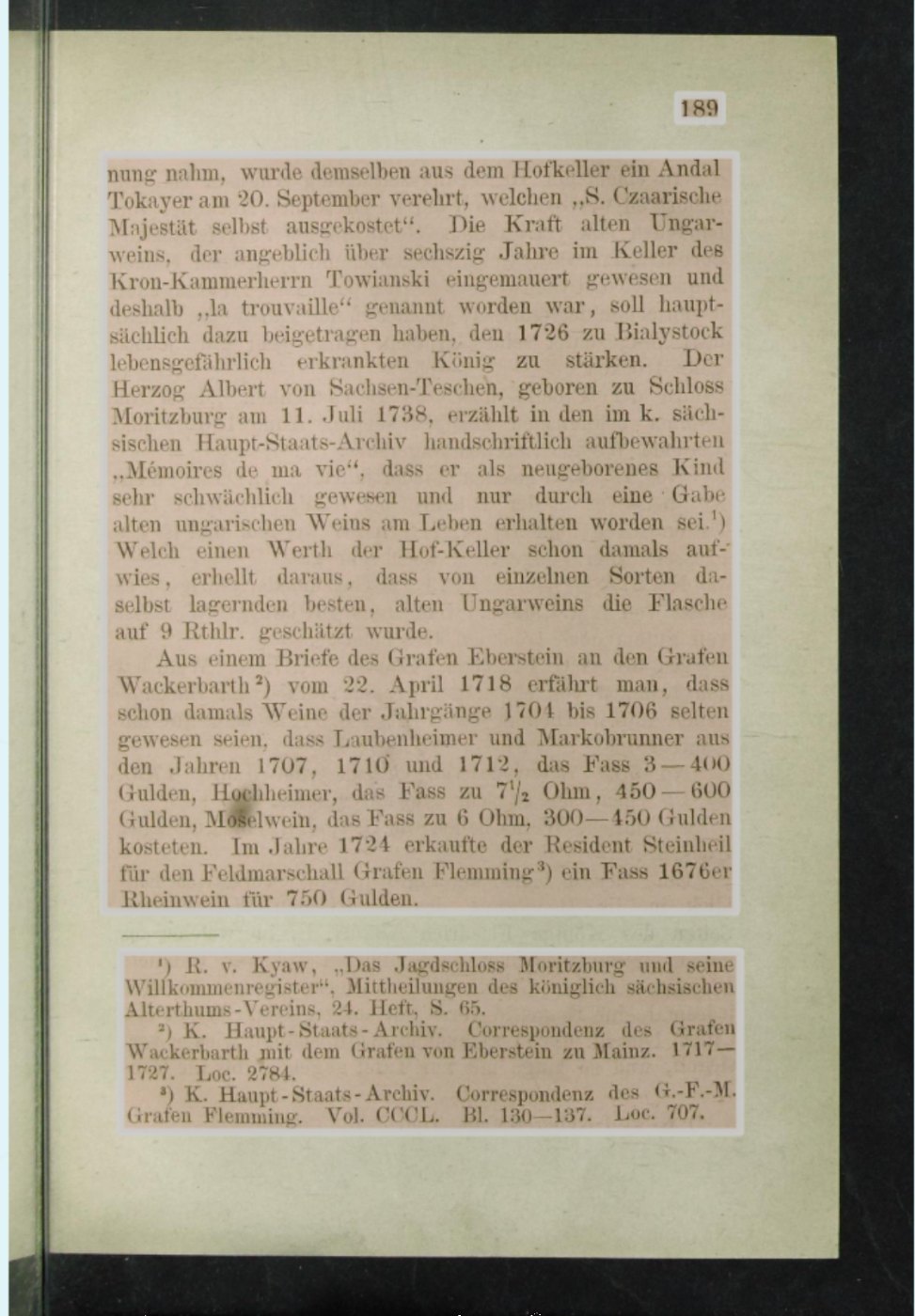
«La trouvaille»: walled-up wine, and a bottle worth nine Reichsthaler
Ö-Byrn preserves two anecdotes that show what old Hungarian wine had come to mean at this court. The first concerns a wine said to have been walled up for some sixty years in the cellar of the Crown Chamberlain Towianski and therefore called «la trouvaille» — the find. It was credited with strengthening the King when he fell dangerously ill at Białystok in 1726. The second is autobiographical: Albert, Duke of Saxe-Teschen, born at Moritzburg on 11 July 1738, records in his manuscript «Mémoires de ma vie» that as a sickly newborn he was kept alive by a gift of old Hungarian wine.
The same page gives the measure that matters most for provenance work: of individual sorts of the best old Ungarwein then lying in the cellar, the bottle was valued at 9 Reichsthaler. For comparison, in 1724 the resident Steinheil bought Field Marshal Flemming a cask of 1676 Rhenish for 750 Gulden. Old Hungarian wine was not merely drunk at Dresden; it was capitalised.
Ö-Byrn 1880, p. 189. The Towianski wine, the gift to Tsar Peter I of an Antal of Tokaji on 20 September «welchen S. Czaarische Majestät selbst ausgekostet», Duke Albert’s Mémoires, and the valuation of the best old Hungarian wine at 9 Reichsthaler the bottle.
1733 — 1763
Zenith: the cellar of August III
The 1698 inventory, taken shortly after August II’s election as King of Poland, recorded no Tokaji at all. At the beginning of 1739 the vaults of the Residenzschloss held 26,719 bottles — a quantity court consumption nearly halved within twelve months. The court numbered some 2,000 to 2,300 persons at mid-century, and Dresden ranked next to Vienna among the most important consumption centres of the wine.
At Hubertusburg the system is visible in motion. Tokaji, Burgundy and Champagne were bottled on arrival and stored lying so the corks stayed wet; the finest Tokaji was Mundwein, kept in the locked «Innere Kellerei» to which only the Kellermeister had access and handed personally to the Mundschenk. Seasonal magnitudes run from 2,134 bottles consumed in the 75-day camp of 1741 to 5,486 in 1737.
A century-old Tokaji at table, 1743
The Specificatio of 3 October 1743 itemises 594 bottles of Tokaji by quality and recipient, including two bottles «100-jähriger» — a hundred-year-old wine, so of about 1643 — two «Sacre», three «Official» formerly drunk by His Majesty, 58 currently drunk by him, 25 for the Chur-Prinz, 77 for Graf von Brühl, 48 «gute» for the princesses and two «süße 1727er». The stock reckoning of 25 October shows 914 bottles on hand and 296 consumed in three weeks.
The value ranking of the autumn camp, 1755
Wine
Value
Unit price
Tokaji
4,002 Taler — the largest single position
174 Taler per Anthal (23 casks)
Burgundy
3,220 Taler
140 Taler per Oxhoft
Rhine wine
2,910 Taler
—
Per litre that is roughly a four- to five-fold premium: the clearest price evidence that Tokaji was administered as a distinct asset class. Rank is legible throughout the cellar books — Mundwein belongs to the King, the Crown Prince and Brühl; the princesses have their own «gute» sort; the ranking local officials receive two bottles each at the Hubertusfest while lower servants get Landwein, and the Postmeister pointedly receives «Ungarwein», not Tokaji. The files themselves distinguish the two.
Procurement ran via Kraków and Lemberg, through merchants such as Ber of Bolechow, whose memoirs are the classic first-person source on the Galician trade, while some exclusive lots were presents from Polish magnates — the «Ossolinski» bin being the visible trace in the cellar books.
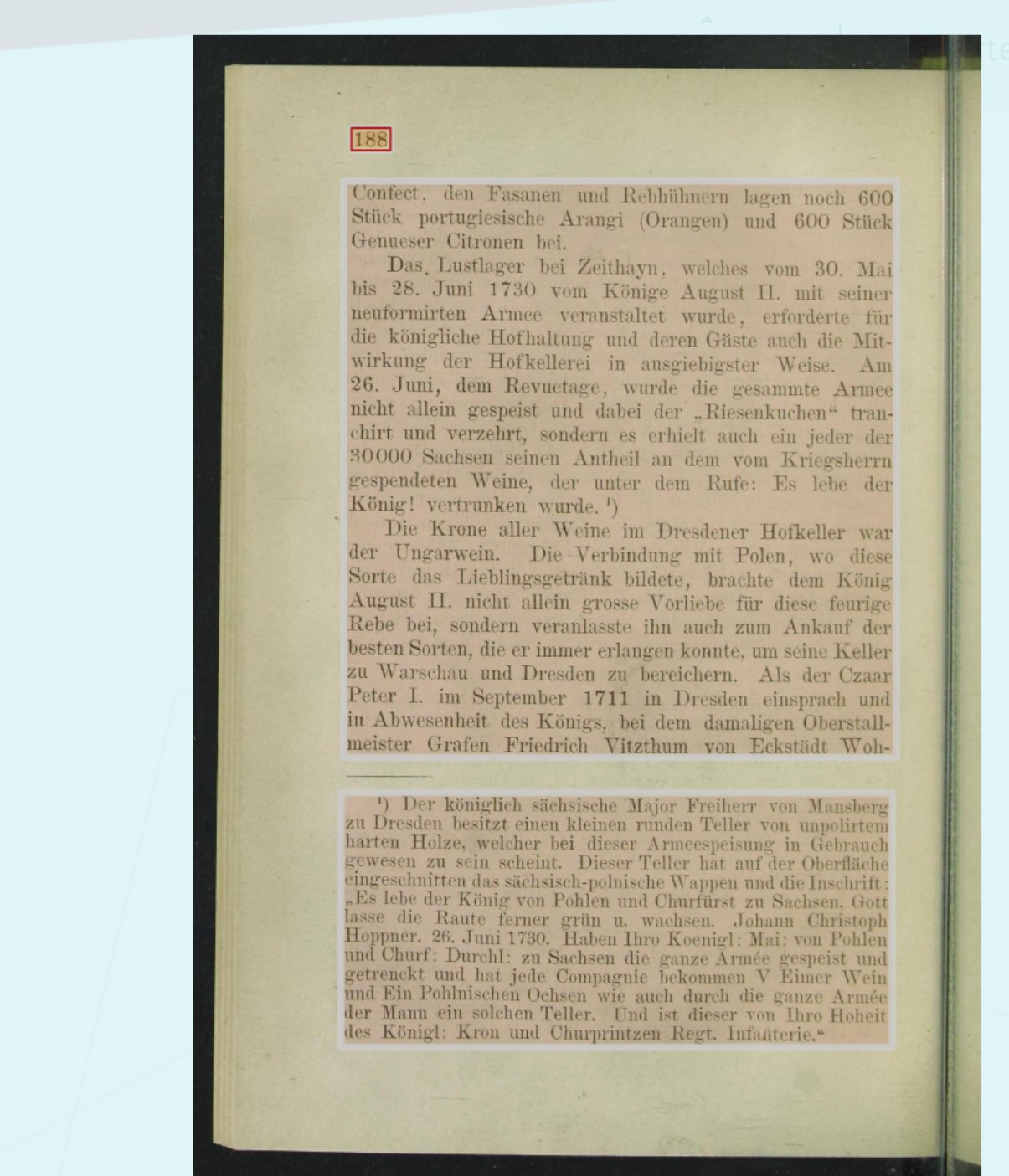
«Die Krone aller Weine»
Ö-Byrn states the hierarchy without hedging: the crown of all the wines in the Dresden Hofkeller was the Hungarian wine. He also gives the reason, and it is the Polish one. The connection with Poland, where this wine was the favourite drink, gave August II both a taste for it and a motive to buy the best sorts he could obtain, to enrich his cellars at Warsaw and Dresden alike. The two cellars were managed as one supply.
Ö-Byrn 1880, p. 188. The passage naming Hungarian wine the crown of the Dresden cellar and Poland as the route by which it came, followed by the visit of Tsar Peter I in September 1711. Digitised copy: SLUB Dresden, Hist.Sax.G.582.m (public domain).
Brühl’s cellar, valued in 1765
The court set the standard and the Saxon nobility followed it. The estate inventory of the premier minister Heinrich von Brühl (1700–1763), completed in 1765, was valued by the Saxon Oberlandweinmeister Heinrich Roos: the cellar came to 55,644 Reichsthaler in total — more than the cabinet of naturalia and engravings, and about the value of Brühl’s celebrated library. Of that sum the Hungarian wines alone accounted for 42,833 Reichsthaler, with Rhenish a distant second at 8,832. The list runs to more than 800 individual items and, at his death, more than 10,000 bottles and several hundred casks. It contains no Saxon wine at all: at the Dresden court, local wine was issued to junior staff and to the kitchen. Figures after Johannes Wolff, «Genussmittel und Mittel der Politik. Tokajerkonsum am spätbarocken Dresdner Hof», Dresdner Hefte 142 (2/2020).
1768 — 1827
The Cabinet: ritual and connoisseurship
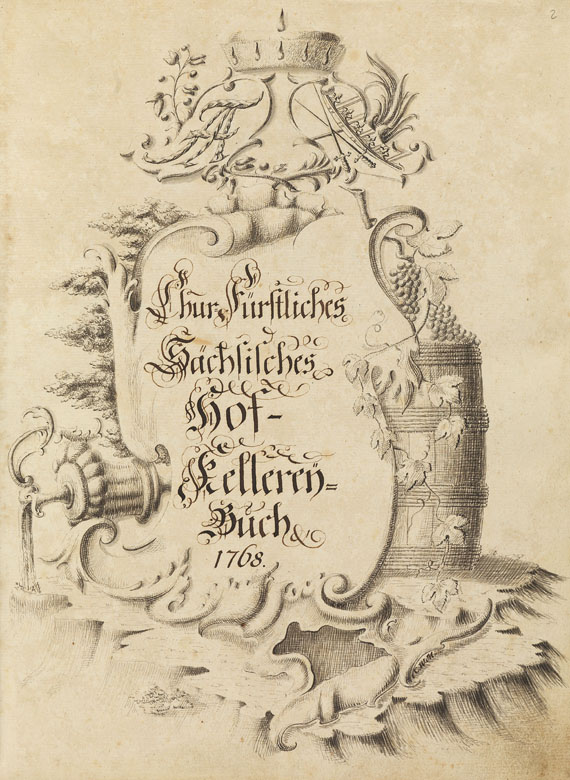
The Chur-Fürstliches Sächsisches Hof-Kellerey-Buch (SLUB Dresden, Mscr.Dresd.App.306) opens with the ceremonial visit of Elector Friedrich August III and Electress Maria Antonia on 11 May 1768 and runs to 4 May 1909. It records the cellar’s showpiece pourings, including the 1700 vintage tasted in 1870 and, at the close, the 1727 and 1745 Tokajis poured on 4 May 1909 at 182 and 164 years. The «süße 1727er» had already been served at Hubertusburg in 1743 — the longest single-vintage thread in the record.
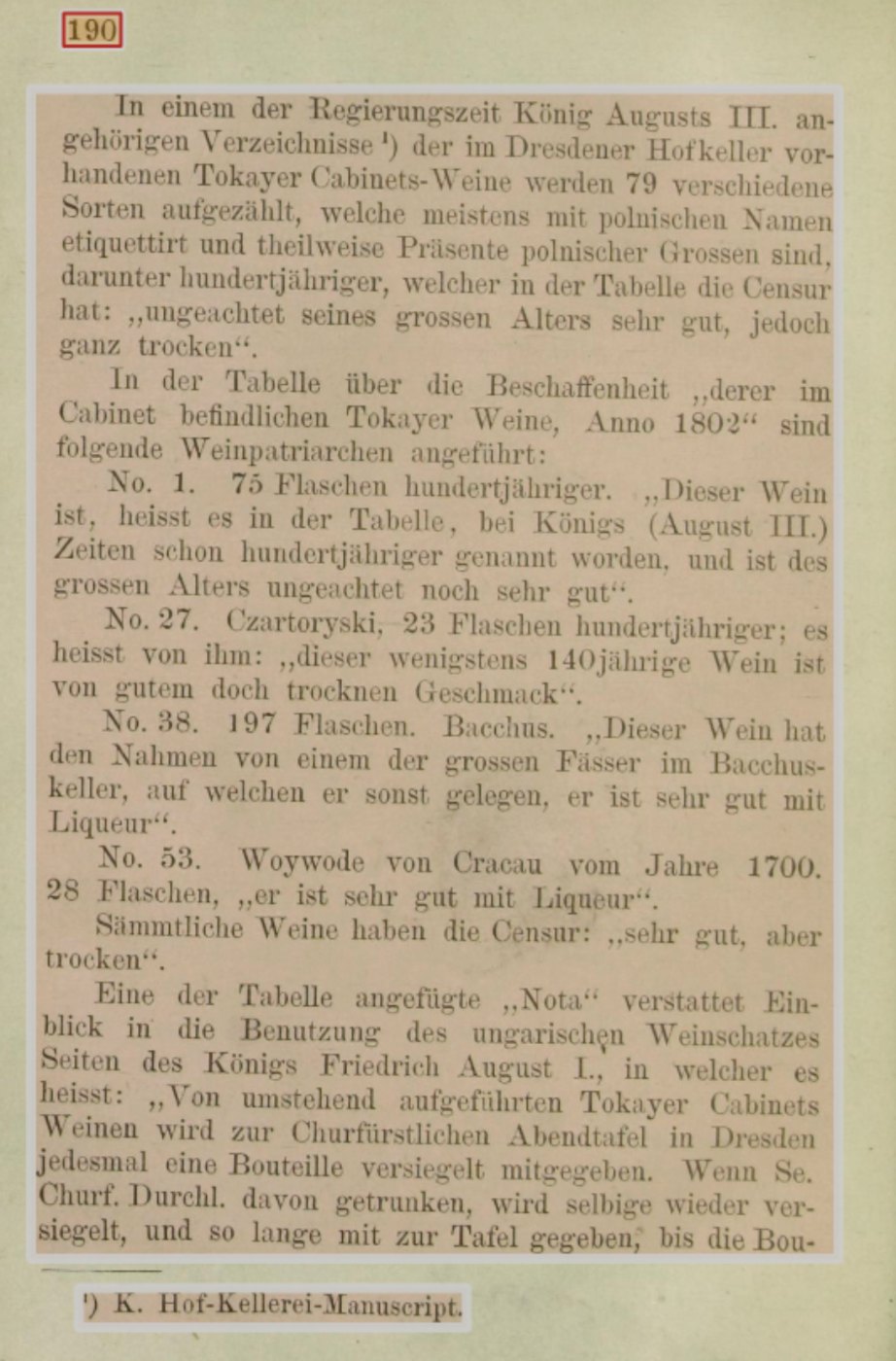
The 79 Cabinet sorts and the condition table of 1802
A register from the reign of August III lists 79 different sorts of Tokayer Cabinets-Weine, mostly labelled with Polish names and partly presents of Polish magnates. The table on their condition of 1802 names the Weinpatriarchen.
The condition table, Anno 1802
Sort
Bottles
The censur
No. 1 «hundertjähriger»
75
already called hundred-year-old in August III’s day, and still very good despite its great age
No. 27 «Czartoryski»
23
«dieser wenigstens 140jährige Wein ist von gutem doch trocknen Geschmack»
No. 38 «Bacchus»
197
named after one of the great casks in the Bacchuskeller — «sehr gut mit Liqueur»
No. 53 «Woywode von Cracau vom Jahre 1700»
28
—
General censur
«sehr gut, aber trocken»
The vocabulary is the point: in 1802 the cellar distinguishes wines still «mit Liqueur» from those gone «ganz trocken» — a systematic condition assessment of century-old Tokajis, wine by wine.
A Nota appended to the table regulates use of the treasure. One sealed bottle accompanies the electoral evening table in Dresden each time; after the Elector has drunk from it, it is resealed and returned to table until finished, whereupon the next number is served if it is a good sort. Otherwise wine leaves the Cabinet only on electoral command — for distinguished patients among others. Count Marcolini repeatedly obtained sort No. 8, «ein vortrefflicher voller Wein», at 4 Reichstaler the bottle. On 1 April 1805 the Hofkeller held 833 whole and 1,666 half bottles of Tokaji, valued at 3,290 Reichstaler.
The Cabinet’s visitors, 1768–1913
The Tokajer Cabinet sat in the Residenzschloss below the Grünes Gewölbe, and it was shown. Its guest books, covering 1768–82 and 1869–1913, record among others:
Frederick Augustus III, Elector of Saxony, with his mother Maria Antonia of Bavaria
Heinrich Christoph von Baudissin, Governor of Dresden and Königstein (1709–86)
Michael K. von Oginski, Grand Hetman of Lithuania (1731–99)
Members of the Boos von Waldeck, von Wilberg, von Berlepsch, von Oettingen, de l’Estocq and von Lindemann families
Albert, Crown Prince and later King of Saxony, and his wife Carola
Frederick Francis II, Grand Duke of Mecklenburg-Schwerin
Philippe of Flanders, and his father-in-law Karl Anton of Hohenzollern-Sigmaringen
Antoinette, Duchess of Austria; Antoinette Maria, Hereditary Princess of Hohenzollern and Infanta of Portugal; Leopold, Hereditary Prince of Hohenzollern
Georg, Duke of Saxony; Carl of Prussia; Victoria of Prussia, «Empress Friedrich»
Ferdinand II of Portugal; Wilhelm of Hohenzollern, later Emperor Wilhelm II
Frederick III, King of Saxony, with his brothers John George and Maximilian
Franz von Thurn und Taxis; Albrecht von Braunschweig
Gustav, Crown Prince and later King of Sweden and Norway
Johann Heinrich Burchardt, Mayor of Hamburg; Johann Albrecht, Duke of Mecklenburg
Tokaji was not confined to Dresden. It travelled to and was kept in the cellars of the residences the monarchs used — Hubertusburg, Moritzburg, Pillnitz — and it served as a present of the first order, to Louis XIV, to Peter I, and with the marriages of August III’s daughters.
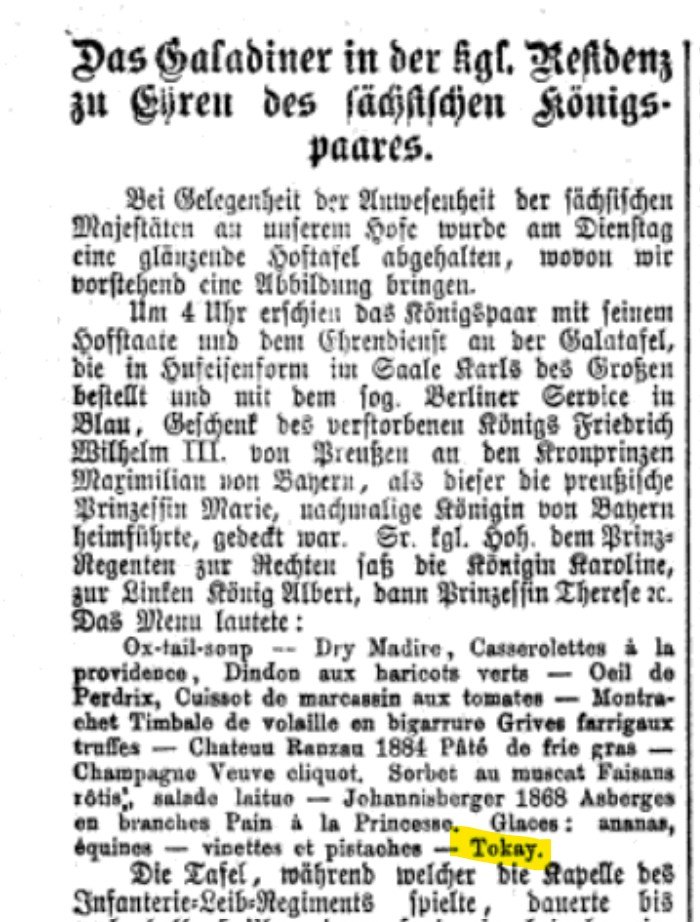
Left: title page of the Cabinet guest book (1768–82, 1869–1913). Centre: Ö-Byrn’s transcription of the 1802 table — No. 1, 75 bottles of hundred-year-old wine, «des grossen Alters ungeachtet noch sehr gut»; No. 27, Czartoryski, 23 bottles of a wine of at least 140 years, «von gutem doch trocknen Geschmack»; No. 38, Bacchus, 197 bottles named after the cask it had lain on; No. 53, Woywode von Cracau of 1700, 28 bottles. Right: the Neues Münchner Tagblatt on a gala dinner for the Saxon royal couple in Munich — the menu ends, after the ices, with a single word: Tokay.
“dieser wenigstens 140jährige Wein ist von gutem doch trocknen Geschmack”Friedrich August O'Byrn on the Cabinet list, 1880
The categories the cellar actually used
The Saxon inventories classify Tokaji by tasting, not by the modern Hungarian vocabulary. They record:
Essencia
Tokay sweet
Tokay ordinary
Sacre — a Tokaji of exceptionally high quality
And they do not mention Aszú or puttony numbers, Szamorodni, Máslás or Fordítás, or Imperial Tokaji. That silence is evidence about how the wine was sold and understood north of the Carpathians, and it is one reason the term «Imperial» looks like a western trade word rather than a court category — see the Habsburg cellar page.
«Sehr gut, aber trocken»
The most surprising line in the Dresden material is a verdict, repeated across the Cabinet tables: expensive Tokaji of excellent quality described as completely dry. Two readings are open, and both matter for how these wines are understood today. Either the cellar held dry Tokaji made as such — a category never treated as great, and only now being explored again by growers such as István Szepsy — or sweet Tokaji had fermented through, over decades in wood and glass, and arrived at dryness. A «dry Aszú» of that kind has no counterpart in the region today; the nearest analogues in taste would be Sherry or Vin Jaune.
The stock was managed accordingly: closely accounted, regularly tasted, and graded by the cellar master rather than by the label.
1830s — 1931
Relics, dissolution and dispersal
Through the nineteenth century the old Tokaji was kept, counted and attributed while commercially traded wine was turned over. The 1888 and 1902 gala menus pair old Tokaji with Schloß Johannisberger 1862, and a Munich press report of a royal gala dinner closes its menu with a single word: Tokay, served with the glaces at the very end of the meal.
23 November 1918: the inventories, ten days after the abdication
Two typed lists signed «Edmund Till, Kellermeister» divide the stock by reign: wines acquired before the accession of Friedrich August III, closing at 21,957.28 M, and wines acquired during his reign from 15 October 1904, closing at 128,404.94 M. Till is the same Kellermeister whose hand closes the guest book. The old-stock list carries a block of eight Tokayer lines on a price ladder from 13.10 M down to 1.00 M a bottle — the graded-sort logic of the eighteenth century, still legible; the three securely readable lines alone amount to some 31 per cent of the entire pre-1904 stock by value.
The decisive negative: the 1904–1918 acquisitions list — champagnes in the thousands, German growths, Bordeaux crus, old Burgundies bought mature — contains not a single Tokayer line. Every bottle of Tokaji in the royal cellar at the monarchy’s end was inherited stock. It was still being drunk, though: the page Alfred Ungermann recalled fetching bottles of Tokaji from the cellar for Princess Mathilde, the King’s sister.
1927–1931: certified sale, and the trade
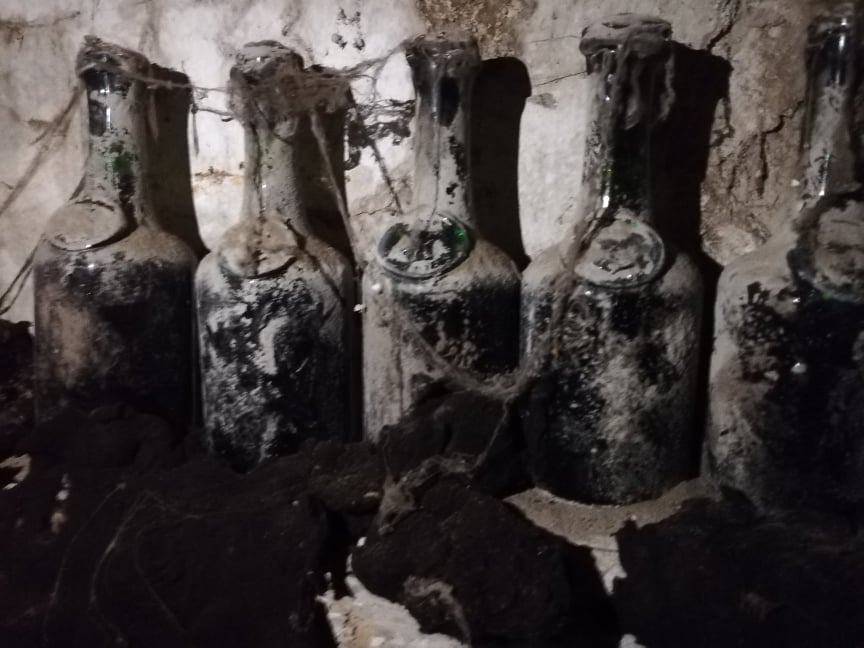
A calligraphed parchment with red wax seal, issued by the Verein Haus Wettin Albertinische Linie e.V. at Dresden on 27 April 1927, certifies that the Tokayer wines offered for sale per attached list come from the former Royal Saxon Hofkellerei, having reached the Saxon court partly under August the Strong and August III as kings of Poland, the remainder acquired later. That certificate was recovered from the walled-up Fukier hoard — which places Fukier among the buyers.
Four years later the wine list of the Weinrestaurant St. Petrus in the Böttcherstraße, Bremen, offers seventeen positions under the heading «Ungar-Weine — Aus der Kurfürstlichen Kellerei August’ des Starken, König von Polen»: fifteen old lots dated «vor 1763», 1746, 1748 and 1794 — bins Crebski, Kurrowski, Kiowski, Lingski, Oberstellmeister, Grabowski, Köhler, Ossolinski, St. Marcus, Türmer, Pottornycy — at 24–40 RM, plus an 1874 «Tokayer Crescenz» and an 1874 «Tokayer, Fünfbuttiger» at 60 RM.
Two observations
The bin names travel: «Ossolinski» stood in the Hubertusburg stock of 1749 and stands on a Bremen menu in 1931 — the same magnate bin across 182 years, and the 1931 list is in effect a late, priced fragment of the 79-sort Cabinet register. And the pricing inverts age: the eighteenth-century lots sold at 24–40 RM while the two 1874 wines commanded 60 RM, consistent with the 1802 censur «sehr gut, aber trocken» against an 1874 five-puttonyos still carrying its liqueur.
Synthesis
What the Saxon record does and does not support
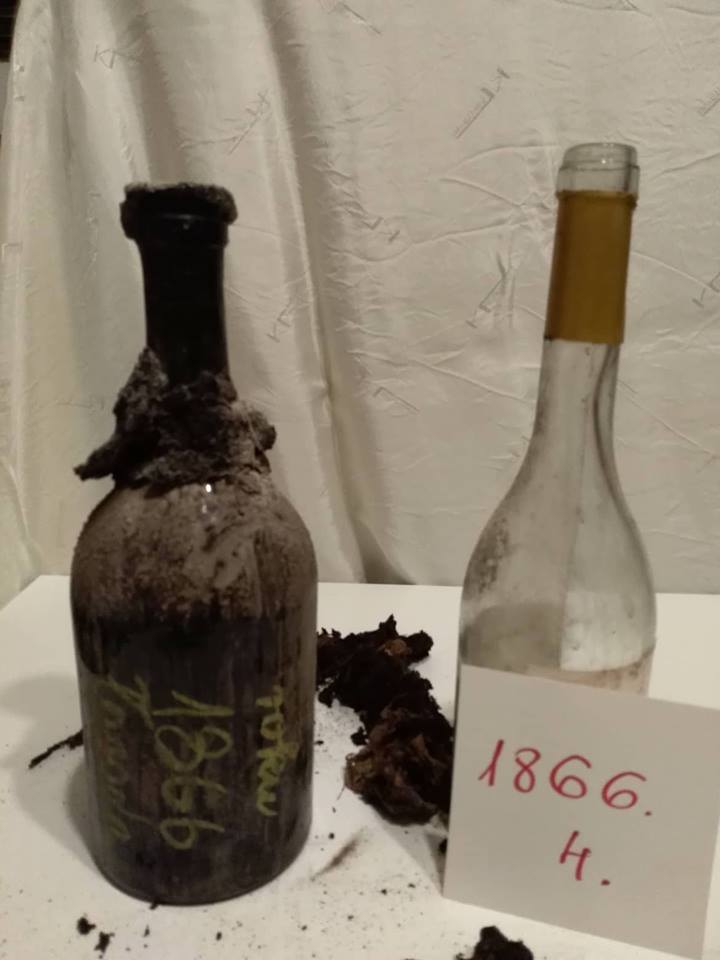
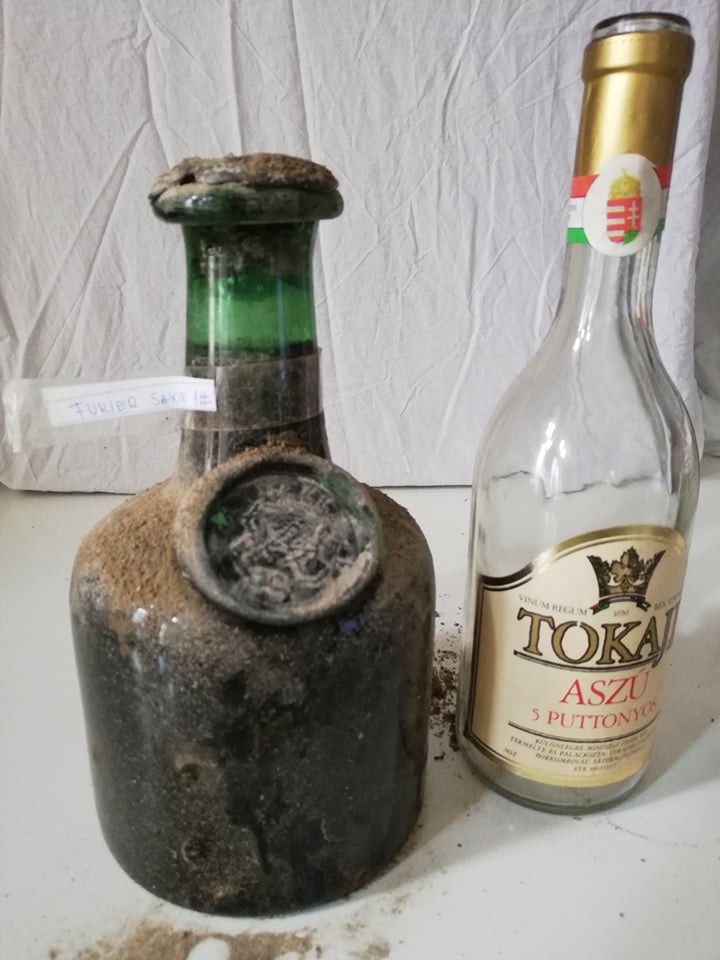
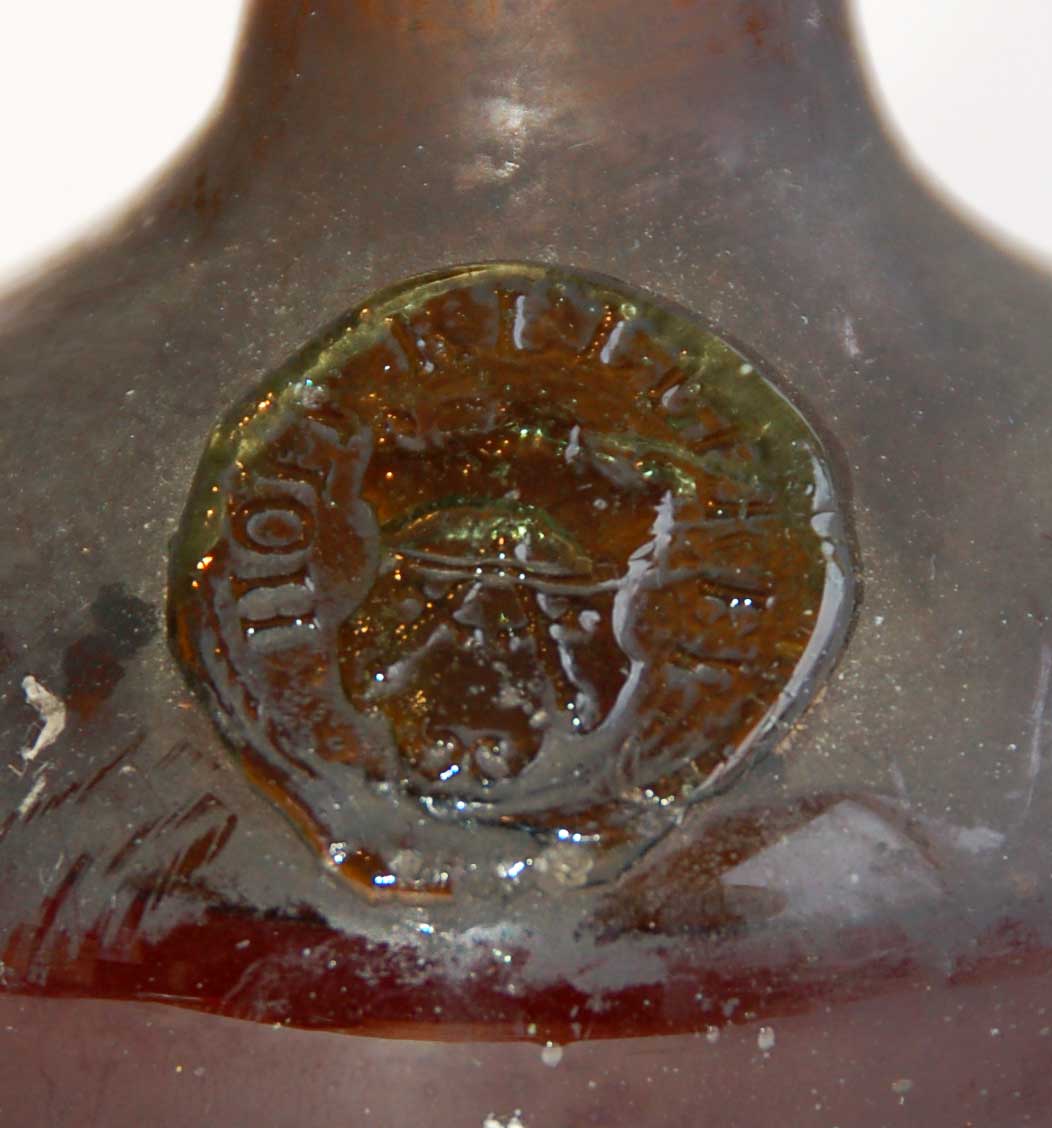
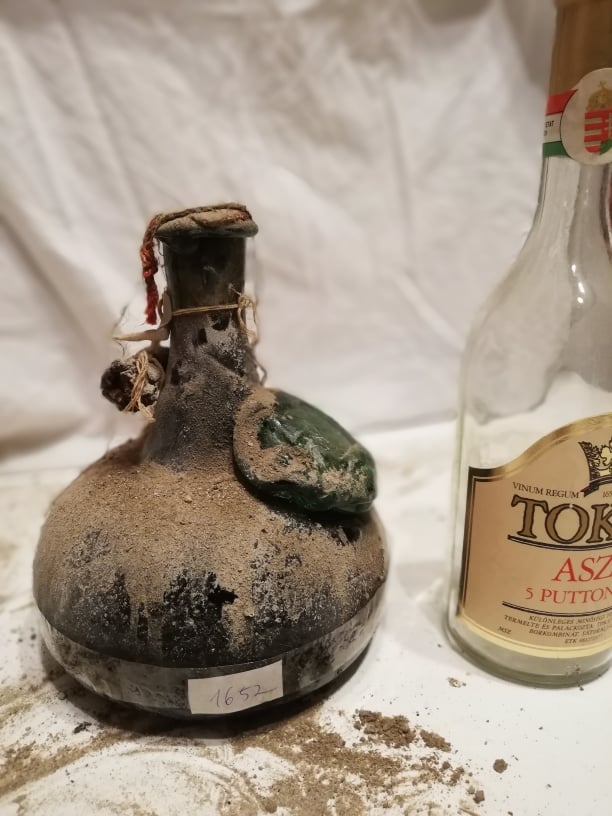
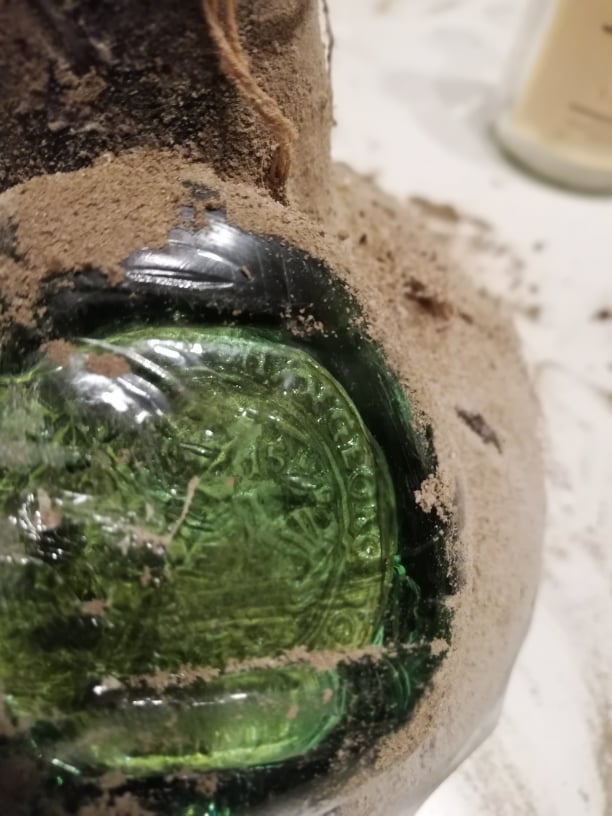
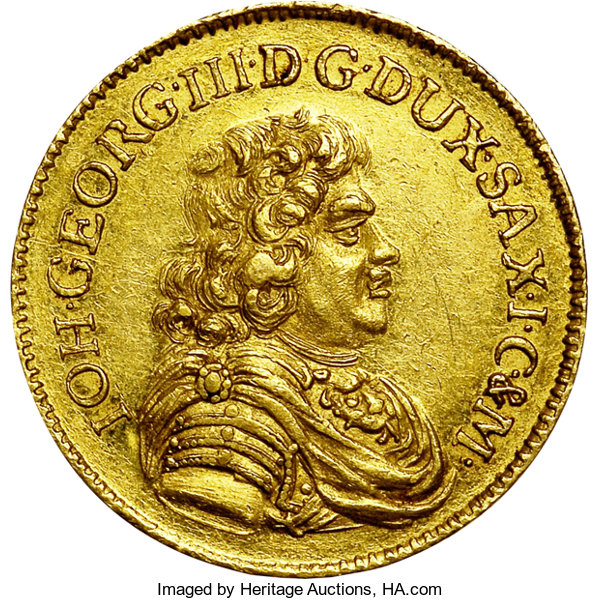
Bottles bearing Saxon royal seals and attributed to the 1650–1680 period — including the «Fukier 1652, Hofkeller Dresden» bottle with a Saxon coin under the glass — cannot be supported from the Hofkellerei records of that period, which show no Tokaji at all. Three hypotheses remain live.
Gift channel. Mid-seventeenth-century Hungarian wine did reach Dresden as imperial presents, and gift consignments would carry court seals while leaving no purchase trail — the most promising seventeenth-century route, to be tested in the Verehrungen registers of the Loc. 8680 series.
Princely sub-cellars. The transport registers show the Elector’s and the Electoral Prince’s wines as separate properties with separate books, so personal luxuries could lie outside the main accounts.
Later acquisition. Old Tokaji bought old in the eighteenth century and attributed to its vintage rather than its acquisition — consistent with the documented practice of buying «alten» wine, and with the 1743 «100-jähriger» itself. Until the first two yield a seventeenth-century entry, this is the working hypothesis for any Dresden-provenance bottle dated before 1700.
Positively, the record supports a great deal. For the eighteenth century it gives named suppliers, numbered casks, a stated Warsaw origin, dated bottlings, a signed cellar-master’s certificate, a documented half-Maß format, vintage-named Cabinet sorts, a condition assessment of 1802, a serving protocol, and — through 1927 and 1931 — a certified route into the trade. That is a stronger provenance apparatus than most historic wine can offer.
Three contested points, left contested
Whether there was Tokaji in Dresden in 1638: Müller’s printed inventory books «2 Eimer Tokayer» beside «100 Eimer Ungarischer Wein», where the Loc. 8692 units show no Tokaji anywhere in the seventeenth century — 1638 is a gap year among the units read, so this is a tension rather than a resolved contradiction. Whether the c. 1650/51 Mundtrunck entry is a Hungarian muscatel or a three-wine blend, where the archival text is the better witness and the quantities differ, 105½ against 75 Eimer. And the 6,735 bottles the site’s own manuscript gives for 1918, which the Staatskanzlei list as read appears to resist — though five of its eight Tokayer value cells are illegible.
Images wanted
This page is text only. The obvious candidates are the 1726 bottling certificates, the 1802 condition table, the guest book’s closing page of 4 May 1909, the Wettin parchment of 27 April 1927 and the Bremen list of 1931, together with any bottle carrying the crossed-swords seal and the «Hoffkellerie» inscription. Point me at the files and I will place them, captioned.
1851: a cellar master does the arithmetic
In September 1851 the court cellar master Christian August Schmidt reported to the Hofwirtschaftsamt on a revision of the royal stock in the Residenzschloss. He would vouch for the current wines, but not for the roughly 18,000 bottles of Tokaji he had taken over on entering office in 1838: of the 199 sorts in store, he noted, only eighteen were from his own century. His practical objection was the arithmetic. At the rate the court was drinking it, the stock would not be exhausted until 2031 — and the wine would hardly outlast the wait. The compromise recorded in the files is a tasting protocol: the cellar master sampled a few bottles of each lot and marked those fit for the table. Apart from some hundreds discarded as spoiled or turned into vinegar, the old Tokaji proved remarkably stable. Reported in Wolff, Dresdner Hefte 142 (2/2020), from the Hofkellerei files.
1927: sixty-two bottles under the hammer
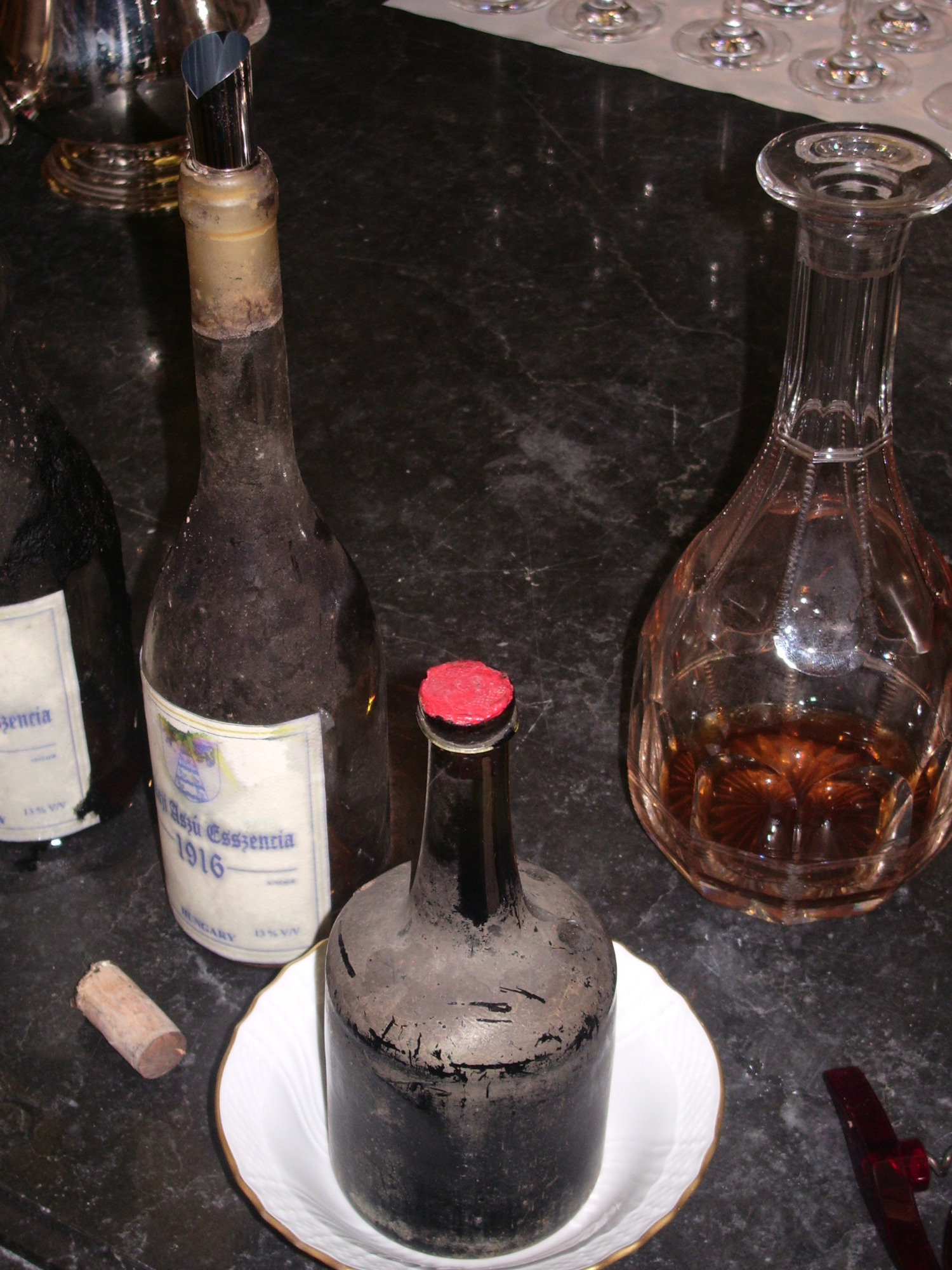
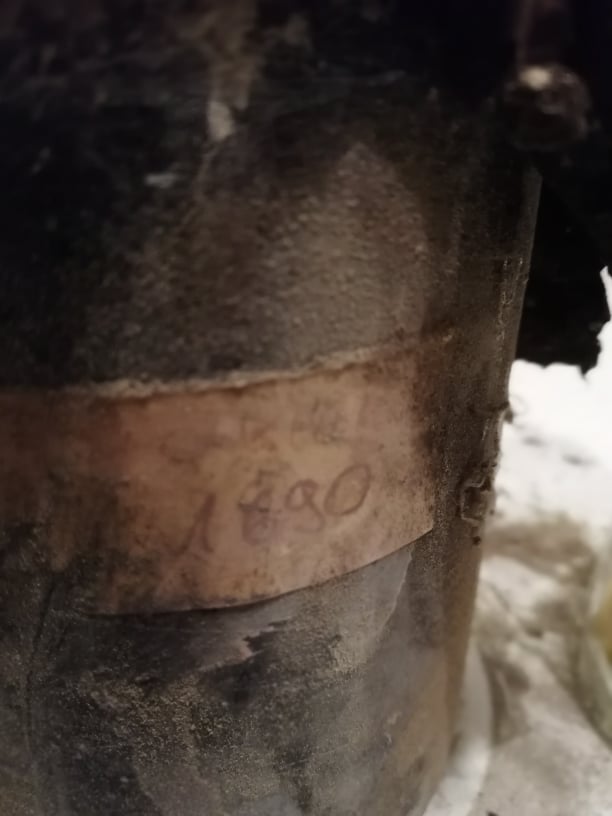
After the collapse of the monarchy, 62 bottles of the royal cellar were auctioned in Dresden in 1927. Some were bought by the Polish house of Fukier and passed into the Fukier cellar — plausibly, in part, a repurchase: a number of the Cabinet bottles had been presents from Polish magnates in the first place. A few Saxon Hofkeller bottles were auctioned later still, among them the oldest bottle of wine ever sold at auction. Two Hofkeller bottles of the mid-eighteenth century were opened at a London tasting in 2006 and another in Helsinki in 2011; a Hofkeller Tokaji of vintage 1690 is among the wines with recorded notes.
Today some 40 Saxon Hofkeller bottles are known across private collections. All of them are Tokaji. Several can be tied to the Fukier collection.
The dispersal, and what came back. The 1927 Dresden auction document; the Len Evans bottle of 1646; and Hofkeller bottles opened at the London and Helsinki tastings.
Reading the glass
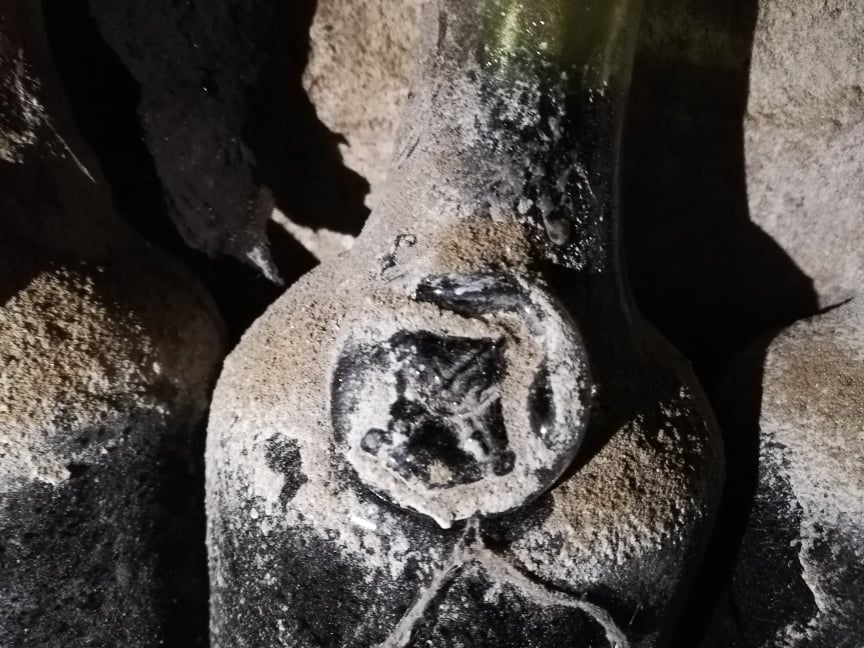
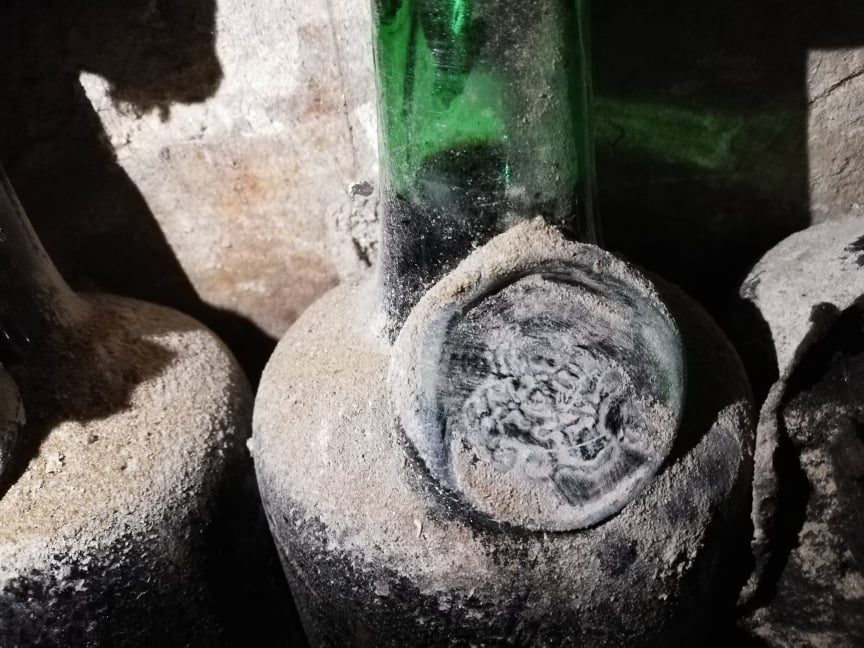
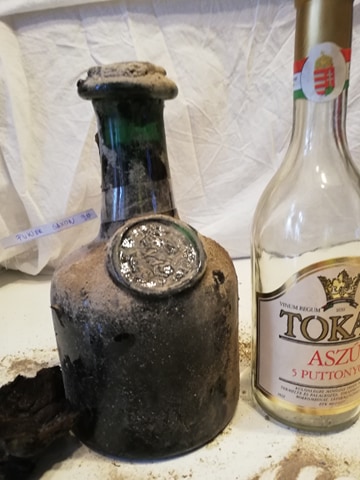
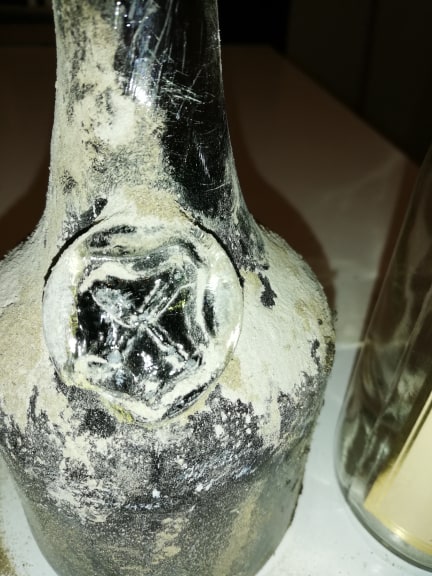
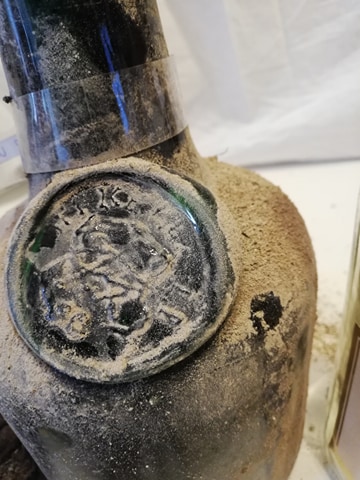
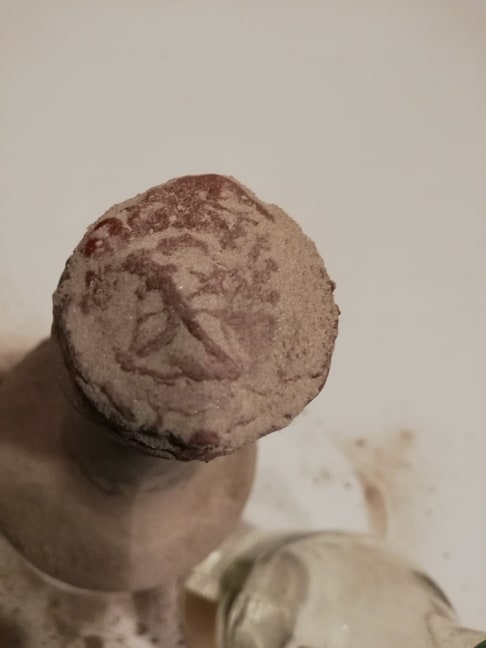
Saxon Hofkeller glass seals normally carry the word «Hofkeller» together with the crossed swords of the Electorate of Saxony — the mark familiar from Meissen porcelain. Bottles marked «k.u.k. Hofkeller» are a different cellar altogether: Vienna. It is the single most useful distinction in the field, and the most often confused.
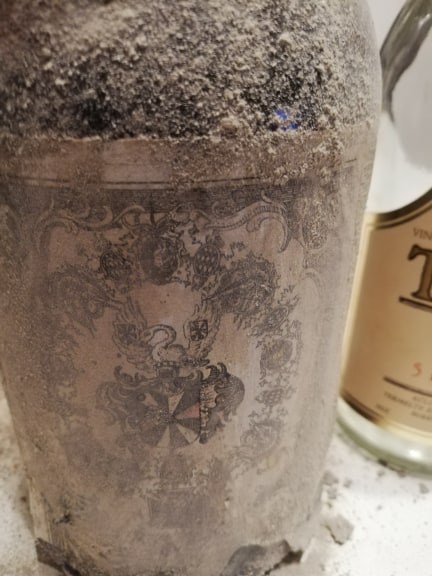
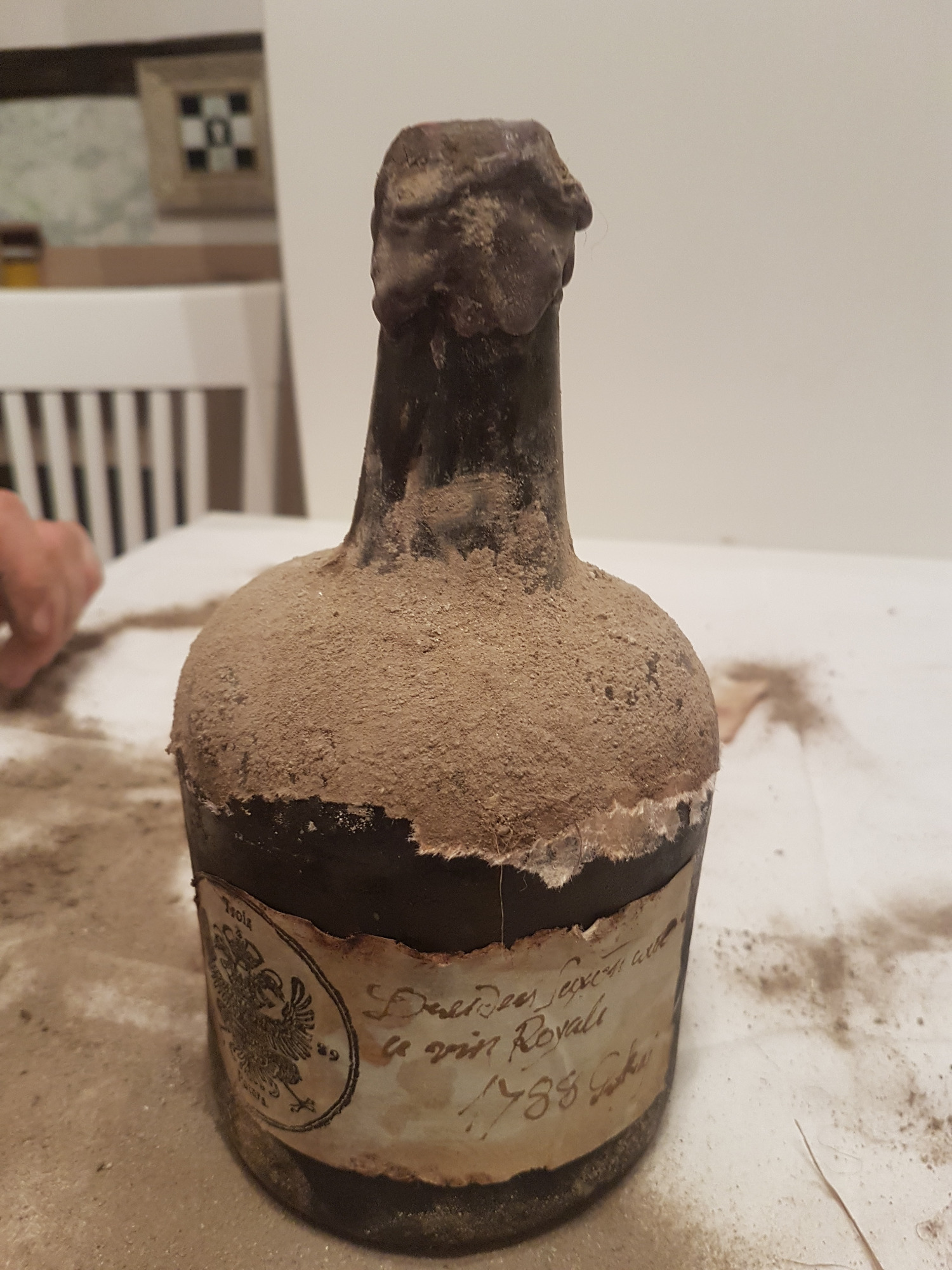
Hofkeller bottles and their marks. Crossed swords and the word Hofkeller, in the variants that survive.
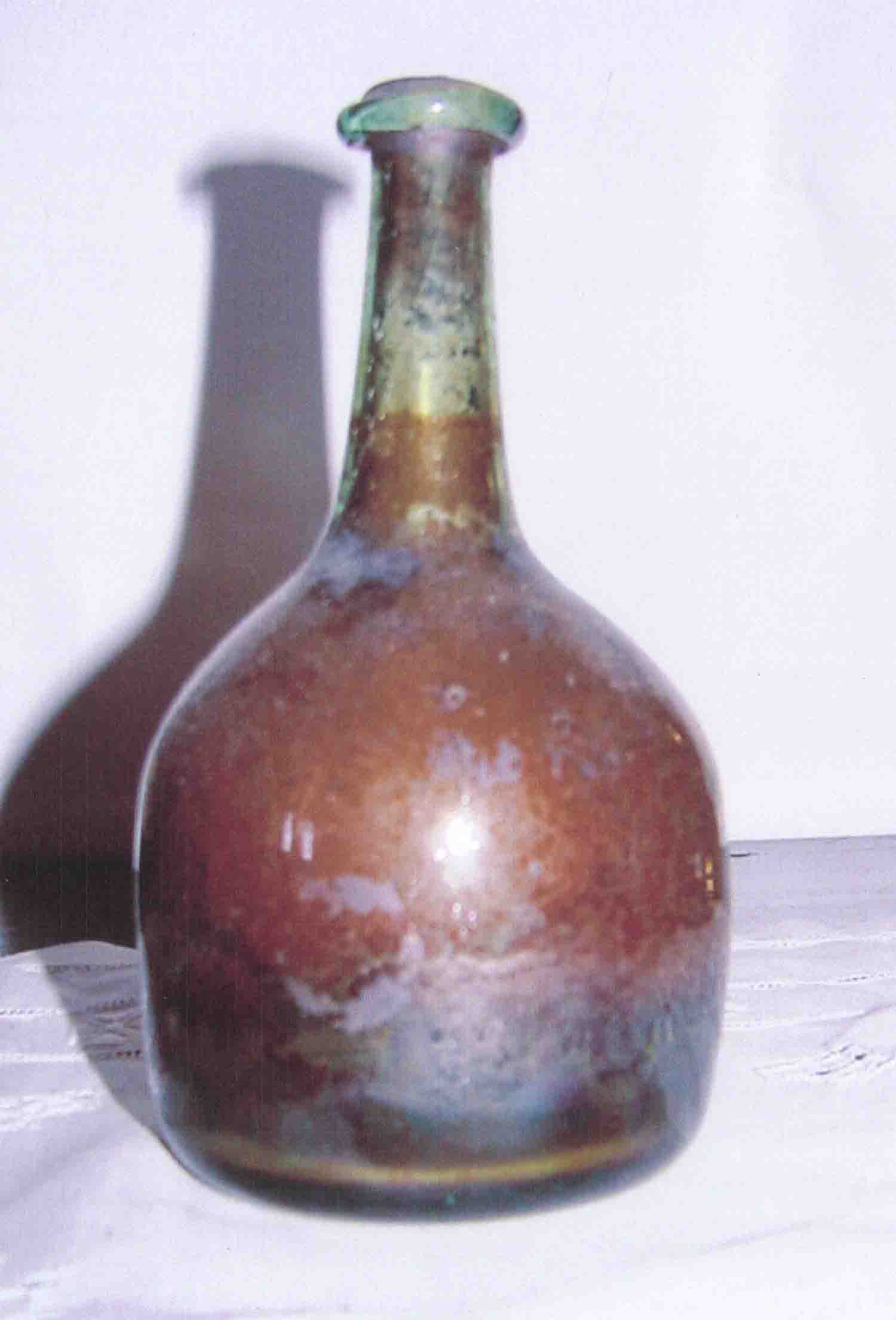
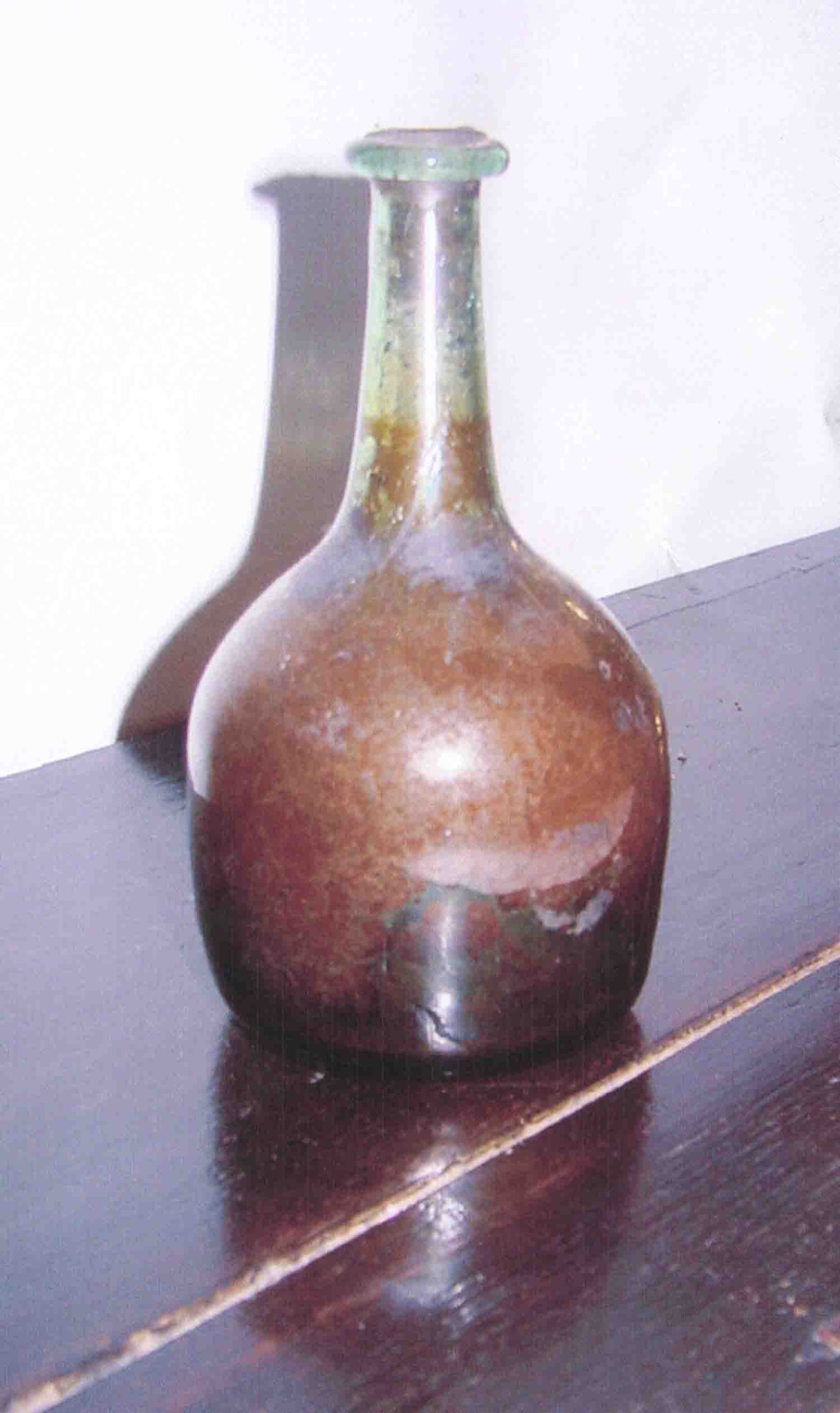
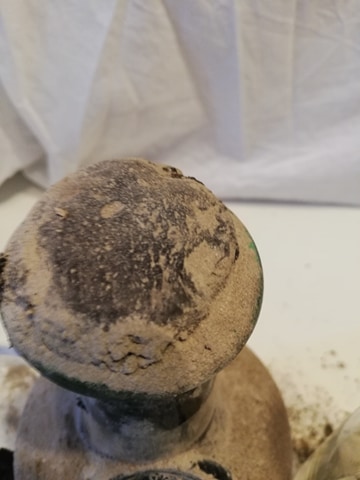
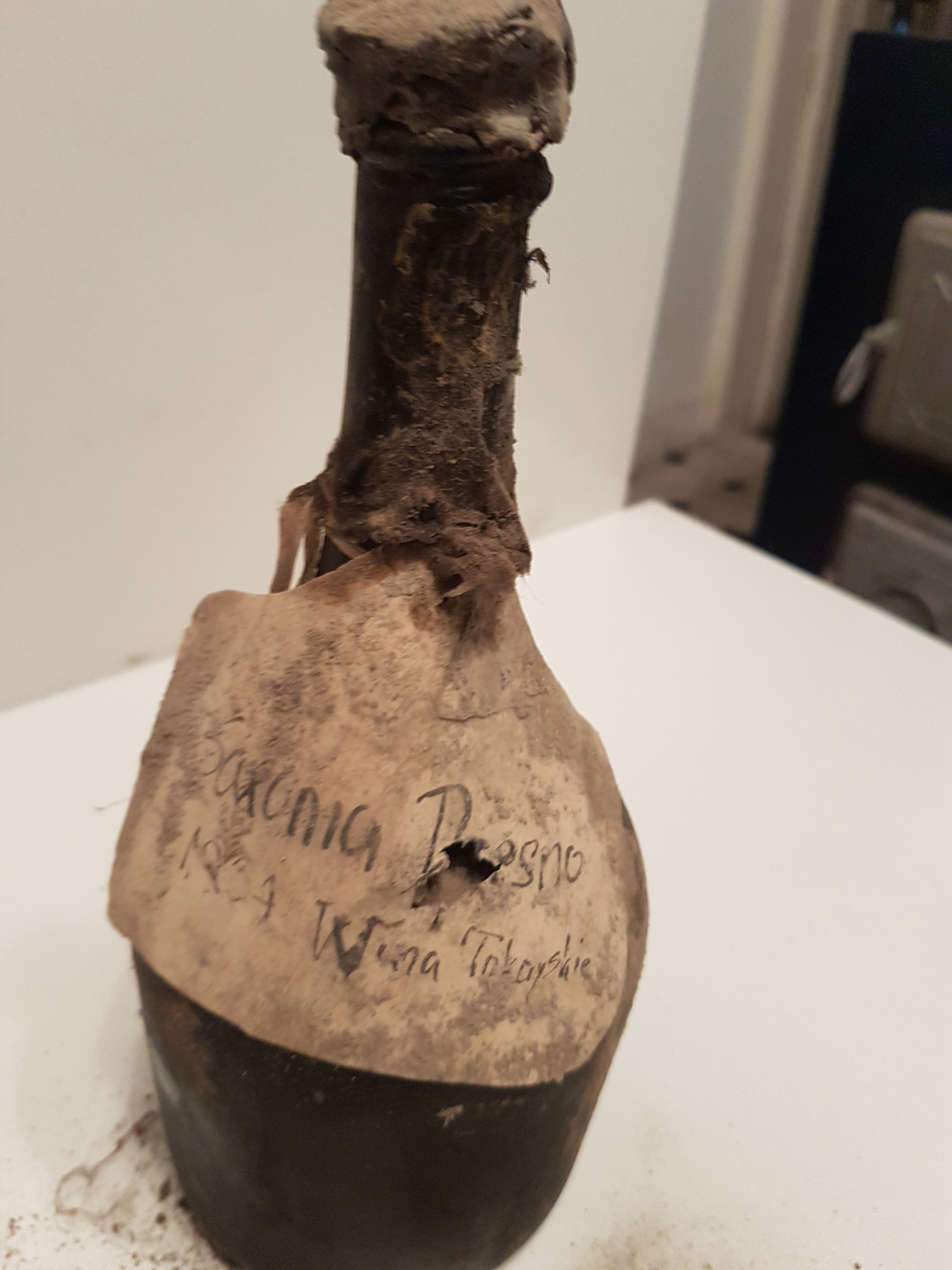
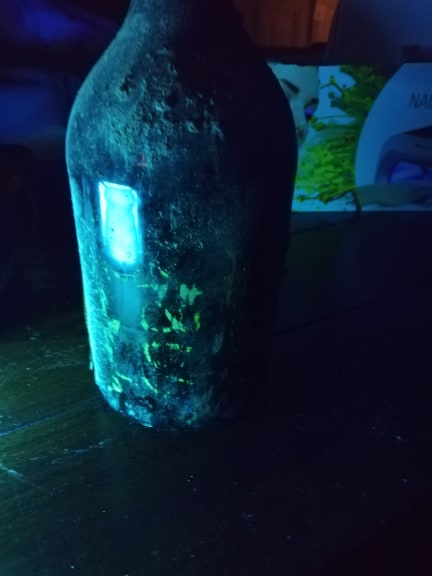
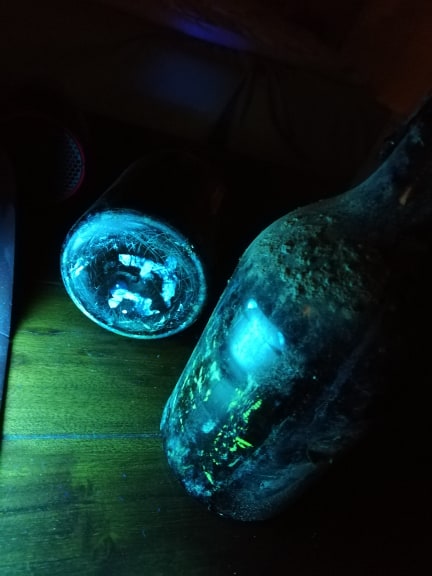
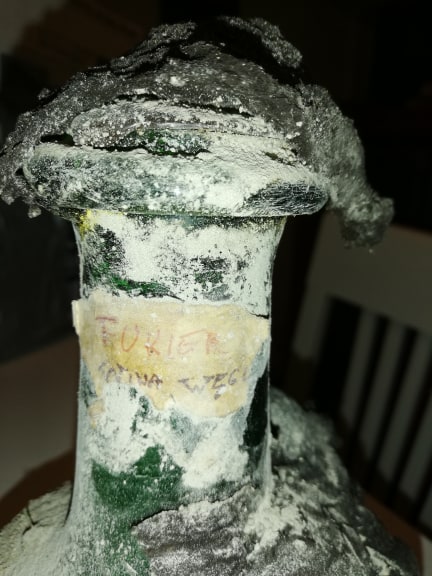
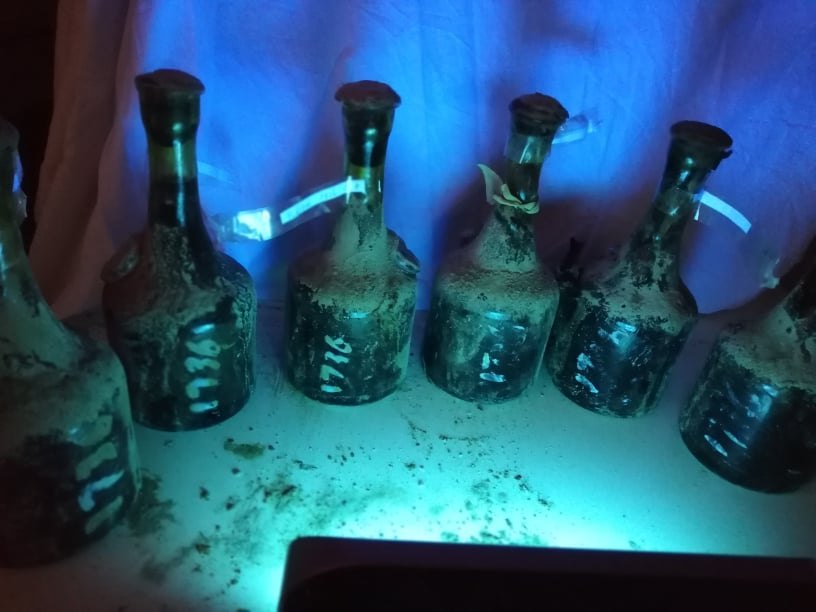
Saxon Hofkeller bottles with Fukier cellar examination. The first bottle has a Saxon coin sunk completely into the glass, presumably to fix origin or ownership; glass specialists describe this as very difficult to achieve. Last image: the same class of bottle under UV light, where the painted vintages — 1744, 1776 and others — come up clearly.
Dresden today
None of this is visible in the Saxon capital. The royal wine cellar is not open to the public, and not one bottle of Tokaji — or of anything else from the historic cellar — is on display. The Café Cosel beside the Frauenkirche, on that very site, serves Canadian ice wine.
If anyone responsible for Saxony’s cultural heritage is reading: there are collectors of Hofkeller Tokaji who would place bottles on temporary, or even permanent, loan for exhibition in Saxony.
Apparatus
Sources
Two modern studies underlie much of the narrative above and are worth reading in full: Martin Kornek on Tokaji at the Saxon court (Zempléni Múzsa 2024/2) and Johannes Wolff, «Genussmittel und Mittel der Politik. Tokajerkonsum am spätbarocken Dresdner Hof», Dresdner Hefte 142 (2/2020). The older printed account is Friedrich August Ö-Byrn, Die Hof-Silberkammer und die Hof-Kellerei zu Dresden (Dresden 1880), digitised by SLUB Dresden under Hist.Sax.G.582.m.
Dresden. Sächsisches Hauptstaatsarchiv Dresden, 10024 Geheimer Rat, Teil 5: Loc. 8692/2, /5, /7, /15 — including the bottling certificates of December 1726 — and Loc. 8680/7, the register of presented drink, 1612/13.
SLUB Dresden, Mscr.Dresd.App.306: Chur-Fürstliches Sächsisches Hof-Kellerey-Buch, 1768–1909, the guest book.
SächsStA-D, 10006 Oberhofmarschallamt, series I and T 01/T 03 — the Hubertusburg travel and camp files, 1736–1755; T 11 Nr. 15 and 10026 Geheimes Kabinett Loc. 00906/09 for the 1698 and 1739 stock figures.
SächsStA-D, Sächsische Staatskanzlei Nr. 493: cellar lists of the former Royal Saxon Hofkellerei, Stand 1 November 1918, signed Edmund Till, Kellermeister, 23 November 1918.
F. A. von O’Byrn, Die Hof-Silberkammer und die Hof-Kellerei zu Dresden, Dresden 1880; K. A. Müller, Forschungen auf dem Gebiete der neueren Geschichte, Dresden 1838, pp. 120–122; K. von Weber on Countess Cosel, Archiv für die sächsische Geschichte 9 (1871), p. 5; J. Gaitzsch, Gräfin Cosel, Qucosa/SLUB 2024, and personal communication, 2026.
J. Wolff, “Genussmittel und Mittel der Politik. Tokajerkonsum am spätbarocken Dresdner Hof”, Dresdner Hefte 142 (2020); J. Wolff and M. Kornek, Die Hofkellerei in Schloss Hubertusburg, with transcriptions by M. Schuster and S. Kosbab; M. Kornek in Zempléni Múzsa 2024/2.
Verein Haus Wettin Albertinische Linie e.V., provenance certificate for Tokayer wines from the former Royal Saxon Hofkellerei, Dresden, 27 April 1927 — parchment with wax seal, recovered from the walled-up Fukier hoard.
Weinkarte des Weinrestaurants St. Petrus (Flett), Böttcherstraße, Bremen, 1931, section «Ungar-Weine», nos. 283–299.
Frank Strzyzewski · very-old-tokaji.com
Compiled August 2026 from the working dossier on the Dresden cellar. Transcriptions preserve the original orthography; readings marked uncertain in the dossier are reported as uncertain here. If you hold a bottle, a certificate or a cellar list from the Saxon court, I would like to hear from you.