
Fukier, Vienna, Dresden and the Hungarian state cellar are documented elsewhere on this site. This page collects the other great cellars in which very old Tokaji is recorded — and, in one case, in which its dispersal can be followed. The articles below are being written as the sources are read; only the French cellar is drafted so far.
Cellars
Russia, France, England, EsterházyOther cellars
The other cellars in which very old Tokaji is recorded.
In preparation
Cellar of the Russian Tsars
The Russian imperial court was among the most consistent buyers of Tokaji in Europe, and the cellars of St Petersburg, Tsarskoye Selo and Livadia were stocked accordingly.
Placeholder
This article will cover the court purchase records, the vintages named in them, the fate of the cellars after 1917, and the bottles that have since passed through the salerooms.
Drafted
Royal French Cellar
The Tokaji of the French court is documented before the Revolution. What happened to it afterwards is not, and this article keeps the two apart.
The royal cellars held Tokaji in quantity — in 1782 some 1,800 bottles of Tokaji — and what became of that stock in the Revolution is not known. What is on record is that a few bottles turned up with local merchants: according to Auguste Laugel’s account of 1888, Gouverneur Morris — United States minister to France and a signer of the American constitution — bought imperial Tokaji sealed with the Austrian double eagle, a gift from Maria Theresa to Marie Antoinette, from a Paris grocer during the Terror, at 25 sous the bottle. The last of those bottles was opened in New York in 1848, at a wedding dinner. That is one grocer, one buyer and a handful of bottles: an anecdote, not a route.
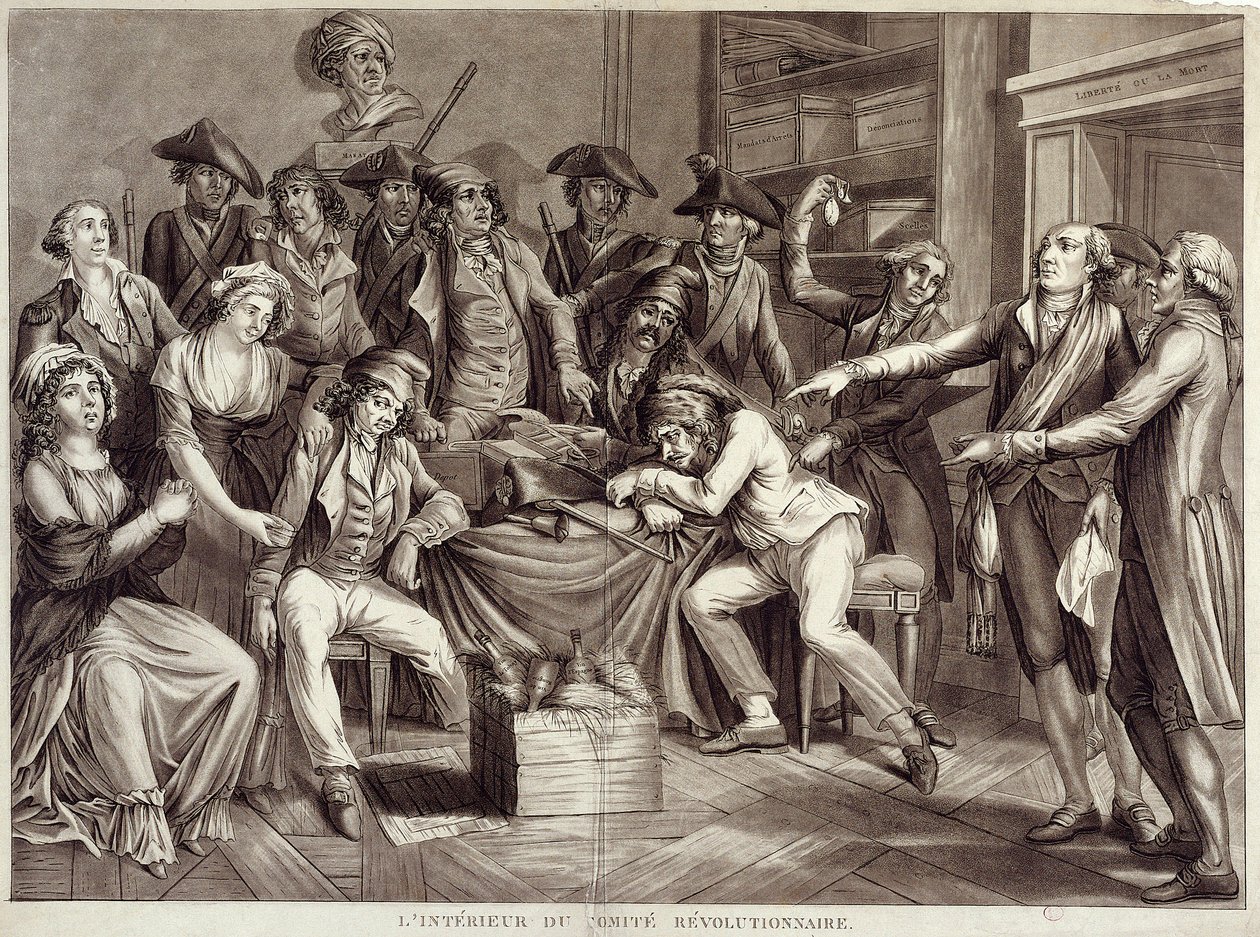
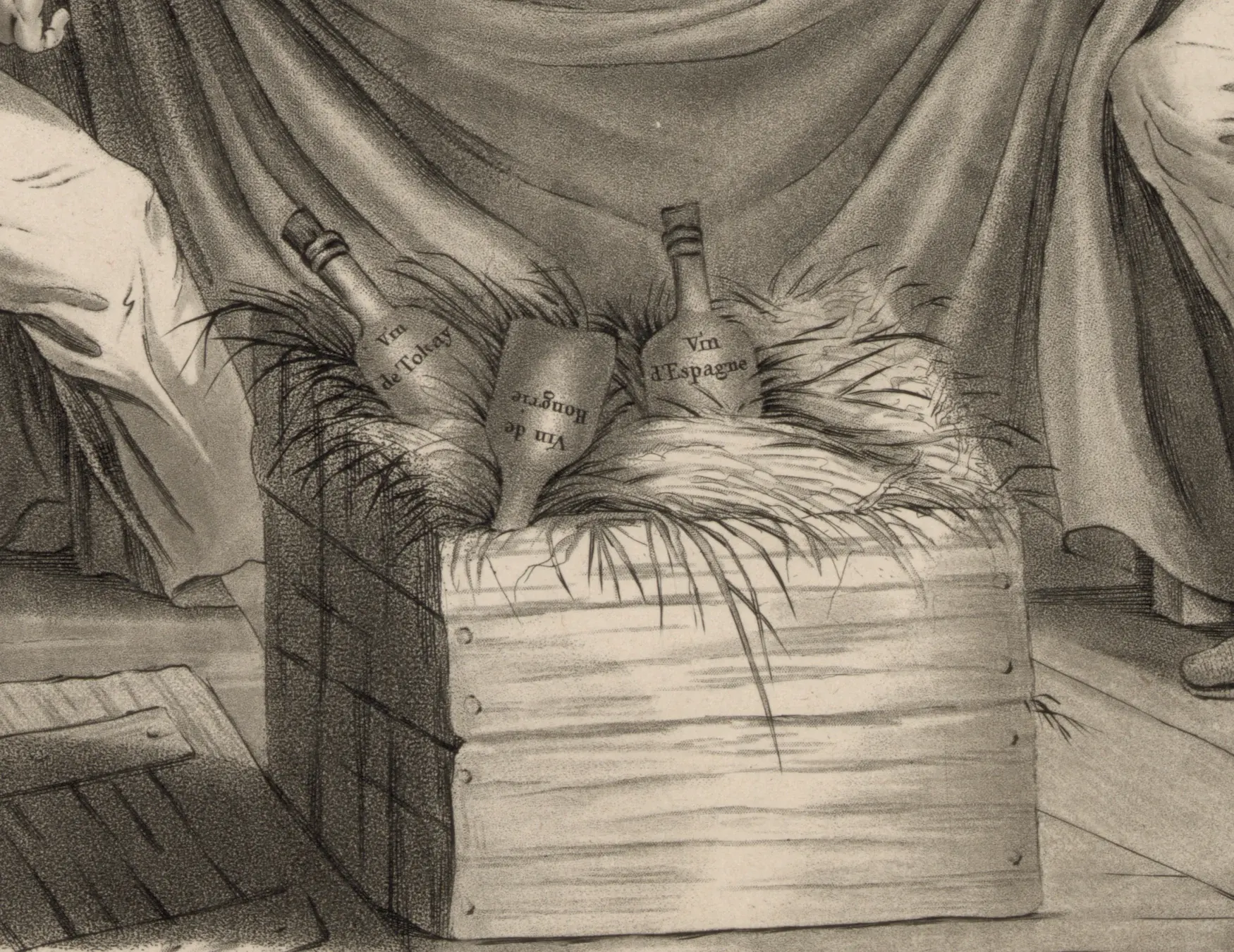
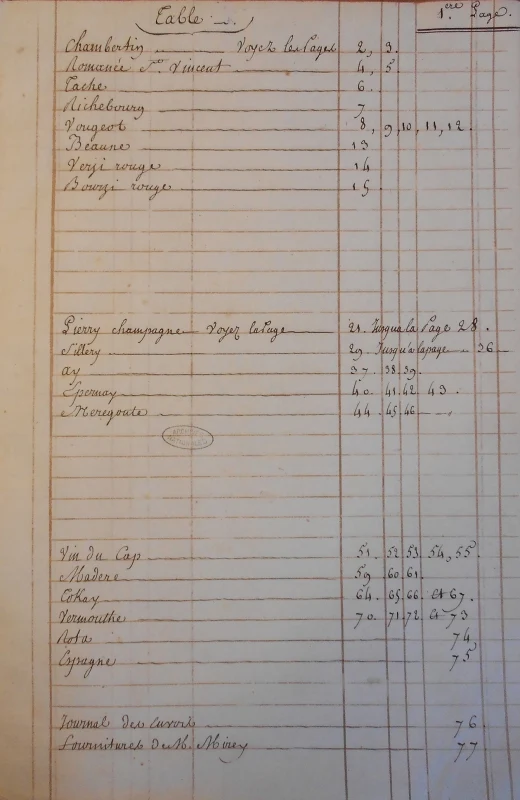
The biens nationaux route often repeated for these bottles is not asserted here: no document has yet been found that places wine from the royal cellars in a national-property sale.
In preparation
Royal English Cellar
Tokaji appears in the English royal accounts and in the cellar books of the great houses, usually under the name Tokay and usually as a medicine or a curiosity rather than a table wine.
Placeholder
This article will cover the royal cellar accounts, the London wine trade in Hungarian wine, and what became of the older stock.
In preparation
Esterházy Cellar
The Esterházy family held both vineyards and cellars, and Esterházy Tokaji is one of the few private Hungarian collections whose bottles carry their own identifiable markings.
Placeholder
This article will cover the estate cellars, the surviving documents, the marking systems, and the bottles now in private hands.