What can be established about a bottle, how it is established, and where the evidence runs out.
The approach
How the bottles are researched
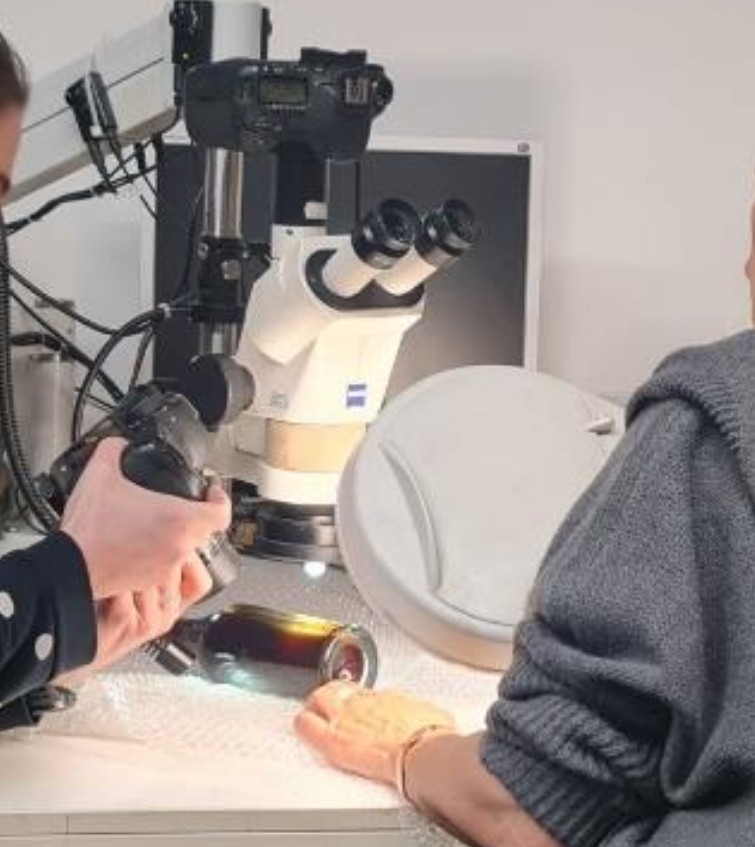
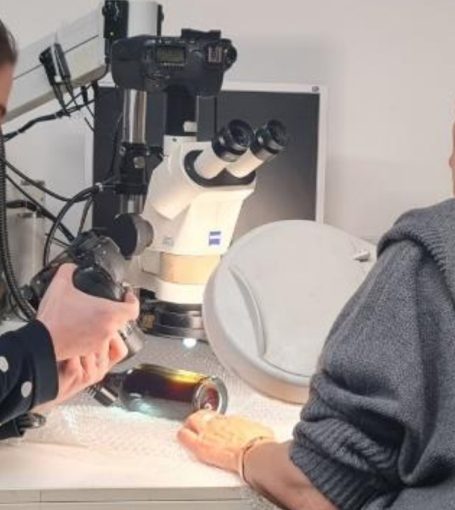
Research into old Tokaji bottles serves two purposes: to authenticate them, and to understand where they came from and how they travelled. Each bottle is a piece of history in its own right, a time capsule that often holds surprises. A range of scientific methods is used, not only to verify and interpret the bottles themselves but to add to what is known about the cultural history of the Tokaji UNESCO World Heritage which those bottles are an integral part of.
The work spans several fields, and I am grateful to the specialists who have helped, as well as to a small number of co-researchers dedicated to very old Tokaji. This page sets out the most important methods, though not all of them: for obvious reasons — detecting fraud, and deterring attempts at it — most analytical detail cannot be published.
Can I prove that every bottle on this site is authentic? No. What I can say is that only bottles meeting a level of evidence I consider sufficiently plausible are shown here. My estimate, based on more than twenty years of work, is that the error rate is below fifteen per cent, and I expect most of these bottles to stand as research methods improve. Bottles with insufficient evidence, or with contradictory or unclear results, are not featured at all. As the research progresses I will add, correct and, where necessary, remove individual details or entire bottles.
01
Archive research
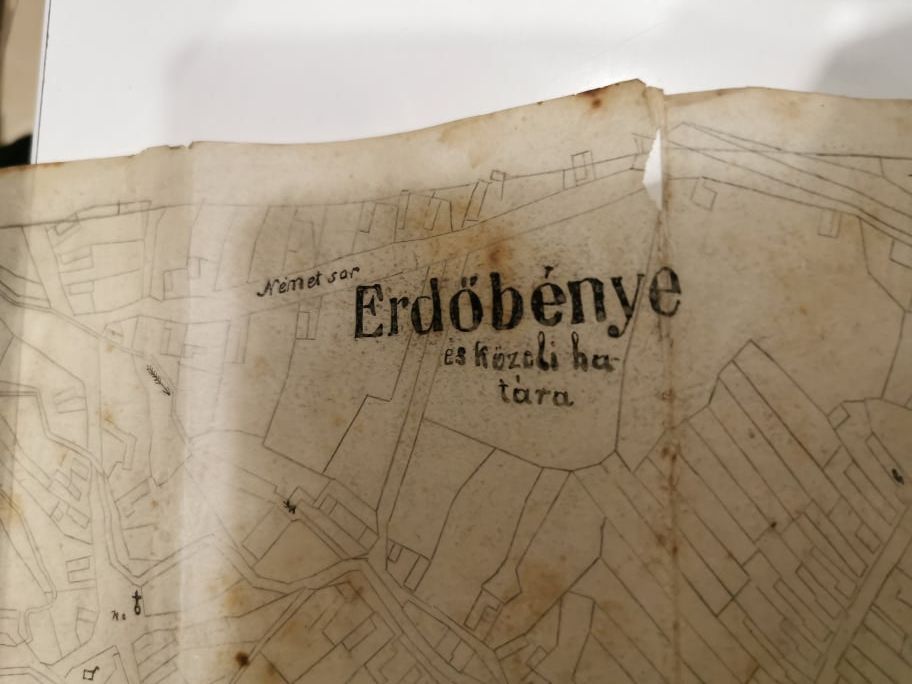
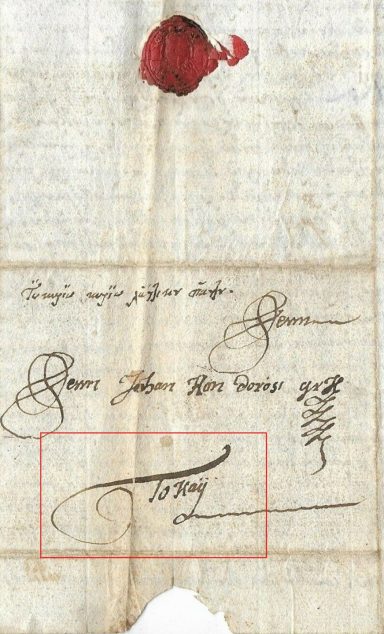
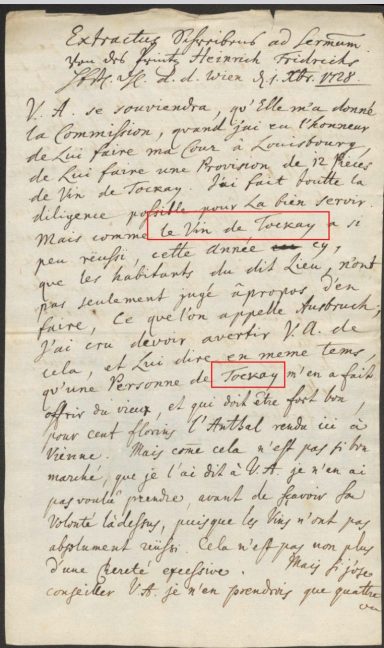
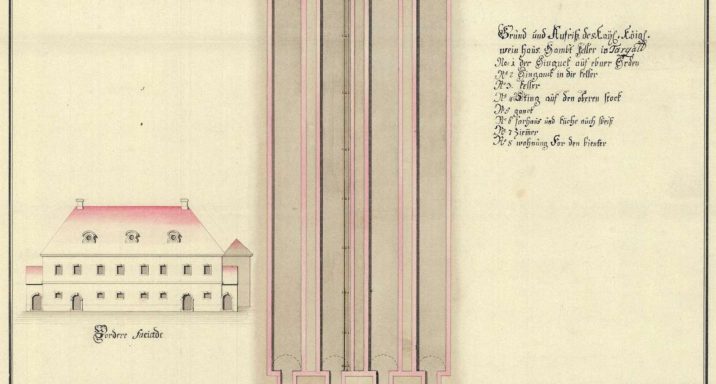
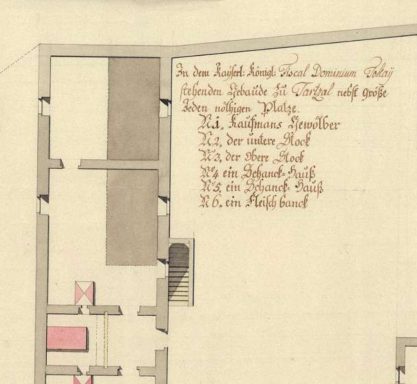
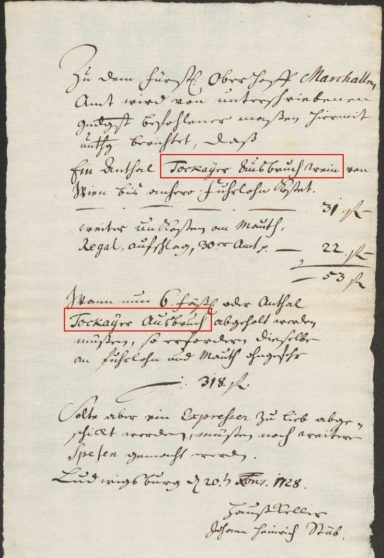
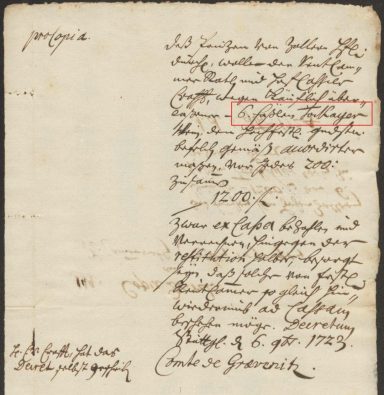
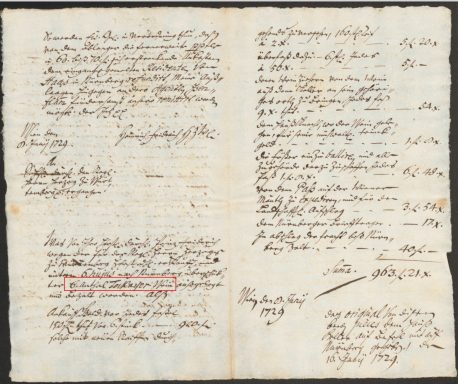
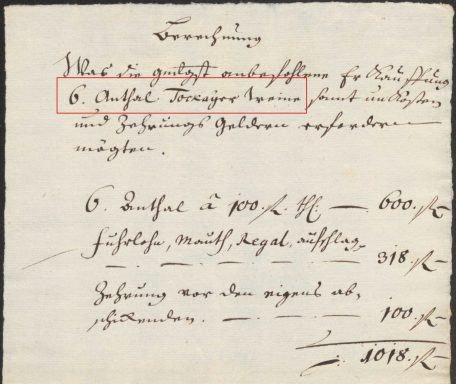
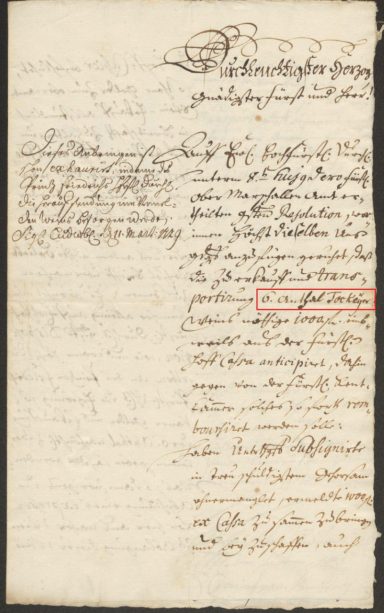
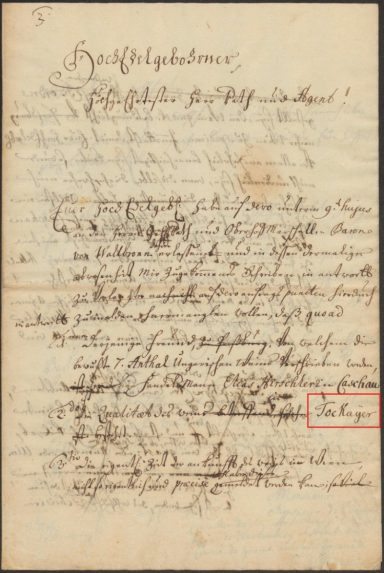
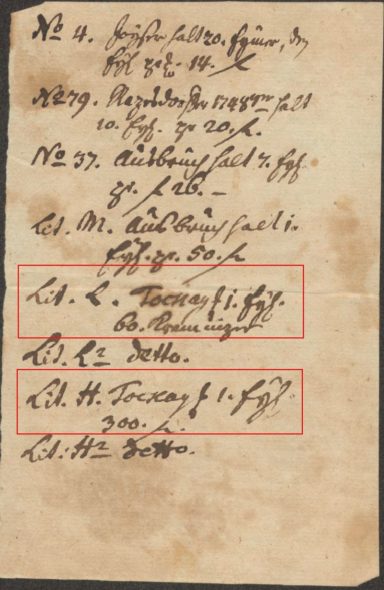
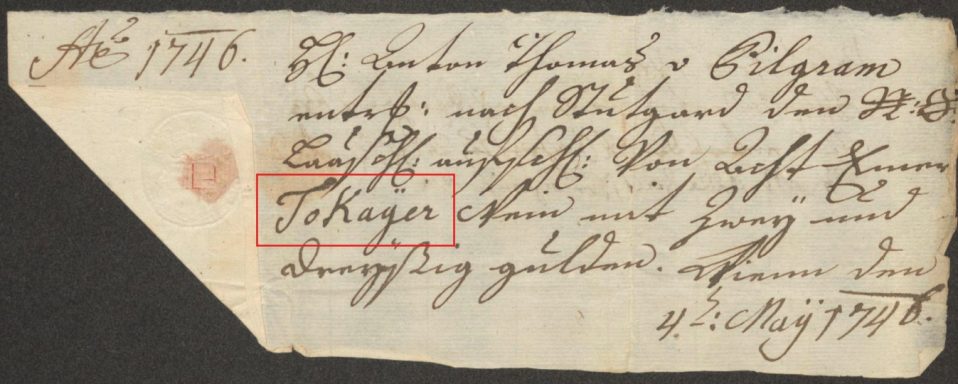
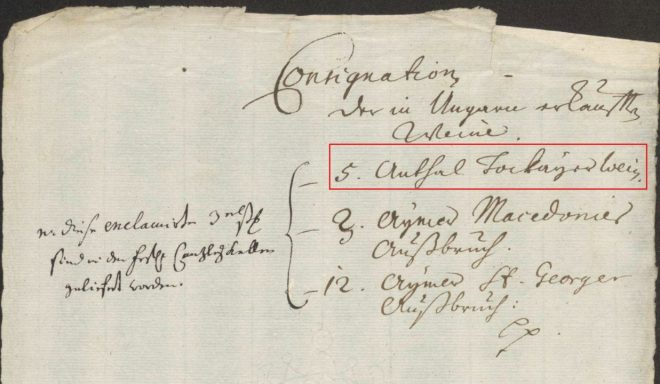
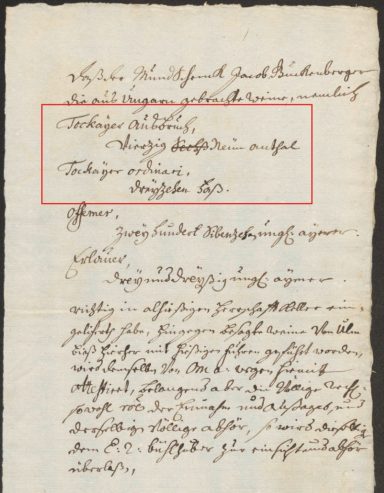
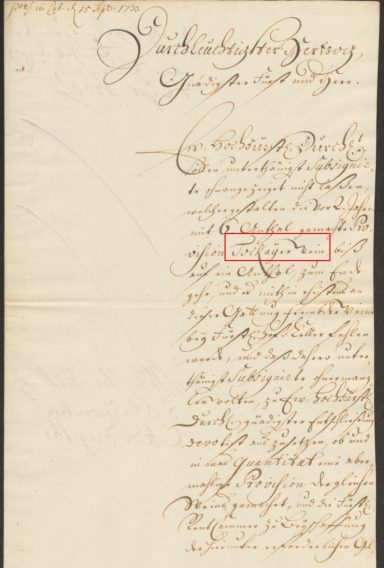
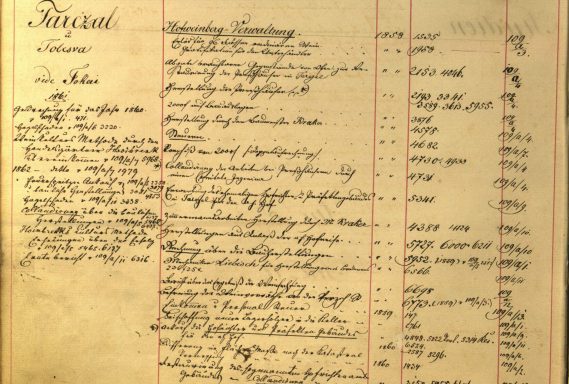
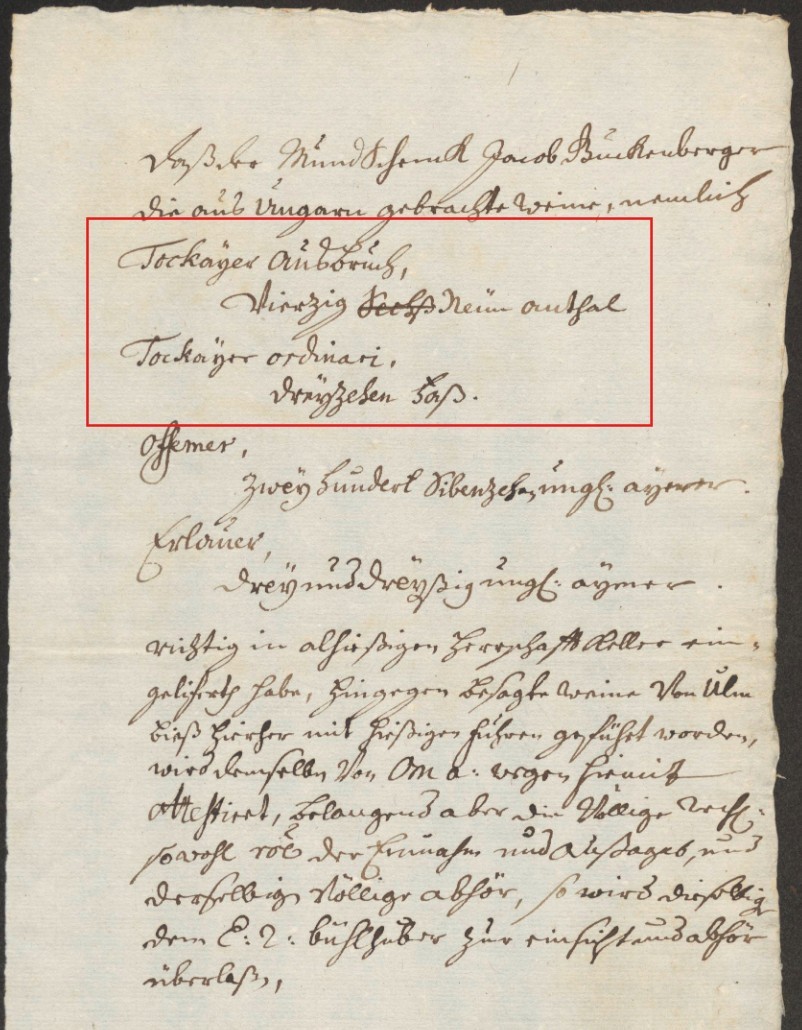
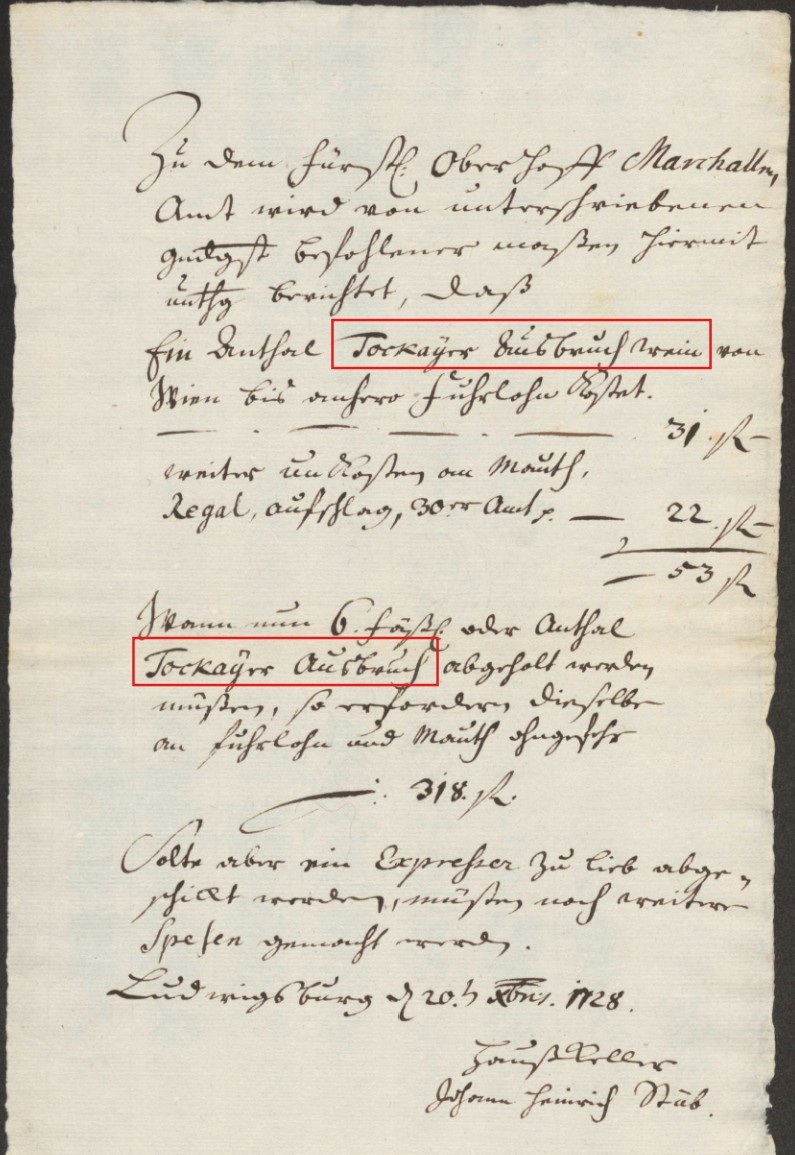
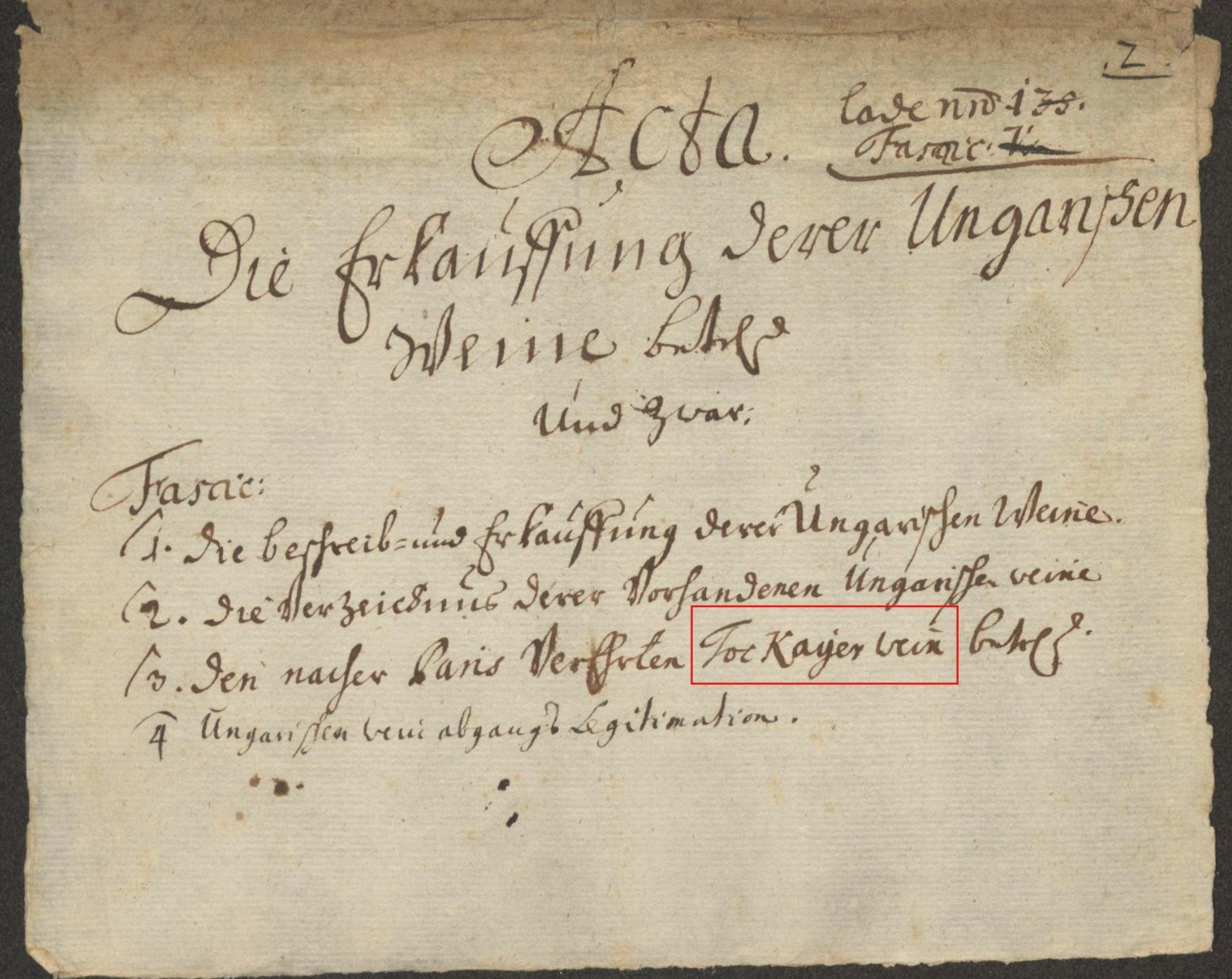
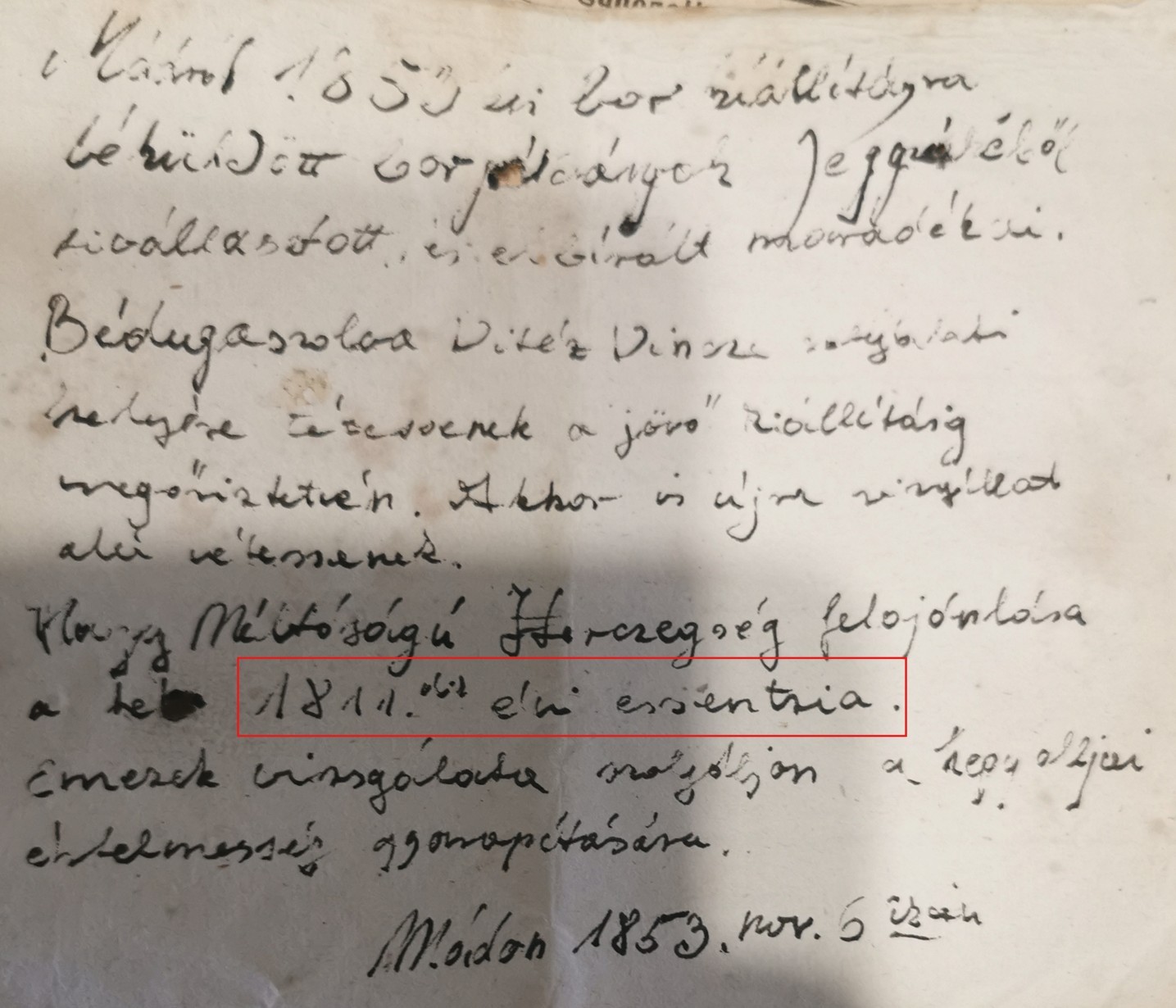
A considerable part of the work takes place in public and private archives, looking for records of:
Where a bottle comes with documents, those documents are examined in two dimensions:
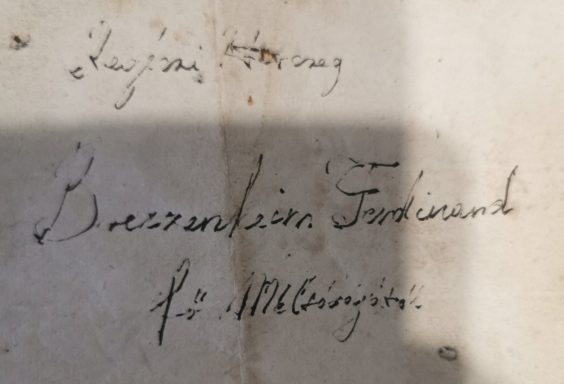
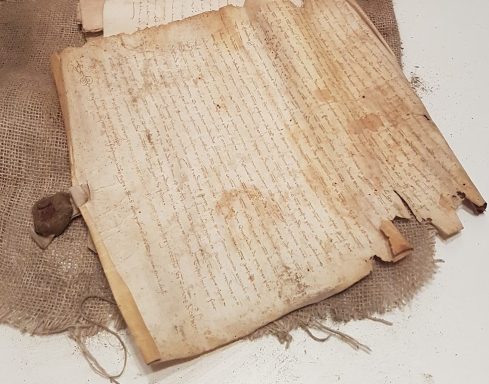
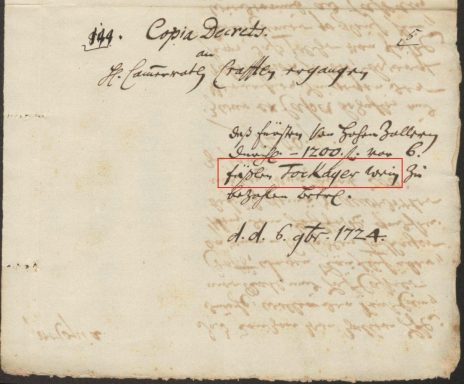
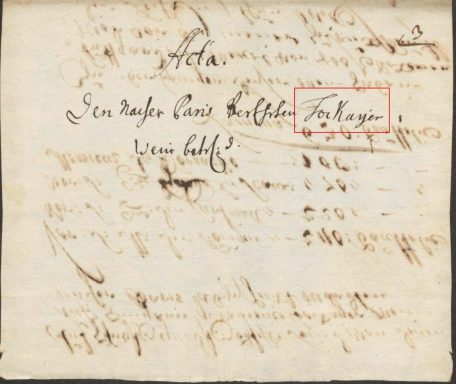
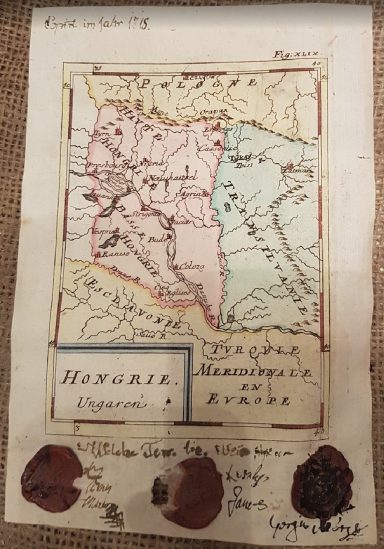
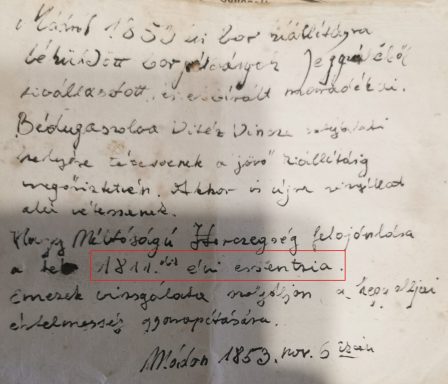
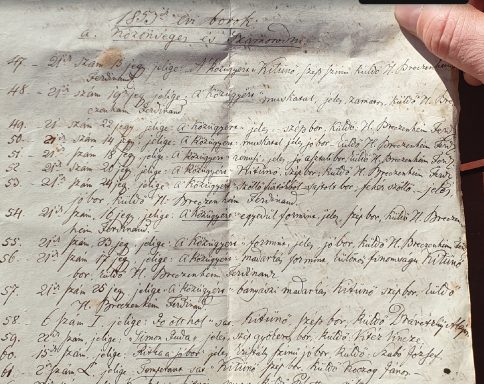
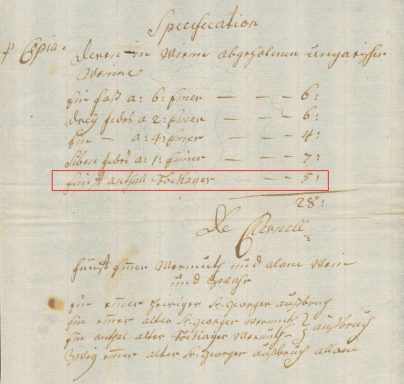
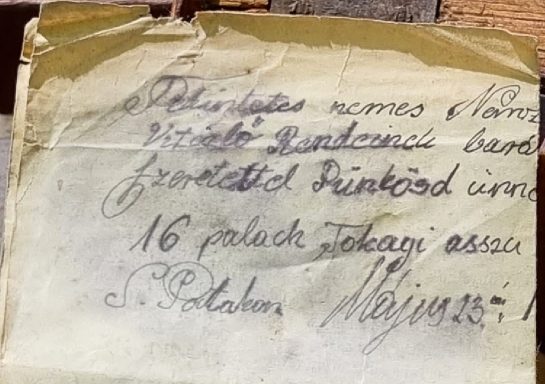
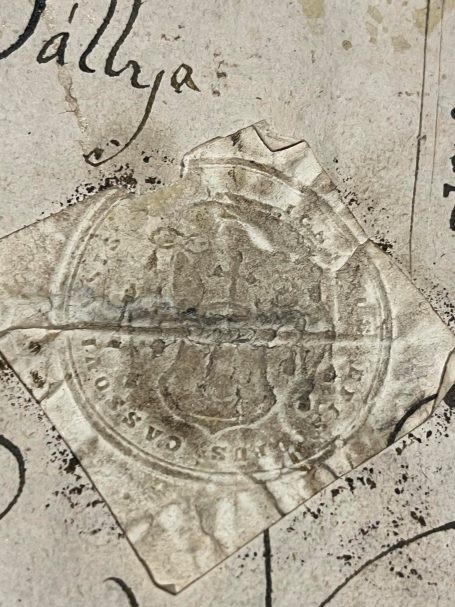
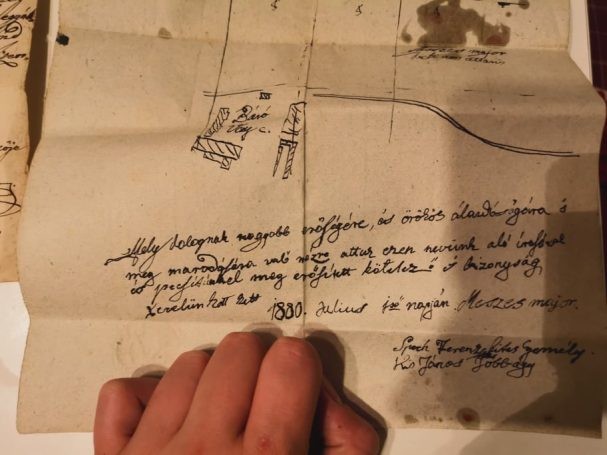
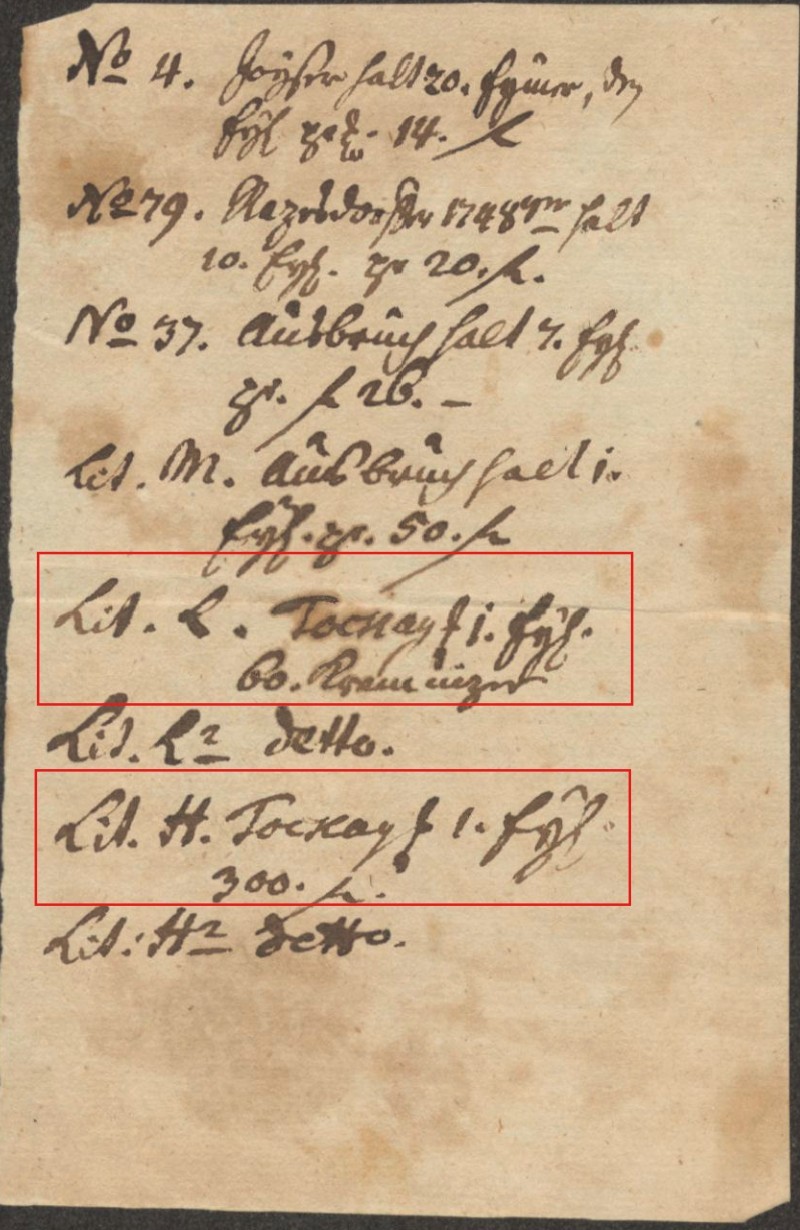
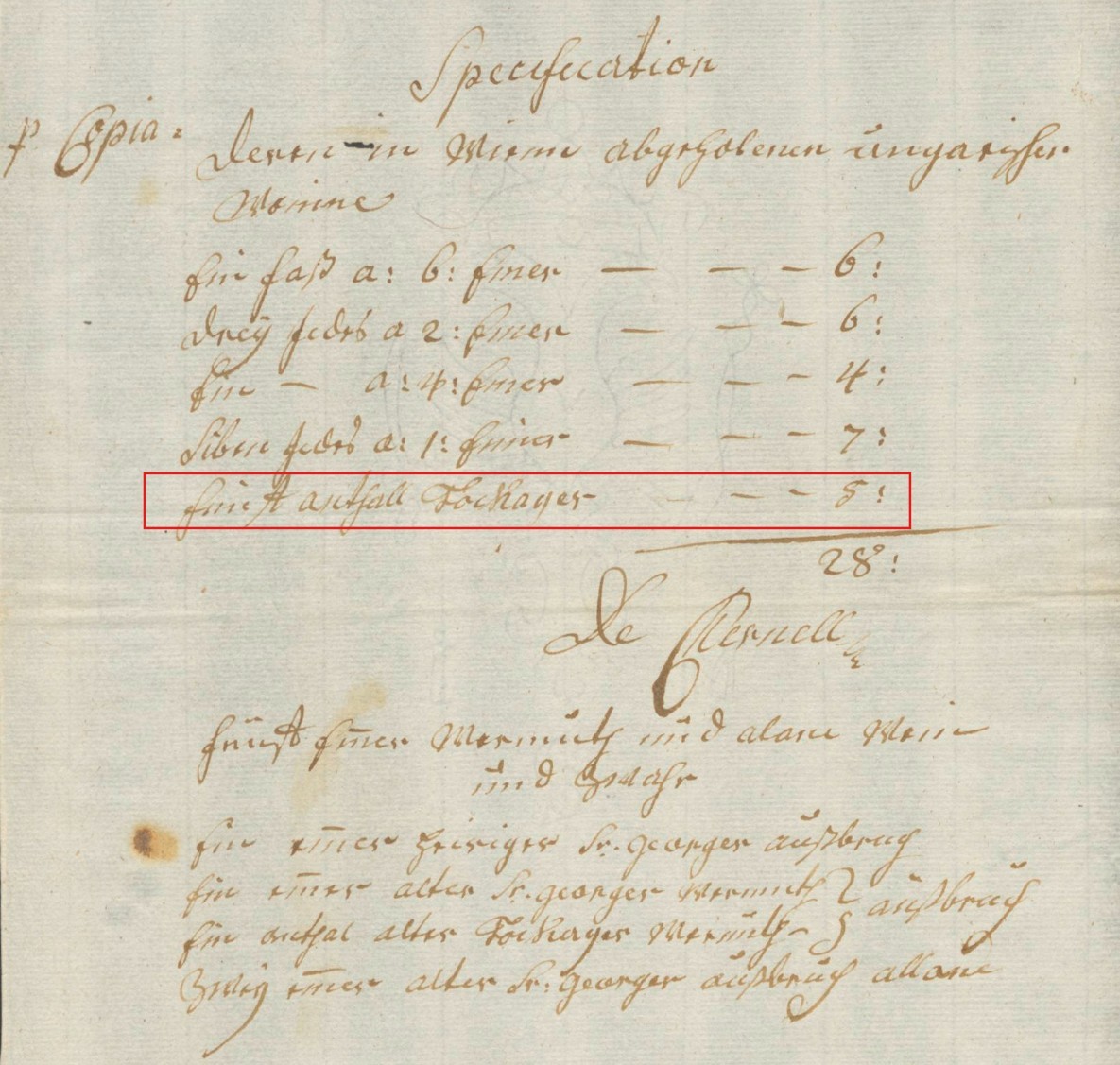
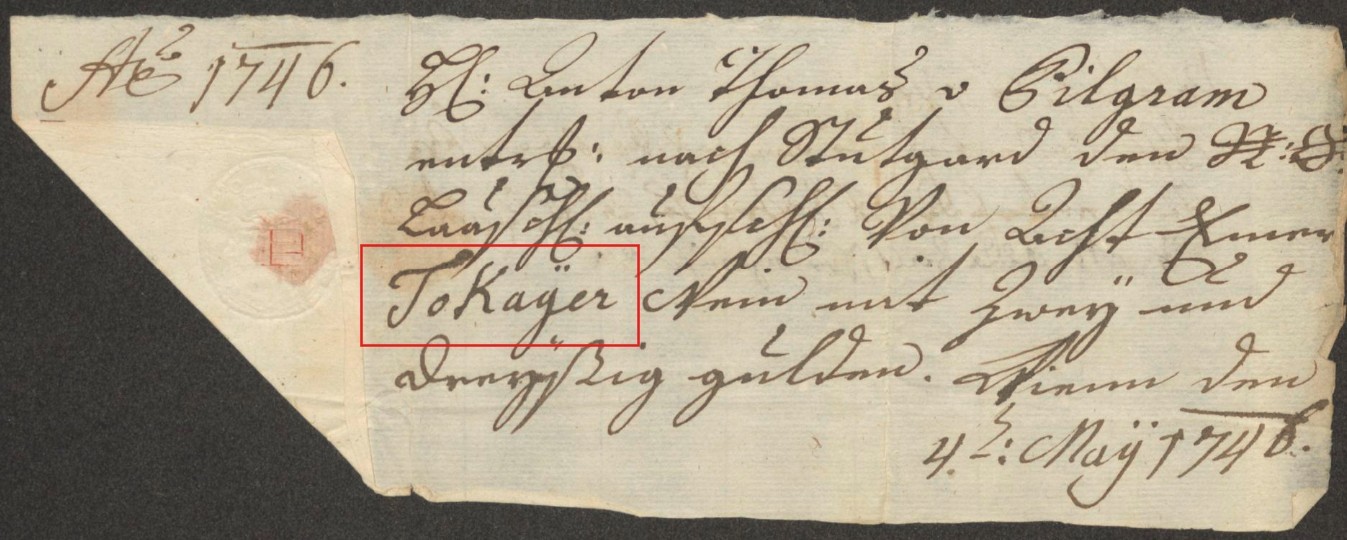
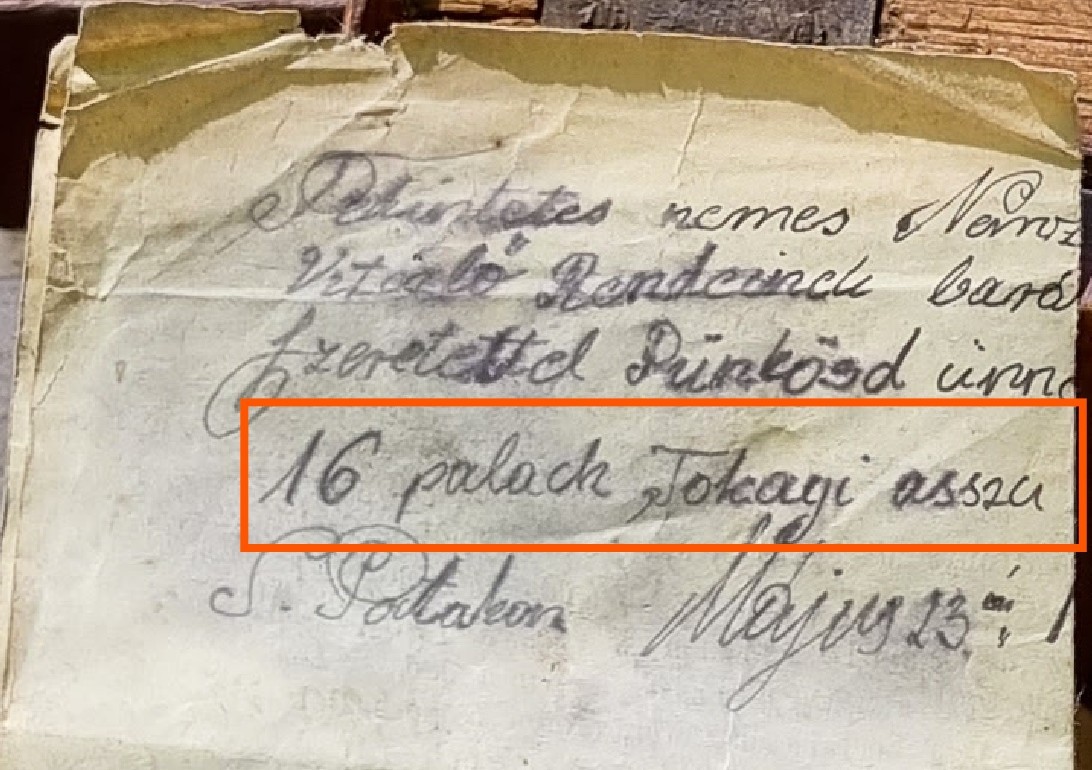
Content analysis: establishing a logical relationship between the bottle and the document. Sometimes this is straightforward — an invoice, a sales contract, a cellar inventory, a gift card, inheritance papers — and often it is very difficult. The work involves consistency checks across language, script, place names, dates, persons, titles, stamps and seals, and coats of arms.
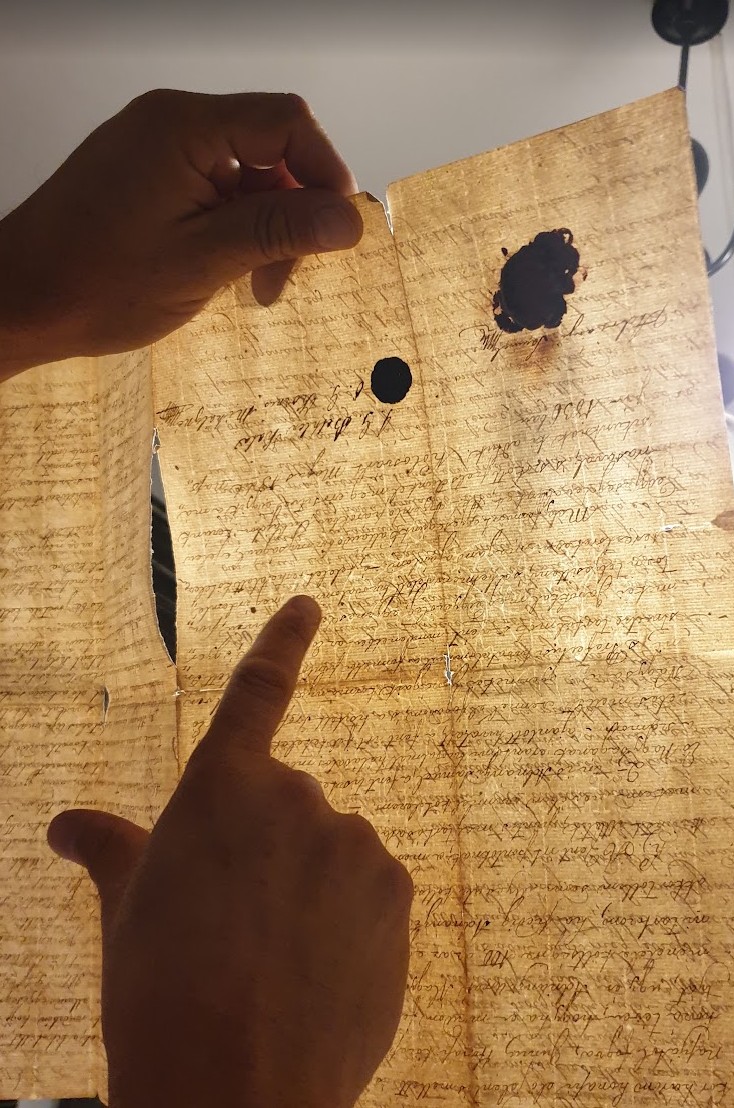
Material analysis: examination of the paper, watermarks, ink, seals and sealing wax, using the methods set out below, to establish authenticity, age and internal consistency.
03
Analytical Test Methods
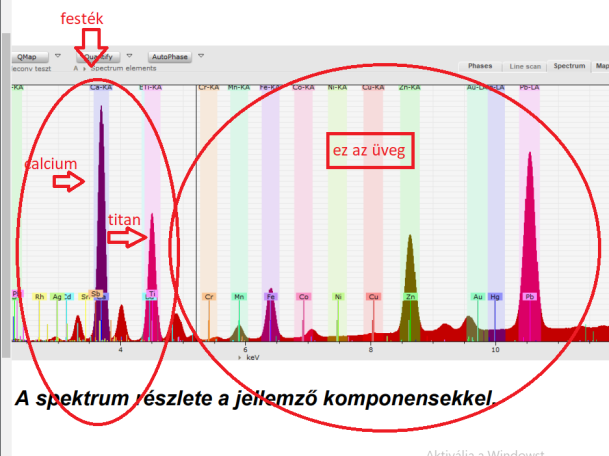
Physical and chemical methods drawn from archaeometry and technical art history, applied to the bottle, its closure and the papers attached to it.
Analysis of bottle shape, size, production method and material (often involving glass experts)
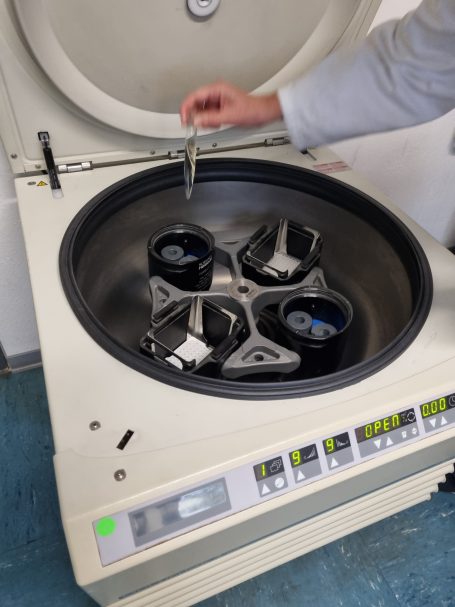
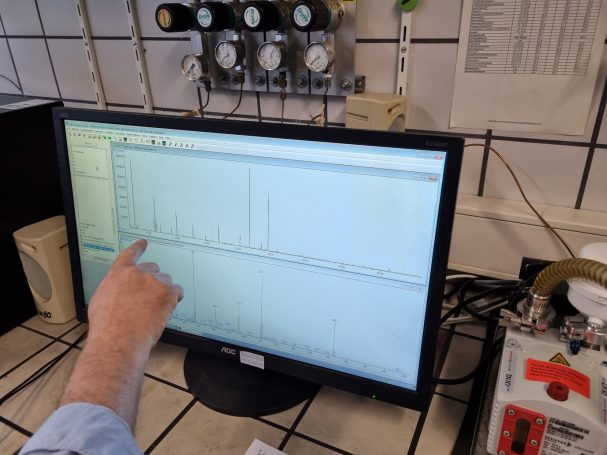
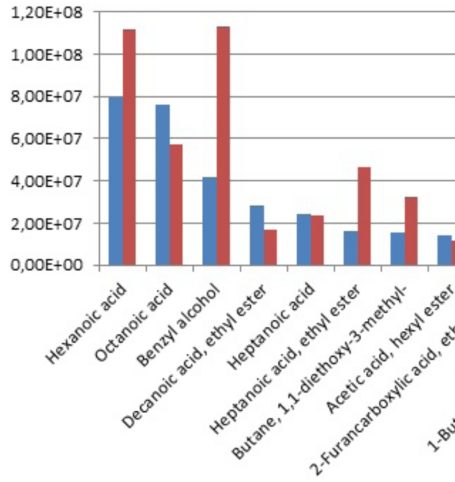
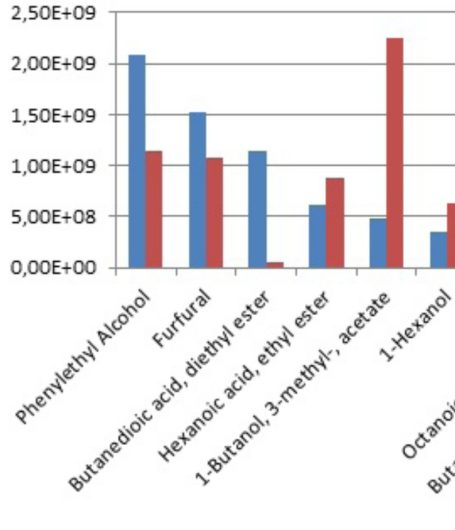
This is only possible where the contents of the bottle are accessible — when the cork leaks, when the bottle is broken, or when it is opened to be drunk. All three are rare. The methods include:
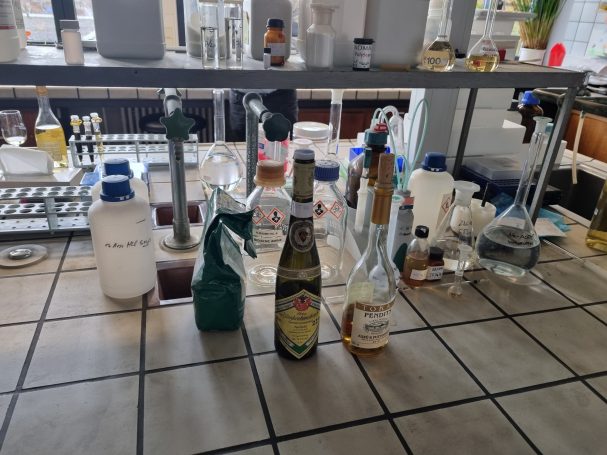
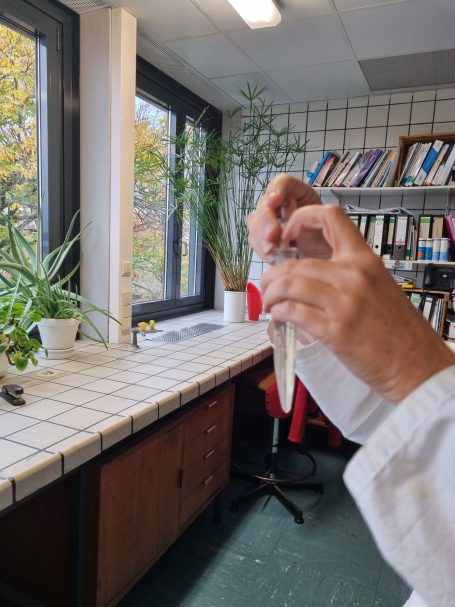
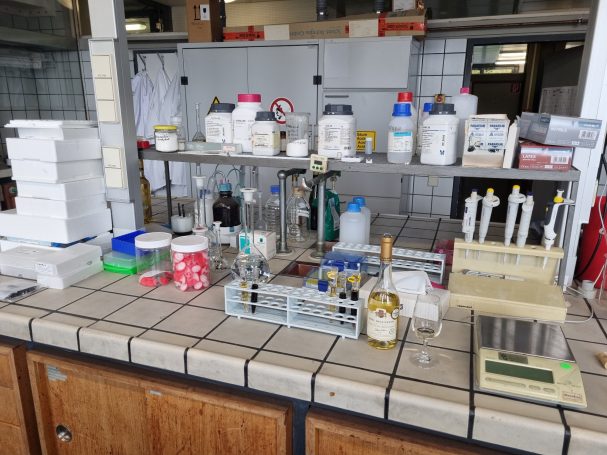
Standard tests for alcohol, sugar content and acidity
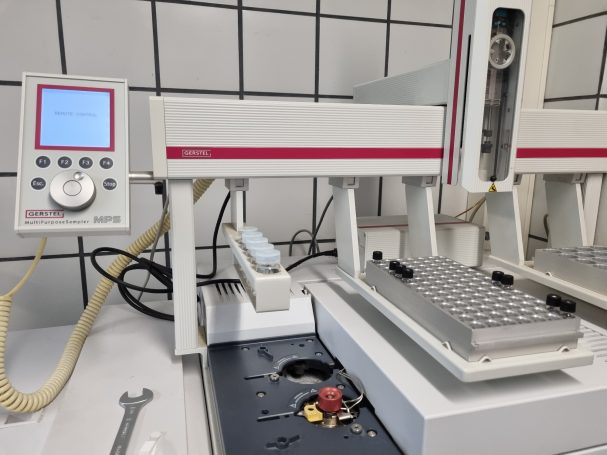
Mass spectrometry (MS)
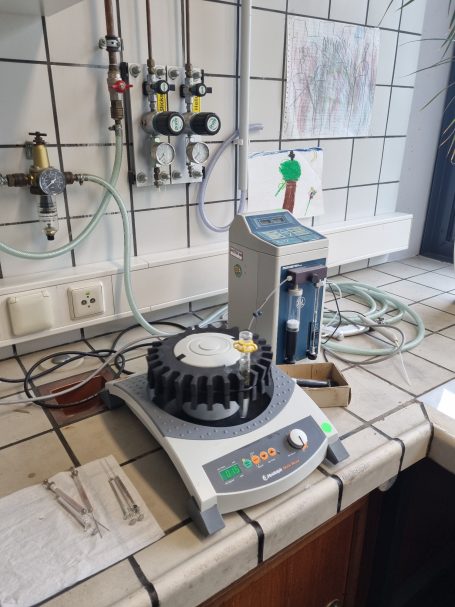
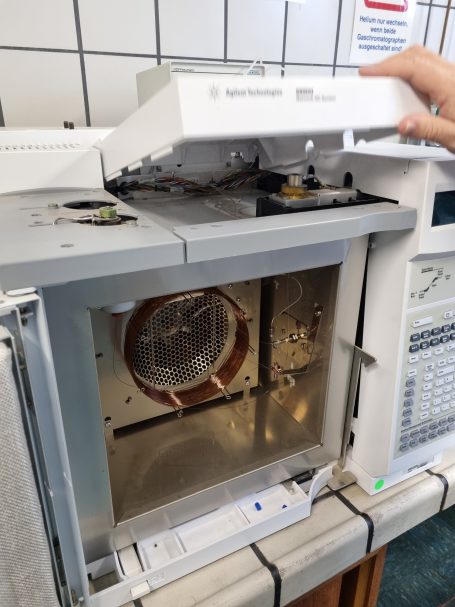
Gas chromatography (GC)
These methods cannot detect fraud with certainty; they narrow the margin for error. Any useful information, analytical method or funding that supports this extensive and costly work is welcome. Most owners and collectors are willing to have their bottles and documents examined, provided the bottle is neither opened nor damaged.
To deter fraud, neither the full set of methods nor the individual results are published here. For the same reason, no details are given of bottles found to be falsifications.
A number of old bottles, presumed to be Tokaji, remain unidentified. Details of some may be published here in future, in the hope of making progress with the help of readers.
04
Ongoing Bottle Identification Projects
Many old bottles believed to be Tokaji are still in the process of identification.
Two unknown bottles carrying a distinctive double coat of arms
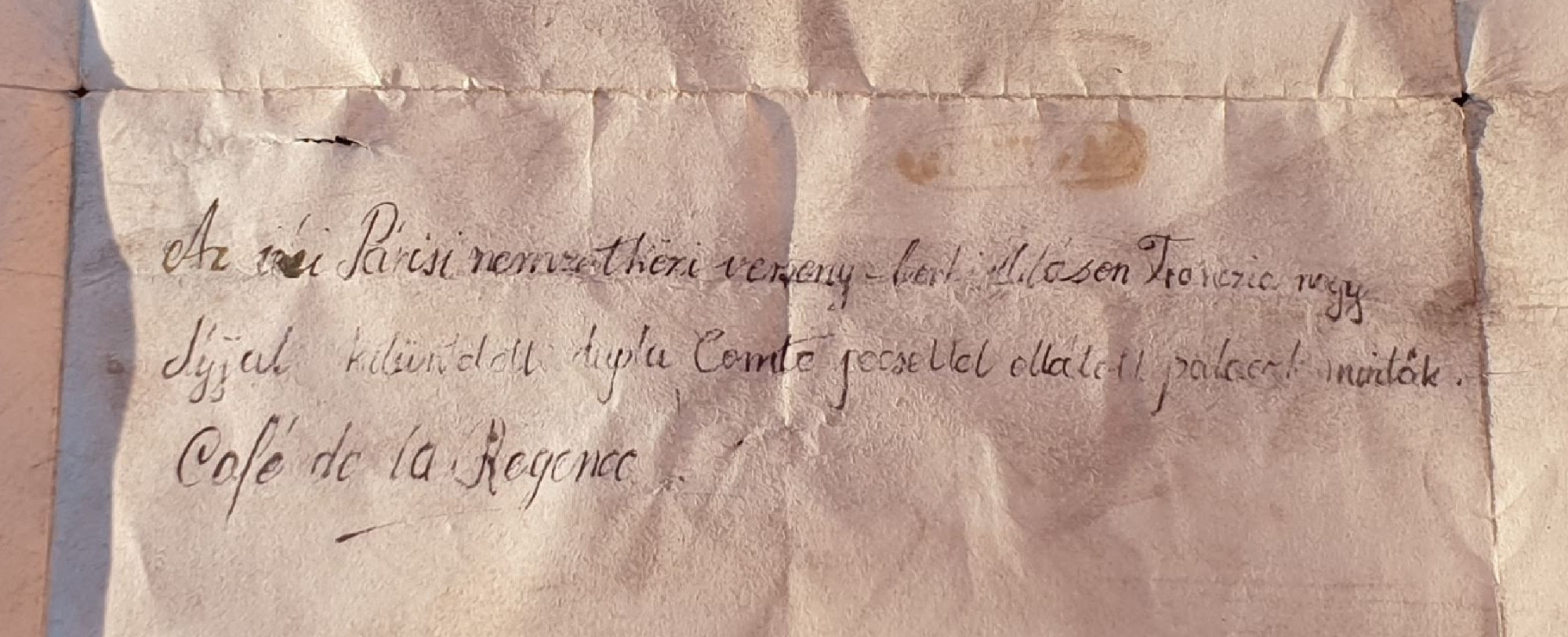
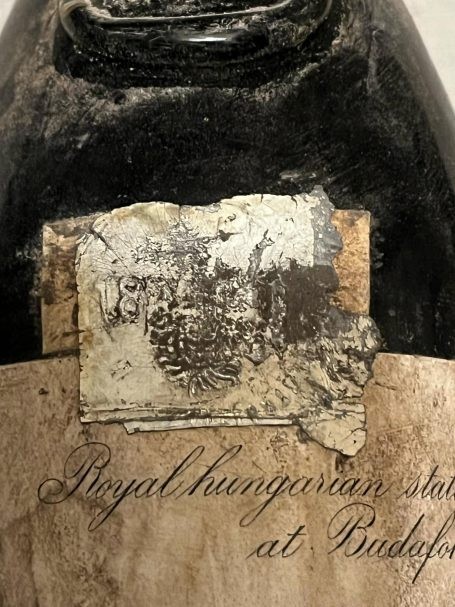
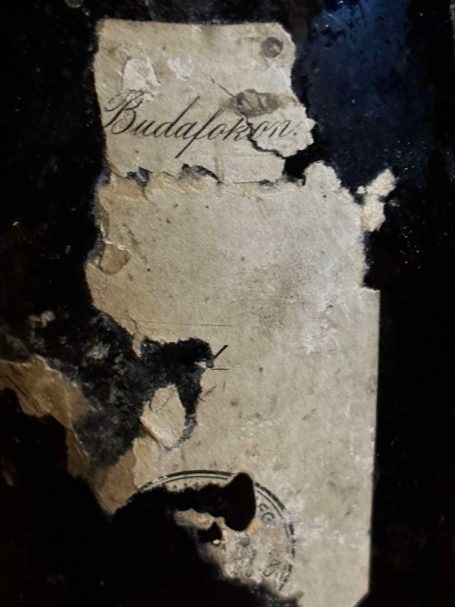
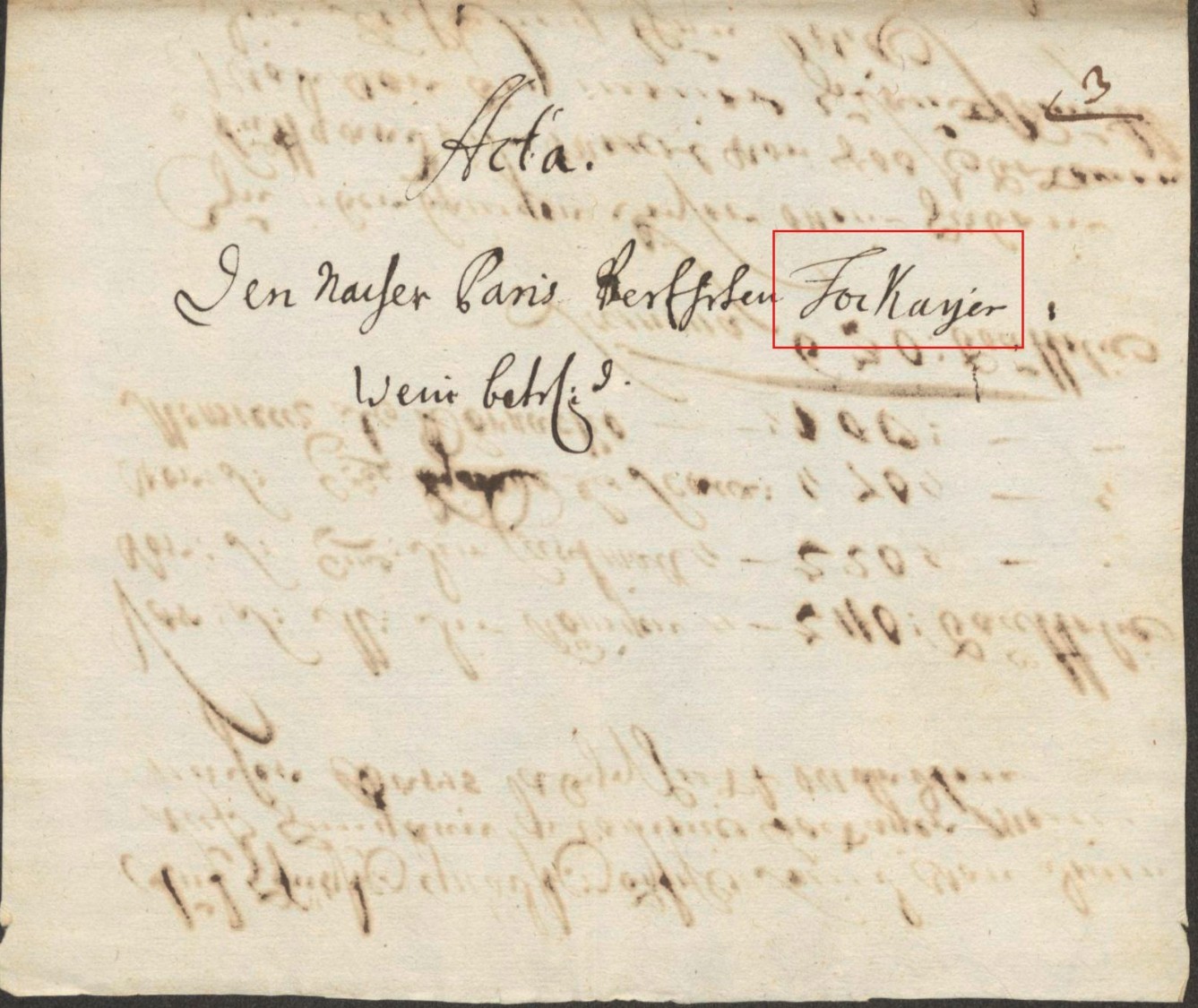
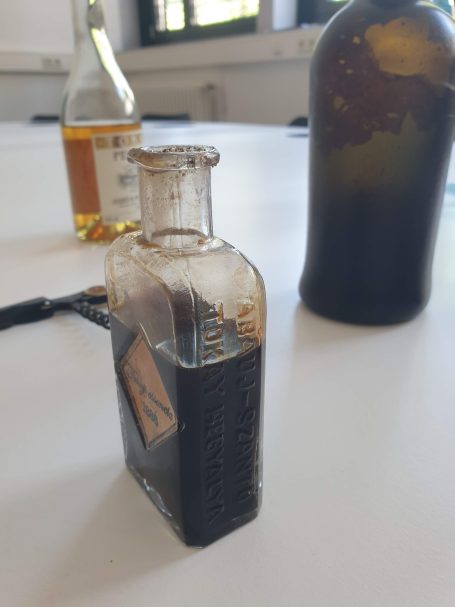
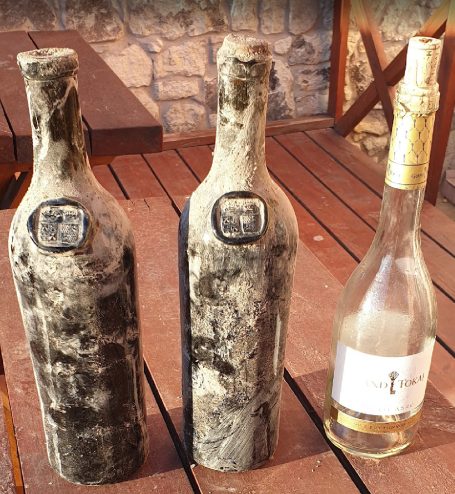
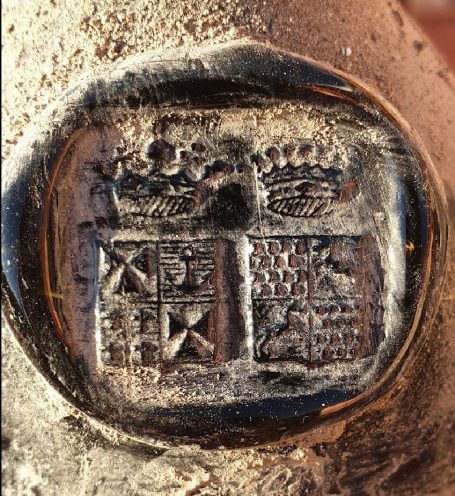
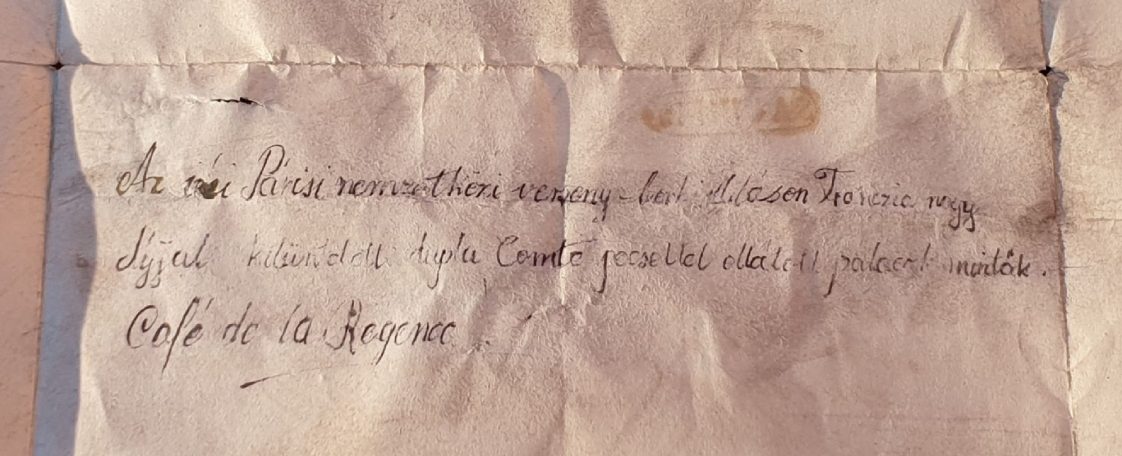
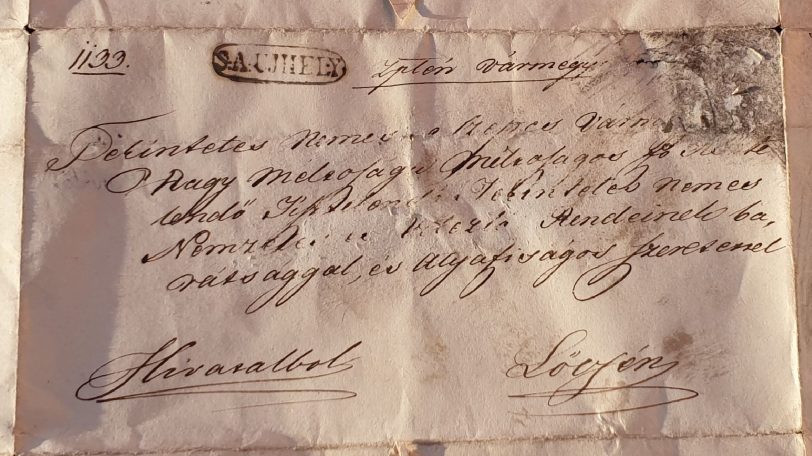
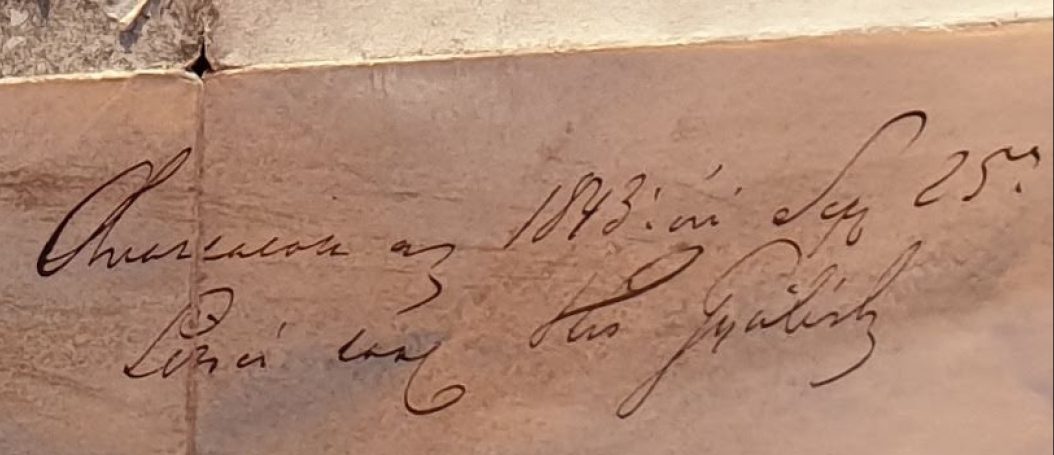
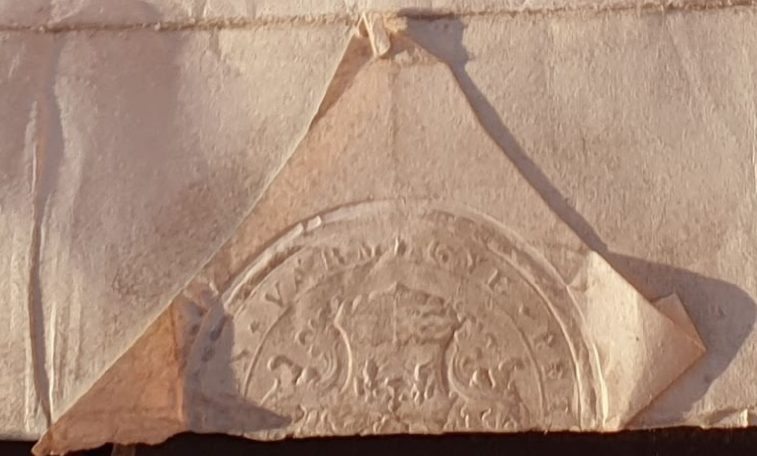
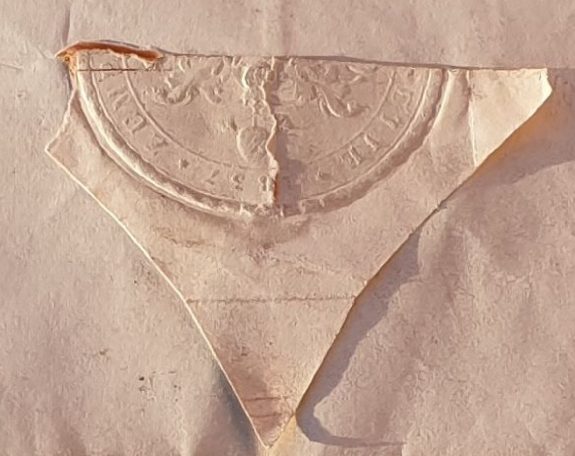
The mark in the glass is a double coat of arms which, according to the accompanying document, are samples of a Hungarian wine shown at a wine exhibition in Paris in 1843. The document mentions the Café de la Régence, a place well known in the history of chess. The bottles come from a cellar discovery in the Tokaj region, where a number of others were found, all Tokaji, from some ten different producers.
Both the context of the discovery and the document, which references Sátoraljaújhely, point to a Tokaji wine, but a first search produced nothing on a wine exhibition in Paris in 1843. The key to the producer lies in the coat of arms, and identifying it should not be difficult. Notably, the arms do not belong to the best-known noble families of the wine region — Andrássy, Széchenyi, Waldbott, Degenfeld, Maillot, Bretzenheim or Vay.
A completely unknown bottle
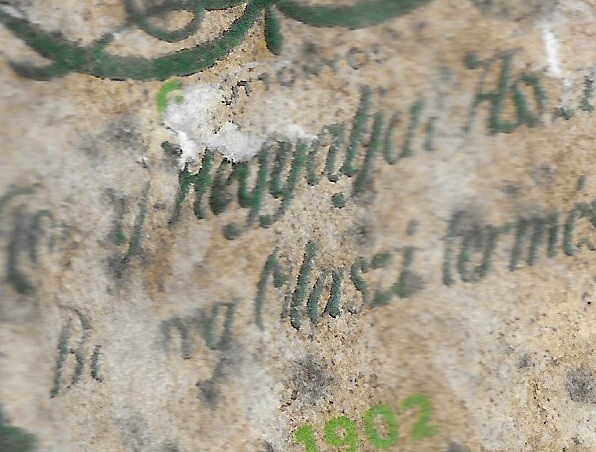
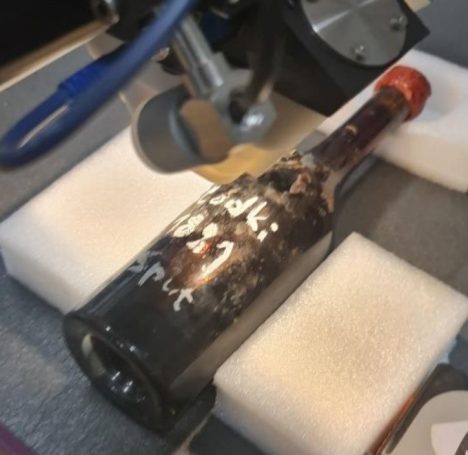
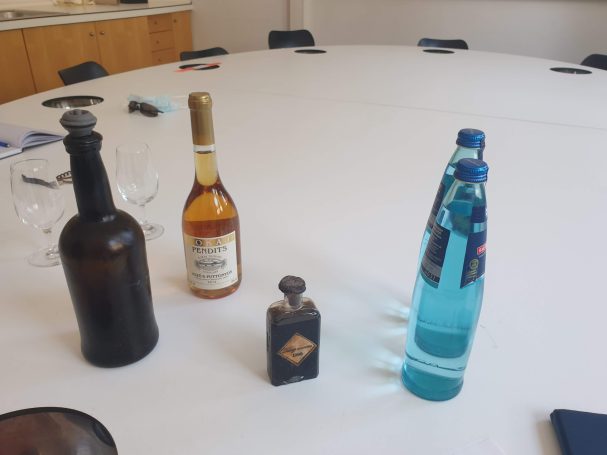
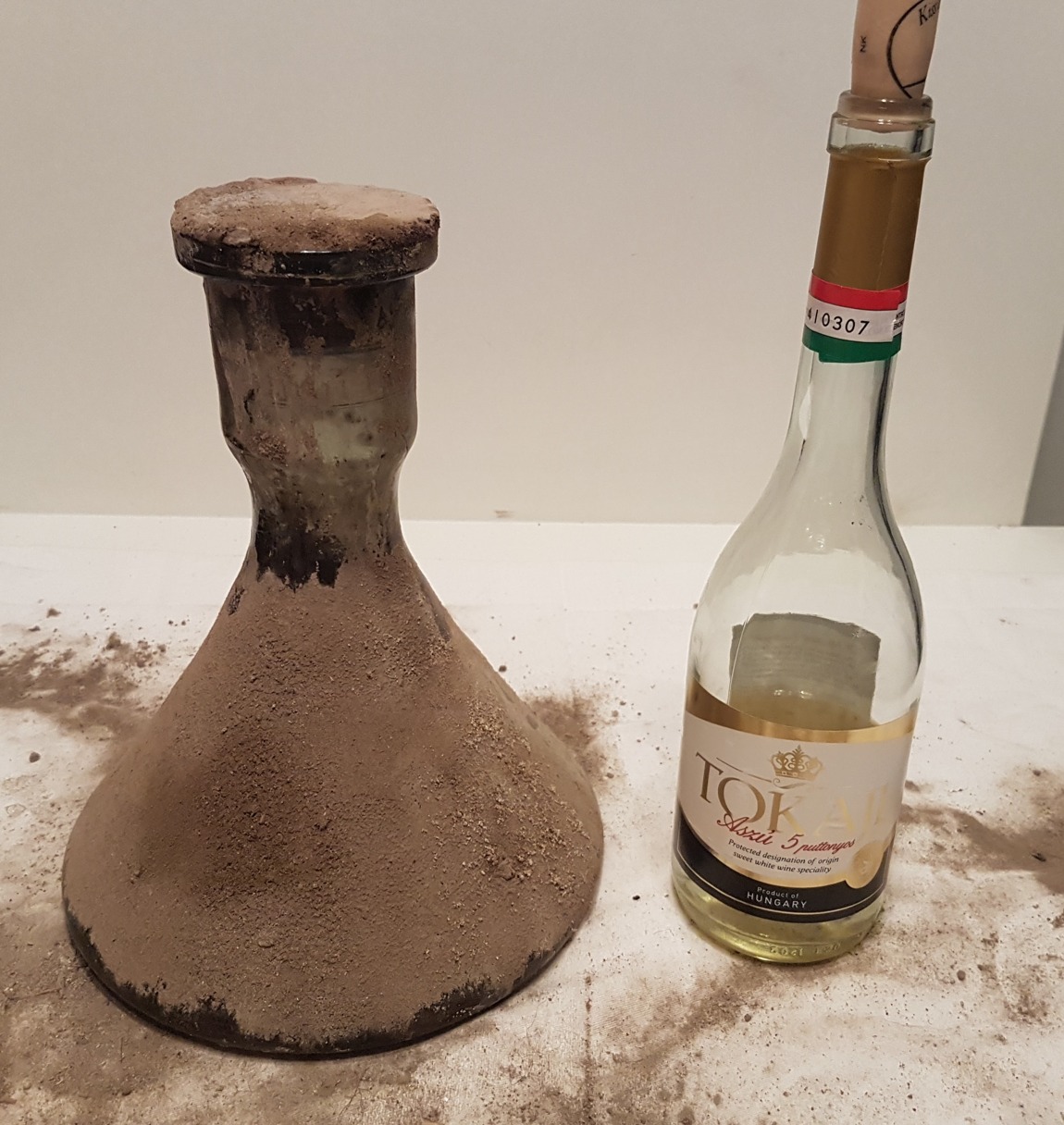
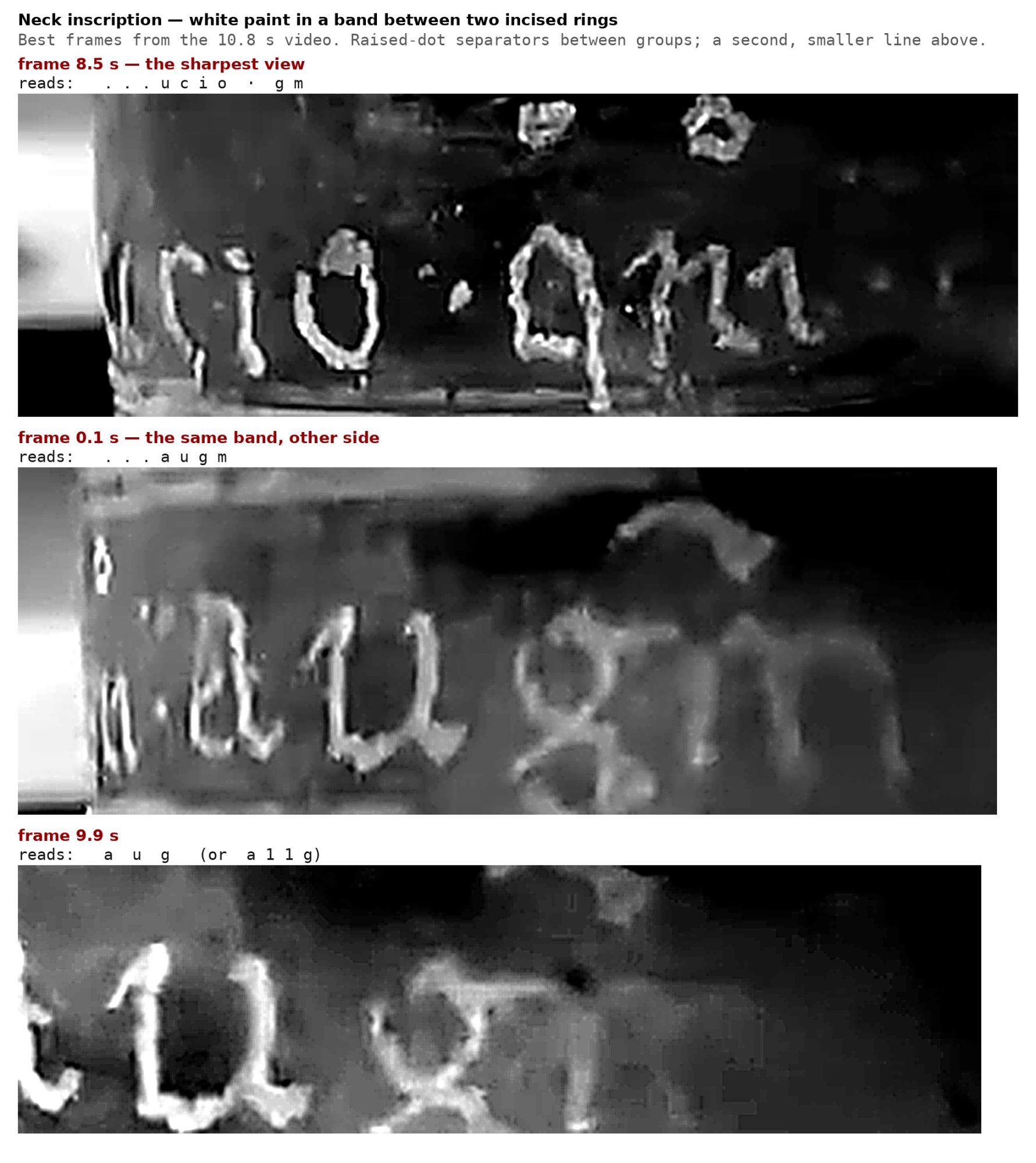
A second, unrelated case: a heavy conical bottle with a sealed neck, shown here beside a modern 5 puttonyos bottle for scale. Nothing about its origin is established. The only lead is an inscription painted in white in a band between two incised rings on the neck, filmed in a short video; the sharpest frames read “…ucio · gm” on one side and “…augm” on the other, with raised-dot separators between the groups and a second, smaller line above.
One hypothesis concerns the shape rather than the inscription. James A. Roy, who visited the Fukier cellar in Warsaw in 1919, recorded in Pole and Czech in Silesia (1921) that he drank Tokay seventy years old there and was shown wine in “queer, cobwebbed, crinoline-shaped bottles”. Henryk Maria Fukier himself used the term krynoliny fukierowskie for a type of bottle in the cellar, without ever describing what it looked like — the form Roy names is the wide, low-shouldered profile of a crinoline skirt.
This bottle's distinctive silhouette matches that description, which raises the possibility that it is one of the krynoliny — and, if so, that it comes from the Fukier cellar. The shape alone does not establish it, but it is the first line worth pursuing.
The neck inscription filmed under raking light, 10.8 seconds, silent